Jury Trial For Dui In Dallas
Description
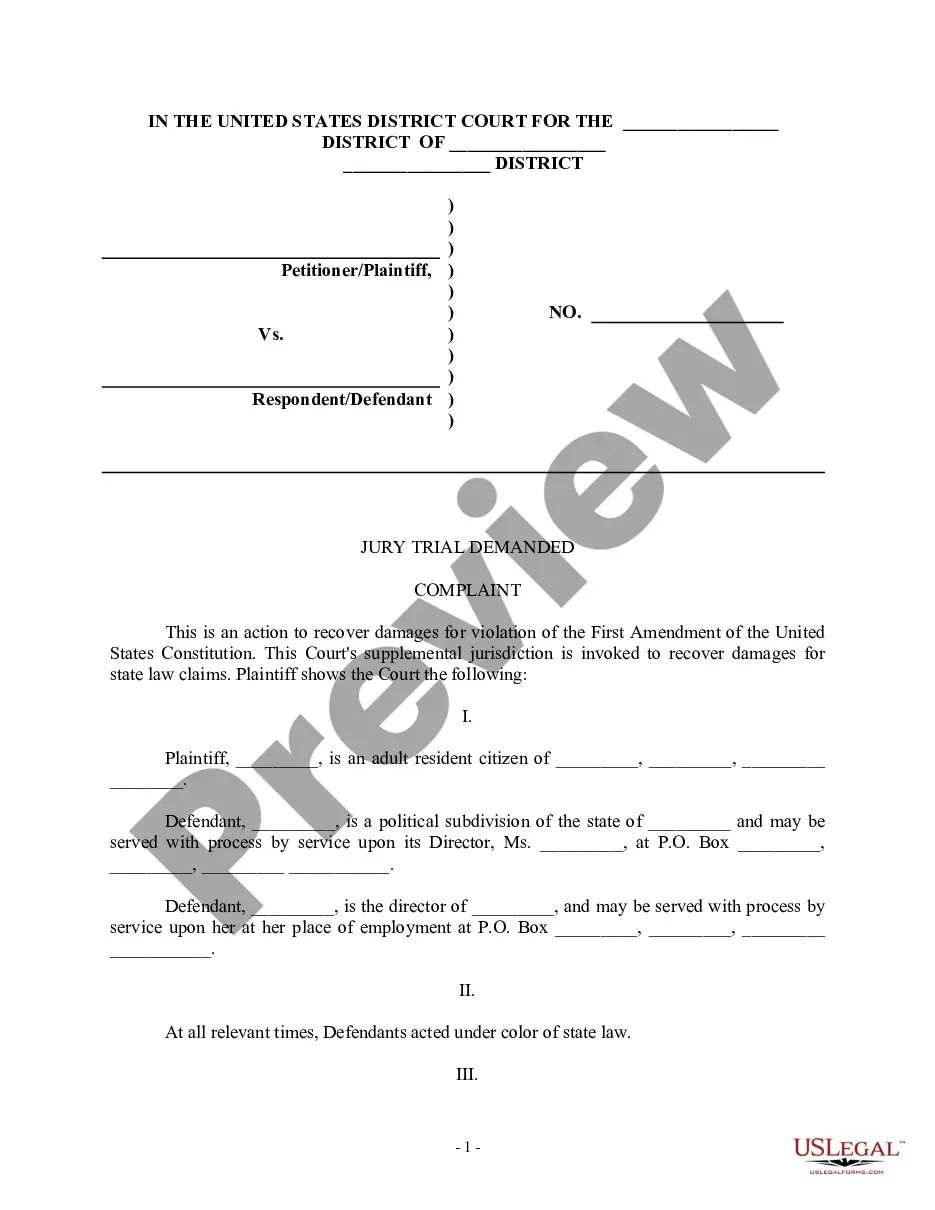
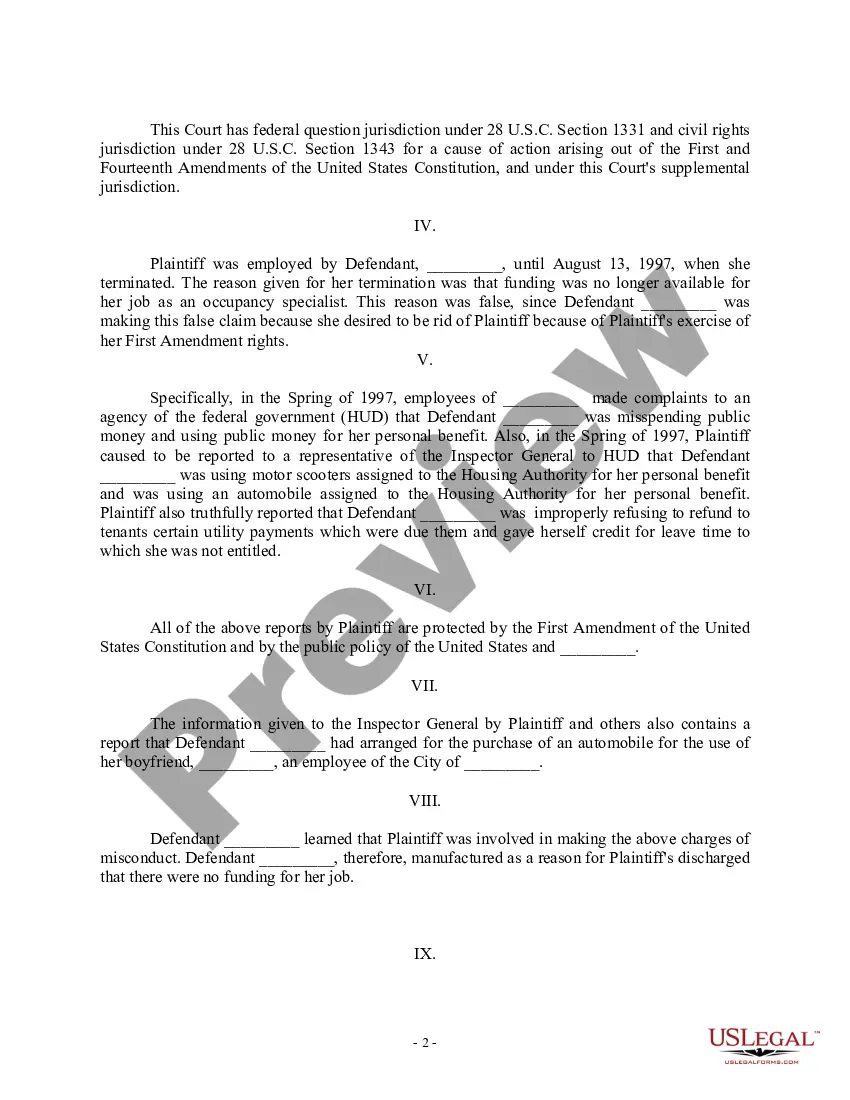
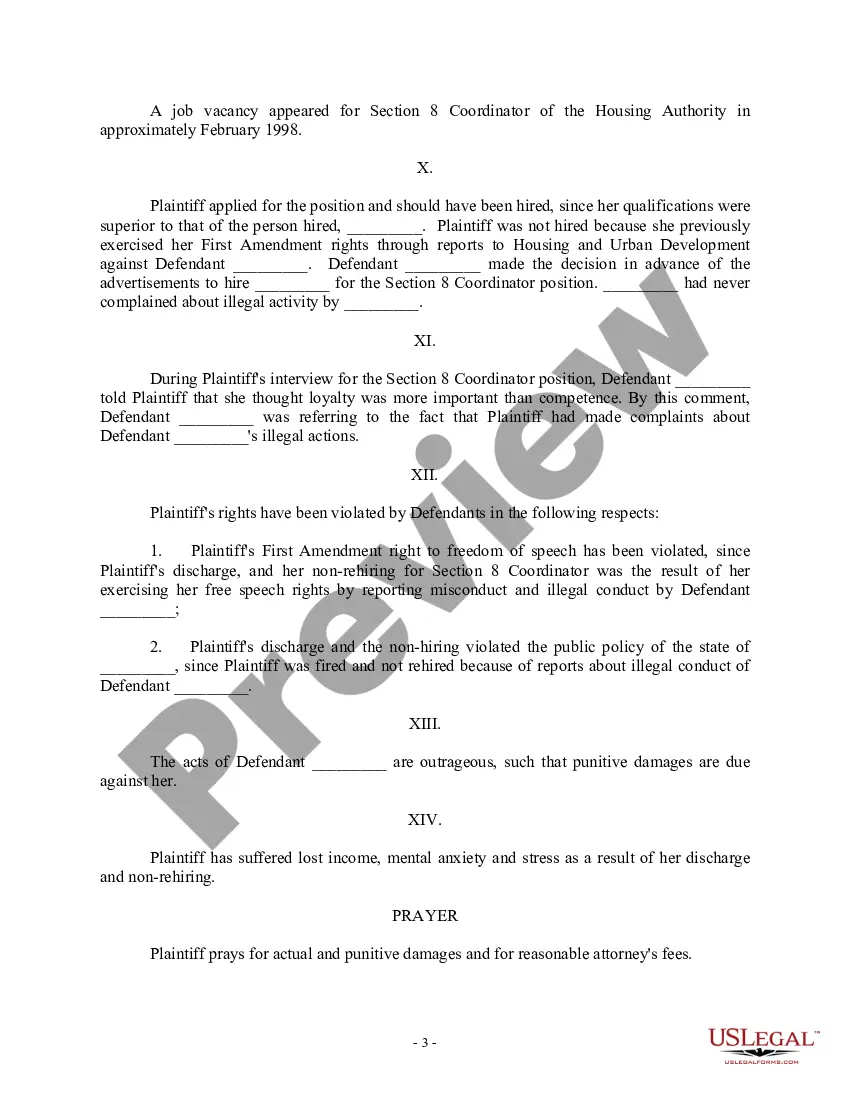
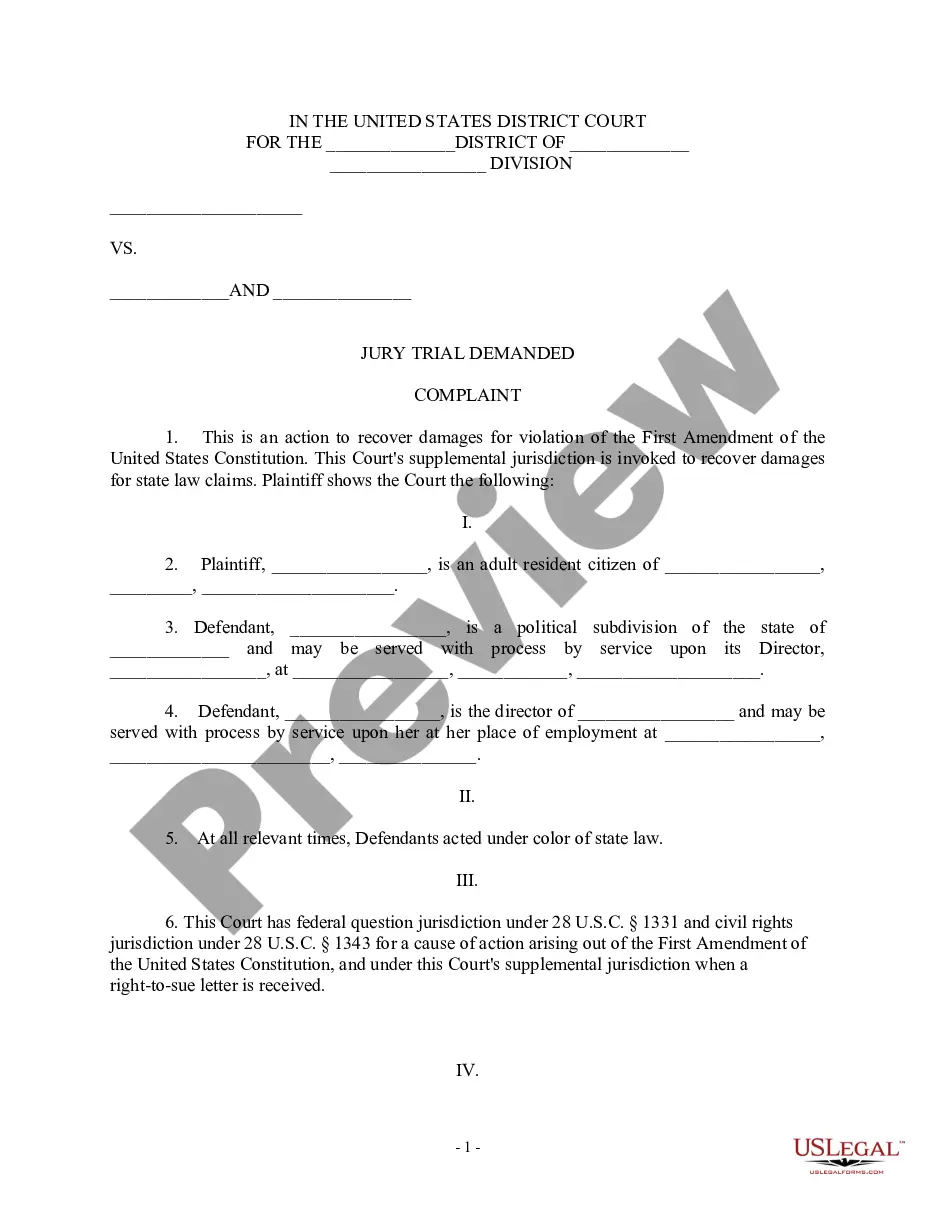
Get your form ready online
Our built-in tools help you complete, sign, share, and store your documents in one place.
Make edits, fill in missing information, and update formatting in US Legal Forms—just like you would in MS Word.
Download a copy, print it, send it by email, or mail it via USPS—whatever works best for your next step.
Sign and collect signatures with our SignNow integration. Send to multiple recipients, set reminders, and more. Go Premium to unlock E-Sign.
If this form requires notarization, complete it online through a secure video call—no need to meet a notary in person or wait for an appointment.
We protect your documents and personal data by following strict security and privacy standards.
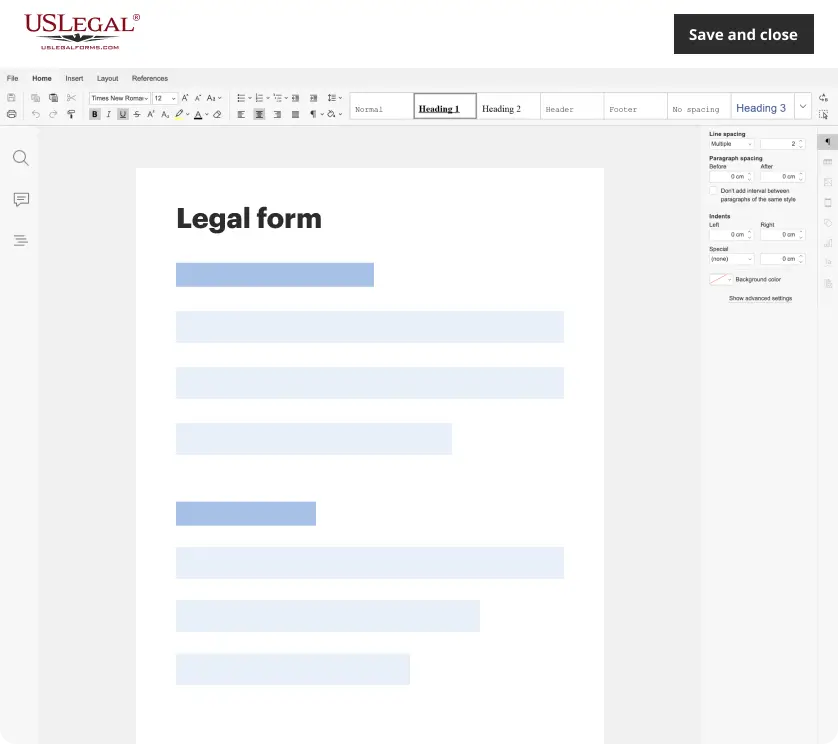
Make edits, fill in missing information, and update formatting in US Legal Forms—just like you would in MS Word.
Download a copy, print it, send it by email, or mail it via USPS—whatever works best for your next step.
Sign and collect signatures with our SignNow integration. Send to multiple recipients, set reminders, and more. Go Premium to unlock E-Sign.
If this form requires notarization, complete it online through a secure video call—no need to meet a notary in person or wait for an appointment.
We protect your documents and personal data by following strict security and privacy standards.
Looking for another form?
Form popularity
FAQ
To win a jury trial, the defense must raise reasonable doubt about the validity and/or accuracy of the test results, as well as mitigating or rebutting the observations and testimony of law enforcement officers involved in your case that lead to their conclusion your ability to drive was impaired.
The length of your DWI case will depend on the specifics of your case and your location. Generally speaking, it takes about 20-40 days from your arrest before you are issued a court date for a misdemeanor. If you are being charged with a felony, it can take up to a few months to be issued your court dates.
What Is Texas' Second Chance Law? The Texas DWI Second Chance Law, officially known as House Bill 3016, went into effect on September 1, 2017. It allows certain first-time offenders convicted of a DWI offense to petition the court for non-disclosure of their criminal records under specific conditions.
Yes, you need to show up, you are not automatically disqualified unless you have a non-expunged felony on your record. You will need to disclose your DUI conviction and the lawyers and the judge will decide if you stay or go.
Common Grounds for Dismissal of DWI in Texas For example, if you were stopped without any observable traffic violation or suspicious driving behavior, this might constitute a lack of probable cause. Another critical aspect is the accuracy of breathalyzer or blood test results.
Yes, you need to show up, you are not automatically disqualified unless you have a non-expunged felony on your record. You will need to disclose your DUI conviction and the lawyers and the judge will decide if you stay or go.
Bench trials are better for cases involving highly technical issues or an unlikeable party/parties. Jury trials are for situations where you think you have a worse than 50% chance at winning and neither of the above situations apply.