What Constitutes False Arrest
Description






Get your form ready online
Our built-in tools help you complete, sign, share, and store your documents in one place.
Make edits, fill in missing information, and update formatting in US Legal Forms—just like you would in MS Word.
Download a copy, print it, send it by email, or mail it via USPS—whatever works best for your next step.
Sign and collect signatures with our SignNow integration. Send to multiple recipients, set reminders, and more. Go Premium to unlock E-Sign.
If this form requires notarization, complete it online through a secure video call—no need to meet a notary in person or wait for an appointment.
We protect your documents and personal data by following strict security and privacy standards.

Make edits, fill in missing information, and update formatting in US Legal Forms—just like you would in MS Word.

Download a copy, print it, send it by email, or mail it via USPS—whatever works best for your next step.

Sign and collect signatures with our SignNow integration. Send to multiple recipients, set reminders, and more. Go Premium to unlock E-Sign.

If this form requires notarization, complete it online through a secure video call—no need to meet a notary in person or wait for an appointment.

We protect your documents and personal data by following strict security and privacy standards.
Looking for another form?

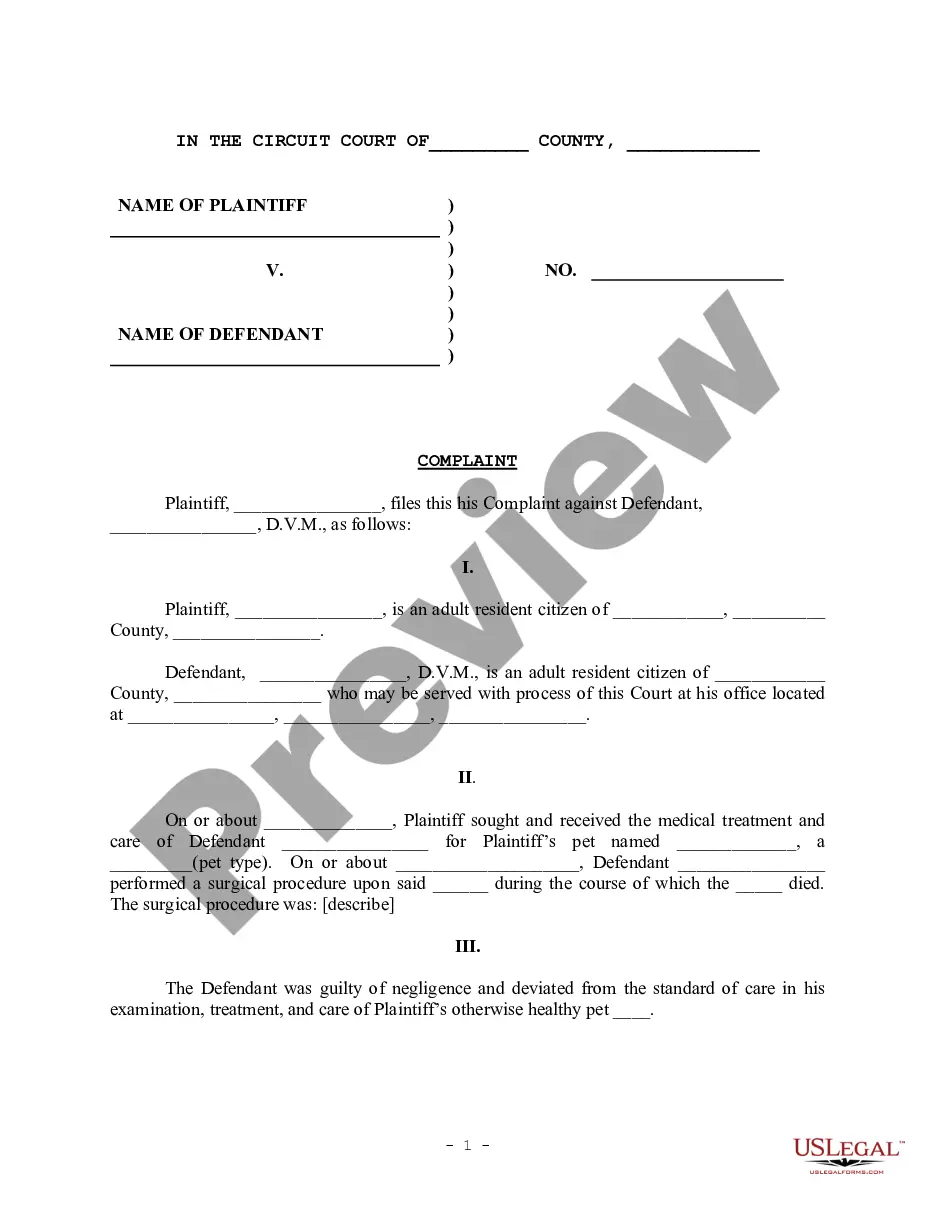

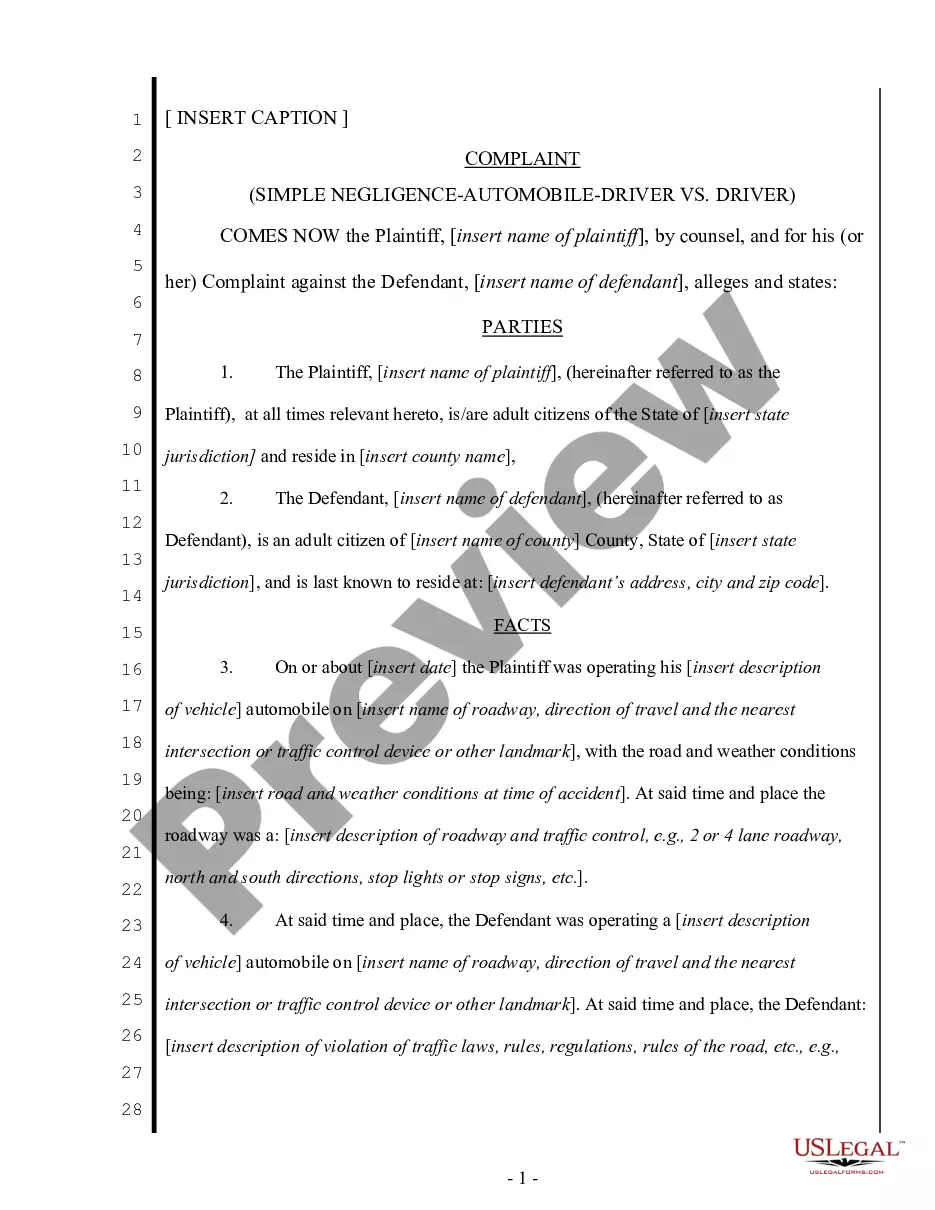

How to fill out Complaint For False Arrest And Imprisonment - 4th And 14th Amendment, US Constitution - Jury Trial Demand?
- If you’re a returning user, log in to your account and start by downloading the required form template from your dashboard.
- For first-time users, assess the available documents. Use the Preview mode to review the form description and ensure it aligns with your needs and local jurisdiction.
- If your search yields no suitable results, utilize the Search function at the top of the page to find alternative templates.
- Once you've identified the correct form, proceed to purchase it. Click on the Buy Now button and select your preferred subscription plan.
- Enter your payment details to finalize your purchase, using a credit card or PayPal for convenience.
- Download your form and save it to your device. You can also find it any time in the My Forms section of your profile for future reference.
In conclusion, US Legal Forms not only provides a robust collection of legal documents but also empowers users with expert assistance for precise form completion. This ensures that you are equipped with legally sound and tailored documents that meet your specific requirements.
Start your journey today—empower yourself with US Legal Forms for all your legal document needs!
Form popularity
FAQ
The compensation for a wrongful arrest can vary widely based on several factors. Generally, the amount you might receive depends on the circumstances of your case, including the nature of the arrest and any damages you incurred, such as lost wages or emotional distress. It's crucial to understand what constitutes false arrest, as establishing the facts will greatly aid your claim. Legal assistance, such as that offered by US Legal Forms, can help you navigate the complexities and potentially maximize your compensation.
In civil actions for false arrest, several defenses can be raised. One common defense is that the arresting party had probable cause to make the arrest, which can negate claims of false arrest. Another defense is the existence of a warrant, which would legally justify the detention. Additionally, the plaintiff's consent to being detained can serve as a robust defense. Being informed about these defenses helps individuals understand their rights related to what constitutes false arrest.
False imprisonment consists of three essential elements. First, there must be an intentional act by the defendant that caused the detention. Second, the plaintiff must be confined within a bounded area. Lastly, the plaintiff must not have given consent to the confinement. Recognizing these elements provides clarity on what constitutes false arrest.
A common defense against false imprisonment is the notion of consent. If the detained individual consented to the restraint, it may be challenging to prove that the detention was unlawful. Additionally, there might be situations where the detention was based on reasonable suspicion or lawful authority. Knowledge of these defenses can be crucial when addressing what constitutes false arrest.
To successfully claim false arrest, a plaintiff must prove three key elements. First, the plaintiff must show that law enforcement or another authority detained them without consent. Second, the plaintiff must demonstrate that the detention lacked legal justification. Finally, the plaintiff needs to establish that they were aware of the detention or were harmed by it. Understanding these elements is vital in determining what constitutes false arrest.
The tort of false arrest occurs when someone is unlawfully detained without consent or legal justification. It is essential to understand what constitutes false arrest to pursue a claim successfully. Victims may seek compensation for the emotional stress and reputational damage caused by the unlawful act. Seeking legal advice can help you navigate this complex area of law and enforce your rights effectively.
While you can discuss legal matters on platforms like Reddit, it is not advisable to seek formal legal action there. Suing for false arrest requires an understanding of legal principles and evidence that might not be appropriate for online forums. If you believe you have a case, engaging a qualified attorney is crucial for navigating what constitutes false arrest and building a strong claim.
When considering how much you can sue for a false arrest, you should understand that damages vary by case. The amount often depends on the circumstances of the incident and the degree of emotional and financial distress caused. Factors like lost wages, legal fees, and personal suffering come into play. Therefore, it's essential to consult with a legal expert who can help you assess your specific situation regarding what constitutes false arrest.
The amount you can sue for a false arrest varies based on damages you've incurred, such as lost income and emotional suffering. In some cases, damages can rise into the tens of thousands of dollars or more. Understanding what constitutes false arrest can empower you during legal proceedings. Consider using US Legal Forms to assist with the legal process and documentation needed to strengthen your case.
If you find yourself falsely detained, the first step is to document everything related to the incident. Collect names, badge numbers, and contact information of witnesses. It is also wise to consult with an attorney who understands what constitutes false arrest. Legal advice can help build your case and guide you in seeking compensation.