Partnering Angel Investor With An Affinity For In Travis
Description

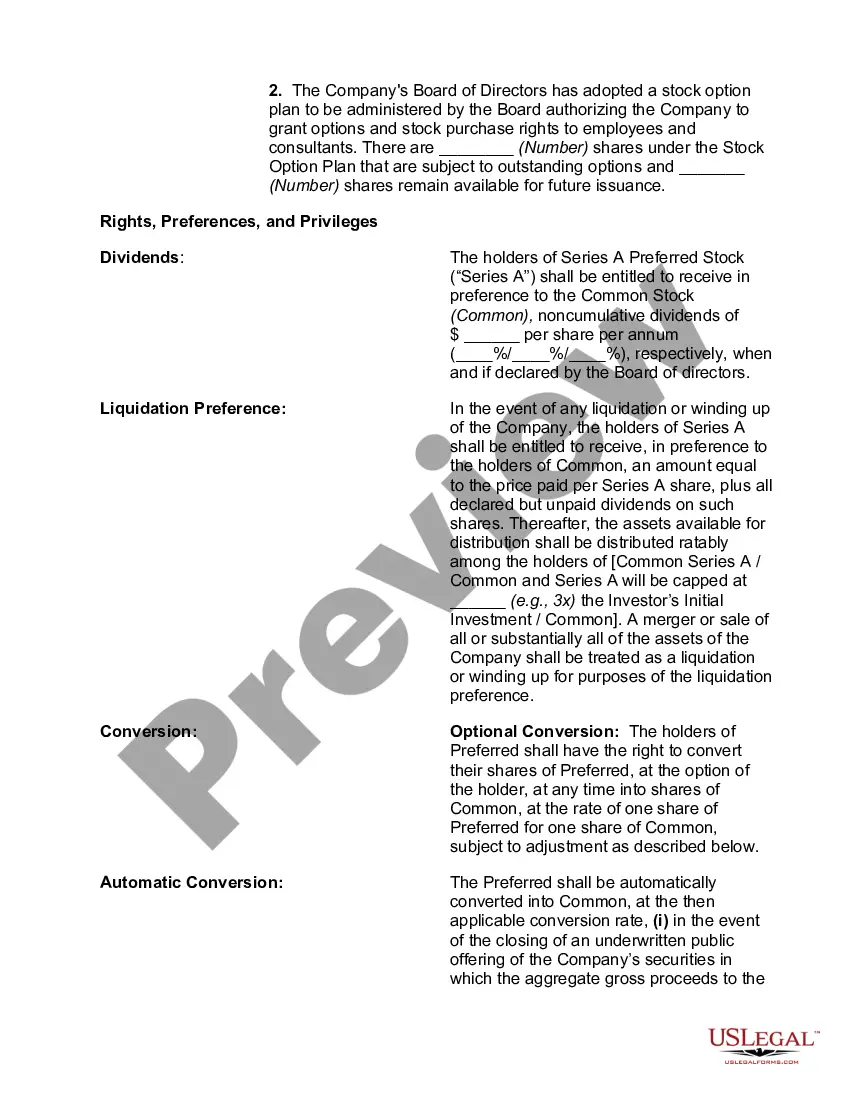
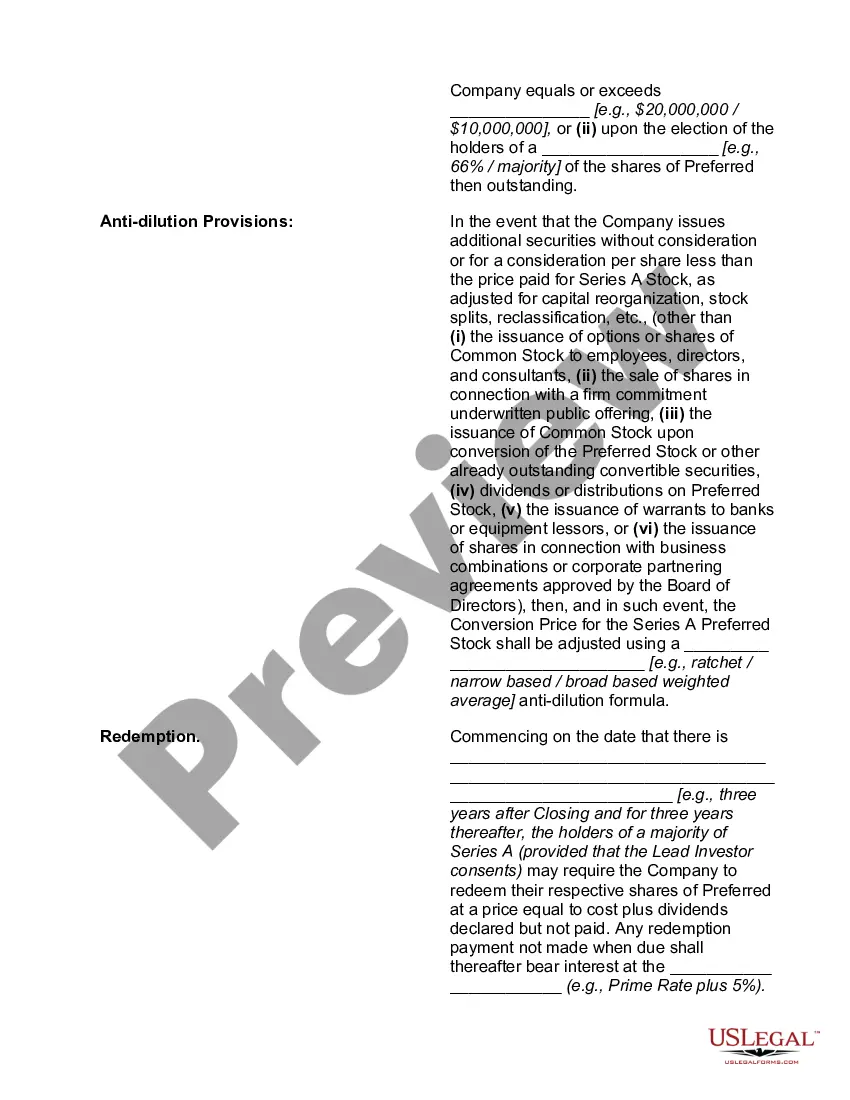
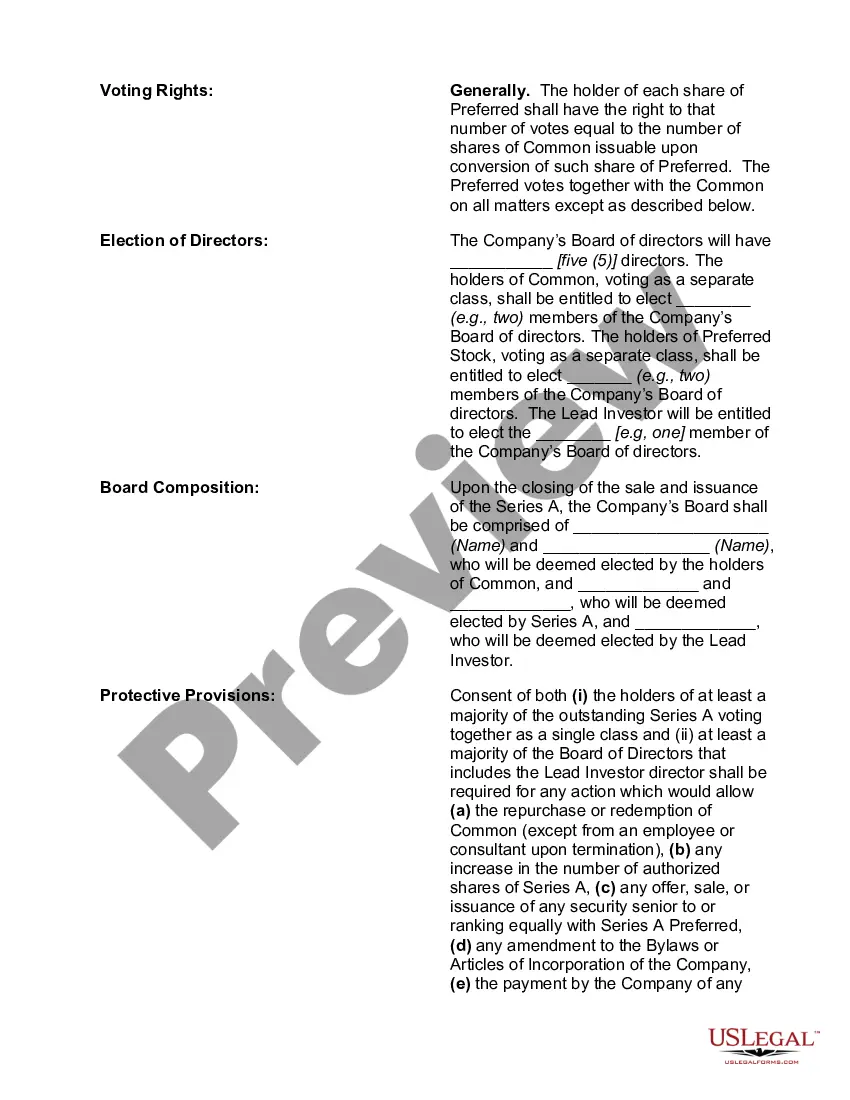
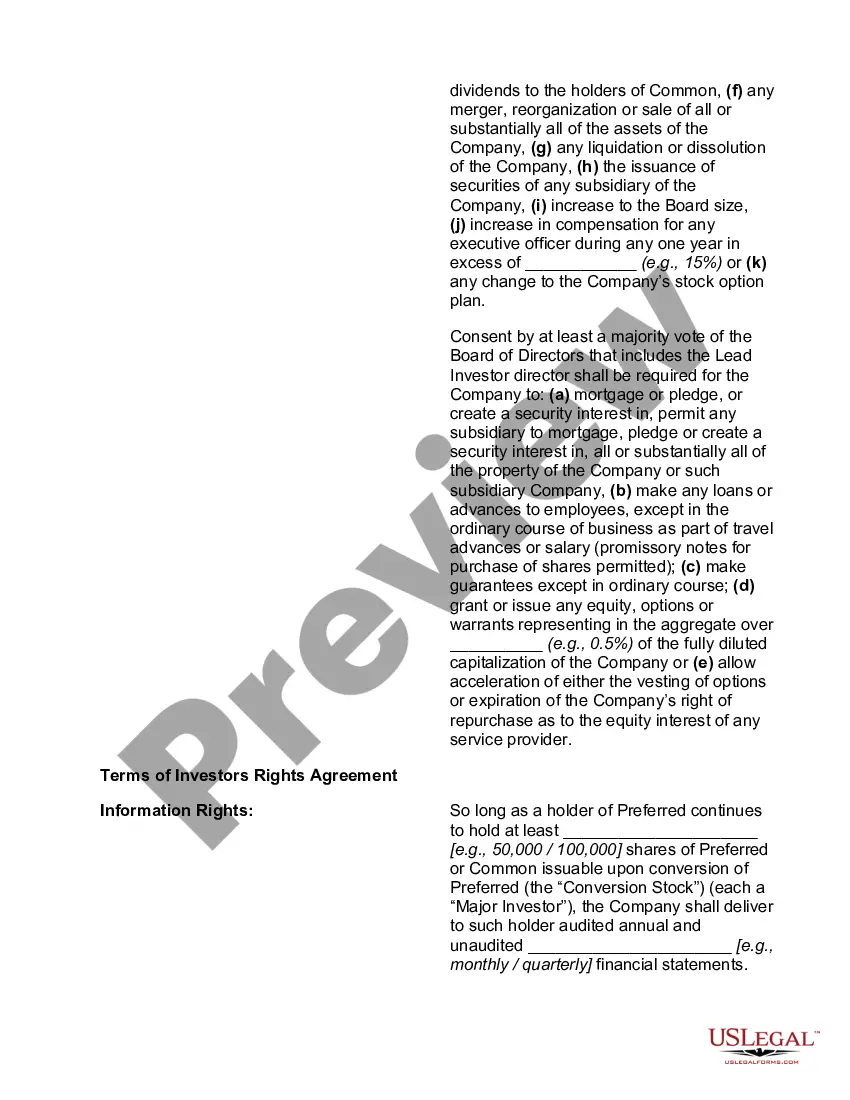
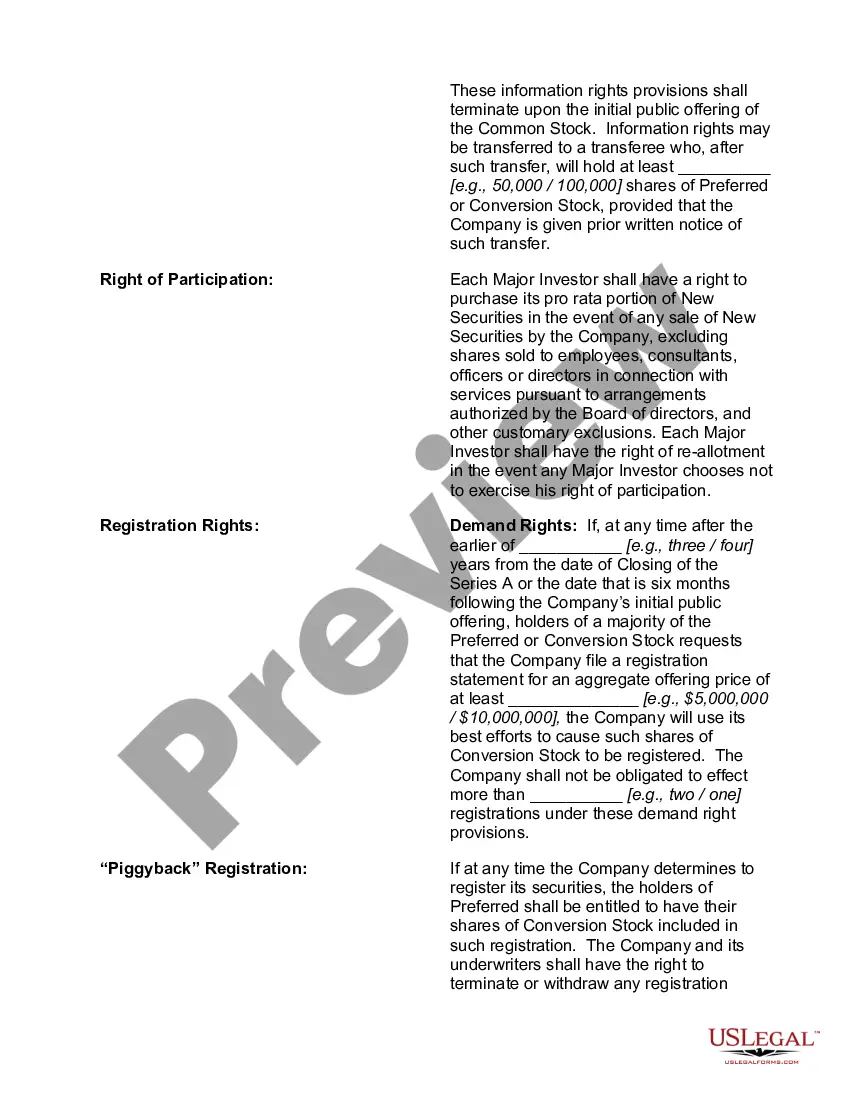
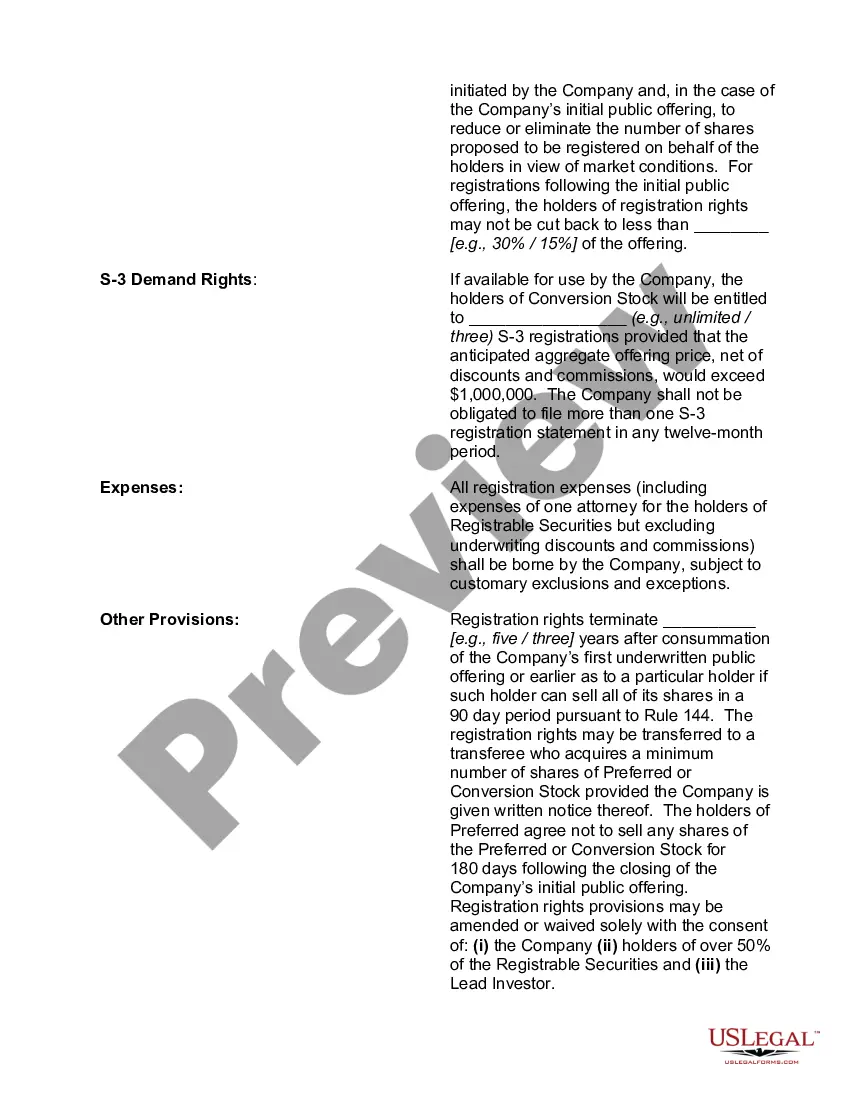
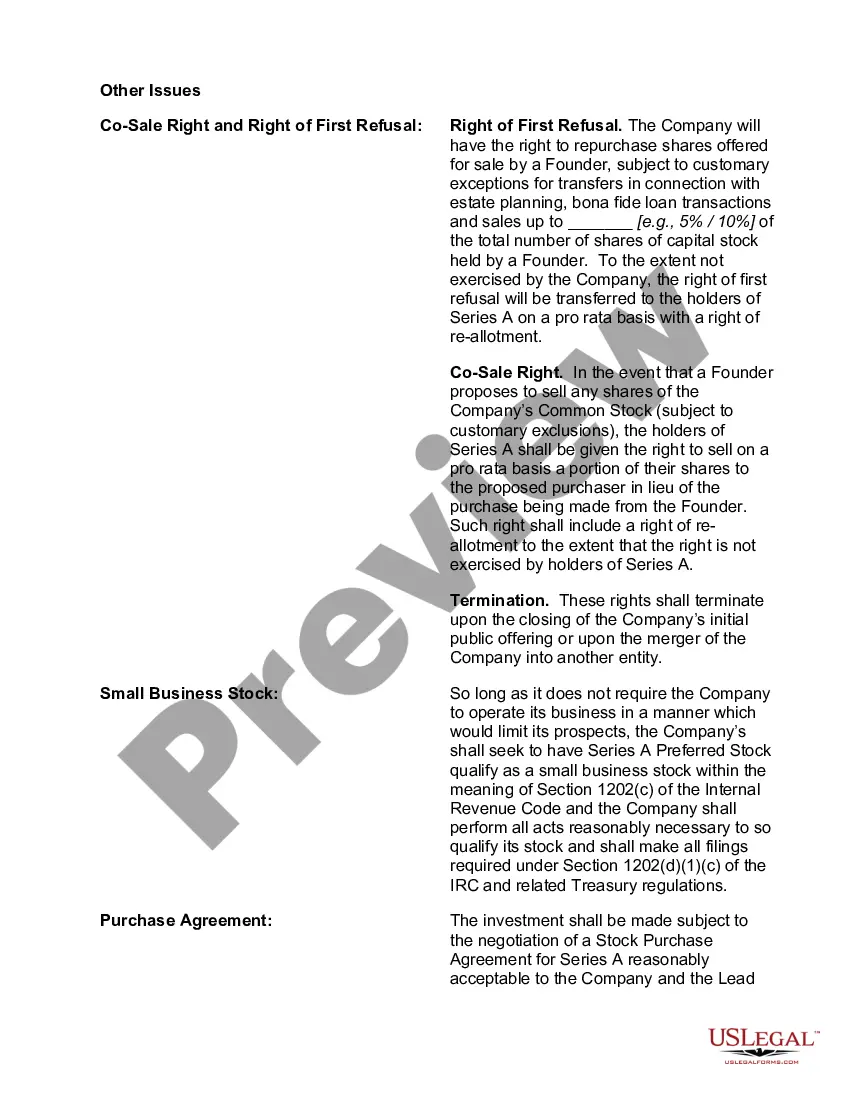
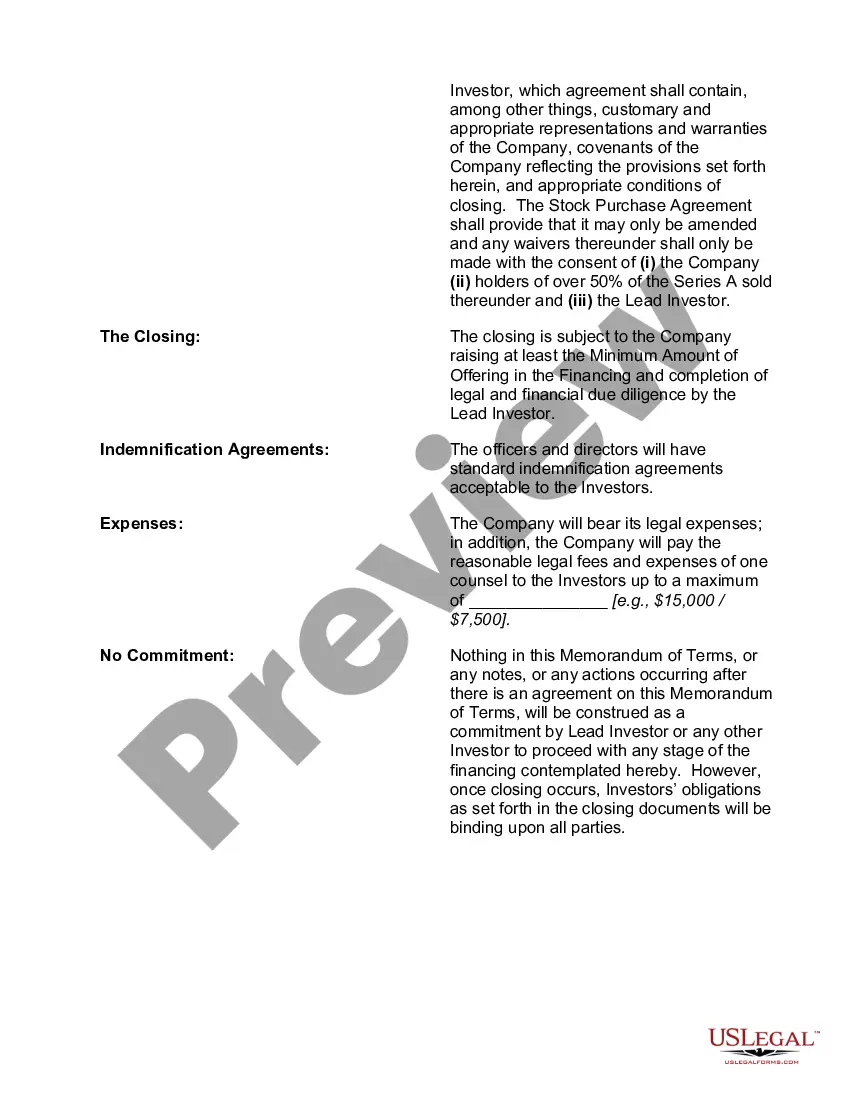
Get your form ready online
Our built-in tools help you complete, sign, share, and store your documents in one place.
Make edits, fill in missing information, and update formatting in US Legal Forms—just like you would in MS Word.
Download a copy, print it, send it by email, or mail it via USPS—whatever works best for your next step.
Sign and collect signatures with our SignNow integration. Send to multiple recipients, set reminders, and more. Go Premium to unlock E-Sign.
If this form requires notarization, complete it online through a secure video call—no need to meet a notary in person or wait for an appointment.
We protect your documents and personal data by following strict security and privacy standards.

Make edits, fill in missing information, and update formatting in US Legal Forms—just like you would in MS Word.

Download a copy, print it, send it by email, or mail it via USPS—whatever works best for your next step.

Sign and collect signatures with our SignNow integration. Send to multiple recipients, set reminders, and more. Go Premium to unlock E-Sign.

If this form requires notarization, complete it online through a secure video call—no need to meet a notary in person or wait for an appointment.

We protect your documents and personal data by following strict security and privacy standards.
Looking for another form?


Form popularity
FAQ
How to Draft an Investor Agreement Step-by-Step Preliminary Considerations. Define the Terms of the Investment. Outline Rights and Obligations. Include Key Provisions. Draft Protective Clauses for Both Parties. Finalize the Agreement.
You can expect a best-case fundraising process to be done in a month, and a more regular process to take 2-3 months. If you're raising for 4+ months, perhaps take some time to reassess.
An angel round is a form of early-stage financing where startups receive capital from angel investors. These investors are often wealthy individuals who provide funds in exchange for equity in the company. The amount invested during an angel round typically ranges from $25,000 to $1 million.
Typically, an angel investment deal is typically composed of two key elements: an investment in equity, and a convertible note. Each of these components has distinct characteristics and implications for both the investor and the entrepreneur.
It's typically between around 10% and 25% but it can be as much as 40% or more. Angel investment is most suitable if your business has growth potential, and you're willing to give up part ownership in return for investment.
How to Raise an Angel Round Figure Out Who Has Money AND Who Believes In YOU. Put together a DECENT pitch deck… not a business plan. Take Care Of Corporate Formalities. Know Fundraising Structures. The First Check Is The Most Important. Scarcity Creates Supply.
THE FIRST REQUIREMENT FOR BEING AN ANGEL INVESTOR IS YOU HAVE TO BE AN ACCREDITED INVESTOR. The Securities and Exchange Commission (SEC) first developed these accredited investor rules back in 1933 to protect potential investors.
Angel investment tax credit. “(a) Allowance of credit. —There shall be allowed as a credit against the tax imposed by this chapter for the taxable year an amount equal to 25 percent of the qualified equity investments made by a qualified investor during the taxable year.
Angel investors typically seek a 10%-30% equity stake in a company. This percentage is negotiated based on your startup's valuation, the funding amount and the perceived risk. It's essential to strike a balance that reflects your company's current value and future potential.
The program provides a taxpayer investor a credit of 20% of the qualifying investment, or 30% if the business is located in a gateway municipality, in a business that has no more than $500,000 in gross revenues in the year prior to eligibility.
