Angel Investment Form With Two Points In Palm Beach
Description

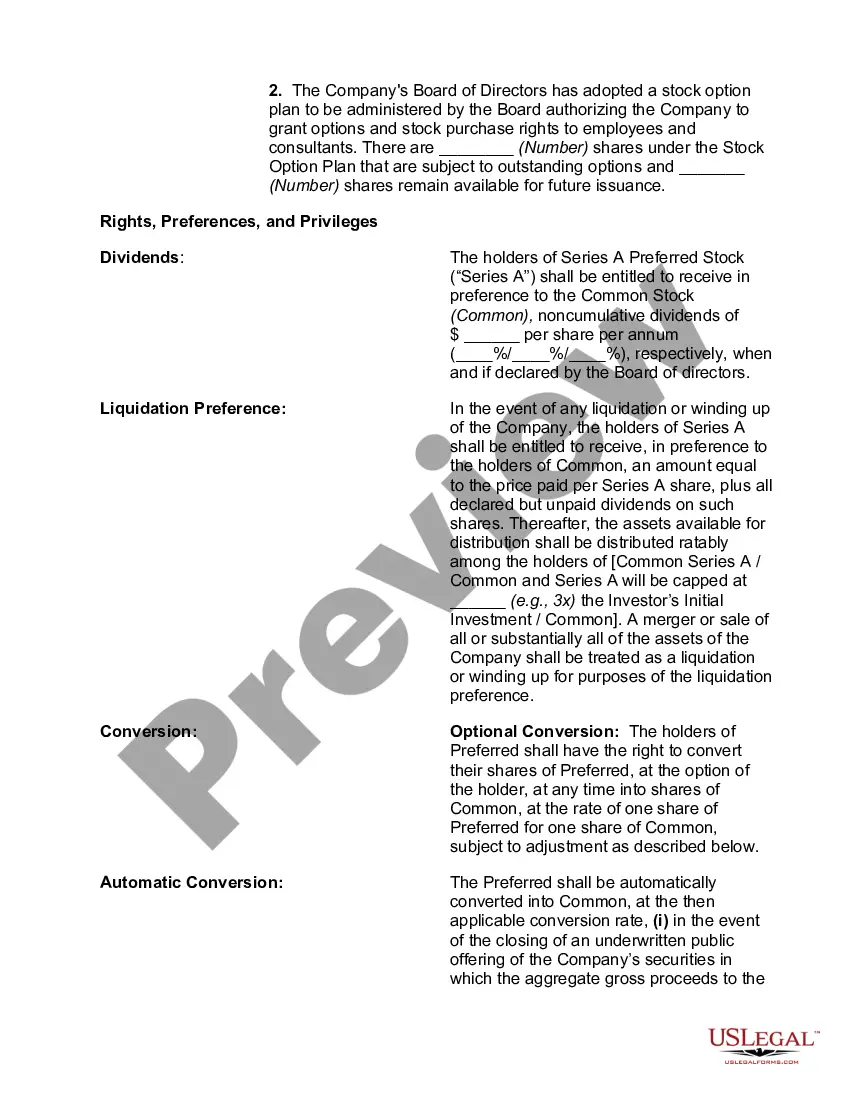
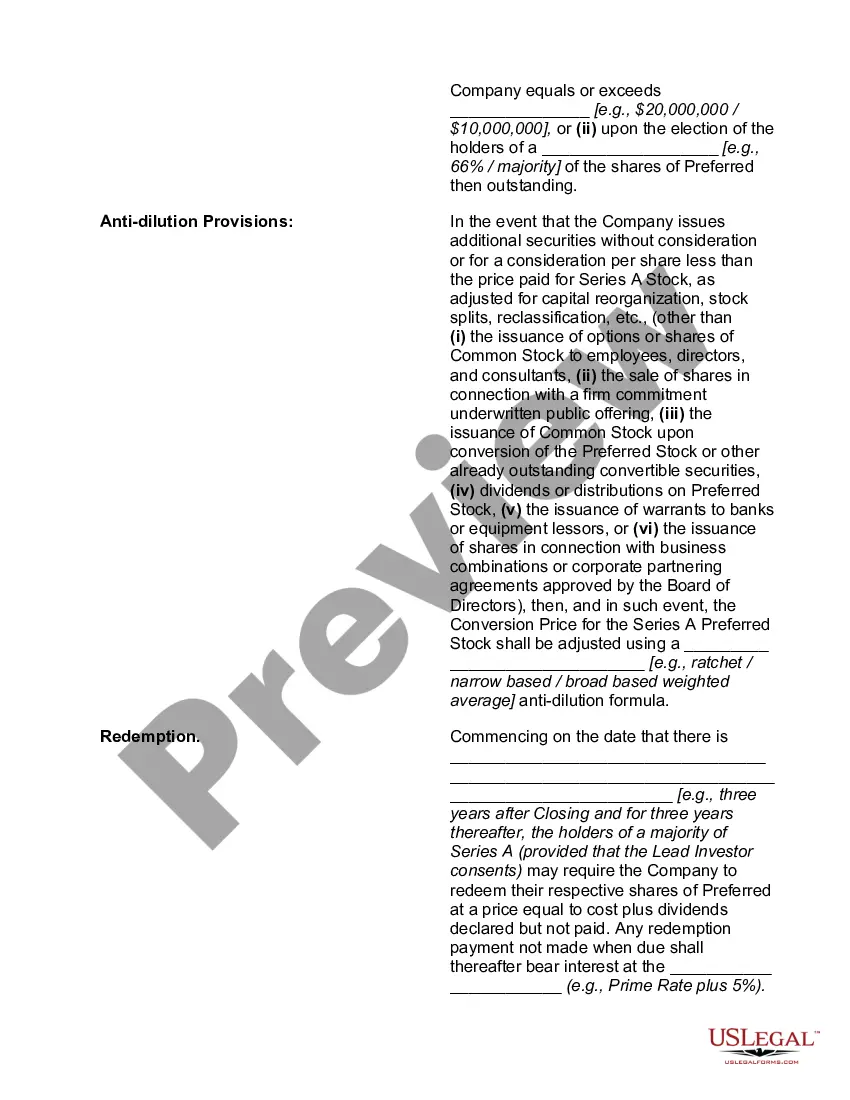
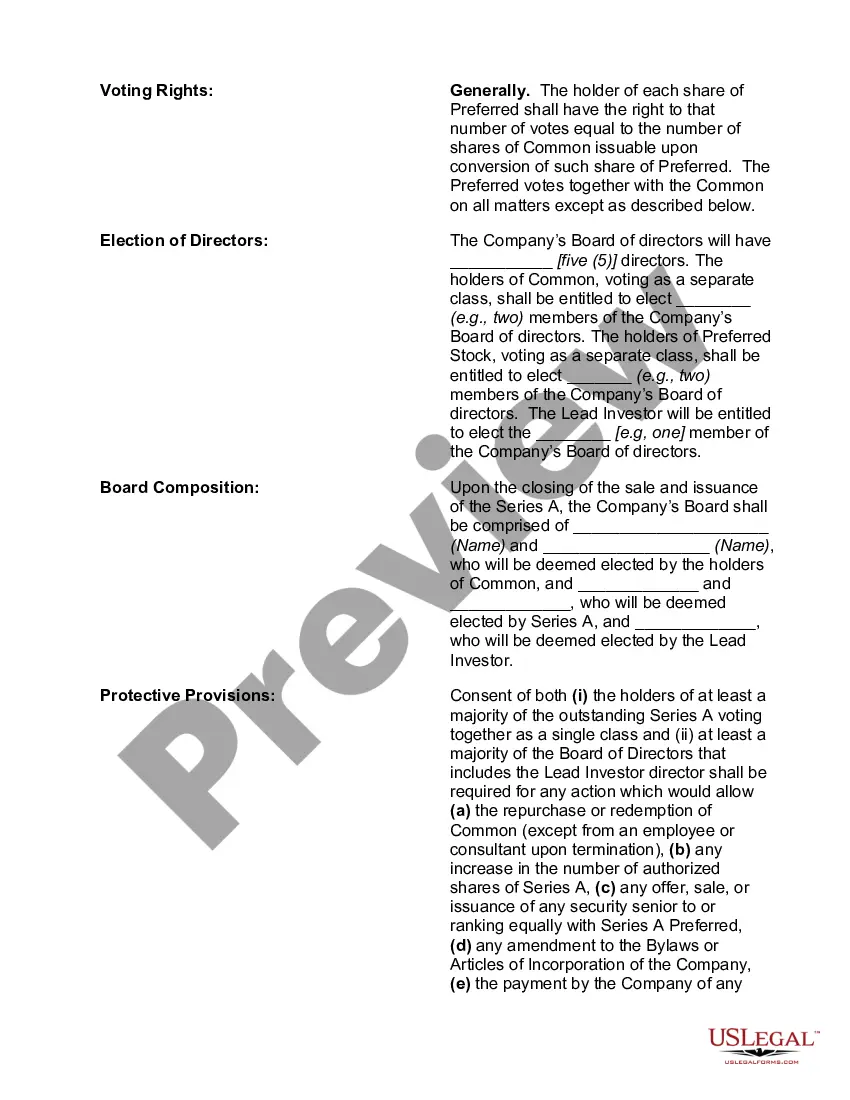
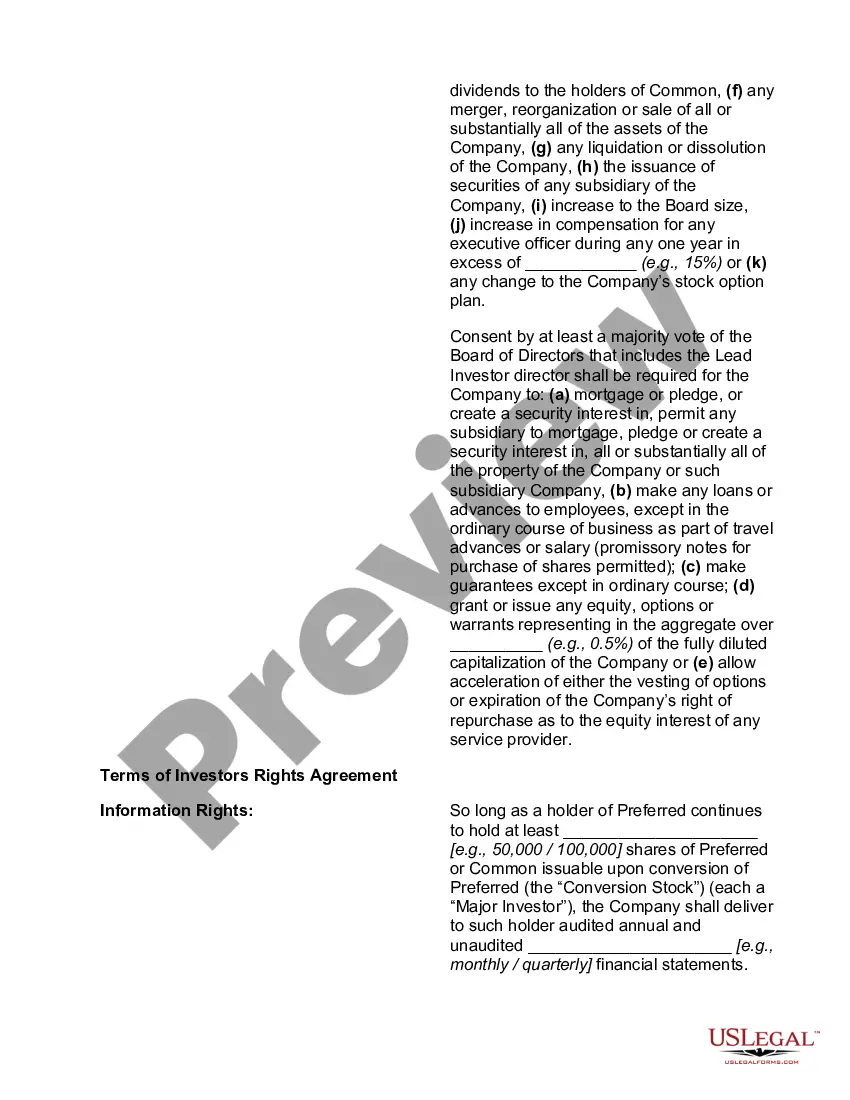
Get your form ready online
Our built-in tools help you complete, sign, share, and store your documents in one place.
Make edits, fill in missing information, and update formatting in US Legal Forms—just like you would in MS Word.
Download a copy, print it, send it by email, or mail it via USPS—whatever works best for your next step.
Sign and collect signatures with our SignNow integration. Send to multiple recipients, set reminders, and more. Go Premium to unlock E-Sign.
If this form requires notarization, complete it online through a secure video call—no need to meet a notary in person or wait for an appointment.
We protect your documents and personal data by following strict security and privacy standards.

Make edits, fill in missing information, and update formatting in US Legal Forms—just like you would in MS Word.

Download a copy, print it, send it by email, or mail it via USPS—whatever works best for your next step.

Sign and collect signatures with our SignNow integration. Send to multiple recipients, set reminders, and more. Go Premium to unlock E-Sign.

If this form requires notarization, complete it online through a secure video call—no need to meet a notary in person or wait for an appointment.

We protect your documents and personal data by following strict security and privacy standards.
Looking for another form?





Form popularity
FAQ
The amount invested during an angel round typically ranges from $25,000 to $1 million. This funding is crucial for startups as it helps them move from the idea phase to a stage where they can develop their products or services, build a team, and start generating revenue.
Return on their investment The exact rate of return they expect will depend very much on the angel, the nature of the industry and the initial size of your business. In typical cases, an angel investor is likely to expect around 30% to 40% annual return on investment over three to 10 years.
If you're thinking of starting an angel syndicate (or participating in one), read on to find out more. Step 1: Define Your Investment Focus and Strategy. Step 2: Build Your Network of Investors. Step 3: How to Structure the Syndicate. Step 4: Sourcing and Vetting Deals. Step 5: Investment Criteria and Decision-Making.
While there are no hard and fast rules, the most common ways to structure an angel investment is by taking on board a minority stake in the company, or investing in convertible debt.
It's typically between around 10% and 25% but it can be as much as 40% or more. Angel investment is most suitable if your business has growth potential, and you're willing to give up part ownership in return for investment.
To qualify as an accredited investor based on income, an individual must have earned at least $200k, or have a joint income with a spouse exceeding $300k, in each case, for each of the past two years, with a reasonable expectation of the same income level in the current year.
What percentage do angel investors take? The percentage of ownership that angel investors typically take in a company can vary, but typically it is between 10-20%.
Generally, angel investors aim for a return of 20% to 30% per year on their investments. This target reflects the high risk associated with investing in early-stage startups, many of which may fail.
It's typically between around 10% and 25% but it can be as much as 40% or more. Angel investment is most suitable if your business has growth potential, and you're willing to give up part ownership in return for investment.
