Partnering Angel Investor For Cafe In Cook
Description

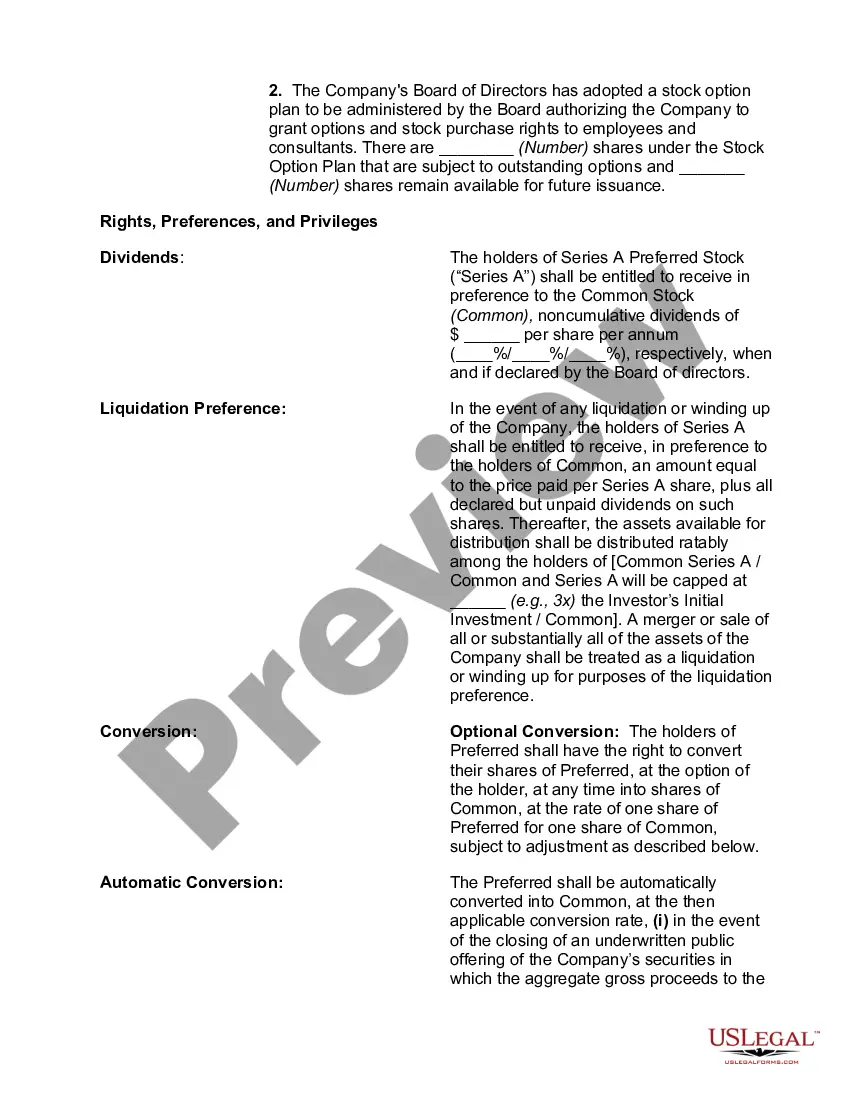
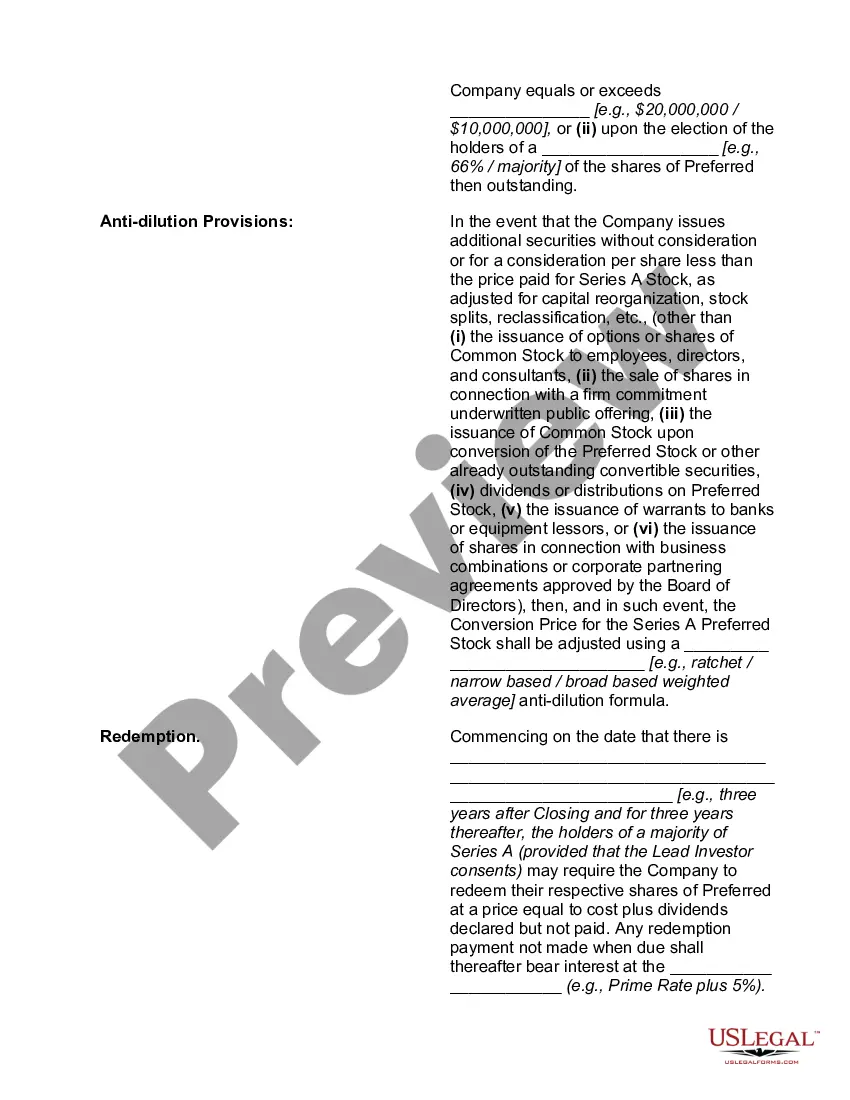
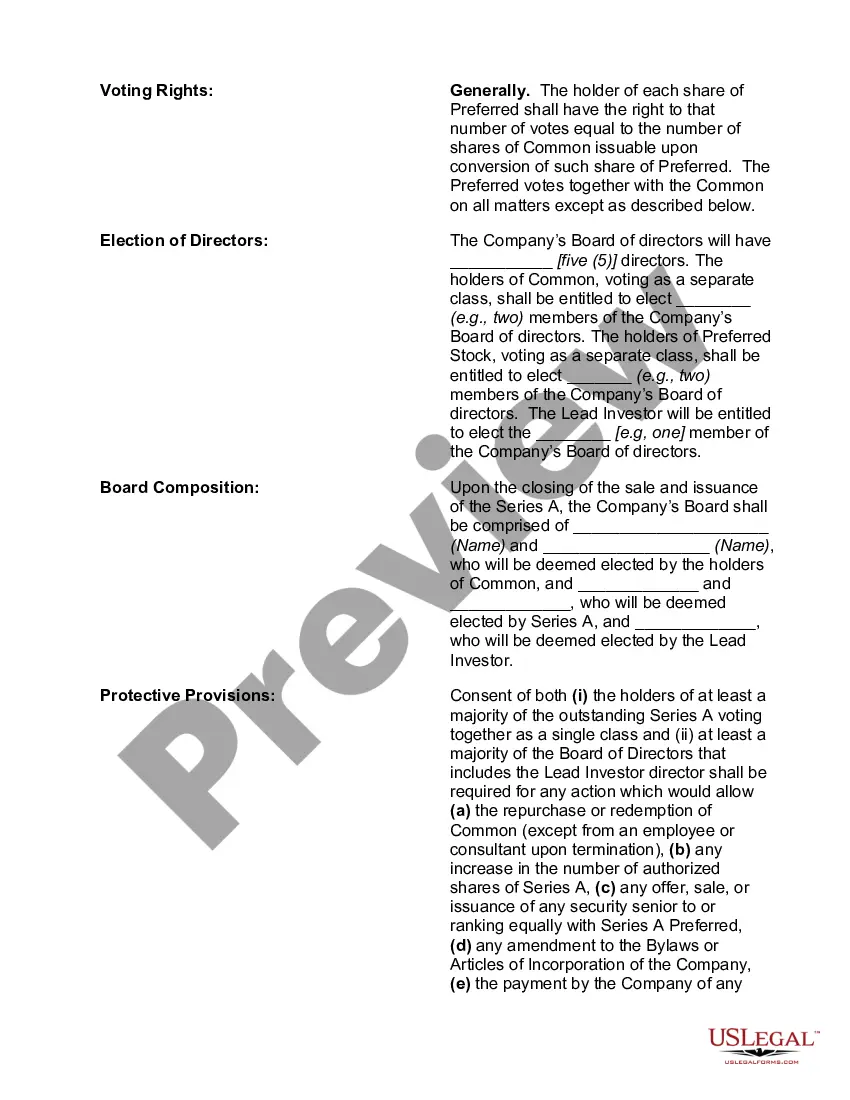
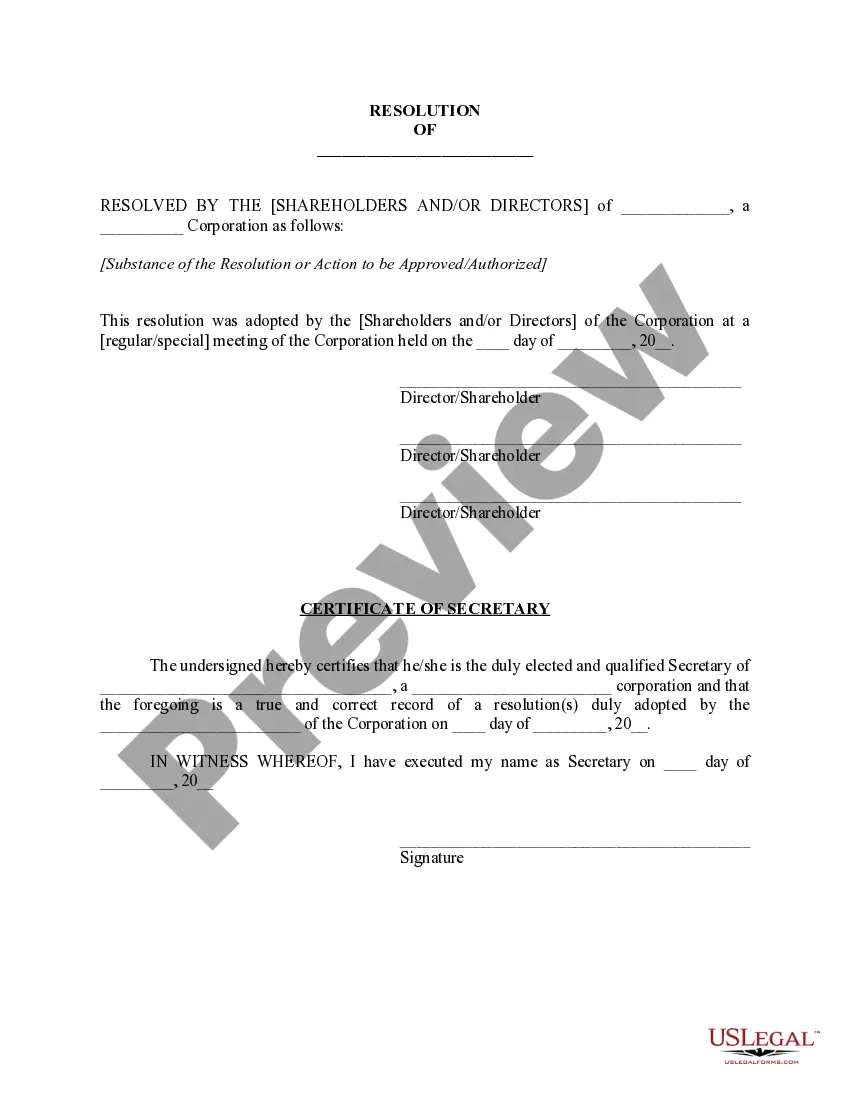
Get your form ready online
Our built-in tools help you complete, sign, share, and store your documents in one place.
Make edits, fill in missing information, and update formatting in US Legal Forms—just like you would in MS Word.
Download a copy, print it, send it by email, or mail it via USPS—whatever works best for your next step.
Sign and collect signatures with our SignNow integration. Send to multiple recipients, set reminders, and more. Go Premium to unlock E-Sign.
If this form requires notarization, complete it online through a secure video call—no need to meet a notary in person or wait for an appointment.
We protect your documents and personal data by following strict security and privacy standards.

Make edits, fill in missing information, and update formatting in US Legal Forms—just like you would in MS Word.

Download a copy, print it, send it by email, or mail it via USPS—whatever works best for your next step.

Sign and collect signatures with our SignNow integration. Send to multiple recipients, set reminders, and more. Go Premium to unlock E-Sign.

If this form requires notarization, complete it online through a secure video call—no need to meet a notary in person or wait for an appointment.

We protect your documents and personal data by following strict security and privacy standards.
Looking for another form?



Form popularity
FAQ
There are pros and cons to working with restaurant investors, so it's crucial to weigh both before making a decision. Get Active in the Food & Beverage Community. Create a Compelling Pitch Deck. Write a Business Plan. Leverage Your Personal Network. Work With an Incubator. Engage a Social Media Following. Run a Pop-up.
Often, investors are found through referrals and personal connections. Online Platforms: Consider using online platforms like AngelList, Gust, or crowdfunding sites such as Kickstarter or Indiegogo. These platforms can help you connect with potential investors who are interested in startups.
Investors, particularly those interested in the restaurant industry, typically need answers to the following questions: What is the concept of the restaurant and what makes it unique? What is the projected financial performance of the restaurant? Who is the target market and what is the marketing strategy?
Understanding the financial health of a restaurant is crucial for any investor. This includes information about the restaurant's revenue, profit margins, operating costs, and debt levels.
The general role of a restaurant investor is to provide financial support and guidance to a restaurant business in exchange for a percentage of ownership or a share of the profits.
There are no formal qualifications or educational requirements for becoming a restaurant owner. However, it does help to have training or experience in topics such as finance, business, restaurant marketing or the culinary arts.
A lot of advisors would argue that for those starting out, the general guiding principle is that you should think about giving away somewhere between 10-20% of equity.
There are pros and cons to working with restaurant investors, so it's crucial to weigh both before making a decision. Get Active in the Food & Beverage Community. Create a Compelling Pitch Deck. Write a Business Plan. Leverage Your Personal Network. Work With an Incubator. Engage a Social Media Following. Run a Pop-up.