Entertainment Law Events In Alameda
Description




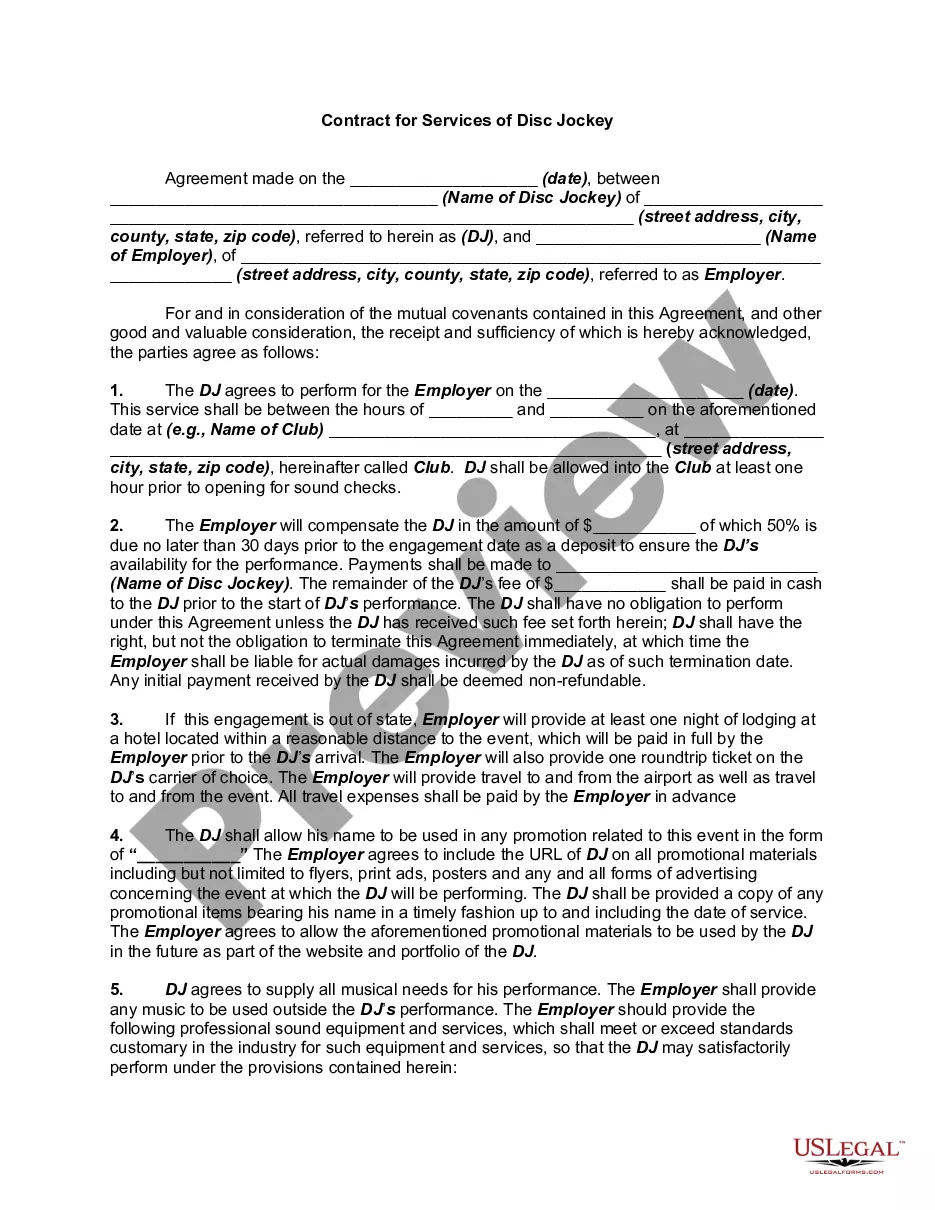

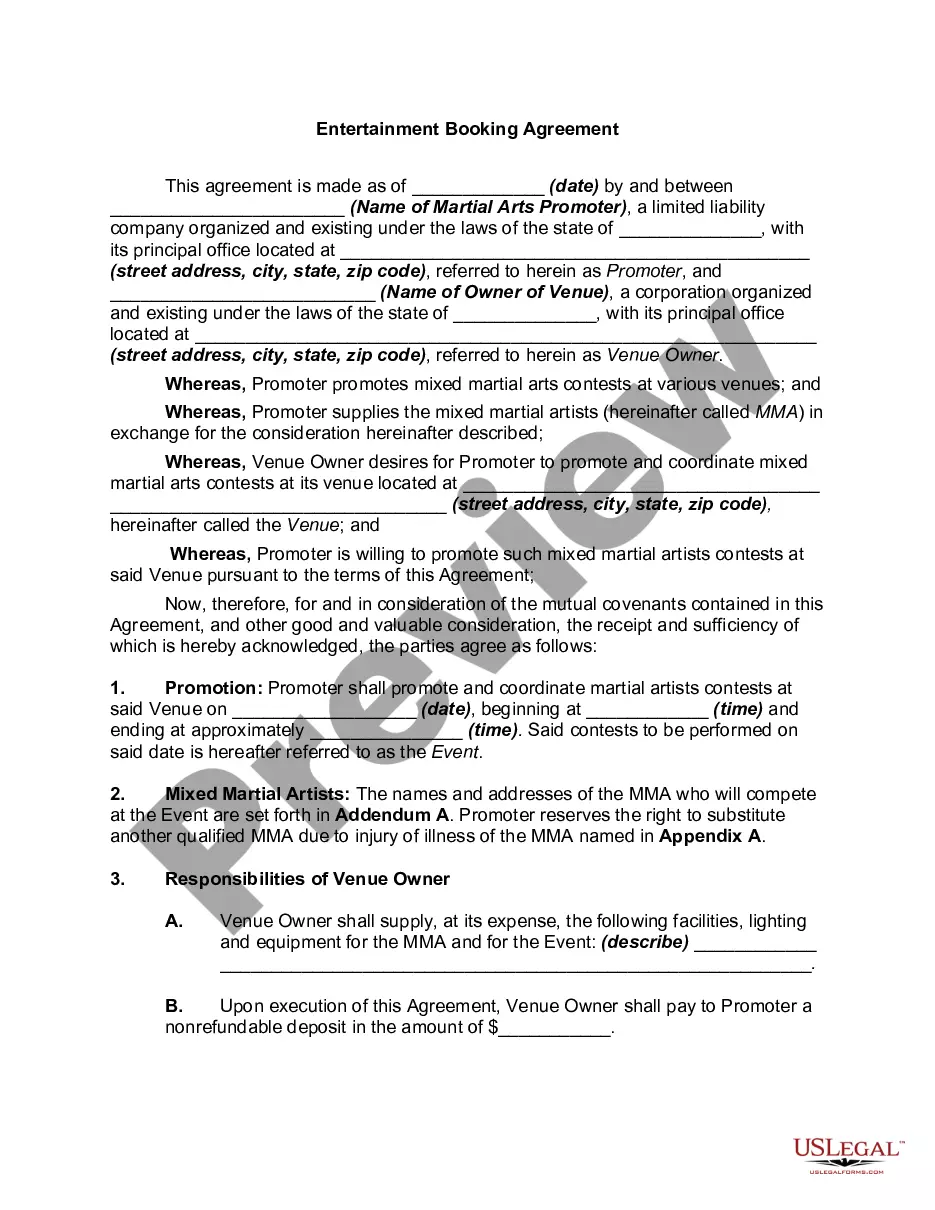
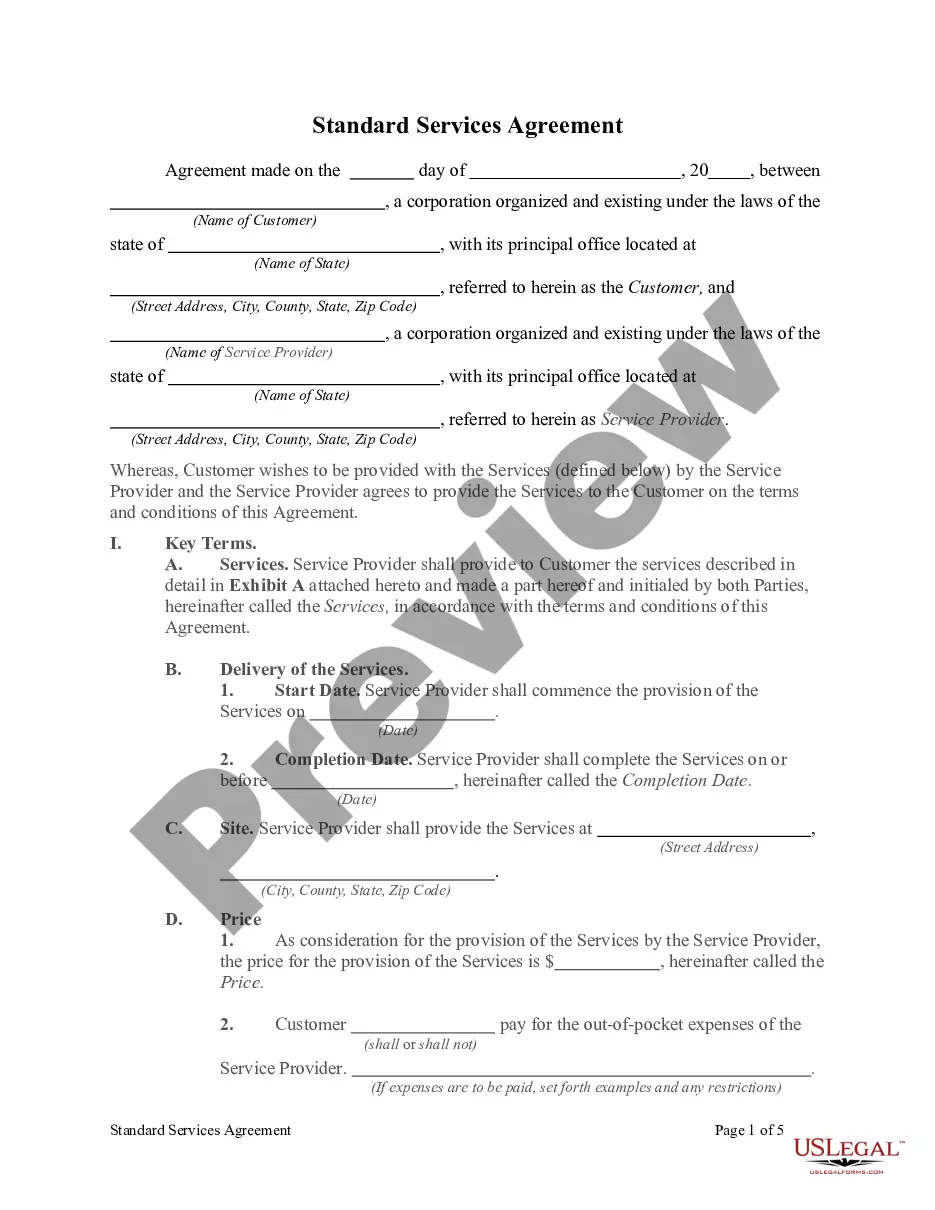
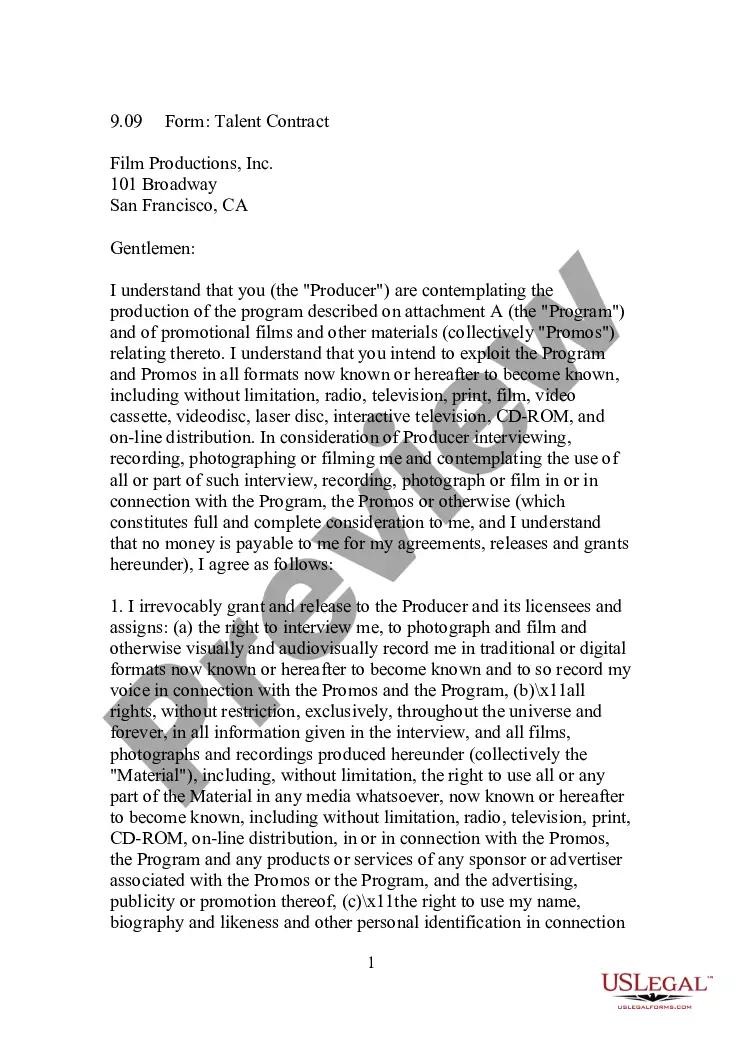
Get your form ready online
Our built-in tools help you complete, sign, share, and store your documents in one place.
Make edits, fill in missing information, and update formatting in US Legal Forms—just like you would in MS Word.
Download a copy, print it, send it by email, or mail it via USPS—whatever works best for your next step.
Sign and collect signatures with our SignNow integration. Send to multiple recipients, set reminders, and more. Go Premium to unlock E-Sign.
If this form requires notarization, complete it online through a secure video call—no need to meet a notary in person or wait for an appointment.
We protect your documents and personal data by following strict security and privacy standards.

Make edits, fill in missing information, and update formatting in US Legal Forms—just like you would in MS Word.

Download a copy, print it, send it by email, or mail it via USPS—whatever works best for your next step.

Sign and collect signatures with our SignNow integration. Send to multiple recipients, set reminders, and more. Go Premium to unlock E-Sign.

If this form requires notarization, complete it online through a secure video call—no need to meet a notary in person or wait for an appointment.

We protect your documents and personal data by following strict security and privacy standards.
Looking for another form?
Form popularity
FAQ
Take Courses in Entertainment Law In addition to taking traditional law classes, such as constitutional law, legal writing and civil procedure, you can take courses like music industry law, arts law, taxation and intellectual property law. You can finish law school in three years.
Entertainment attorneys are vital to helping you navigate the often complex legal issues within the entertainment industry. They can help you protect your intellectual property and ensure that you receive your fair share of any revenue generated from your creative works.
So, what is entertainment law? This type of law practice is a subsection of intellectual property, dealing with individuals and companies in the entertainment industry. Legal issues related to trademarks, copyrights, and rights of publicity are at the core of the entertainment law practice.
What is Entertainment Law? Intellectual Property Law. Intellectual property law is one of the most critical factors in the entertainment industry. Contract Law. Contracts are necessary for nearly every stage of the creative process. Tort Law. Right of Privacy or Publicity. What Can Entertainment Lawyers Do For Me?
They must have a Juris Doctor degree, and must also pass the bar exam before they can practice law. They often specialize in a specific field of law, such as criminal law, business law or immigration law. Entertainment lawyers focus on the entertainment industry.
UCLA School of Law has been named the No. 1 entertainment law school in America for a sixth straight year by The Hollywood Reporter. In total, 20 alumni of UCLA Law appeared on The Hollywood Reporter's 2019 lists of Power Lawyers and legends in entertainment law.
Alameda County has courts in ten different locations. Here is a rundown of the locations of each courthouse in Alameda County.
Today the 20 justices of the First Appellate District serve the residents of twelve Northern California counties: Alameda, Contra Costa, Del Norte, Humboldt, Lake, Marin, Mendocino, Napa, San Francisco, San Mateo, Solano, and Sonoma.
In every case, to present an ex parte application to the court, a party must: reserve a hearing date with the applicable department (for applications that require a hearing.) ... file the motion with the court, and. give notice of the hearing date as required by law.
In many cases, filing in small claims court is the fastest and easiest way for people to legally settle their disputes. The person suing is the plaintiff, and the person being sued is the defendant. A person cannot sue for more than $12,500 in most cases. A business or public entity cannot sue for more than $6,250.
