Alimony Foreign Spouse In Hillsborough
Description

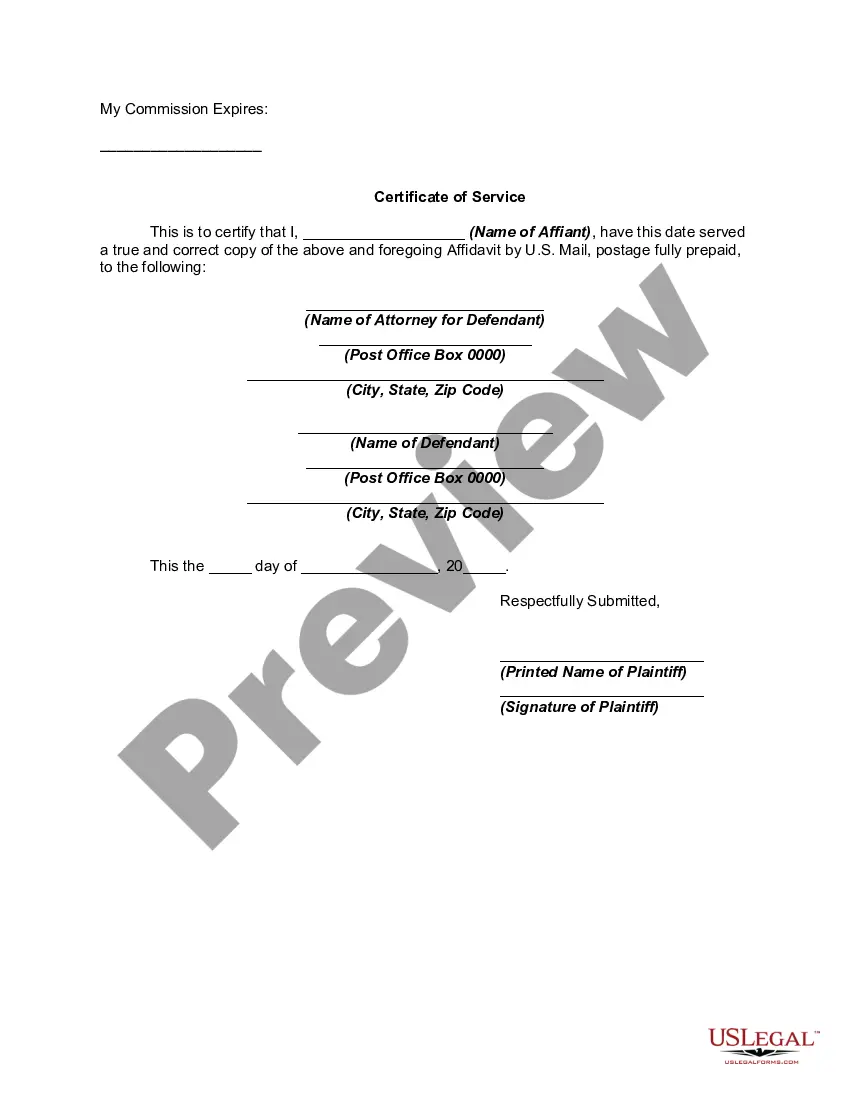




Get your form ready online
Our built-in tools help you complete, sign, share, and store your documents in one place.
Make edits, fill in missing information, and update formatting in US Legal Forms—just like you would in MS Word.
Download a copy, print it, send it by email, or mail it via USPS—whatever works best for your next step.
Sign and collect signatures with our SignNow integration. Send to multiple recipients, set reminders, and more. Go Premium to unlock E-Sign.
If this form requires notarization, complete it online through a secure video call—no need to meet a notary in person or wait for an appointment.
We protect your documents and personal data by following strict security and privacy standards.
Make edits, fill in missing information, and update formatting in US Legal Forms—just like you would in MS Word.
Download a copy, print it, send it by email, or mail it via USPS—whatever works best for your next step.
Sign and collect signatures with our SignNow integration. Send to multiple recipients, set reminders, and more. Go Premium to unlock E-Sign.
If this form requires notarization, complete it online through a secure video call—no need to meet a notary in person or wait for an appointment.
We protect your documents and personal data by following strict security and privacy standards.
Looking for another form?
Form popularity
FAQ
Generally, once a court has jurisdiction, that court will keep jurisdiction, even if you move to another state. If you have moved, you can ask the court that issued the original order to transfer the custody case to the new state that you are in.
Which parent has more rights in Florida? Florida law does not favor one parent over the other based on gender. Instead, the courts focus on the best interest of the child when determining custody and time-sharing arrangements.
The new law establishes a rebuttable presumption that equal timesharing (50/50 custody) is in the best interest of the child. Unless compelling reasons exist, courts will lean toward equal parenting time.
Countries including Australia, Canada, Germany, Mexico, and the U.K. regularly work with U.S. courts to enforce alimony orders across international borders. However, enforcing an international alimony order may take more time than enforcing a domestic one.
First, you must complete the required court form titled, “Registration of Out-of-State Custody Order” (FL-580). You must attach two copies of your out-of-state order to the FL-580 form. One of the copies must be a certified copy. The other may be a photocopy.
Regardless of which type of judgment you want to domesticate, you have to obtain a certified copy of the final judgment. Next, you and your lawyer will need to prepare a notarized affidavit and a Petition to Domesticate a Foreign Judgment. The petition will indicate the items you want to be enforced or modified.
The petition is filed with the court that entered the original alimony award. The clerk will process the petition and you will have to request a hearing for the Judge to review and consider the request. You and your ex-spouse will both need to attend the hearing.
Yes. Custody (sole responsibility in a parenting plan), visitation (time-sharing), and child support provisions that are included in an injunction can be enforced across state lines. Law enforcement and courts in another state are required by federal law to enforce these provisions.
As with marriage, divorce has zero impact on whether a person who is in the nation illegally can be removed from the country. If you are in the US illegally, getting married even to a US citizen won't grant you legal status nor does it make you eligible for legal status. With divorce your circumstances don't change.
The principal requirement for obtaining a divorce in Florida deals with residency. As long as one of the spouses has been a Florida resident for at least six months, a divorce may be granted regardless of whether the marriage took place outside or inside of the United States.
