Alimony With Child Support In Santa Clara
Description

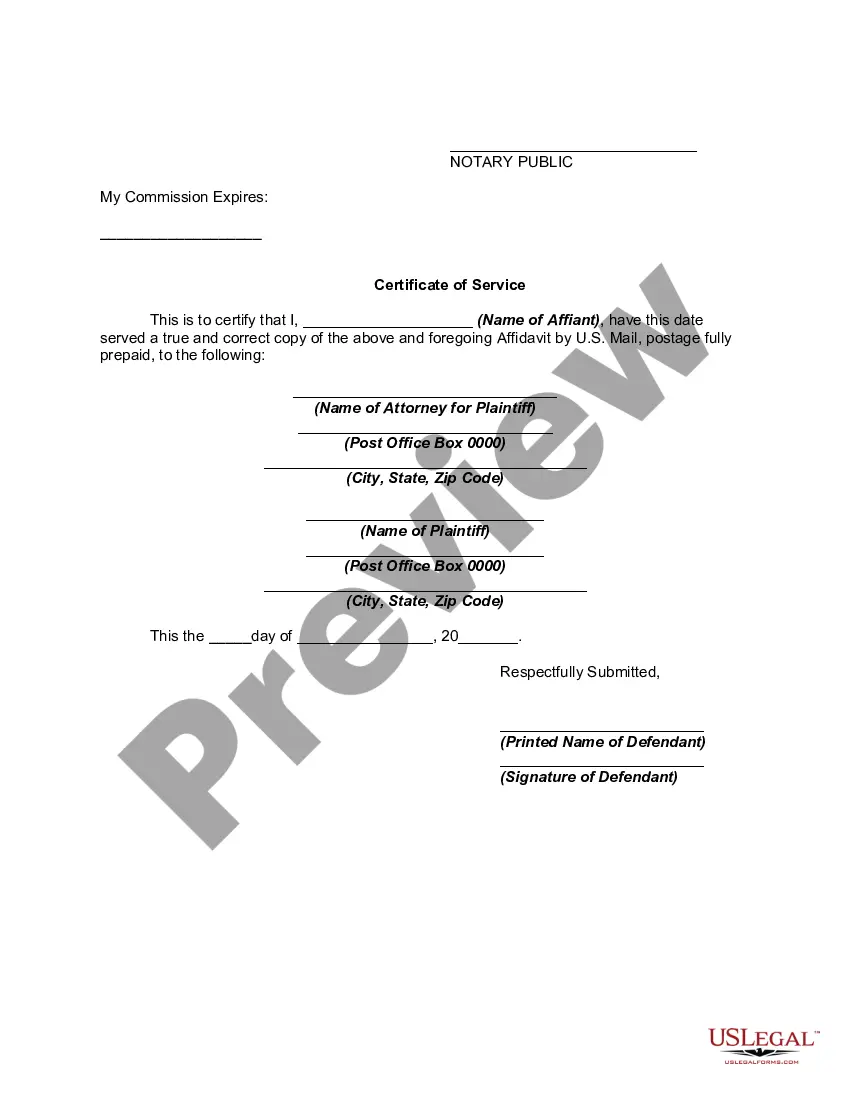




Get your form ready online
Our built-in tools help you complete, sign, share, and store your documents in one place.
Make edits, fill in missing information, and update formatting in US Legal Forms—just like you would in MS Word.
Download a copy, print it, send it by email, or mail it via USPS—whatever works best for your next step.
Sign and collect signatures with our SignNow integration. Send to multiple recipients, set reminders, and more. Go Premium to unlock E-Sign.
If this form requires notarization, complete it online through a secure video call—no need to meet a notary in person or wait for an appointment.
We protect your documents and personal data by following strict security and privacy standards.
Make edits, fill in missing information, and update formatting in US Legal Forms—just like you would in MS Word.
Download a copy, print it, send it by email, or mail it via USPS—whatever works best for your next step.
Sign and collect signatures with our SignNow integration. Send to multiple recipients, set reminders, and more. Go Premium to unlock E-Sign.
If this form requires notarization, complete it online through a secure video call—no need to meet a notary in person or wait for an appointment.
We protect your documents and personal data by following strict security and privacy standards.
Looking for another form?
Form popularity
FAQ
Misconduct: Certain behaviors can also lead to the disqualification of alimony. For instance, if a spouse is found to have engaged in financial misconduct, such as hiding assets or failing to disclose financial information during the divorce proceedings, this can result in disqualification.
Since the goal is to protect mutual standards of living, if your ex remarries or finds themselves once again in a steady double-income household, you may no longer be required to maintain or begin alimony payments.
The key factors analyzed in an alimony decision are each spouse's income, ability to earn and standards of living established during the marriage. If there is a history of violence, abuse or certain criminal convictions, however, this could bar a spouse from receiving alimony payments under California law.
The courts in many California counties use a formula as a guideline for calculating the amount of temporary spousal support. These guidelines vary, but one common formula for the monthly amount of support is 40% of the high earner's net monthly income minus 50% of the low earner's net monthly income.
The person asking for alimony must show the court that he or she needs financial support, and that the other spouse has the ability to provide financial support.
California doesn't use a "calculator" for determining the amount of long-term spousal support. Instead, judges must decide how much to award after they've considered all of the following circumstances: each spouse's needs, based on the standard of living they had during the marriage.
40% of the high earner's net monthly income minus 50% of the low earner's net monthly income. For instance, if Spouse A earns $5,000 per month and Spouse B earns $2,500 per month, temporary spousal support might be calculated as follows: 40% of $5,000 = $2,000. 50% of $2,500 = $1,250.
Each spouse's physical, emotional, and financial condition: If one spouse is in poor health or has a low income, they are more likely to receive alimony payments. Conversely, if one spouse is in good health and has a high income, they are less likely to receive alimony payments.
A wife in California can be entitled to up to half of the assets in the marriage along with up to 40% of their partner's income for child support, spousal support, and primary child custody.
