Child Support Alimony Calculator For Florida In Phoenix
Description

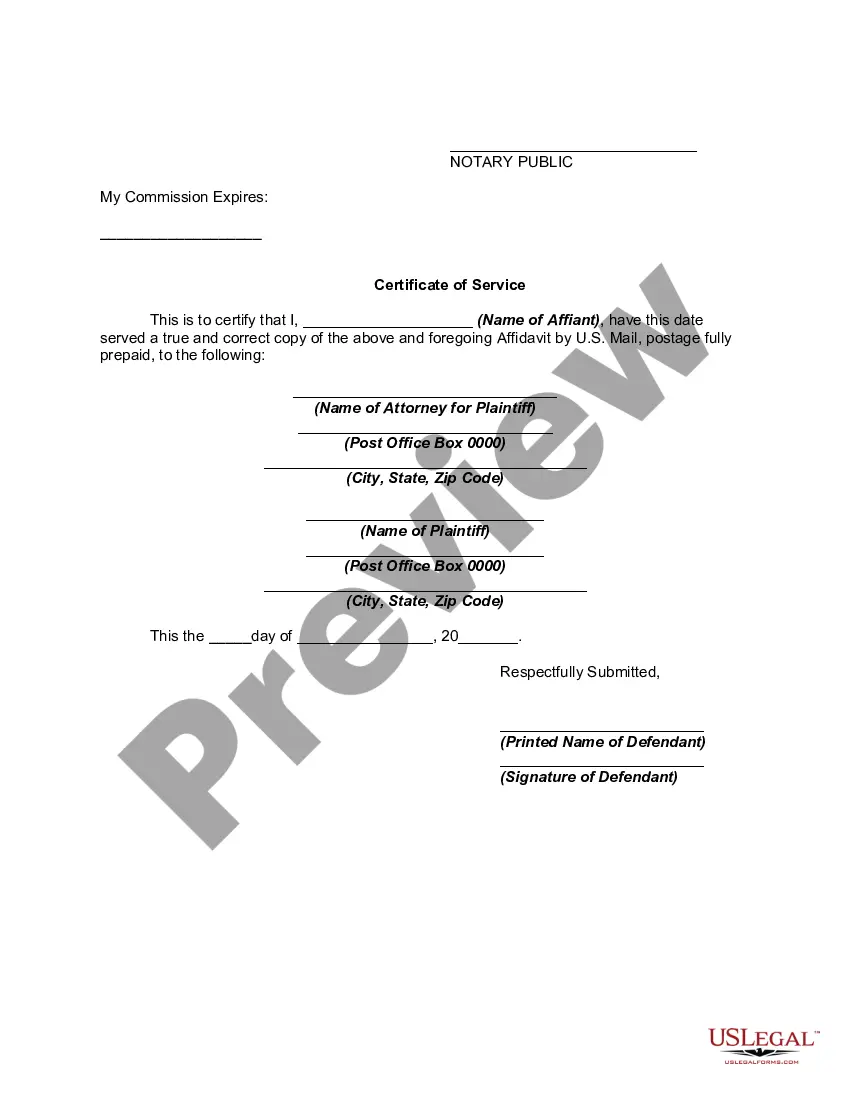




Get your form ready online
Our built-in tools help you complete, sign, share, and store your documents in one place.
Make edits, fill in missing information, and update formatting in US Legal Forms—just like you would in MS Word.
Download a copy, print it, send it by email, or mail it via USPS—whatever works best for your next step.
Sign and collect signatures with our SignNow integration. Send to multiple recipients, set reminders, and more. Go Premium to unlock E-Sign.
If this form requires notarization, complete it online through a secure video call—no need to meet a notary in person or wait for an appointment.
We protect your documents and personal data by following strict security and privacy standards.

Make edits, fill in missing information, and update formatting in US Legal Forms—just like you would in MS Word.

Download a copy, print it, send it by email, or mail it via USPS—whatever works best for your next step.

Sign and collect signatures with our SignNow integration. Send to multiple recipients, set reminders, and more. Go Premium to unlock E-Sign.

If this form requires notarization, complete it online through a secure video call—no need to meet a notary in person or wait for an appointment.

We protect your documents and personal data by following strict security and privacy standards.
Looking for another form?





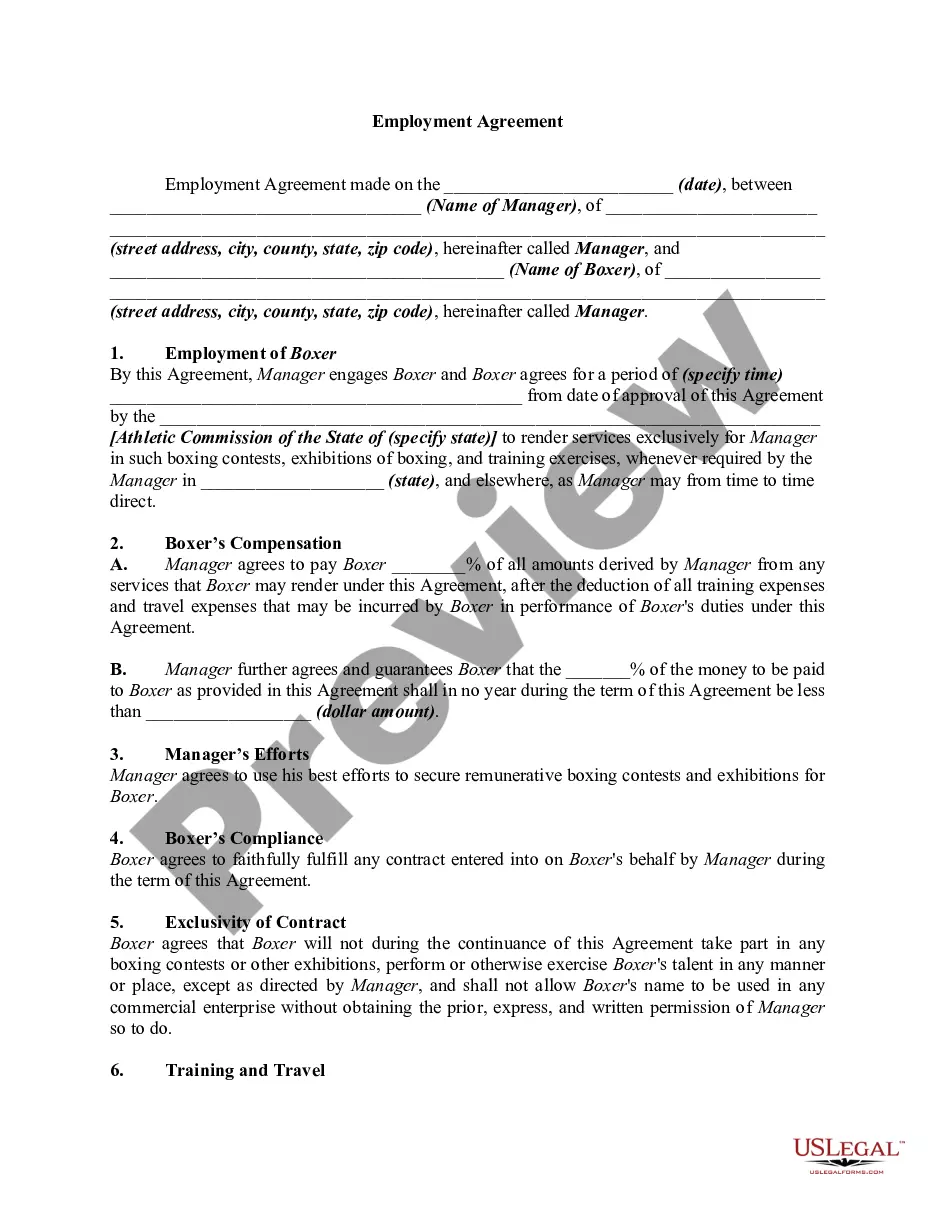
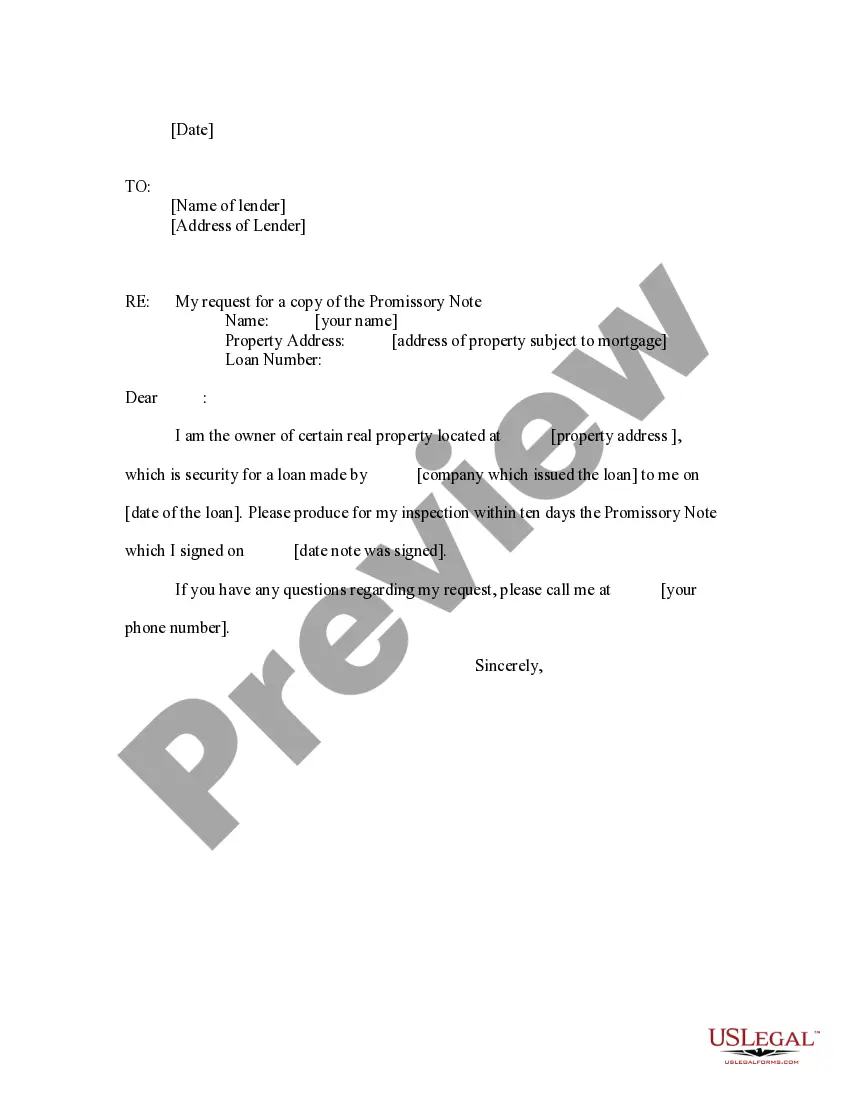
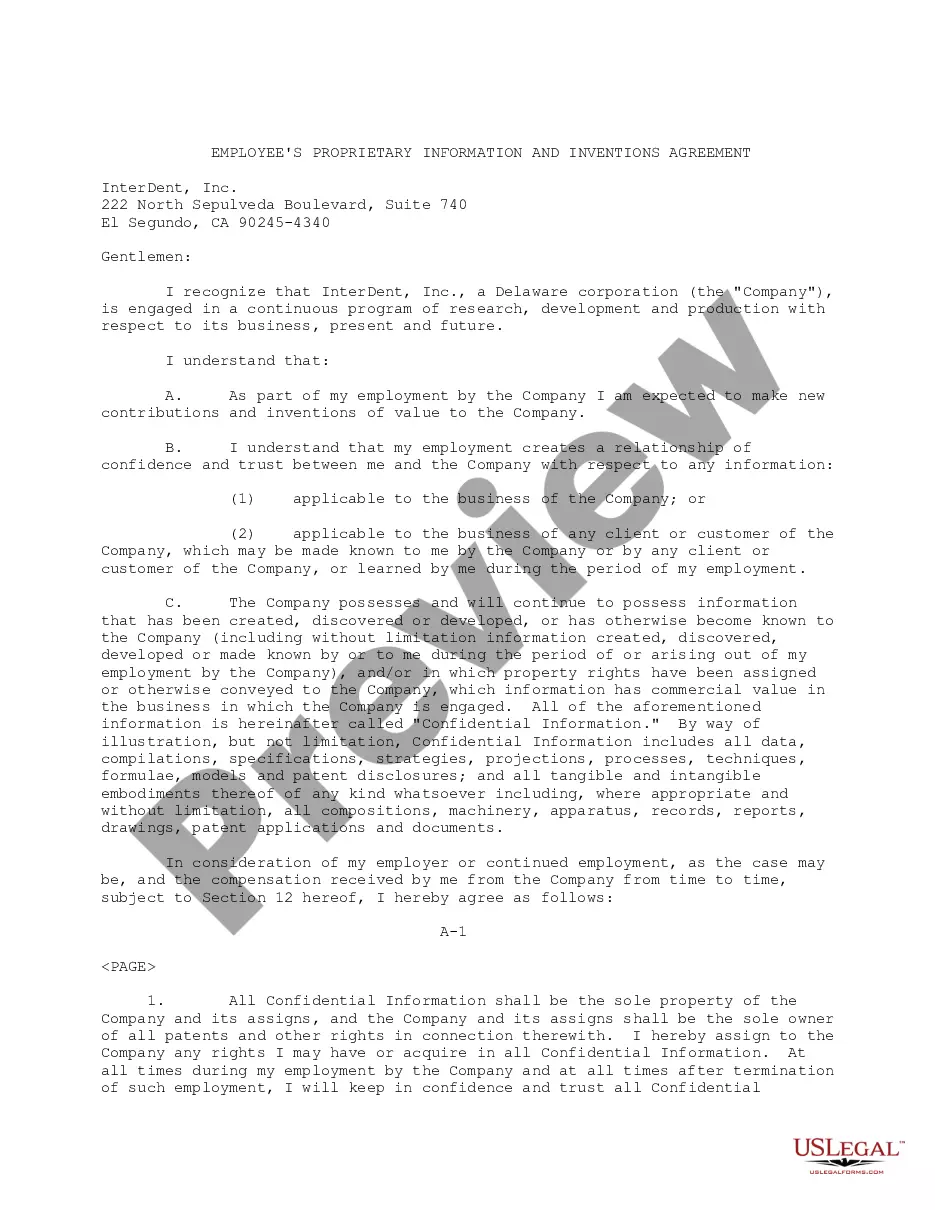
Form popularity
FAQ
Employment income (including salary, overtime wages, tips, commissions, and bonuses) Unemployment compensation. Disability benefits. Business income.
AMOUNT OF DURATIONAL ALIMONY UNDER AMENDED FLORIDA LAW The amount of durational alimony is the lesser of the seeking spouse's actual need and 35 percent of the difference between both spouses' net income. Net income is determined under 61.30(2) and (3), Florida Statutes.
(1)(a) In a proceeding for dissolution of marriage, the court may grant alimony to either party in the form or forms of temporary, bridge-the-gap, rehabilitative, or durational alimony, as is equitable. In an award of alimony, the court may order periodic or lump sum payments.
For agreements signed before 2019, the recipient must report alimony on their tax returns as income, and the payer can deduct payments on their taxes. However, a new law applicable to divorces finalized on or after Jan. 1, 2019, no longer treats alimony as income, meaning the payer can no longer deduct it.
40% of the high earner's net monthly income minus 50% of the low earner's net monthly income. For instance, if Spouse A earns $5,000 per month and Spouse B earns $2,500 per month, temporary spousal support might be calculated as follows: 40% of $5,000 = $2,000. 50% of $2,500 = $1,250.
What qualifies a recipient spouse for alimony in Florida are several factors, among them: The standard of living established during the marriage. The length of the marriage. Both spouse's financial resources, including the non-marital, marital property, assets, and liabilities.
If the marriage lasted at least 17 years, permanent alimony is appropriate if certain factors (discussed below) are present.
In Florida, self-sufficiency can disqualify you from receiving spousal support or alimony in Florida. If the court determines that you have the financial means or can gain employment to meet your needs of independently, you may not be eligible for alimony.
