Spousal Support Calculator In Bc In Nevada
Description





Get your form ready online
Our built-in tools help you complete, sign, share, and store your documents in one place.
Make edits, fill in missing information, and update formatting in US Legal Forms—just like you would in MS Word.
Download a copy, print it, send it by email, or mail it via USPS—whatever works best for your next step.
Sign and collect signatures with our SignNow integration. Send to multiple recipients, set reminders, and more. Go Premium to unlock E-Sign.
If this form requires notarization, complete it online through a secure video call—no need to meet a notary in person or wait for an appointment.
We protect your documents and personal data by following strict security and privacy standards.

Make edits, fill in missing information, and update formatting in US Legal Forms—just like you would in MS Word.

Download a copy, print it, send it by email, or mail it via USPS—whatever works best for your next step.

Sign and collect signatures with our SignNow integration. Send to multiple recipients, set reminders, and more. Go Premium to unlock E-Sign.

If this form requires notarization, complete it online through a secure video call—no need to meet a notary in person or wait for an appointment.

We protect your documents and personal data by following strict security and privacy standards.
Looking for another form?

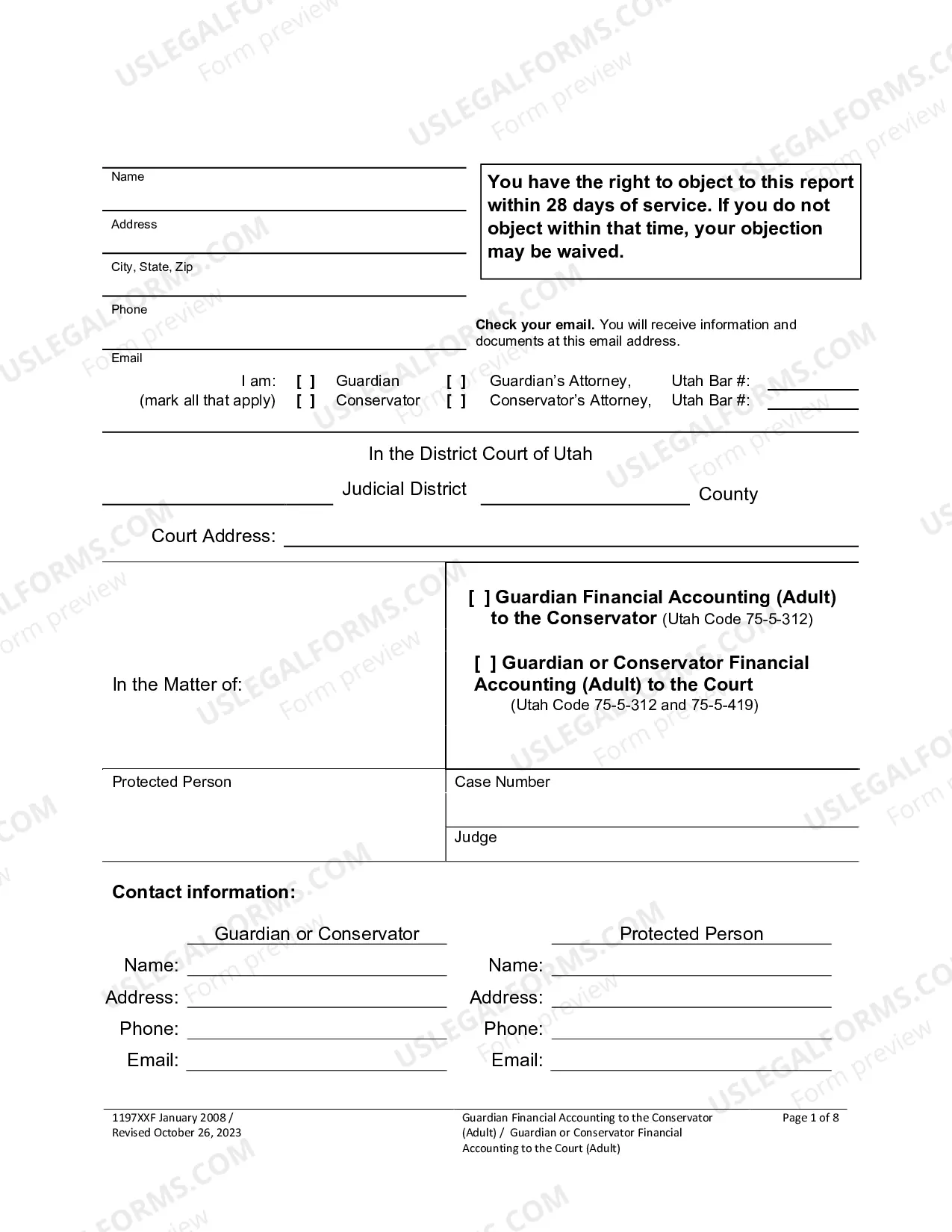
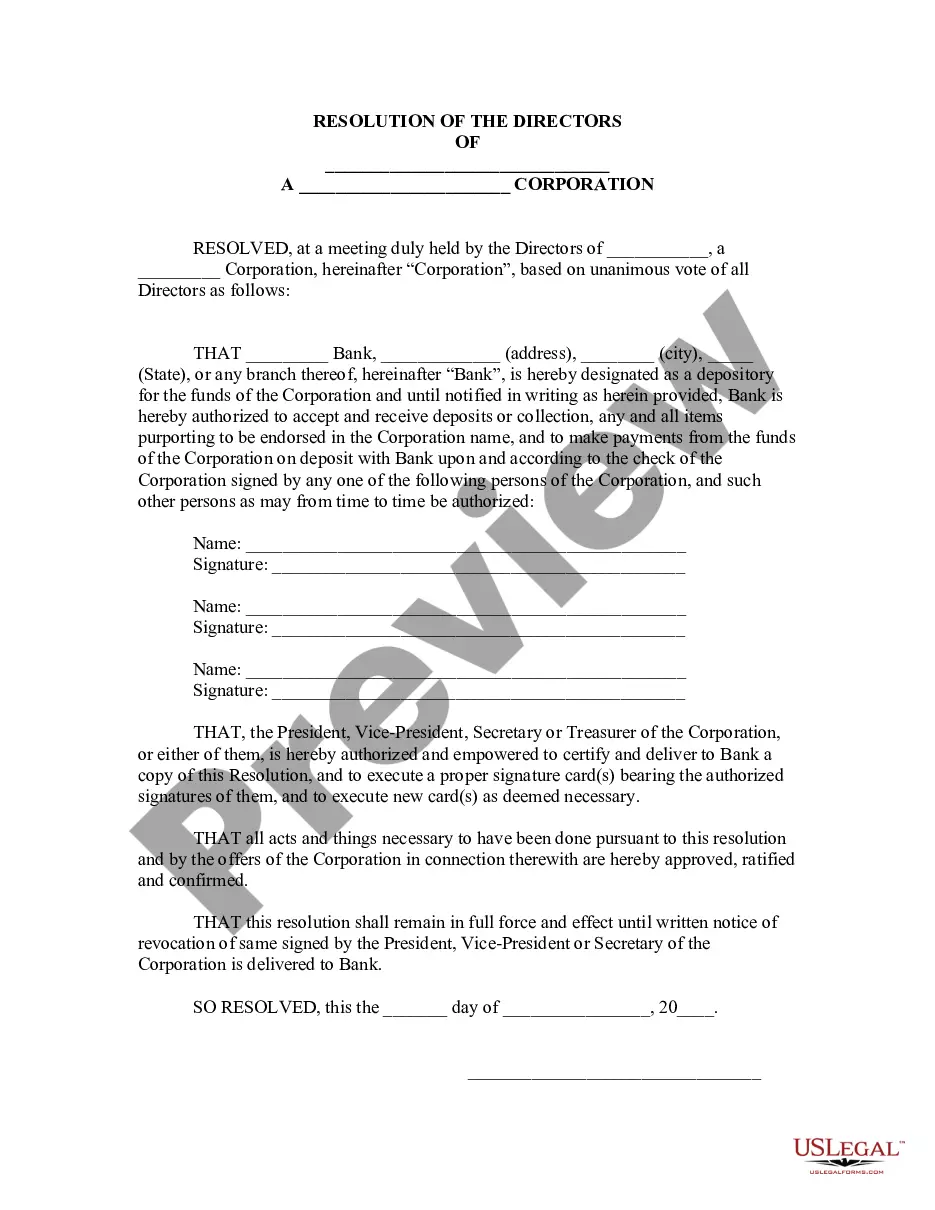
Form popularity
FAQ
40% of the high earner's net monthly income minus 50% of the low earner's net monthly income. For instance, if Spouse A earns $5,000 per month and Spouse B earns $2,500 per month, temporary spousal support might be calculated as follows: 40% of $5,000 = $2,000. 50% of $2,500 = $1,250.
The formula is simple: Divide the Wife's annual amount by the interest rate: $100,000 divided by . 10 = $1 million. The formula is known as the present value of a perpetuity because it continues in perpetuity.
The spousal support amount ranges from 1.5 to 2 percent of the difference between the spouses' gross incomes for each year of the relationship up to a maximum of 50 percent. For marriages of 25 years or longer, the range is from 37.5 to 50 percent of the income difference, practically equalizing the incomes.
40% of the high earner's net monthly income minus 50% of the low earner's net monthly income. For instance, if Spouse A earns $5,000 per month and Spouse B earns $2,500 per month, temporary spousal support might be calculated as follows: 40% of $5,000 = $2,000. 50% of $2,500 = $1,250.
It depends. If used by an experienced family law attorney who knows what they are doing, it may provide a range of potential numbers. But this requires program tweaking—something that online California alimony calculators generally cannot do.
How is alimony calculated in Nevada? Alimony calculations in Nevada are based on multiple factors, including the length of the marriage, each spouse's income, earning potential, financial needs, and the standard of living during the marriage.
Note that alimony can be temporary or permanent. Temporary alimony typically lasts for a couple of years and is meant to help the receiving spouse transition out of the divorce. Permanent alimony is usually awarded after a long-term marriage where the receiving spouse may be retired or unable to work.
Nevada alimony law does not specify how long a couple must have been married in order for a spouse to receive alimony payments upon divorce. Instead, this is left up to the judge's discretion. In most cases if the couple has been married for less than 3 years, it's unlikely that alimony will be awarded.
Spousal support payments in Nevada normally cease upon the death of either person. Depending on the case, the paying spouse may assume custody of any minor children unless the court orders otherwise. You must disclose your income, expenses, and deductions to the court in a Financial Disclosure Form.
