Alimony Calculator In Virginia
Description





Get your form ready online
Our built-in tools help you complete, sign, share, and store your documents in one place.
Make edits, fill in missing information, and update formatting in US Legal Forms—just like you would in MS Word.
Download a copy, print it, send it by email, or mail it via USPS—whatever works best for your next step.
Sign and collect signatures with our SignNow integration. Send to multiple recipients, set reminders, and more. Go Premium to unlock E-Sign.
If this form requires notarization, complete it online through a secure video call—no need to meet a notary in person or wait for an appointment.
We protect your documents and personal data by following strict security and privacy standards.

Make edits, fill in missing information, and update formatting in US Legal Forms—just like you would in MS Word.

Download a copy, print it, send it by email, or mail it via USPS—whatever works best for your next step.

Sign and collect signatures with our SignNow integration. Send to multiple recipients, set reminders, and more. Go Premium to unlock E-Sign.

If this form requires notarization, complete it online through a secure video call—no need to meet a notary in person or wait for an appointment.

We protect your documents and personal data by following strict security and privacy standards.
Looking for another form?
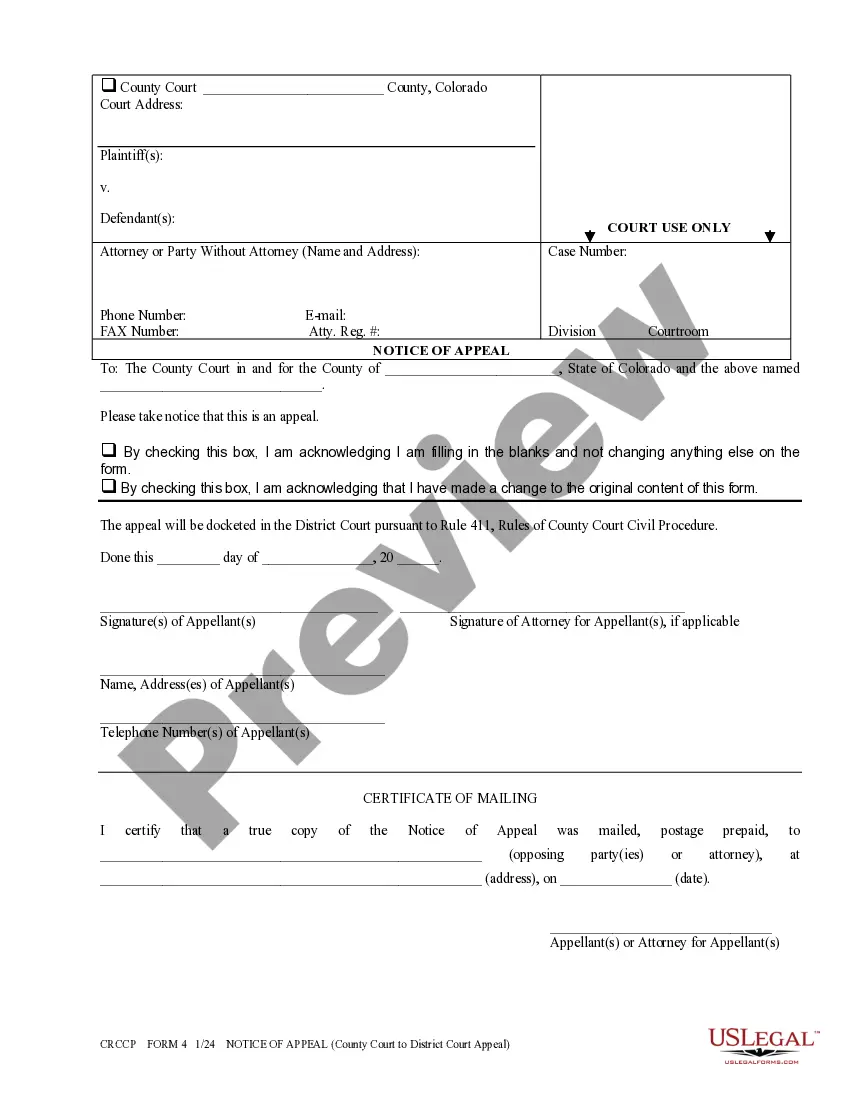
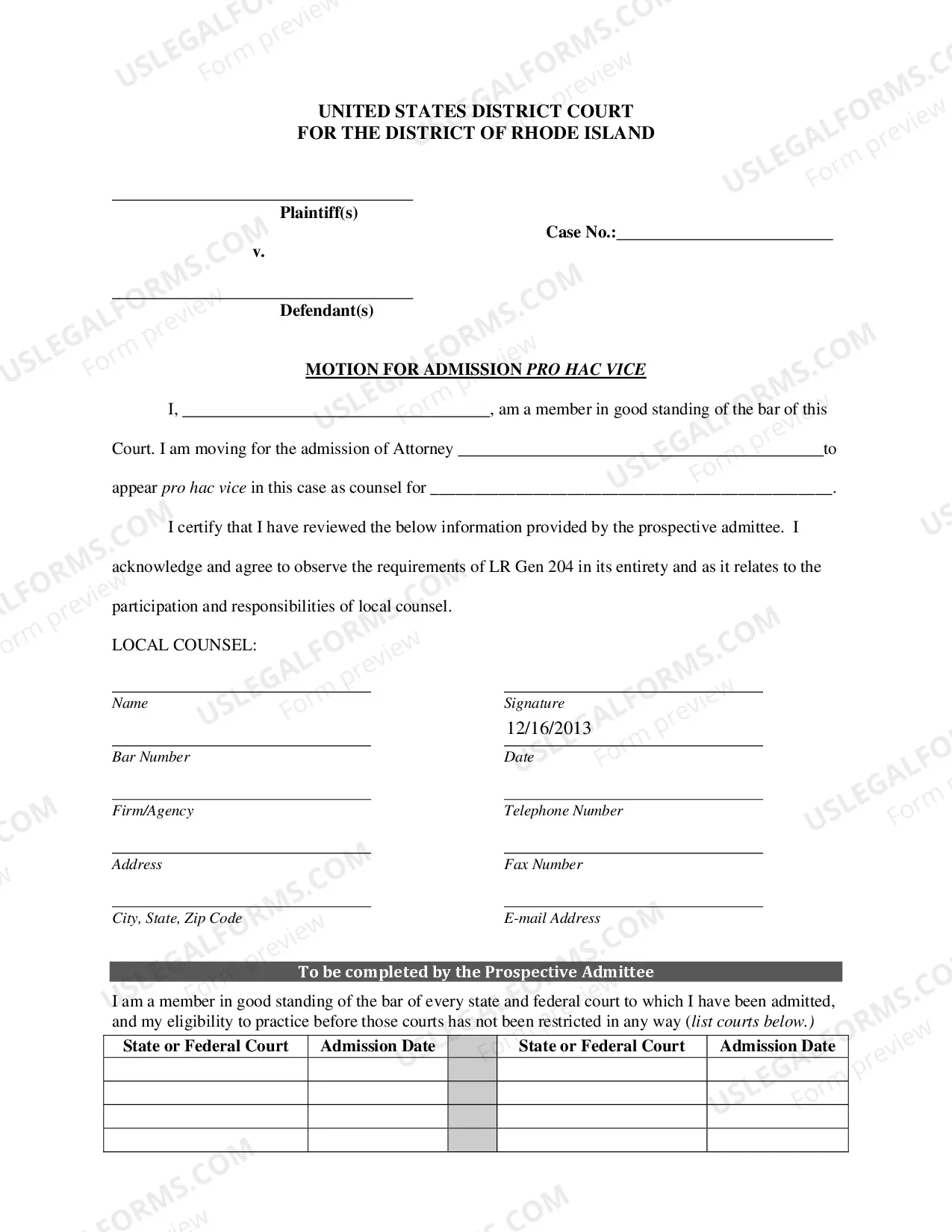
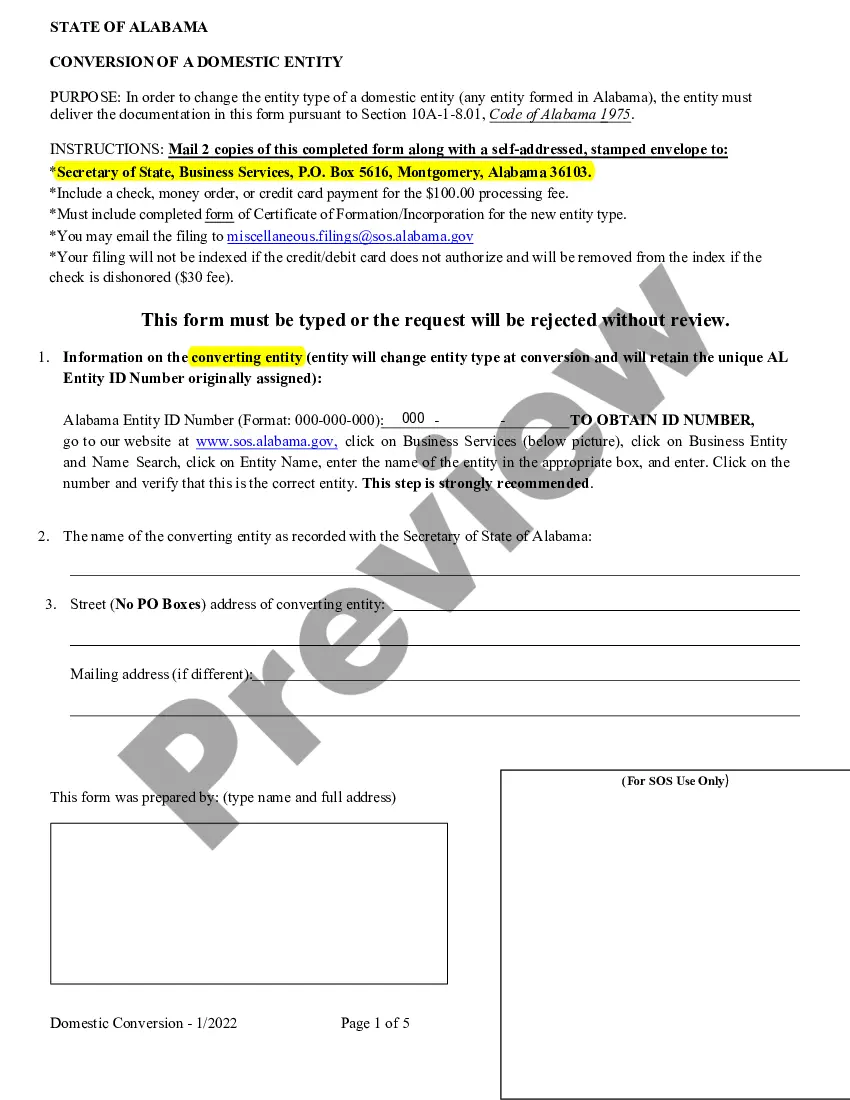
How to fill out Affidavit Of Defendant Spouse In Support Of Motion To Amend Or Strike Alimony Provisions Of Divorce Decree Because Of Obligor Spouse's Changed Financial Condition?
The Alimony Estimator In Virginia displayed on this page is a versatile legal framework crafted by expert attorneys in compliance with national and regional regulations.
For over 25 years, US Legal Forms has offered individuals, organizations, and legal practitioners access to more than 85,000 authenticated, state-specific documents for any business and personal need. It is the quickest, easiest, and most dependable way to acquire the documents you require, as the service ensures the utmost level of data privacy and anti-malware safeguards.
Sign up for US Legal Forms to access verified legal templates for all of life's situations at your convenience.
- Search for the document you require and review it.
- Browse through the sample you found and view it or examine the form's description to confirm it meets your needs. If it doesn’t, utilize the search function to identify the correct one.
- Click Buy Now once you have located the template you need.
- Register and Log In.
- Select the payment plan that suits your requirements and create an account.
Form popularity
FAQ
Yes, there is a formula used to calculate alimony in Virginia, but it often varies depending on individual circumstances. An alimony calculator in Virginia can help you determine the potential amount by considering factors such as the length of the marriage, income of both spouses, and their financial needs. This tool simplifies the process, allowing you to get a better understanding of what to expect. For a more tailored approach, you might consider using resources like US Legal Forms, which can guide you through the calculations and legal nuances.
To calculate alimony in Virginia, it is essential to evaluate the financial dynamics of both parties. This includes looking at each spouse's income, their needs, and the marital lifestyle. Factors such as health, property, and contributions to the marriage are also considered. For a clearer understanding, many find an alimony calculator in Virginia helpful for visualizing potential outcomes.
The 1 3 rule for alimony indicates that for every year married, one month of support may be granted after divorce, although this can vary based on individual circumstances. It offers a straightforward method to estimate potential support obligations. However, keep in mind that numerous factors influence the final decision. An alimony calculator in Virginia can help assess your specific situation.
The 1 3 1 3 1 3 rule is a guideline that some courts in Virginia use to assess spousal support. It generally suggests providing one year of support for every three years of marriage. This approach encourages a balanced evaluation of the marriage's length relative to support time. An alimony calculator in Virginia can further assist in understanding how this rule applies to your unique case.
In Virginia, the guideline for spousal support depends on various factors, including the income of both parties and the length of the marriage. Typically, spousal support may not exceed 30% of the payor's gross income, although this can vary by situation. To determine the most accurate estimate of potential support, using an alimony calculator in Virginia is advisable.
Several factors can disqualify you from receiving alimony in Virginia. For instance, if you engage in marital misconduct, like infidelity, it may affect your eligibility. Additionally, if you have the ability to support yourself through employment or assets, that can also be a disqualifying factor. Utilizing an alimony calculator in Virginia can help clarify your circumstances and provide guidance.
Alimony in Virginia is calculated based on numerous factors, including both parties' incomes, needs, and contributions during the marriage. The court evaluates elements like the recipient’s ability to become self-sufficient and the payor’s capacity to provide support. Using an alimony calculator in Virginia can simplify this process, giving you a clear picture of possible outcomes. This can be especially helpful as you navigate the complexities of family law.
The formula for alimony in Virginia does not follow a strict calculation. Instead, it considers various factors such as the length of the marriage, financial needs, and the standard of living during the marriage. An alimony calculator in Virginia can help provide insights into potential payments by factoring in income and expenses. This tool offers clarity, making it easier for you to understand what to expect.