Alimony Calculator In Illinois
Description





Get your form ready online
Our built-in tools help you complete, sign, share, and store your documents in one place.
Make edits, fill in missing information, and update formatting in US Legal Forms—just like you would in MS Word.
Download a copy, print it, send it by email, or mail it via USPS—whatever works best for your next step.
Sign and collect signatures with our SignNow integration. Send to multiple recipients, set reminders, and more. Go Premium to unlock E-Sign.
If this form requires notarization, complete it online through a secure video call—no need to meet a notary in person or wait for an appointment.
We protect your documents and personal data by following strict security and privacy standards.

Make edits, fill in missing information, and update formatting in US Legal Forms—just like you would in MS Word.

Download a copy, print it, send it by email, or mail it via USPS—whatever works best for your next step.

Sign and collect signatures with our SignNow integration. Send to multiple recipients, set reminders, and more. Go Premium to unlock E-Sign.

If this form requires notarization, complete it online through a secure video call—no need to meet a notary in person or wait for an appointment.

We protect your documents and personal data by following strict security and privacy standards.
Looking for another form?
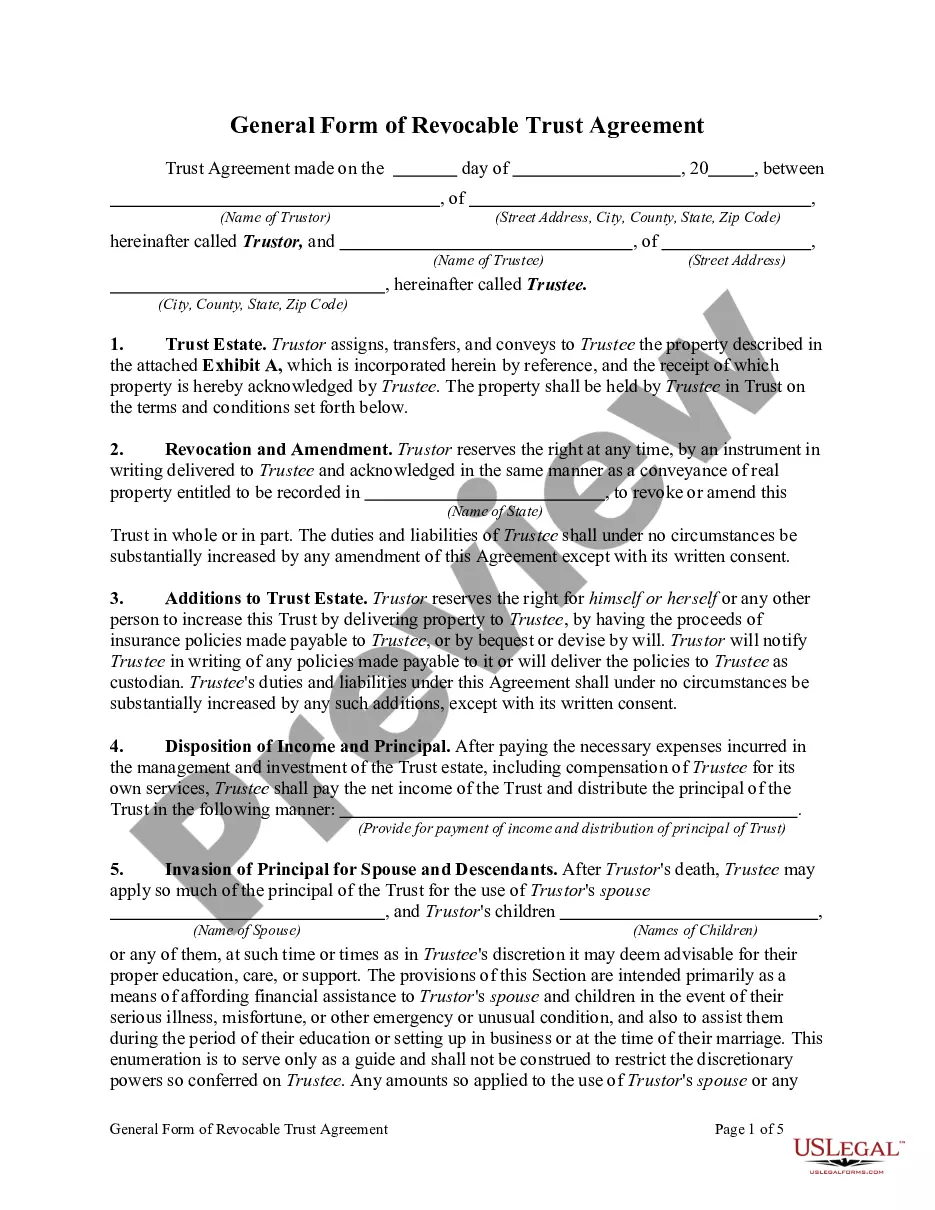


How to fill out Affidavit Of Defendant Spouse In Support Of Motion To Amend Or Strike Alimony Provisions Of Divorce Decree Because Of Obligor Spouse's Changed Financial Condition?
Regardless of whether it concerns professional affairs or personal issues, everyone must confront legal circumstances at some point in their lives.
Filling out legal paperwork requires meticulous focus, beginning with selecting the correct form template.
With an extensive US Legal Forms catalog available, you no longer need to waste time searching the internet for the suitable template. Utilize the library’s straightforward navigation to locate the right form for any circumstance.
- Obtain the template you require using the search bar or catalog navigation.
- Review the form’s details to confirm it corresponds with your situation, state, and area.
- Click on the form’s preview to examine it.
- If it is not the correct document, return to the search feature to find the Alimony Calculator In Illinois example you need.
- Download the template once it matches your requirements.
- If you possess a US Legal Forms account, simply click Log in to access previously stored documents in My documents.
- In the event you do not possess an account yet, you can acquire the form by clicking Buy now.
- Choose the appropriate pricing option.
- Complete the account registration form.
- Select your payment method: you can utilize a credit card or PayPal account.
- Choose the document format you prefer and download the Alimony Calculator In Illinois.
- Once downloaded, you can fill out the form using editing software or print it out and complete it by hand.
Form popularity
FAQ
The formula to calculate alimony in Illinois varies based on individual circumstances, but typically includes the spouses' incomes and expenses. An alimony calculator in Illinois can simplify this process by offering a straightforward way to input financial details and get an estimate. Using such a tool can clarify your financial obligations and entitlements. For precise results, however, consulting an attorney experienced in family law is advisable.
The 1 3 1 3 1 3 rule for alimony in Illinois offers a balanced method for determining potential support amounts. Generally, this rule implies that for every year of marriage, one can expect a range of alimony to last one-third the length of that marriage. Utilizing an alimony calculator in Illinois can help illustrate how this rule applies to your unique situation. Always consider using professional services to navigate this complex calculation effectively.
To calculate alimony in Illinois, you can start by using an online alimony calculator in Illinois. The calculator will take into account various factors such as the spouses' incomes, the length of the marriage, and more. This approach provides an initial estimate, which can help you understand potential obligations. However, it's important to consult a legal professional for a thorough assessment.
Eligibility for Alimony in Illinois Standard of living established during marriage. Age, health, employability, and educational level of each spouse. Earning capacity and ability to become self-supporting for the spouse seeking maintenance. Property, including marital and non-marital assets, divided between spouses.
Alimony is no longer tax-deductible, so it isn't a tax advantage to the party who pays the spousal support. It can't be written off as a deduction like child support payments. Typically, the higher-income earner in a higher tax bracket is responsible for paying the child support.
In a marriage of under 5 years, maintenance payments last for 20% of the marriage's length. For a 9-10 year marriage, alimony payments last 40% of the marriage's length. 20+ years of marriage means alimony will either last the marriage's length or indefinitely.
Guideline Maintenance The final maintenance amount can't be more than 40% of the combined net income of the parties. After calculating the amount, the court uses a formula based on the length of the marriage to determine how long the payor must pay maintenance.
Tax Implications of Alimony for the Recipient Like child support, spousal maintenance isn't considered taxable income.