Alimony Spouse Support Withholding In Kings
Description

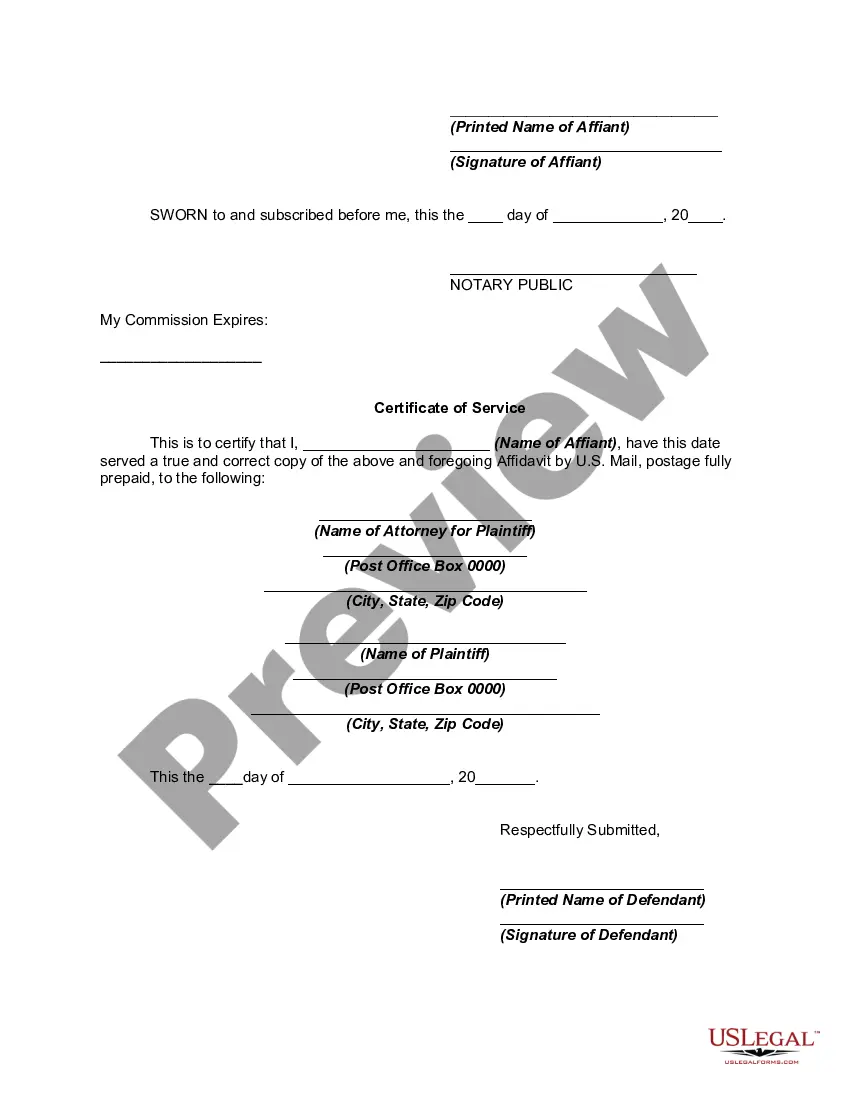




Get your form ready online
Our built-in tools help you complete, sign, share, and store your documents in one place.
Make edits, fill in missing information, and update formatting in US Legal Forms—just like you would in MS Word.
Download a copy, print it, send it by email, or mail it via USPS—whatever works best for your next step.
Sign and collect signatures with our SignNow integration. Send to multiple recipients, set reminders, and more. Go Premium to unlock E-Sign.
If this form requires notarization, complete it online through a secure video call—no need to meet a notary in person or wait for an appointment.
We protect your documents and personal data by following strict security and privacy standards.

Make edits, fill in missing information, and update formatting in US Legal Forms—just like you would in MS Word.

Download a copy, print it, send it by email, or mail it via USPS—whatever works best for your next step.

Sign and collect signatures with our SignNow integration. Send to multiple recipients, set reminders, and more. Go Premium to unlock E-Sign.

If this form requires notarization, complete it online through a secure video call—no need to meet a notary in person or wait for an appointment.

We protect your documents and personal data by following strict security and privacy standards.
Looking for another form?


Form popularity
FAQ
Not all divorces qualify for alimony. Courts consider factors like the length of marriage, income disparity between spouses, and ability to be self-sufficient.
Typically, the judge will take 20% of the lower-earning spouse's income and subtract that number from 30% of the higher-earning spouse's income. For example, one spouse makes $100,000, and the other makes $20,000. Thirty percent of $100,000 is $30,000, and 20% of $20,000 is $4,000.
Spousal maintenance is normally durational that is, it has a set duration, normally long enough for the payee spouse to become self-sufficient. However, there are cases, given age, health and inability to support themselves, that the payee may be awarded nondurational or permanent alimony.
Since the goal is to protect mutual standards of living, if your ex remarries or finds themselves once again in a steady double-income household, you may no longer be required to maintain or begin alimony payments.
Prove your spouse is cohabiting with someone else: If you can prove that your spouse is living with someone else, you may be able to get out of paying spousal support altogether. Likewise, if you can show that your spouse can earn a reasonable living, you may be able to have your alimony payments reduced or eliminated.
A prenuptial or postnuptial agreement can prevent many alimony disputes. Such marital agreements allow couples to agree beforehand on whether spousal support would be awarded in the event of a divorce. California's Family Code 1612 states that couples can agree to waive spousal support in a prenup or postnup.
If both spouses are self-supporting at or above the marital standard of living, the recipient has committed domestic violence against the paying spouse, or the recipient accept a buyout, you may be able to avoid paying spousal support in California.
Alimony is usually around 40% of the paying party's income. This number is different in different states and different situations. The court also looks at how much the other party makes or could make and how much they need to maintain their standard of living.
NYC Spousal Support Calculation In 2021, the cap was $192,000. Effective March 1, 2022, the spousal support cap will be $203,000. If the payor-spouse's income is more than $203,000, the court uses the standard formula for the income up to and including the income cap.
