Alimony Spouse Support For Disabled In Houston
Description

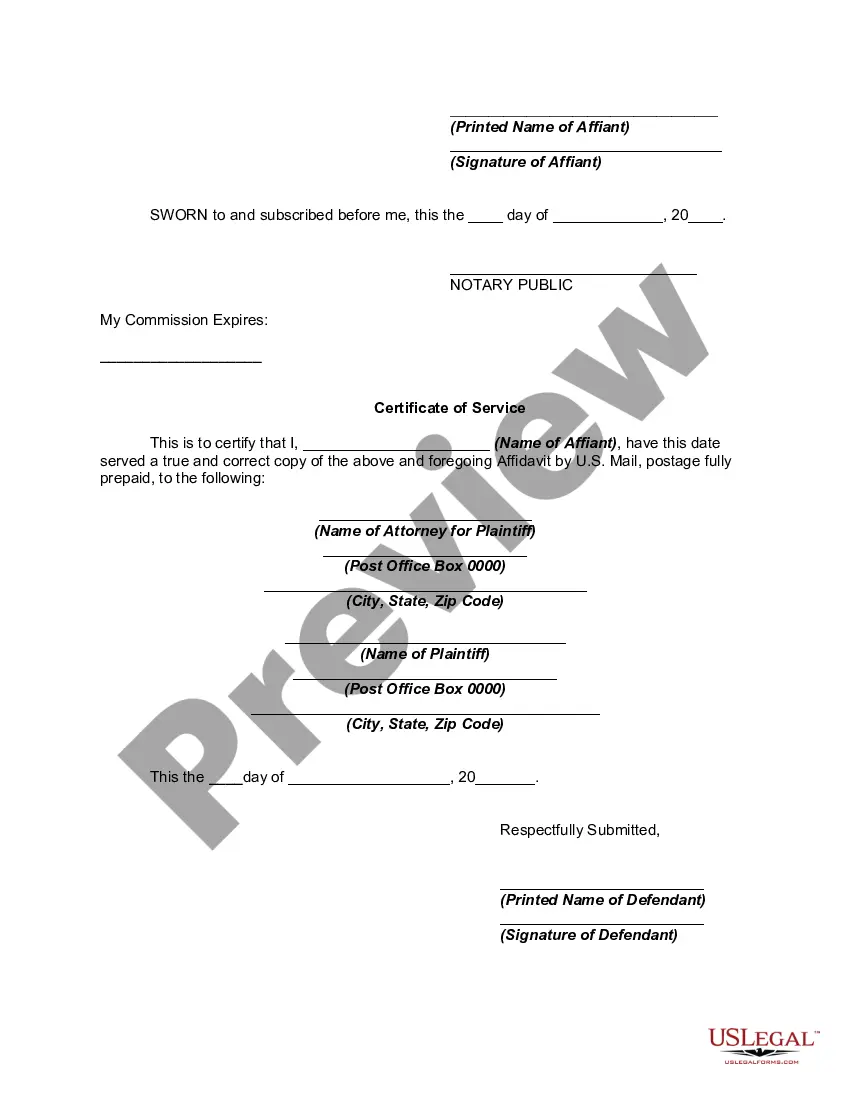




Get your form ready online
Our built-in tools help you complete, sign, share, and store your documents in one place.
Make edits, fill in missing information, and update formatting in US Legal Forms—just like you would in MS Word.
Download a copy, print it, send it by email, or mail it via USPS—whatever works best for your next step.
Sign and collect signatures with our SignNow integration. Send to multiple recipients, set reminders, and more. Go Premium to unlock E-Sign.
If this form requires notarization, complete it online through a secure video call—no need to meet a notary in person or wait for an appointment.
We protect your documents and personal data by following strict security and privacy standards.
Make edits, fill in missing information, and update formatting in US Legal Forms—just like you would in MS Word.
Download a copy, print it, send it by email, or mail it via USPS—whatever works best for your next step.
Sign and collect signatures with our SignNow integration. Send to multiple recipients, set reminders, and more. Go Premium to unlock E-Sign.
If this form requires notarization, complete it online through a secure video call—no need to meet a notary in person or wait for an appointment.
We protect your documents and personal data by following strict security and privacy standards.
Looking for another form?
Form popularity
FAQ
Social Security Disability benefits are not normally marital property. However, if you and your spouse put SSDI funds into a joint account, then it might result in those benefits being divided equally as marital property.
Below, we will give you six tips on how to successfully negotiate alimony during your divorce. Ask a Charlotte divorce lawyer how much alimony you should expect to receive. Gather any documents to support your potential alimony amount. Be flexible and willing to compromise. Do not get angry or lash out at your ex-spouse.
In short , yes you can divorce a disabled person. If disability is part of the basis for divorce then you'll have to prove why this is the basis for the marriage to end. Additional Note: I have approached this question from a secular, legal argument position.
Good news: your Social Security benefits are safe! They're based on your past work income, so getting alimony shouldn't reduce your benefits. Think of it like this: SSDI is about replacing the income you lost due to disability, ensuring that you can maintain some financial stability.
Yes. A spouse who's disability is permanent and makes them unable to get work that provides an adequate income for swlf-support may qualify for temporary or permanent alimony. Gender makes no difference.
Normally disability isn't counted as income for purposes of alimony, but is counted for purposes of child support.
In Texas, a disabled spouse's participation in divorce proceedings depends on their mental competence and may involve postponing the proceedings until a guardian or conservator is appointed for assistance. Physical accommodations and scheduling adjustments can also be made to ensure fair representation.
Here's how to qualify for alimony in Texas, a couple has to have been married for at least 10 years, and the spouse requesting alimony cannot reasonably meet their needs financial (about $18,0000 per year).
SSI Benefits for Spouses But, there is no rule against both disabled spouses receiving SSI simultaneously. The maximum monthly SSI benefit for individuals in 2023 is $914. But, if both spouses receive SSI, Social Security pays them as a couple at a monthly rate of $1,371.
No. Alimony is unearned income, as it is not work done for, or intended to be done for, profit. Therefore, it will not impact an individuals eligibility for Social Security Disability Insurance benefits. However, it can impact eligibility for Supplemental Security Income.
