Motion For Strike Court In Alameda
Description

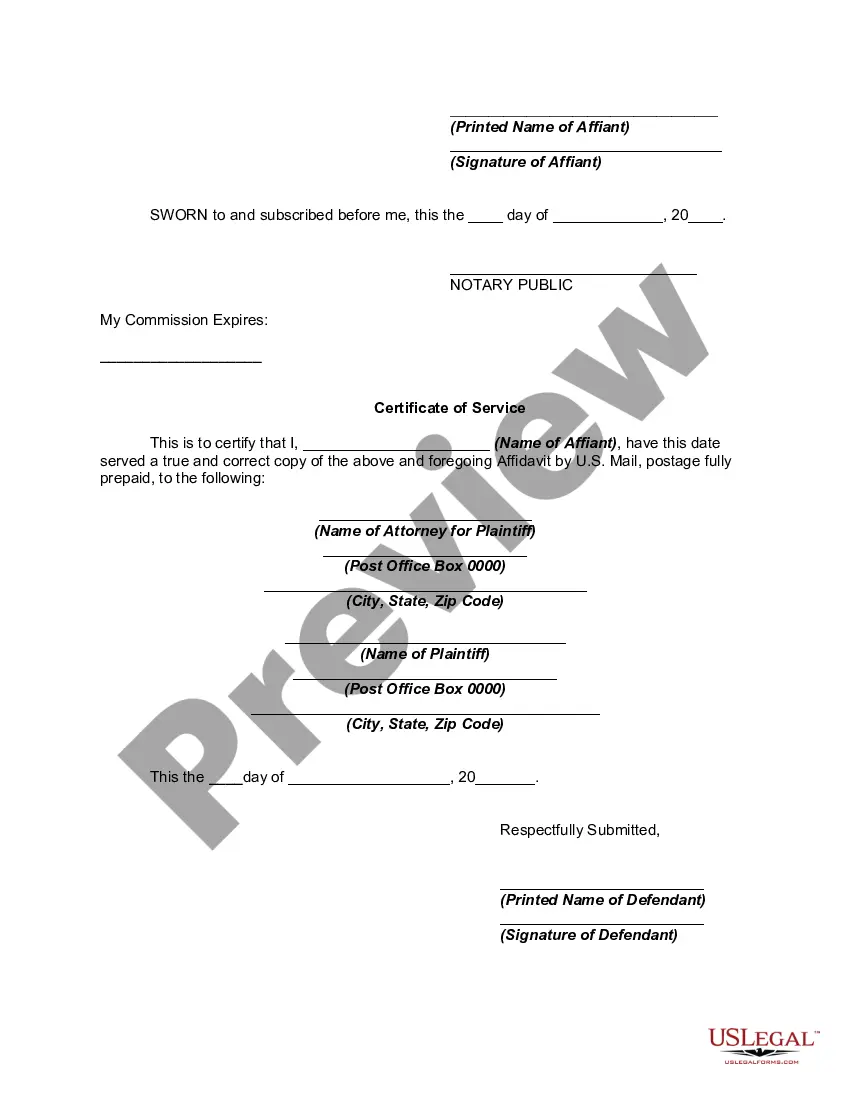




Get your form ready online
Our built-in tools help you complete, sign, share, and store your documents in one place.
Make edits, fill in missing information, and update formatting in US Legal Forms—just like you would in MS Word.
Download a copy, print it, send it by email, or mail it via USPS—whatever works best for your next step.
Sign and collect signatures with our SignNow integration. Send to multiple recipients, set reminders, and more. Go Premium to unlock E-Sign.
If this form requires notarization, complete it online through a secure video call—no need to meet a notary in person or wait for an appointment.
We protect your documents and personal data by following strict security and privacy standards.

Make edits, fill in missing information, and update formatting in US Legal Forms—just like you would in MS Word.

Download a copy, print it, send it by email, or mail it via USPS—whatever works best for your next step.

Sign and collect signatures with our SignNow integration. Send to multiple recipients, set reminders, and more. Go Premium to unlock E-Sign.

If this form requires notarization, complete it online through a secure video call—no need to meet a notary in person or wait for an appointment.

We protect your documents and personal data by following strict security and privacy standards.
Looking for another form?
Form popularity
FAQ
For in limine motions or matters on which the hearing will be two court days or fewer from filing, the courtesy copies shall be delivered the same day as filing. This rule does not apply to administrative records in writ proceedings.
Rule 3.31. Unless otherwise authorized by the court, discovery meet and confer obligations require an in-person, telephonic, or video conference between parties.
Rule 3.31. Unless otherwise authorized by the court, discovery meet and confer obligations require an in-person, telephonic, or video conference between parties.
Definition. A "complex case" is an action that requires exceptional judicial management to avoid placing unnecessary burdens on the court or the litigants and to expedite the case, keep costs reasonable, and promote effective decision making by the court, the parties, and counsel.
(a) Fields occupied No trial court, or any division or branch of a trial court, may enact or enforce any local rule concerning these fields. All local rules concerning these fields are null and void unless otherwise permitted or required by a statute or a rule in the California Rules of Court.
(a) Except as permitted by statute, an applicable code of judicial ethics or code of judicial conduct, or standards governing employees of a tribunal, a lawyer shall not directly or indirectly give or lend anything of value to a judge, official, or employee of a tribunal.
Primary tabs. A motion to strike is a request to a judge that part of a party's pleading or a piece of evidence be removed from the record.
What happens next? If we filed the motion to strike in a trial court, then we will set the motion to be heard by a judge or magistrate, and be ruled upon. If we filed it in an appeals court, the appeals court will read the motion and offending document and will rule on it without hearing.
A strike notice (or notice to strike) is a document served by members of a trade union or an analogous body of workers to an employer or negotiator stating an intent to commit an upcoming strike action. The document largely contains: an overview of grievances and conditions.
A crime is a strike if it is either a “serious” or “violent” felony. California Three Strikes Law. California's Three Strikes Law, passed in 1994, is one the harshest sentencing schemes in the country.
