Motion To Dissolve Protective Order Texas Without Consent
Description
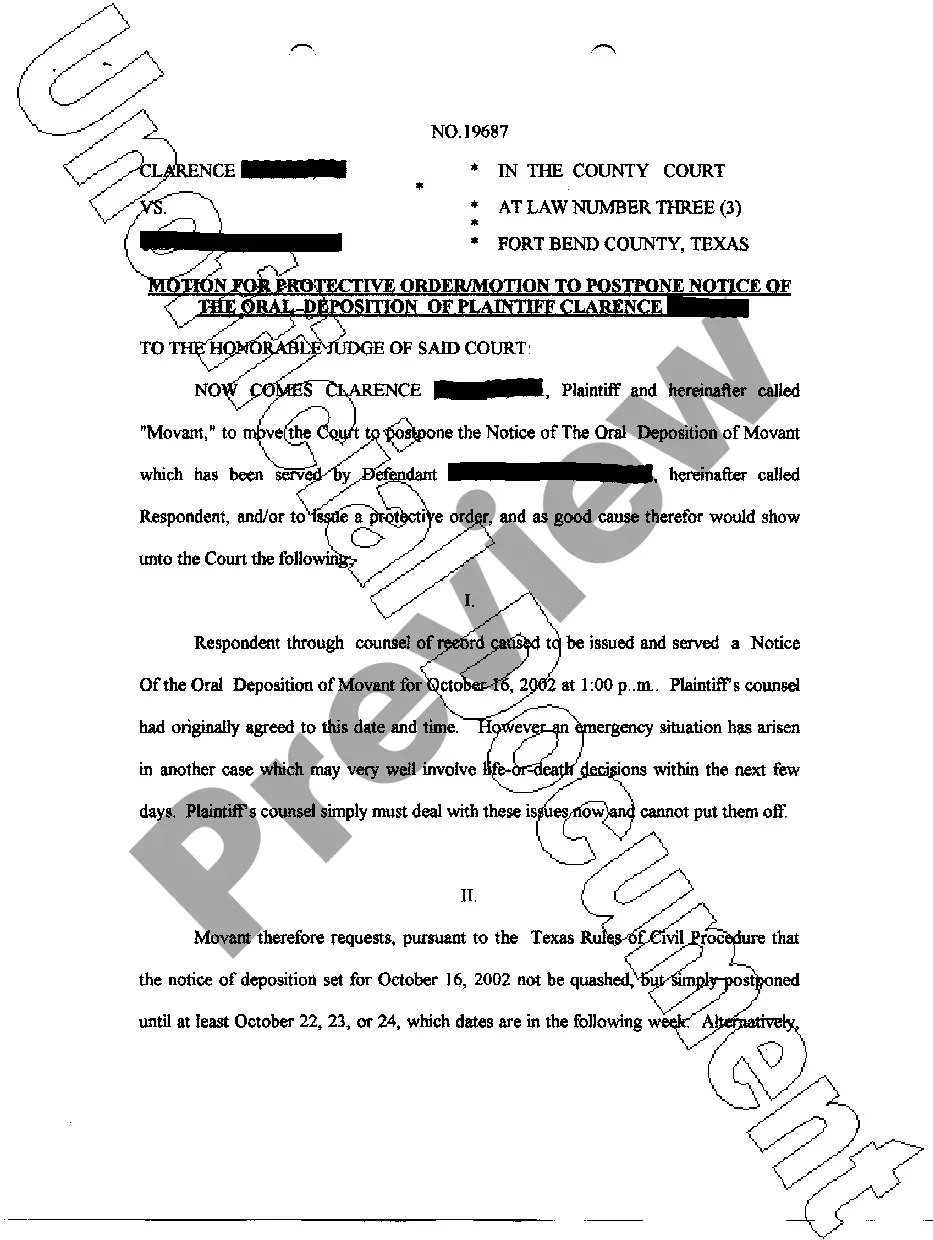
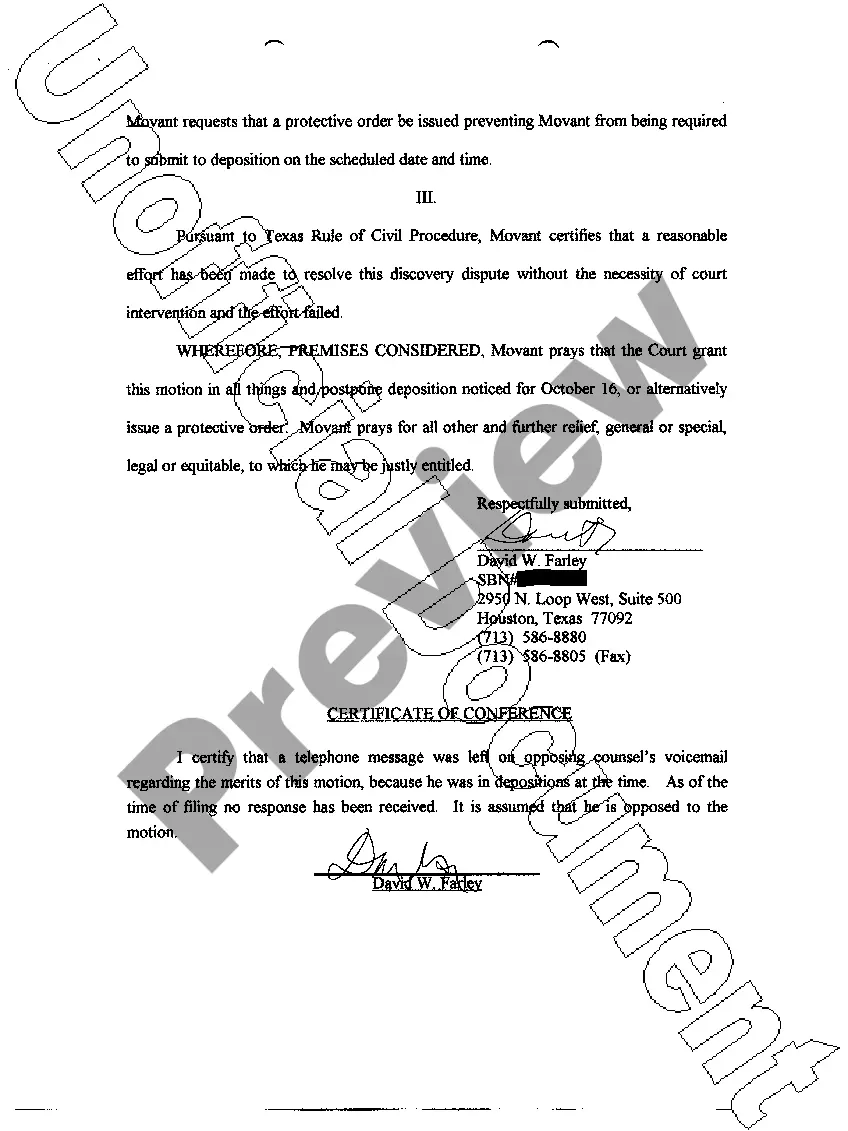
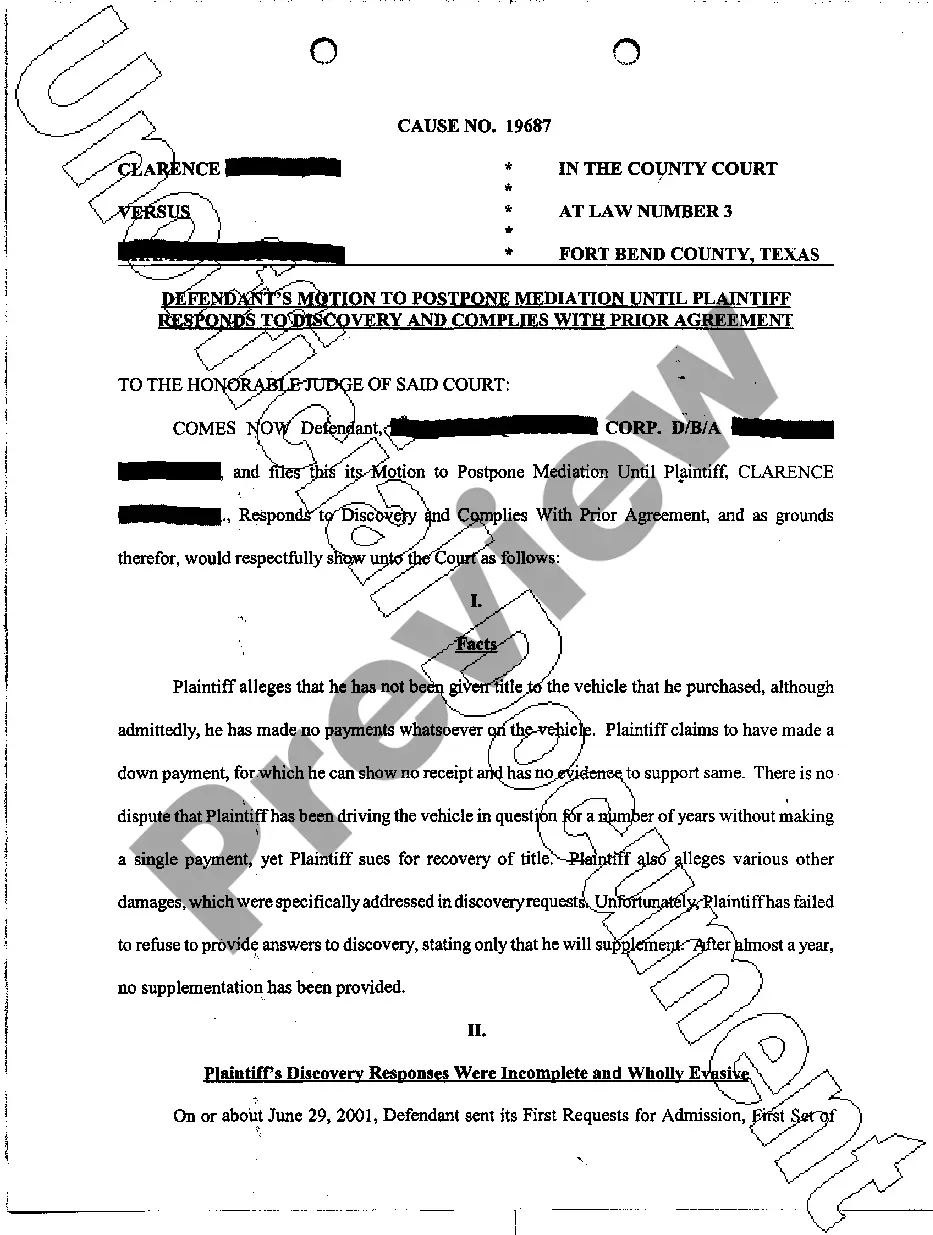
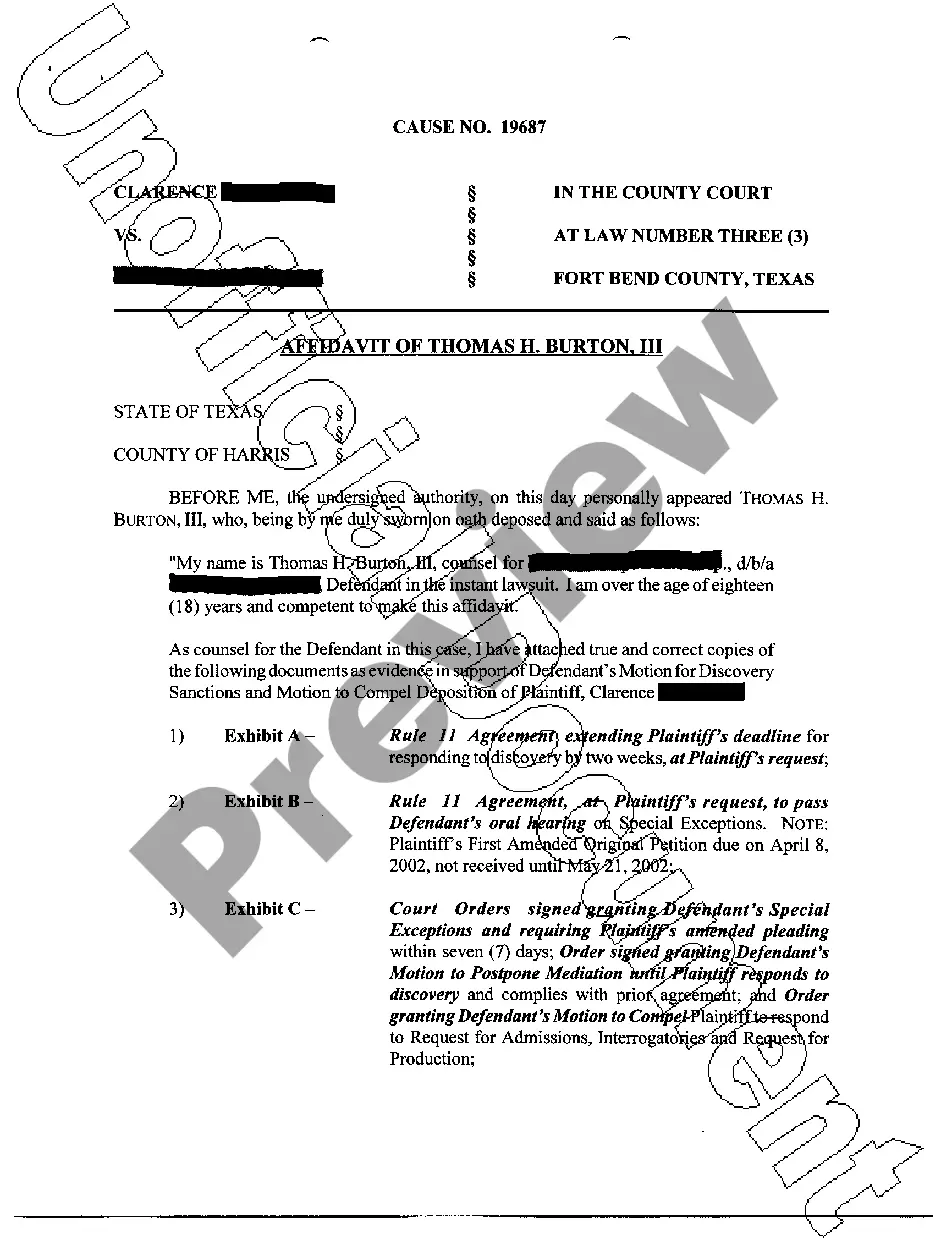
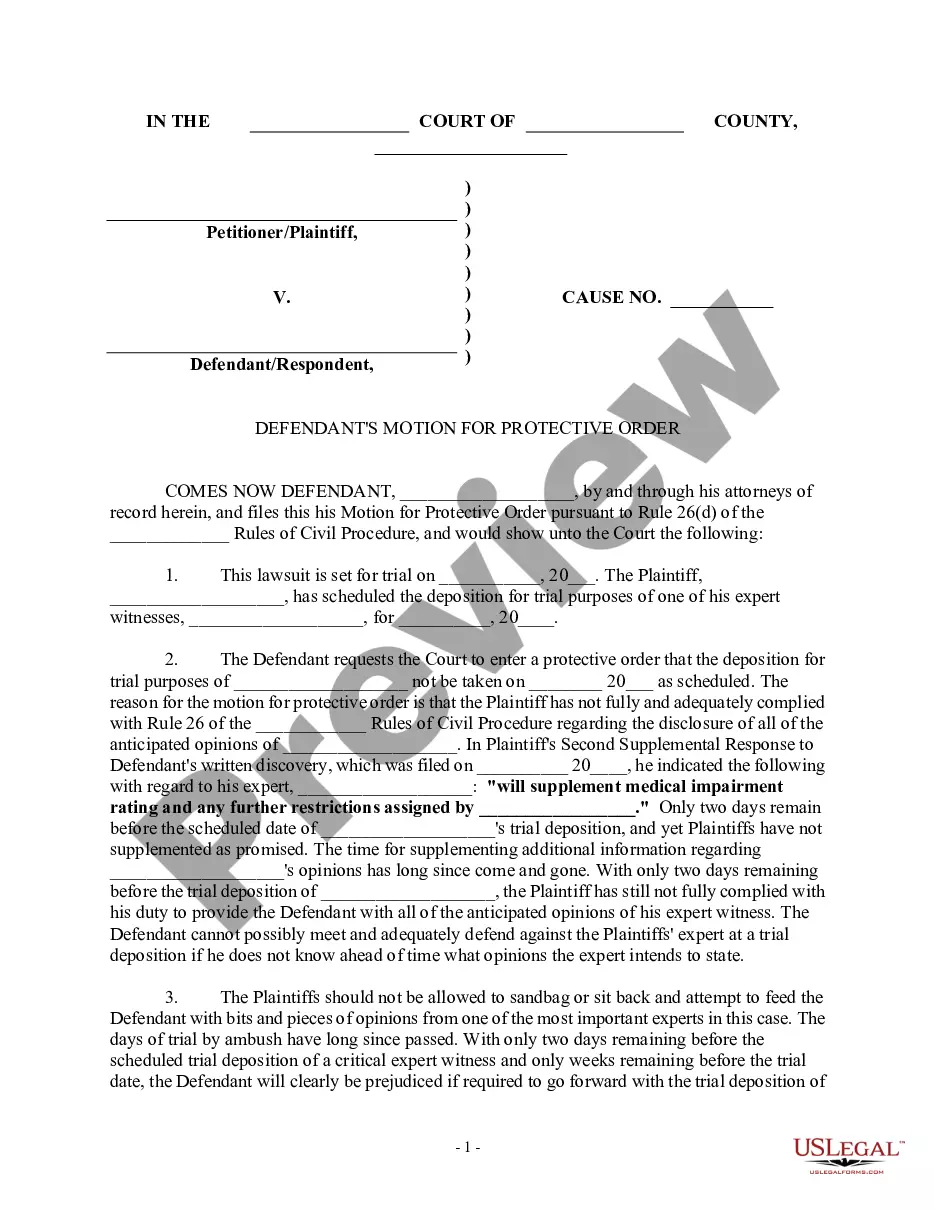




How to fill out Texas Motion For Protective Order And To Postpone Deposition?
Dealing with legal paperwork and processes can be a lengthy addition to your whole day. Motion To Dissolve Protective Order Texas Without Consent and similar documents typically necessitate searching for them and grasping the most effective way to fill them out correctly.
For this reason, whether you are managing financial, legal, or personal issues, having a comprehensive and functional online library of documents readily available will be extremely beneficial.
US Legal Forms is the leading online platform for legal templates, offering more than 85,000 state-specific forms and a variety of resources that will assist you in completing your documents seamlessly.
Discover the collection of pertinent documents accessible to you with just one click.
Then, follow the steps outlined below to complete your form: Ensure you have the correct form using the Review feature and examining the form description. Click Buy Now when ready, and select the subscription plan that fits your requirements. Click Download then fill out, eSign, and print the form. US Legal Forms has twenty-five years of experience assisting users in managing their legal documents. Get the form you need today and simplify any process effortlessly.
- US Legal Forms provides state- and county-specific forms available at any moment for download.
- Protect your document management processes with premium support that enables you to prepare any form in a matter of minutes without extra or concealed charges.
- Simply Log In to your account, locate Motion To Dissolve Protective Order Texas Without Consent, and download it instantly from the My documents section.
- You can also access forms that you have downloaded previously.
- Is this your first time using US Legal Forms? Register and create a free account in just a few minutes, granting you access to the form library and Motion To Dissolve Protective Order Texas Without Consent.
Form popularity
FAQ
Obtain an affidavit of non-prosecution; Obtain a verified request to lift the protective order; Draft a motion to remove or modify the current order; Contact the correct prosecutor (city or county prosecutor);
If you believe the protection order was granted improperly or that it is no longer needed, you can file a motion asking the court to ?dissolve? (terminate or cancel) the protection order. After you file the motion, the court will decide whether or not to schedule a hearing.
Once you are served with the Ex-Parte TRO, you may request a motion to modify or dissolve the TRO after giving your spouse 48-hour notice and seek attorney fees if the filing was false or frivolous.
The only person who can make changes to the order is the judge who granted it. Either party may file a motion to modify a protective order to: Exclude something that is in the order; or. Include something that could have been in the order.
A individual violates the order ? which the judge may have issued under the Code of Criminal Procedure or the Family Code ? if he or she knowingly or intentionally commits family violence, communicates with the protected individual or their family members, goes to prohibited places, interferes with the alleged victim's ...