Texas Divorce Law On Alimony
Description
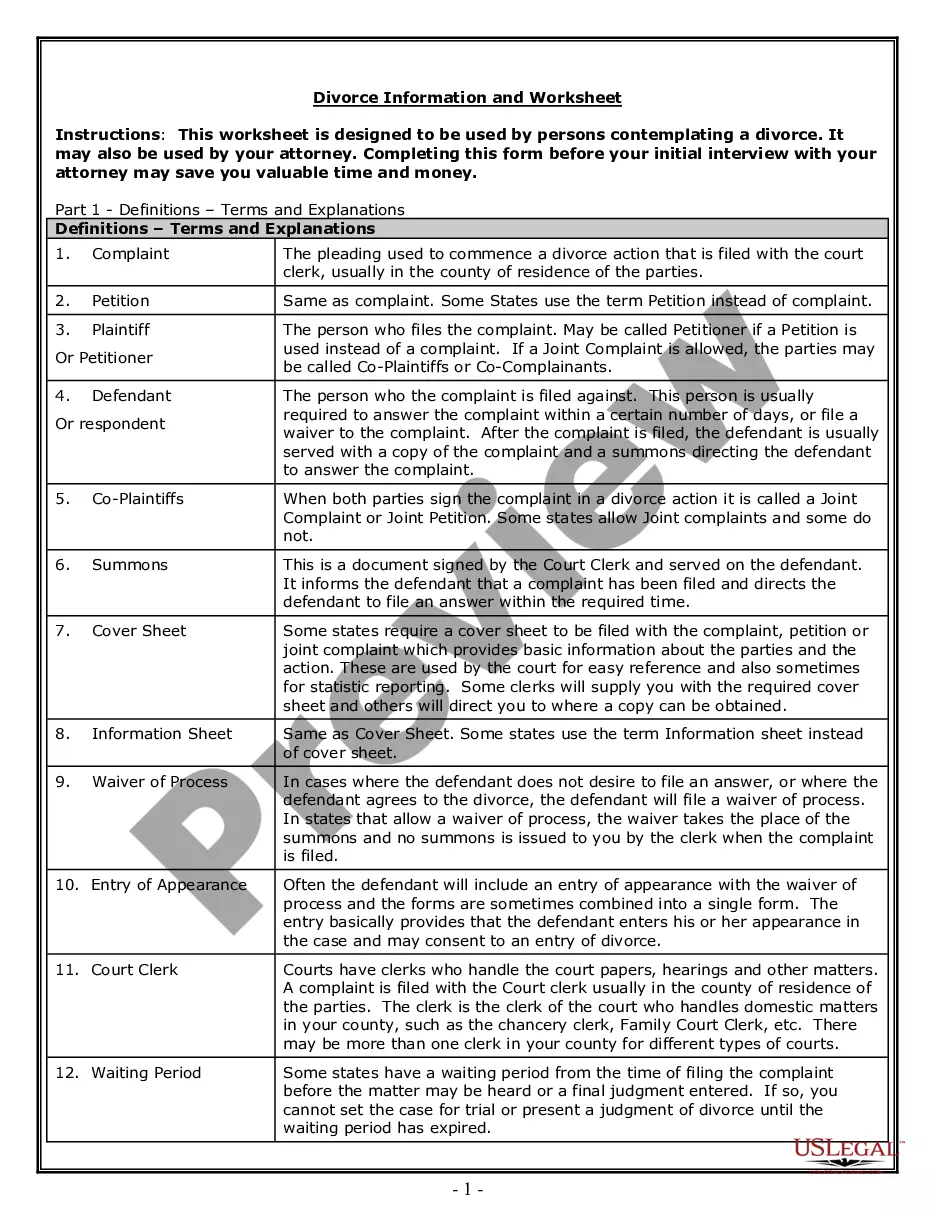
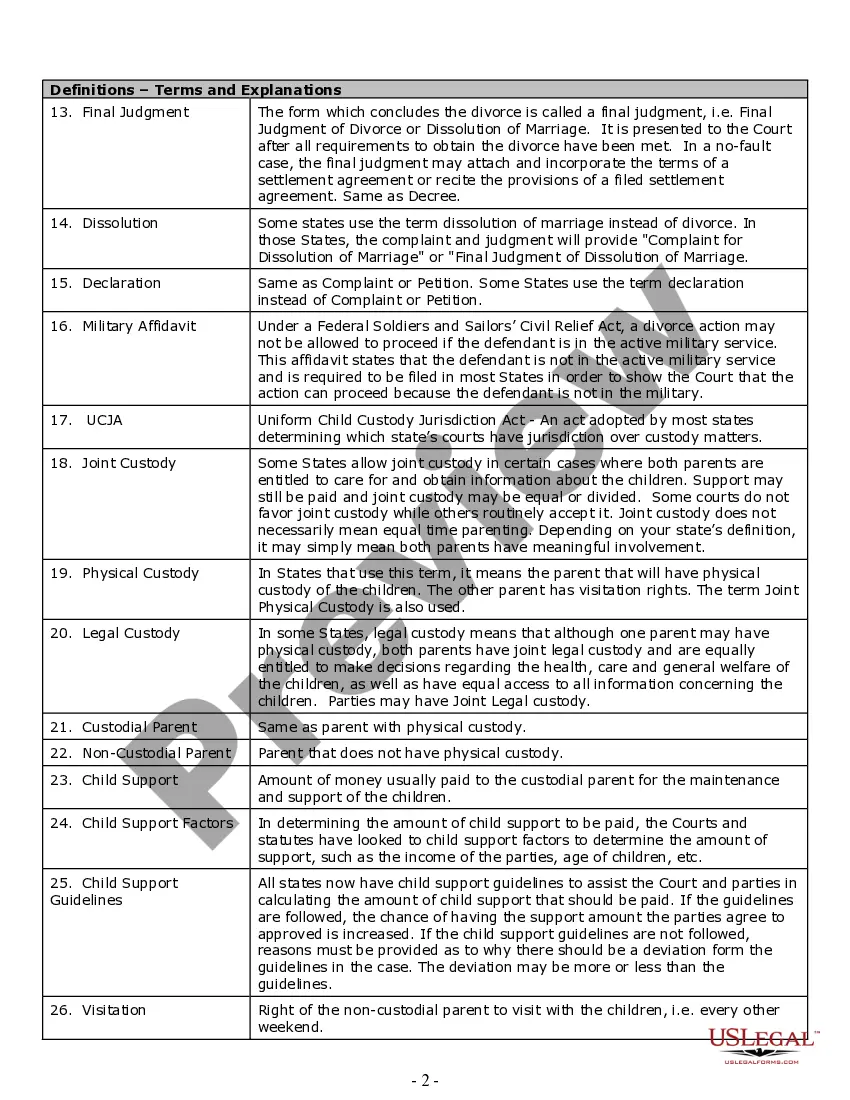
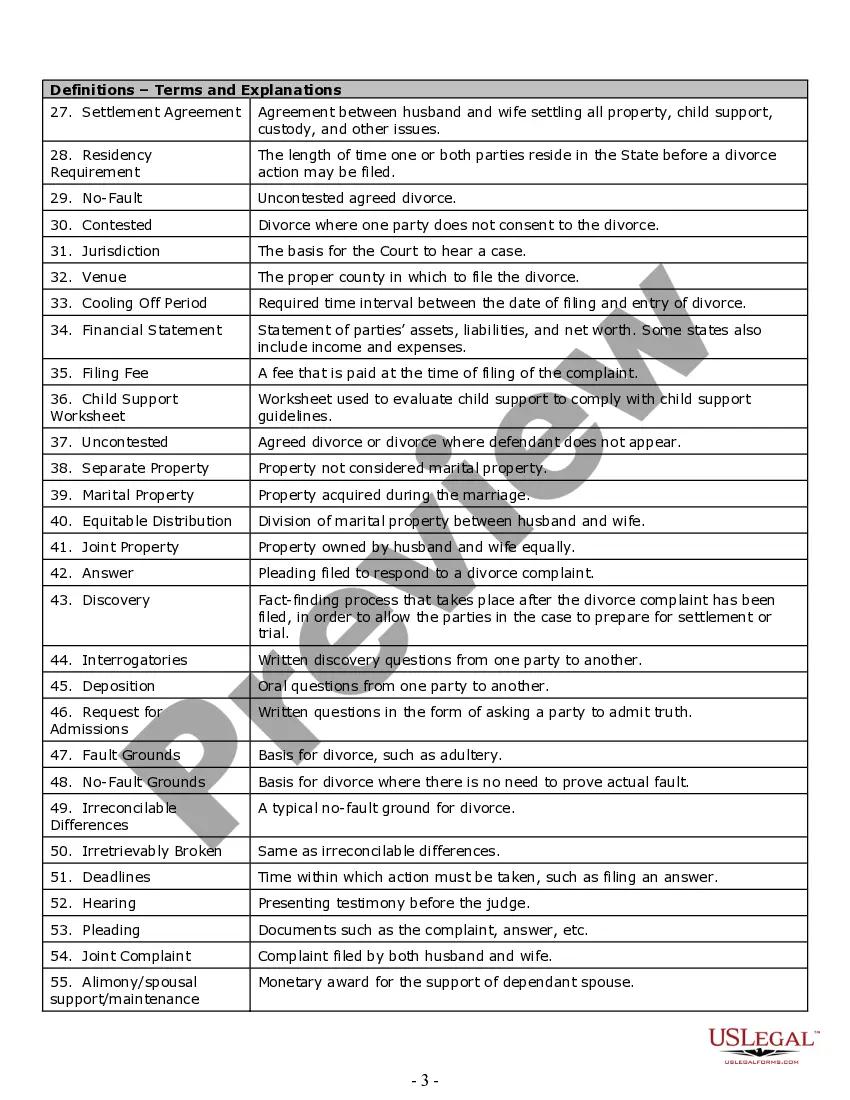
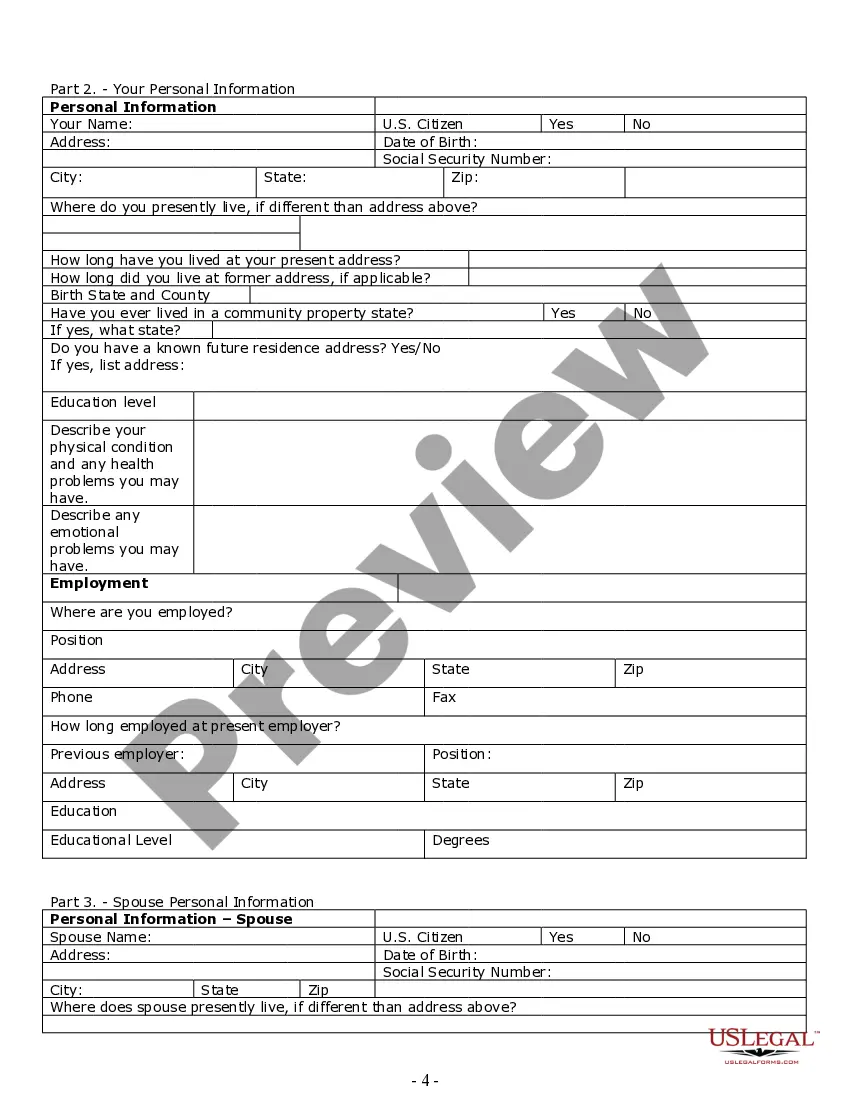


Get your form ready online
Our built-in tools help you complete, sign, share, and store your documents in one place.
Make edits, fill in missing information, and update formatting in US Legal Forms—just like you would in MS Word.
Download a copy, print it, send it by email, or mail it via USPS—whatever works best for your next step.
Sign and collect signatures with our SignNow integration. Send to multiple recipients, set reminders, and more. Go Premium to unlock E-Sign.
If this form requires notarization, complete it online through a secure video call—no need to meet a notary in person or wait for an appointment.
We protect your documents and personal data by following strict security and privacy standards.

Make edits, fill in missing information, and update formatting in US Legal Forms—just like you would in MS Word.

Download a copy, print it, send it by email, or mail it via USPS—whatever works best for your next step.

Sign and collect signatures with our SignNow integration. Send to multiple recipients, set reminders, and more. Go Premium to unlock E-Sign.

If this form requires notarization, complete it online through a secure video call—no need to meet a notary in person or wait for an appointment.

We protect your documents and personal data by following strict security and privacy standards.
Looking for another form?








How to fill out Texas Divorce Worksheet And Law Summary For Contested Or Uncontested Case Of Over 25 Pages - Ideal Client Interview Form?
Whether for corporate purposes or for personal matters, everyone must deal with legal scenarios at some stage in their life.
Filling out legal documents demands meticulous attention, beginning with selecting the appropriate form template.
With an extensive US Legal Forms library available, you don’t have to waste time searching for the correct template online. Utilize the library's easy navigation to find the right form for any circumstance.
- Find the template you require by using the search field or catalog navigation.
- Review the form’s details to confirm it matches your situation, state, and county.
- Click on the form’s preview to examine it.
- If it is not the correct form, return to the search function to find the Texas Divorce Law On Alimony sample you need.
- Acquire the template if it meets your specifications.
- If you already possess a US Legal Forms account, just click Log in to access previously saved documents in My documents.
- If you don’t have an account yet, you can obtain the form by clicking Buy now.
- Select the appropriate pricing option.
- Complete the profile registration form.
- Choose your payment method: use a credit card or PayPal account.
- Select the file format you prefer and download the Texas Divorce Law On Alimony.
- Once it is saved, you can fill out the form using editing software or print it and complete it by hand.
Form popularity
FAQ
In a Texas divorce, a wife may claim her fair share of community property, which includes assets and debts acquired during the marriage. If the marriage lasted over ten years, she could also seek alimony. Texas divorce law on alimony allows for considerations in custody and child support that may affect the division of resources.
What is the standard alimony allowance in Texas? ing to Abby, ?The maximum alimony ? or spousal maintenance as it is referred to in Texas ? the court will order is $5,000 per month or 20 percent of the spouse's average monthly gross income, whichever is less.
In Texas, some things can disqualify you from spousal support. These include: Cohabitation: If you live with someone else in a marriage-like relationship, you may be disqualified for spousal support. Remarriage: If you remarry before your spousal support obligation ends, you may be disqualified for further payments.
There is no formula to decide how much spousal maintenance you will be awarded. Under the law, the court cannot require the obligor to pay more than the lesser of: $5,000 or. 20% of their gross monthly income.
As mentioned before, the court will award only 20% of the supporting spouse's average monthly income, up to $5,000 per month, no matter how these various factors weigh. That means that even if the supporting spouse earns $1 million per month, support will not exceed $5,000 by law. Texas Alimony & Spousal Support (2023 Guide) - Forbes Forbes ? advisor ? legal ? divorce ? t... Forbes ? advisor ? legal ? divorce ? t...
Texas is unique in that, unlike many other states, the law limits the amount of support a court can order. Maintenance awards may not be more than $5000 per month or more than 20% of the spouse's average monthly gross income (whichever is less).