Texas Estate Deed For Title Search
Description
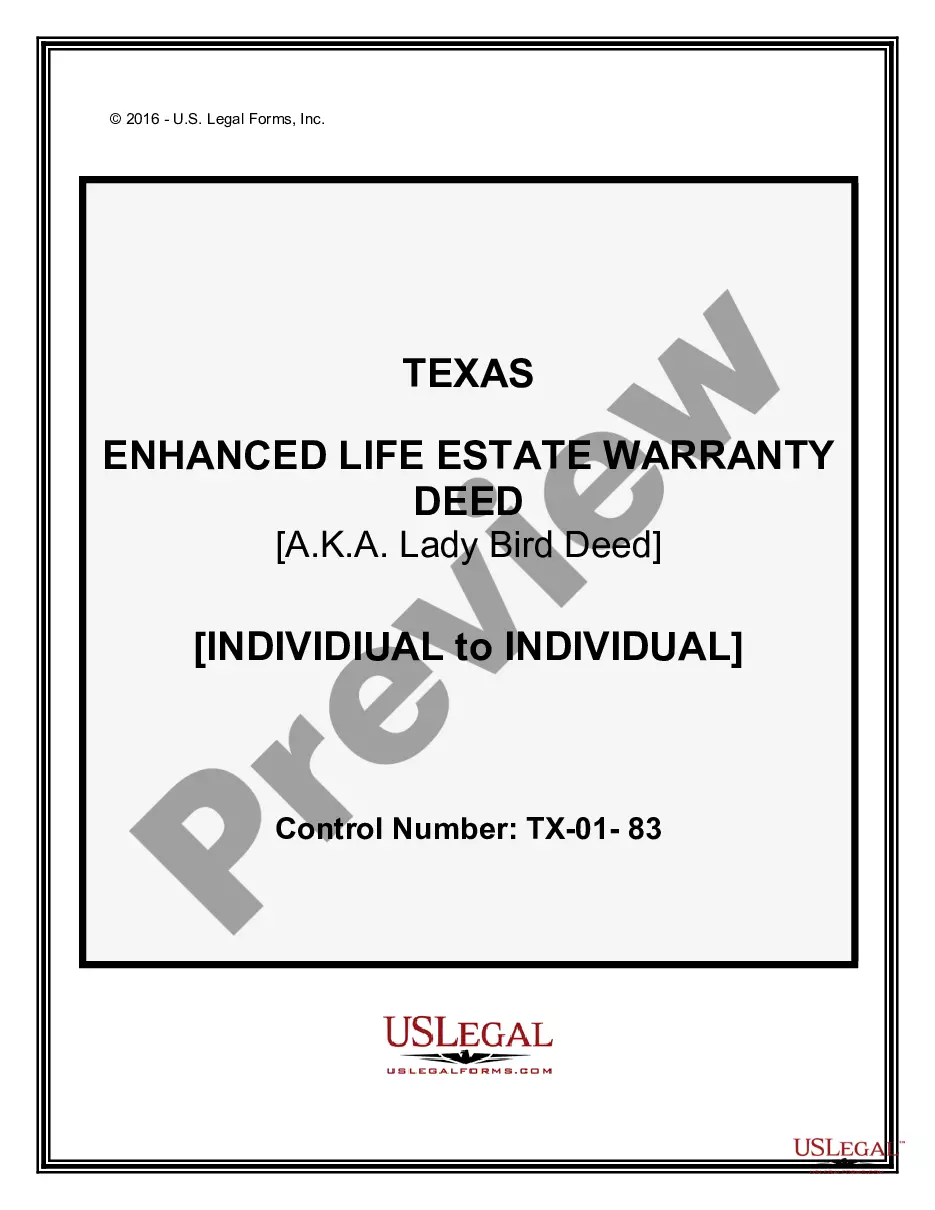
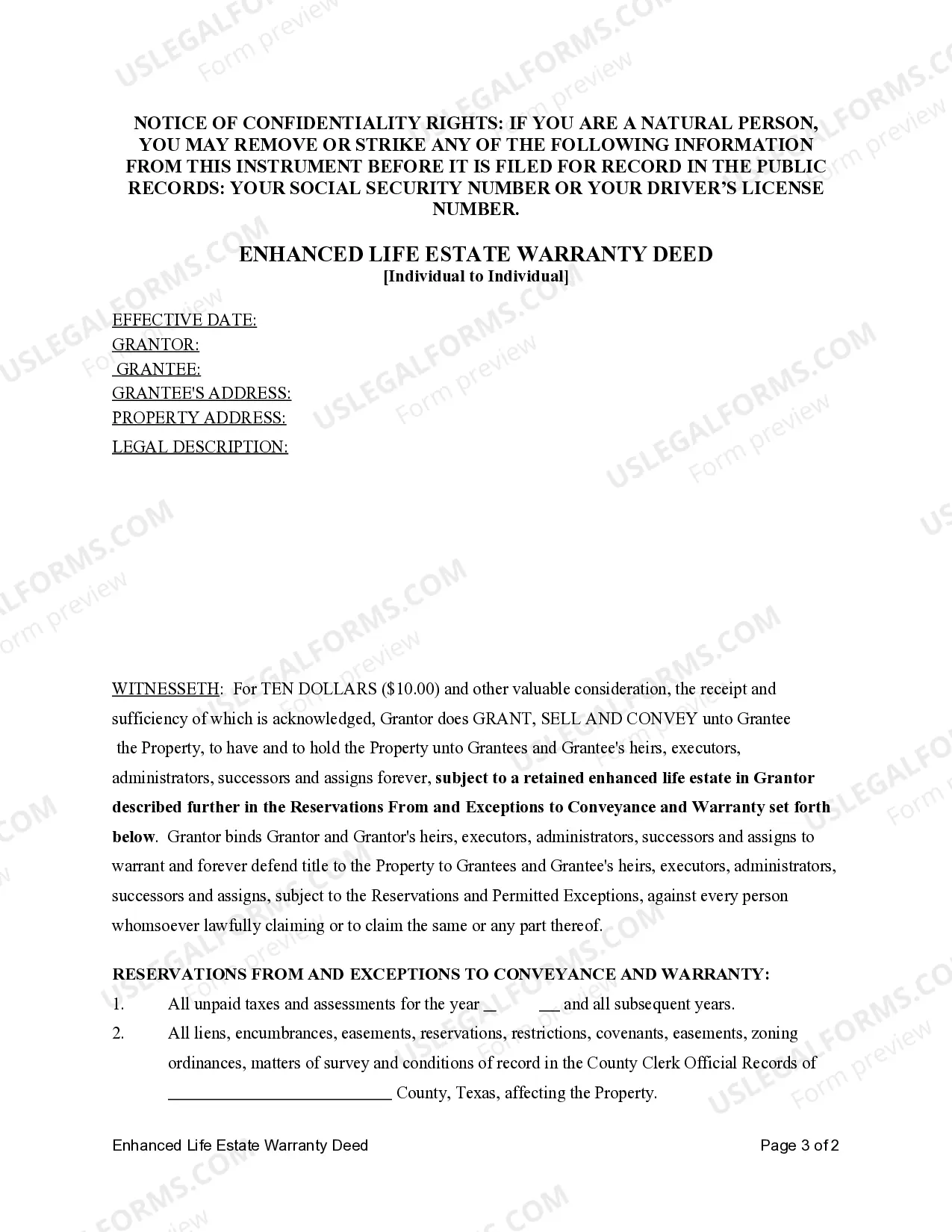
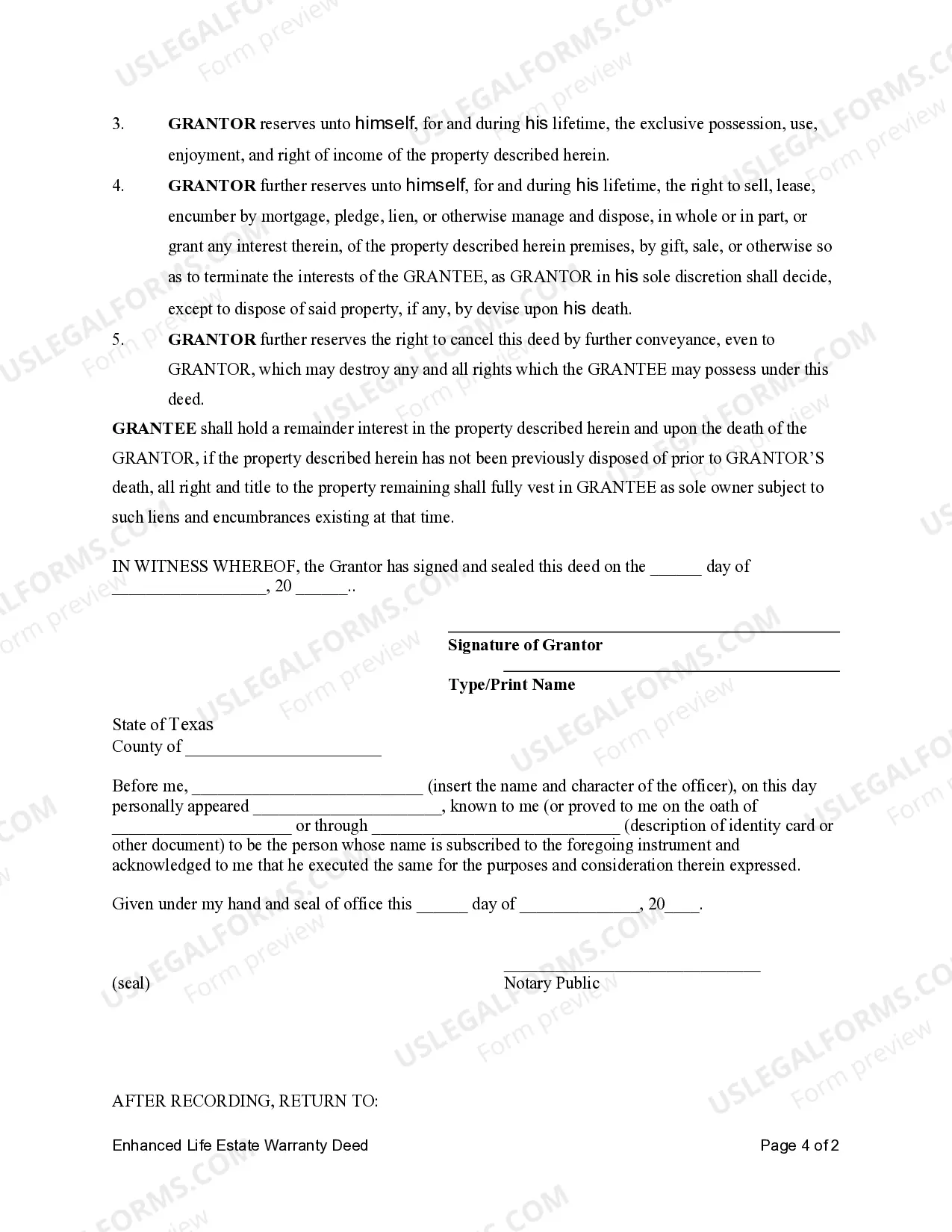


Get your form ready online
Our built-in tools help you complete, sign, share, and store your documents in one place.
Make edits, fill in missing information, and update formatting in US Legal Forms—just like you would in MS Word.
Download a copy, print it, send it by email, or mail it via USPS—whatever works best for your next step.
Sign and collect signatures with our SignNow integration. Send to multiple recipients, set reminders, and more. Go Premium to unlock E-Sign.
If this form requires notarization, complete it online through a secure video call—no need to meet a notary in person or wait for an appointment.
We protect your documents and personal data by following strict security and privacy standards.

Make edits, fill in missing information, and update formatting in US Legal Forms—just like you would in MS Word.

Download a copy, print it, send it by email, or mail it via USPS—whatever works best for your next step.

Sign and collect signatures with our SignNow integration. Send to multiple recipients, set reminders, and more. Go Premium to unlock E-Sign.

If this form requires notarization, complete it online through a secure video call—no need to meet a notary in person or wait for an appointment.

We protect your documents and personal data by following strict security and privacy standards.
Looking for another form?








How to fill out Texas Lady Bird Or Enhanced Life Estate Warranty Deed - Individual To Individual?
- Log in to your US Legal Forms account or create a new one if you're a first-time user.
- Explore the extensive library of over 85,000 legal forms. Use the preview mode to ensure you select the correct Texas estate deed template that meets your local requirements.
- If needed, utilize the search feature to find alternative templates. Confirm that the document aligns with your needs before proceeding.
- Select the desired form and choose your preferred subscription plan by clicking the 'Buy Now' button. You'll need to register to access the full library.
- Complete your transaction by entering your payment details, either with a credit card or through PayPal.
- Download the form to your device. You can access it anytime from the 'My Forms' section of your account.
In conclusion, utilizing US Legal Forms simplifies the process of obtaining necessary legal documents while ensuring precision and compliance with legal standards.
Start your Texas estate deed for title search today and experience the ease of US Legal Forms. Sign up now!
Form popularity
FAQ
Performing a title search on a vehicle in Texas involves checking with the Texas Department of Motor Vehicles (TxDMV). You can use the vehicle identification number (VIN) to investigate its title history and ownership status. For a thorough approach, consider services like US Legal Forms, which support you in navigating the complexities of title searches, including the Texas estate deed for title search, ensuring you have all necessary information at your fingertips.
To run a title search in Texas, you need to access the county clerk's office or their online database to find property records. You should have basic information such as the property's address or parcel number to facilitate your search. Utilizing resources like US Legal Forms can simplify this process, offering tools specifically designed for Texas estate deed for title search, guiding you through the required steps.
A title search and a deed are related but distinct terms. A title search involves examining public records to determine the ownership and history of a property, including details from the Texas estate deed for title search. In contrast, a deed is a legal document that officially transfers ownership of a property. Understanding this distinction is essential for anyone engaging in property transactions.
To transfer ownership from a deceased owner in Texas, you will need to locate the Texas estate deed for title search. This document provides crucial information about the property and the deceased owner's interests. Additionally, you should gather the death certificate and any relevant probate documents. Using a service like US Legal Forms can simplify this process by offering templates and guidance tailored for Texas estate transactions.
Yes, you can perform your own title search in Texas. Accessing county records online or at the courthouse allows you to gather essential property information easily. Utilizing a Texas estate deed for title search can streamline the process, making it more manageable. If this sounds overwhelming, consider using service platforms like uslegalforms that simplify the search and provide necessary guidance.
The title and deed serve different but essential purposes in property ownership. The title represents your legal rights to the property, while the deed is the document that transfers ownership. For a full understanding of these aspects, engaging in a Texas estate deed for title search can clarify your standing. Both elements are crucial, yet your title is what proves your ownership and rights.
Yes, you can run a title search yourself, but it may require some effort and understanding of the processes involved. Utilizing resources like the Texas estate deed for title search helps in navigating public records efficiently. However, be prepared for some complexities, as you may encounter various documents. If you prefer a simpler solution, consider using a dedicated service.
To transfer ownership of a property after death in Texas, you typically need to go through probate or follow the procedures outlined in a will. If there is a will, it should designate an executor who can help navigate these legal requirements. Understanding the concept of Texas estate deeds for title search can clarify the necessary steps you must take for the transfer. You might also find valuable resources on US Legal Forms to facilitate this transition smoothly.
You can look up a property deed in Texas through the website of the county clerk where the property is located. Many counties maintain online databases that allow you to search for Texas estate deeds for title search using the property address or the owner's name. Once you access the deed, you can review the details about ownership and any documented encumbrances. For further assistance, consider using US Legal Forms to navigate this process.
To do a title search on property in Texas, first determine the property's location and the corresponding county. Access the county's public records online or in person to research Texas estate deeds for title search. You will look for the property's transaction history, liens, and other legal documentation that affects ownership. Utilizing platforms like US Legal Forms can simplify this process by providing the necessary forms and guidance.