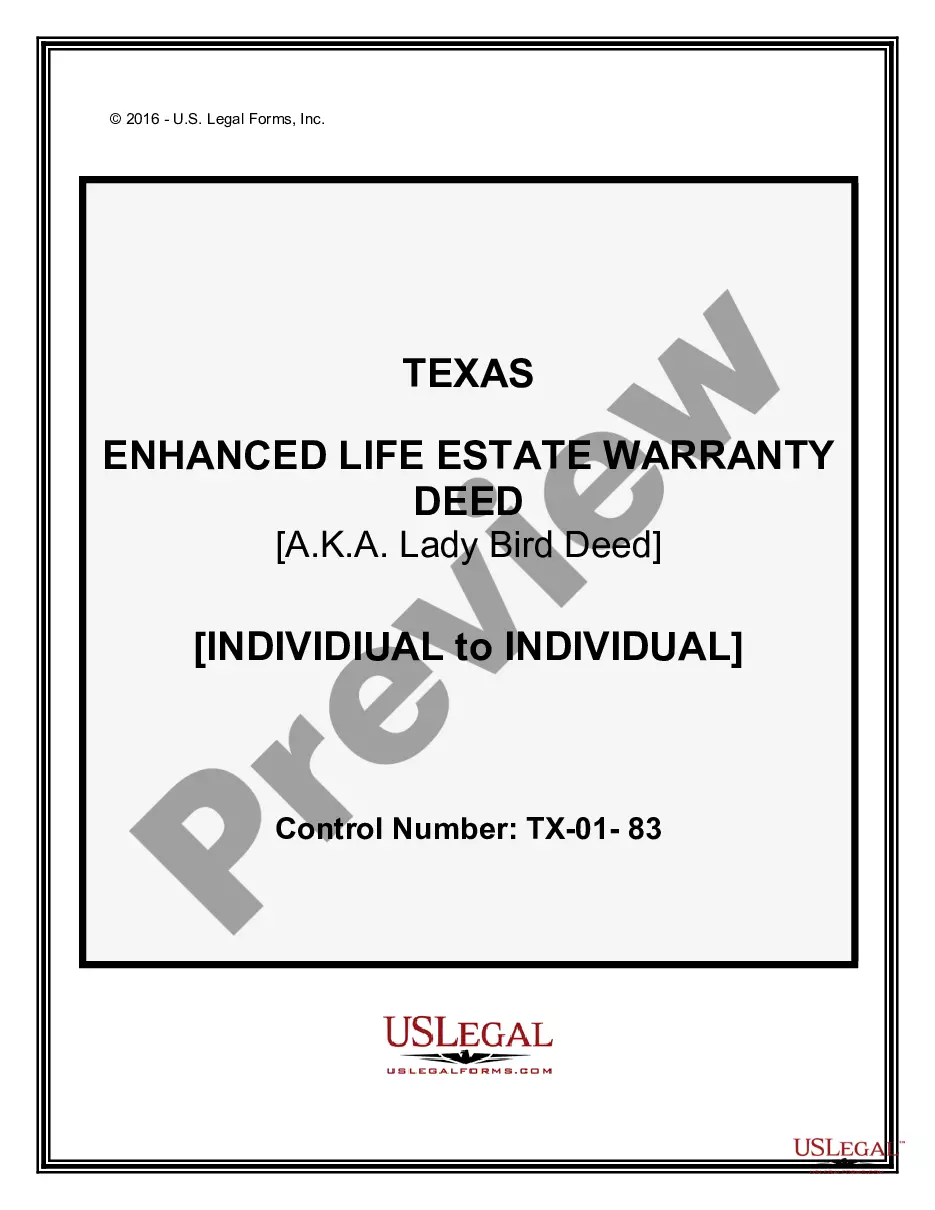
Enhanced Life Deed Texas With A Family
Description


Get your form ready online
Our built-in tools help you complete, sign, share, and store your documents in one place.
Make edits, fill in missing information, and update formatting in US Legal Forms—just like you would in MS Word.
Download a copy, print it, send it by email, or mail it via USPS—whatever works best for your next step.
Sign and collect signatures with our SignNow integration. Send to multiple recipients, set reminders, and more. Go Premium to unlock E-Sign.
If this form requires notarization, complete it online through a secure video call—no need to meet a notary in person or wait for an appointment.
We protect your documents and personal data by following strict security and privacy standards.
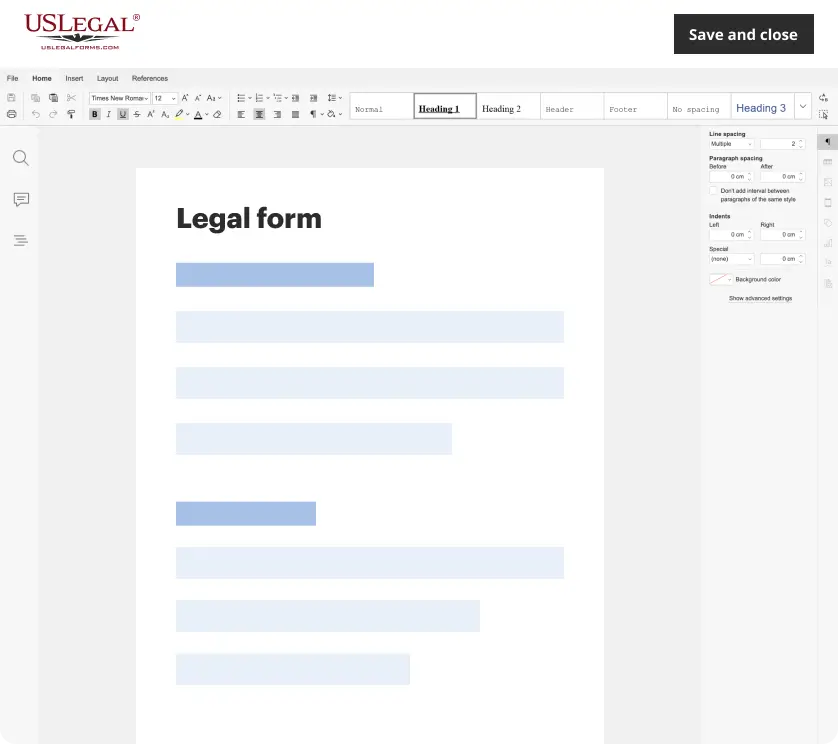
Make edits, fill in missing information, and update formatting in US Legal Forms—just like you would in MS Word.
Download a copy, print it, send it by email, or mail it via USPS—whatever works best for your next step.
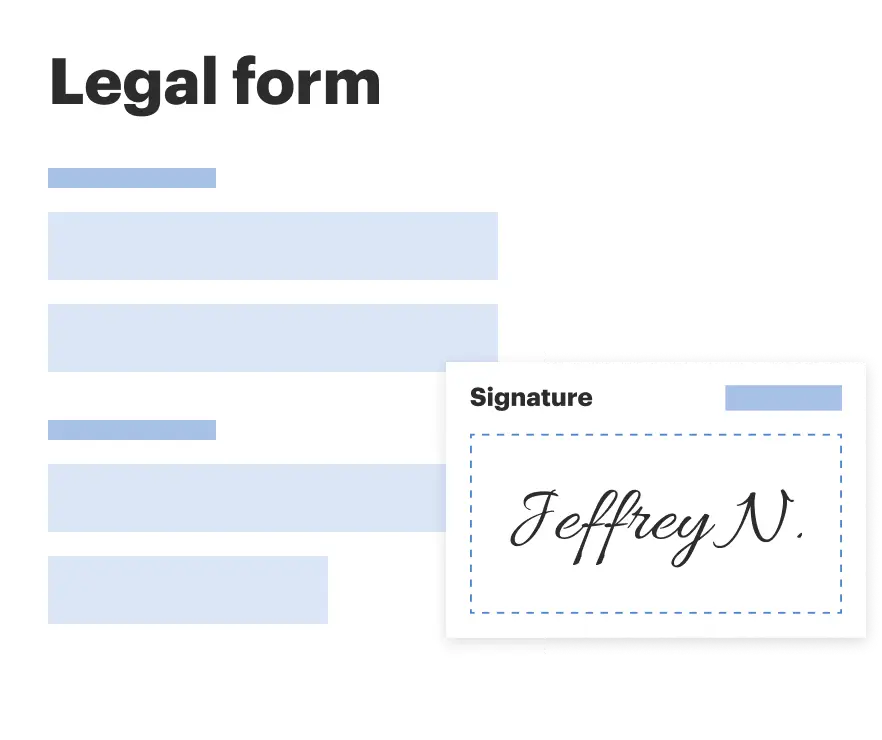
Sign and collect signatures with our SignNow integration. Send to multiple recipients, set reminders, and more. Go Premium to unlock E-Sign.

If this form requires notarization, complete it online through a secure video call—no need to meet a notary in person or wait for an appointment.
We protect your documents and personal data by following strict security and privacy standards.
Looking for another form?
How to fill out Texas Lady Bird Or Enhanced Life Estate Warranty Deed - Individual To Individual?
- Log into your US Legal Forms account if you are a returning user. Ensure your subscription is active, and then select the enhanced life deed template to download.
- For new users, visit the US Legal Forms website and preview the form descriptions to identify the appropriate enhanced life deed that meets Texas requirements.
- Use the search function to find any additional templates needed if you encounter inconsistencies or require different documents.
- Choose the 'Buy Now' option to select your preferred subscription plan and create an account for access to all library resources.
- Complete your purchase by entering your payment details through credit card or PayPal.
- Download the enhanced life deed form to your device for completion and find it conveniently in the 'My Documents' section whenever needed.
Following these steps allows you to efficiently create an enhanced life deed that meets all legal standards in Texas. US Legal Forms offers unmatched benefits, including an extensive library and access to expert assistance.
Start securing your family's property rights today. Visit US Legal Forms to begin your journey.
Form popularity
FAQ
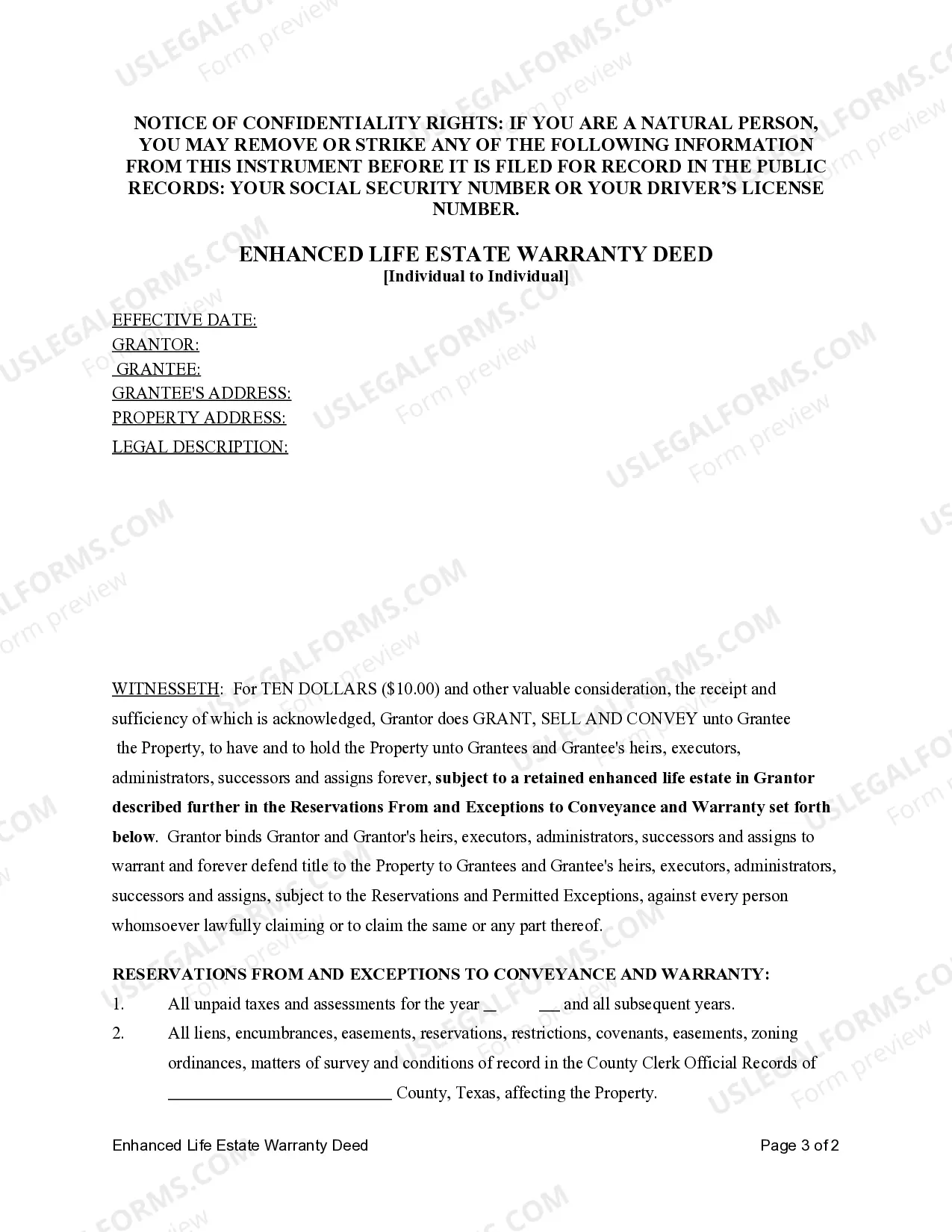
The enhanced life estate deed is one of the best options to avoid probate. This deed transfers ownership of the property directly to chosen family members upon the owner's death, bypassing the probate process entirely. By opting for an enhanced life deed Texas with a family, you streamline the estate transition and provide your loved ones with a smoother inheritance experience.
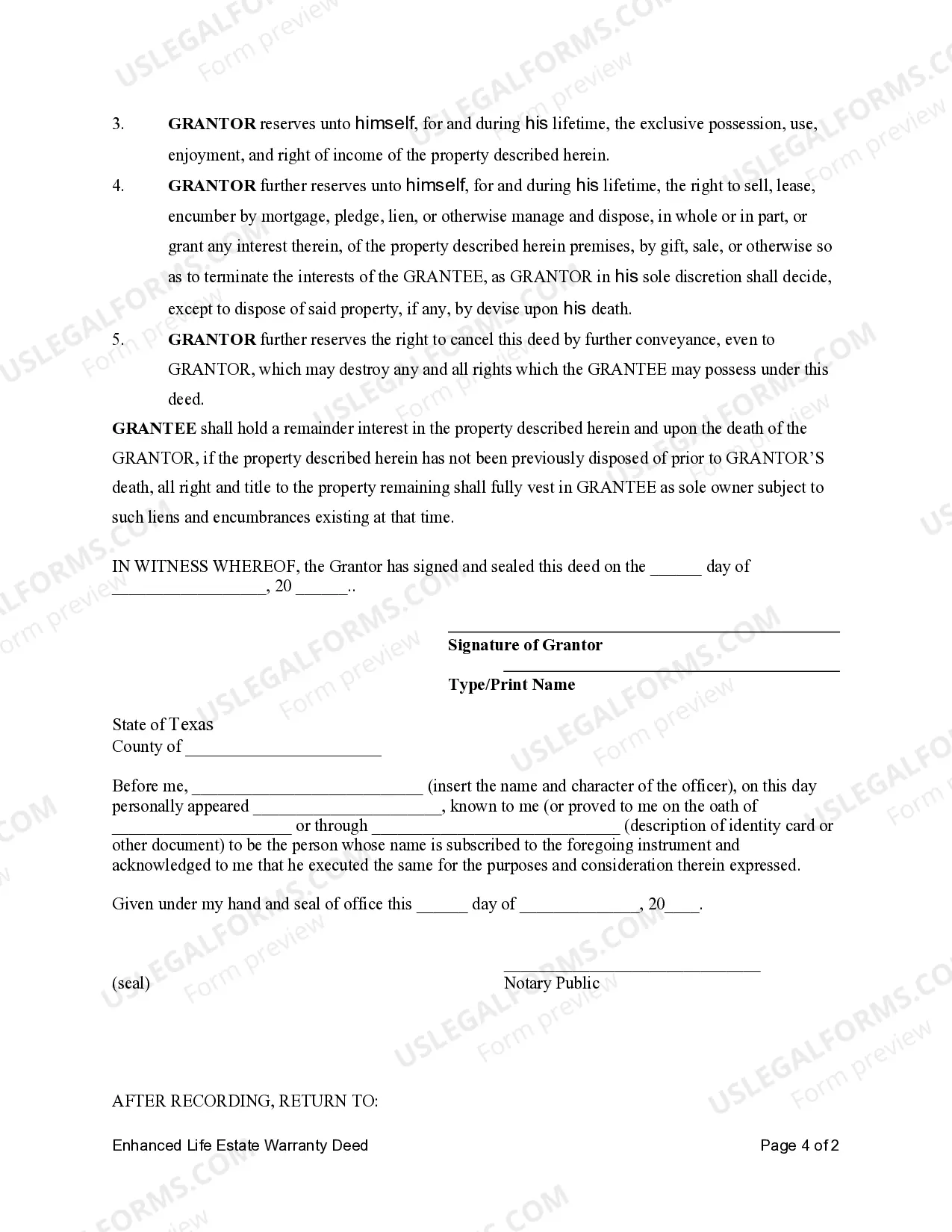
The two main types of life estates are traditional life estates and enhanced life estates. A traditional life estate permits a person to live in a property until their death, but they cannot sell or mortgage it without the consent of remainder beneficiaries. In contrast, the enhanced life estate, particularly valuable for families, provides more control and flexibility for the property owner during their lifetime.
To deed land to a family member in Texas, you must prepare a new deed that includes the necessary legal descriptions. It’s important to name the family member as the grantee and specify any conditions related to ownership. If you're considering an enhanced life deed Texas with a family, you might find helpful templates and guidance on USLegalForms, which offers a straightforward path to complete this process.
An enhanced life estate allows the property owner to enjoy their home while automatically transferring ownership to designated family members upon their passing. Unlike traditional life estates, this option enables homeowners to retain control over the property during their lifetime. Utilizing an enhanced life deed Texas with a family can simplify estate transfer, offering peace of mind for both property owners and their loved ones.
A life estate deed grants the right to occupy a property during one's lifetime, while an enhanced life estate deed allows for more flexibility. With an enhanced life estate deed, the owner retains the right to sell or mortgage the property without requiring consent from remainder beneficiaries. This can be especially advantageous for families, making the enhanced life deed Texas with a family a preferred choice in estate planning.
You may not need a lawyer for a transfer on death (TOD) deed, but seeking legal advice is beneficial. A lawyer can help you navigate the complexities of the process, particularly when adding family members. Ensuring that your enhanced life deed Texas with a family is properly executed can prevent future legal complications. Consider using USLegalForms to access user-friendly templates and resources.
To add someone to a home title in Texas, you will need to create and execute a new deed that names both the current owner and the new co-owner. This deed must then be filed with the local county clerk. If you are looking for a straightforward solution that may offer additional protections, consider an enhanced life deed Texas with a family, which helps ensure that your loved ones benefit from a smoother transition of property ownership.
To add a family member to your property title in Texas, you can prepare a new deed, which includes the names of both parties, and file it with the local county clerk's office. Using an enhanced life deed Texas with a family can make this process smoother, as it not only allows for co-ownership but also ensures that the property can transfer seamlessly upon the original owner's death. It's essential to understand the implications of this change, so consider consulting a legal professional if needed.
An example of an enhanced life estate deed would be a situation where a parent conveys the property to their children while retaining the right to live in the house for the remainder of their life. The enhanced life deed Texas with a family ensures that once the parent passes away, the property ownership immediately passes to the children, bypassing the probate process. This arrangement can protect the home's value and provide peace of mind for families.
Yes, you can add someone to your house title without refinancing your mortgage. You would execute a new deed reflecting the new ownership and file it with the county. If you are considering an enhanced life deed Texas with a family, this strategy can be especially beneficial as it allows for easier transfer of ownership while providing you the right to live in the property during your lifetime.