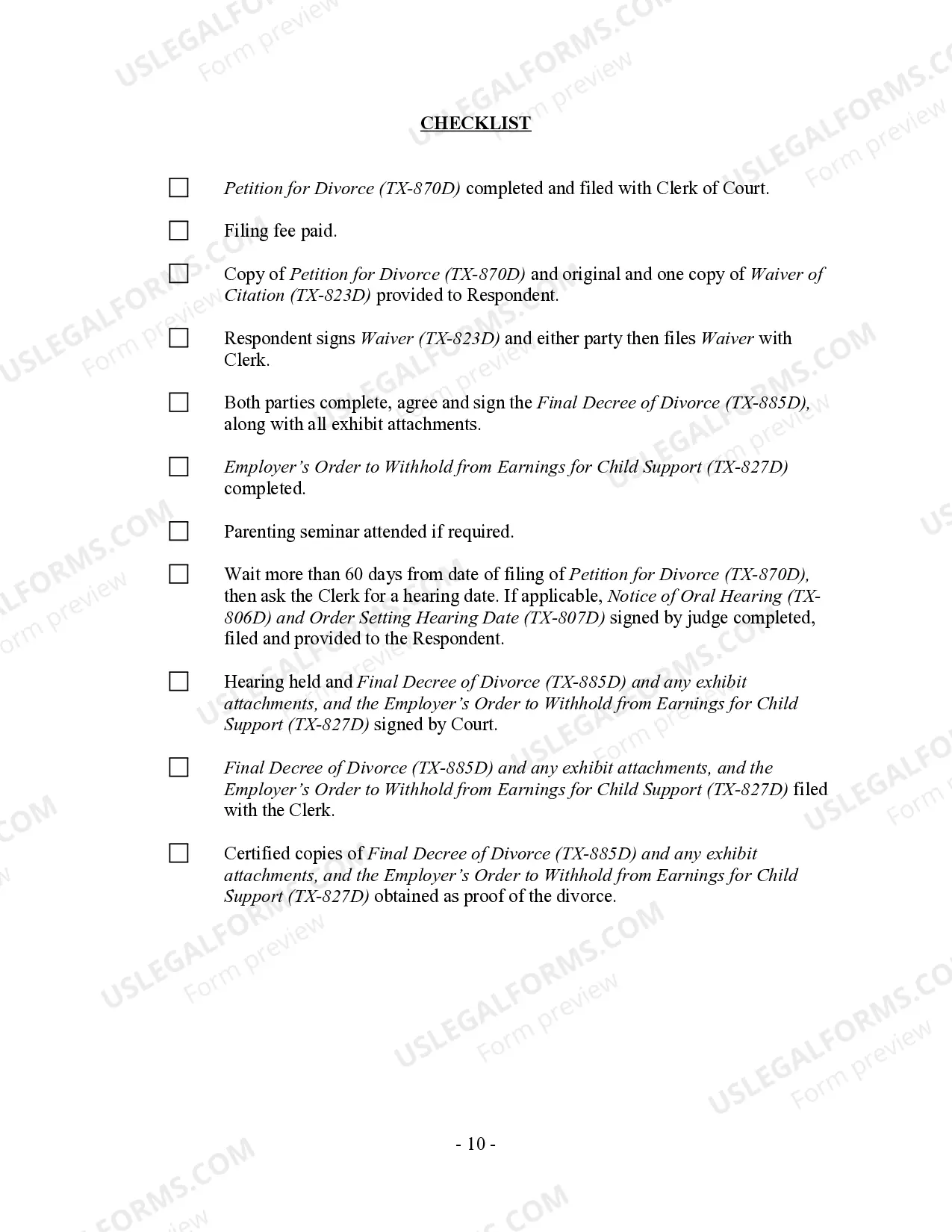
Texas Uncontested No Fault Divorce Forms Form

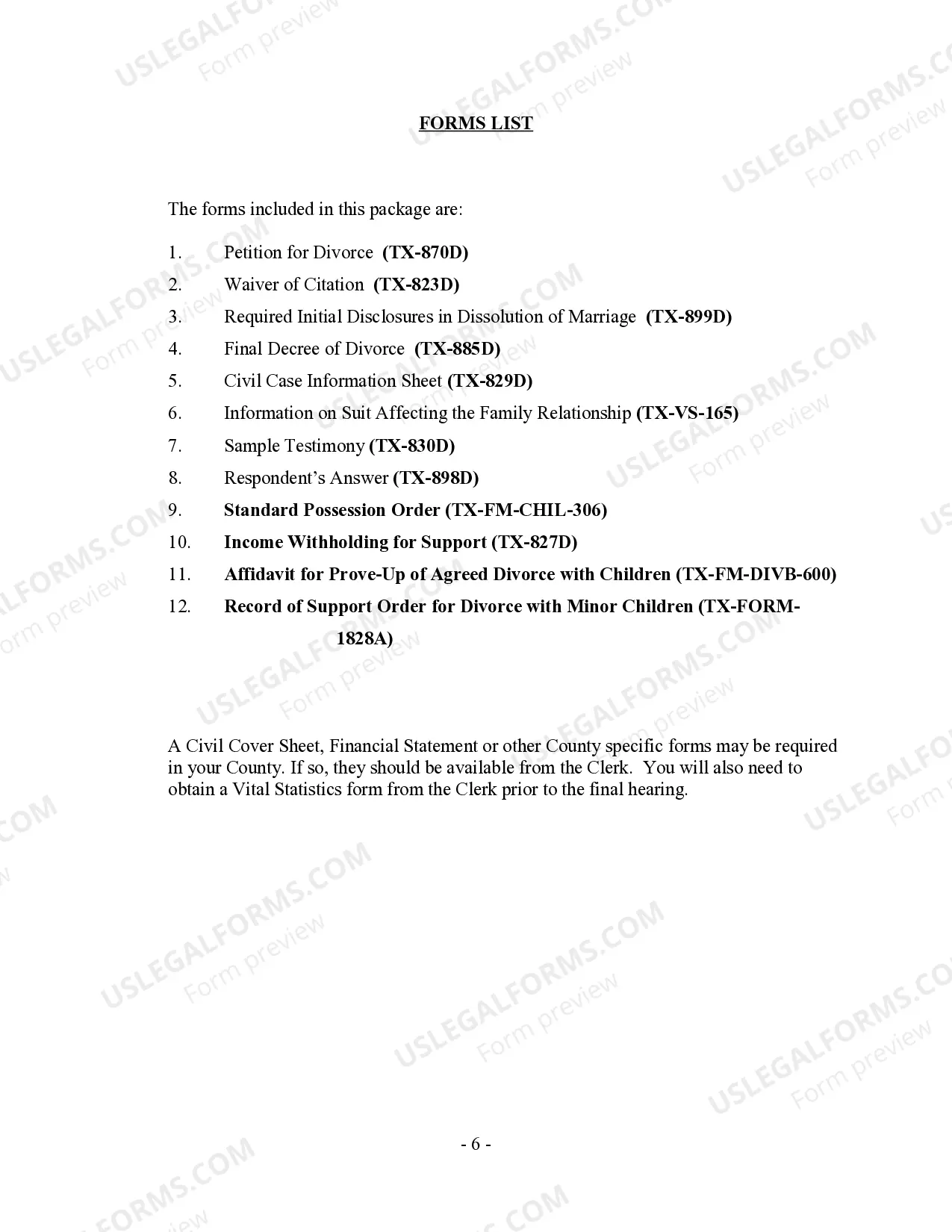
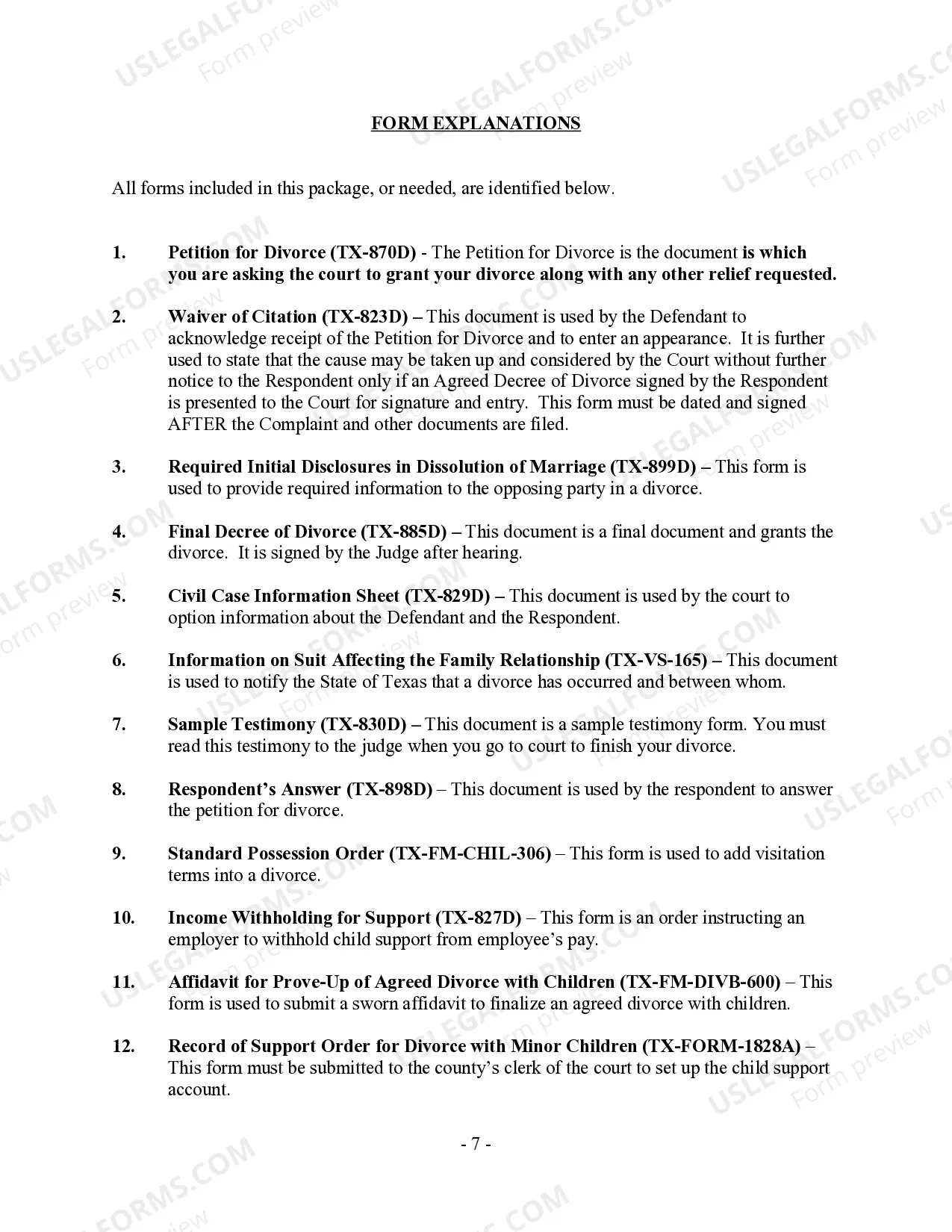
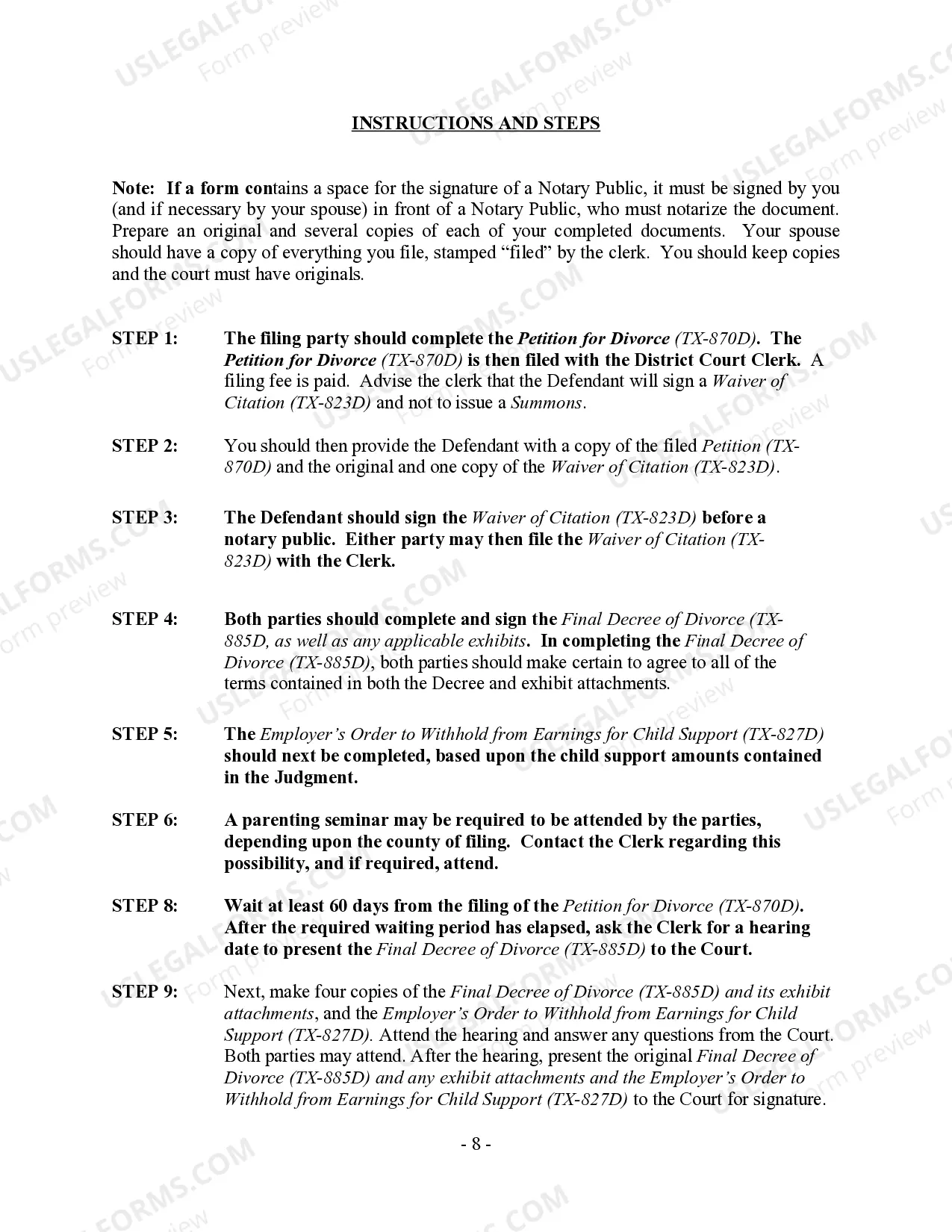
Description
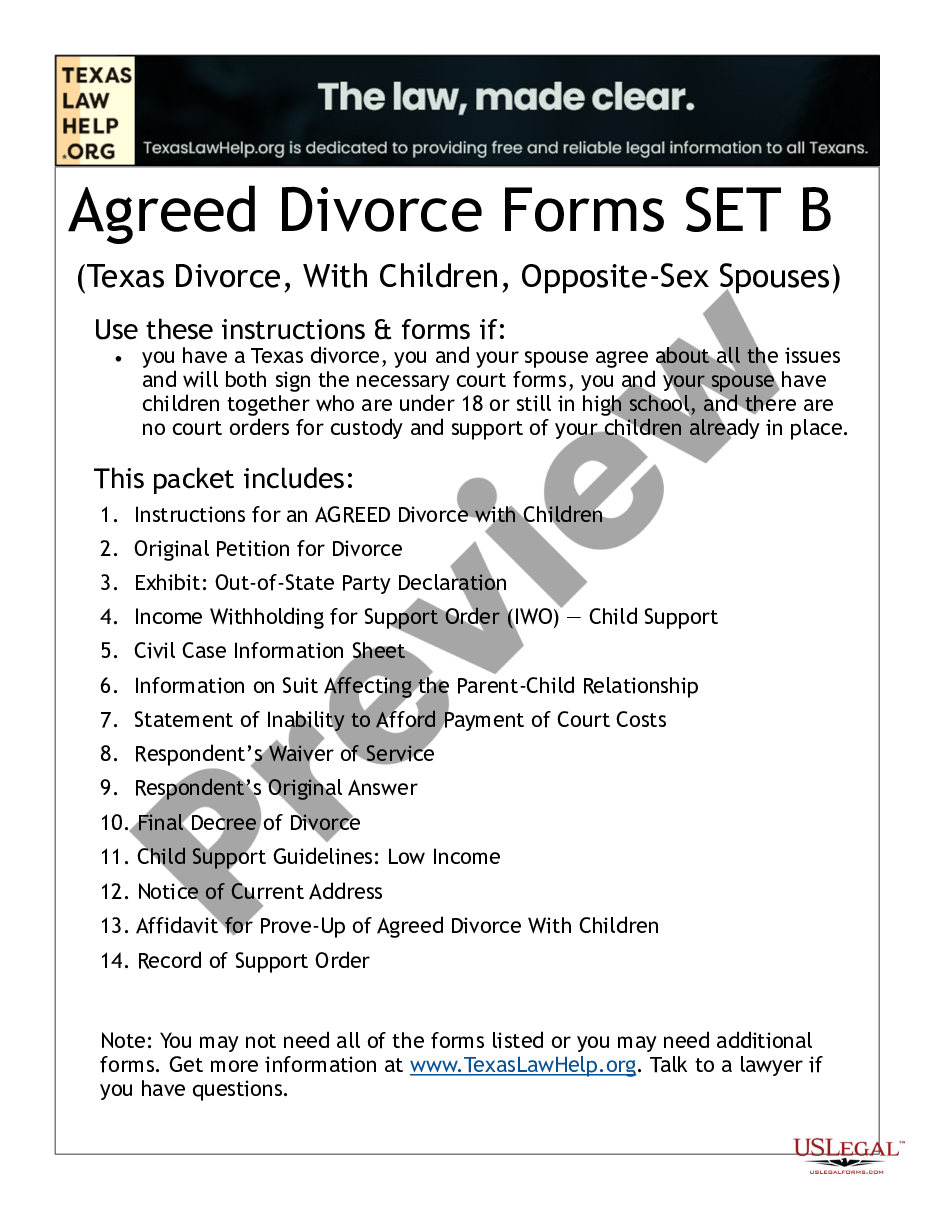
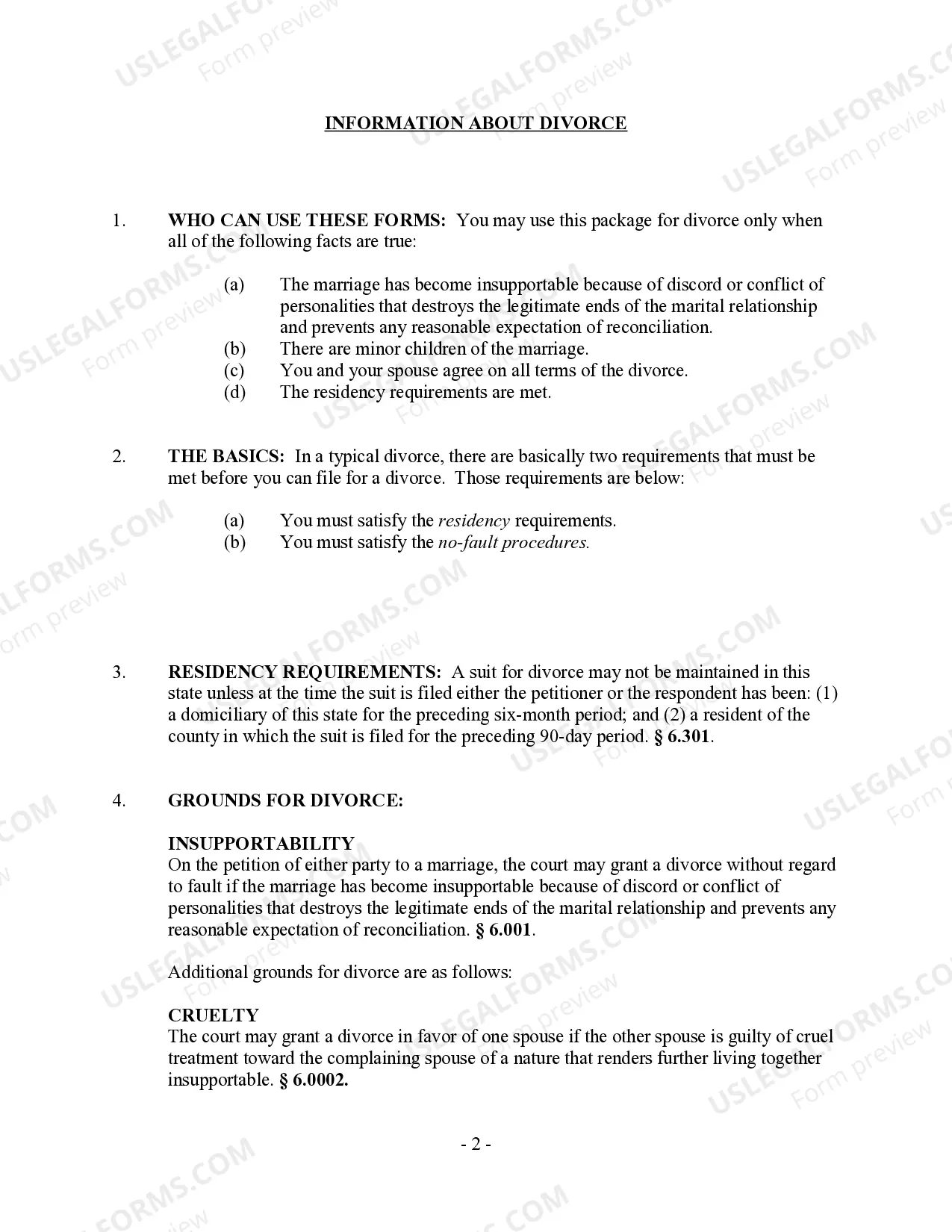
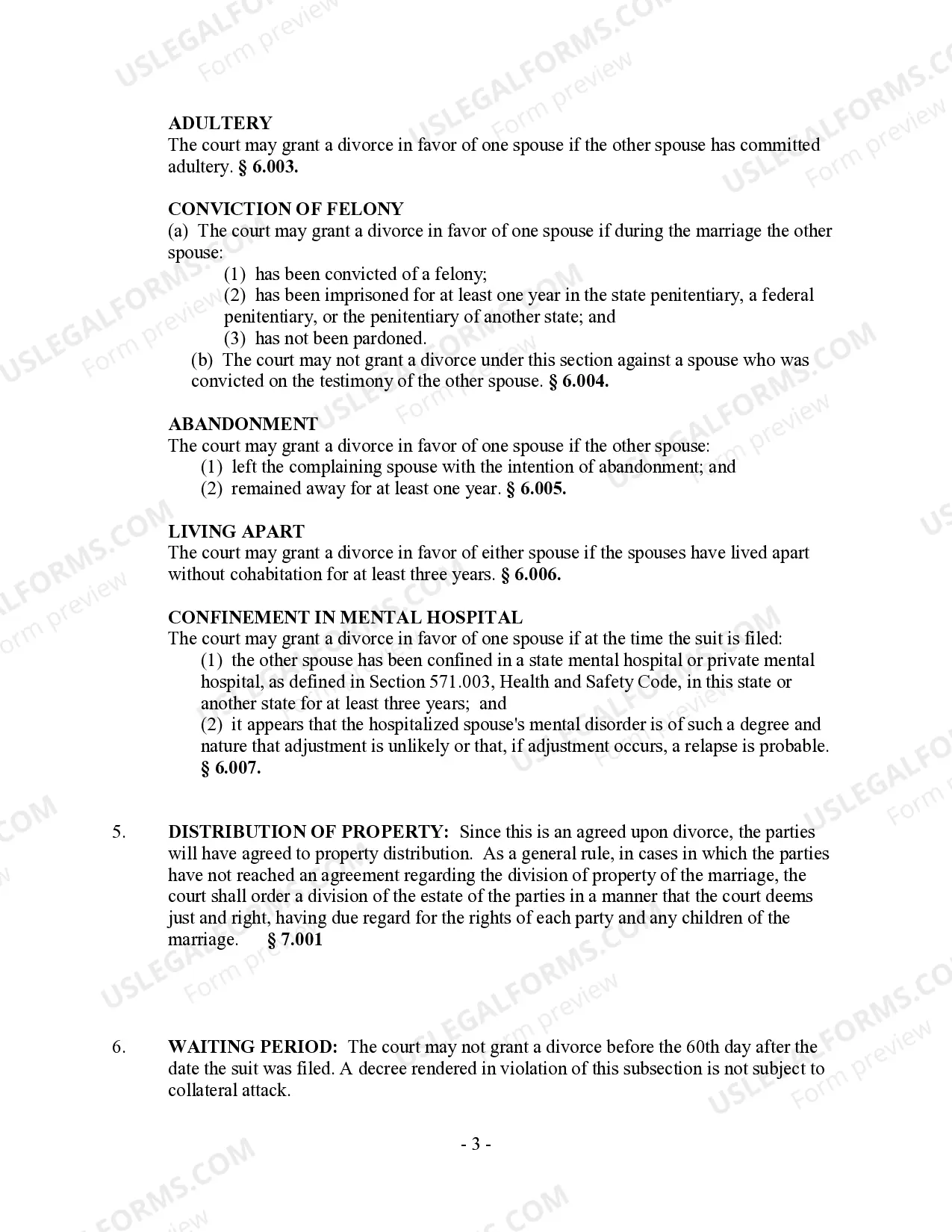
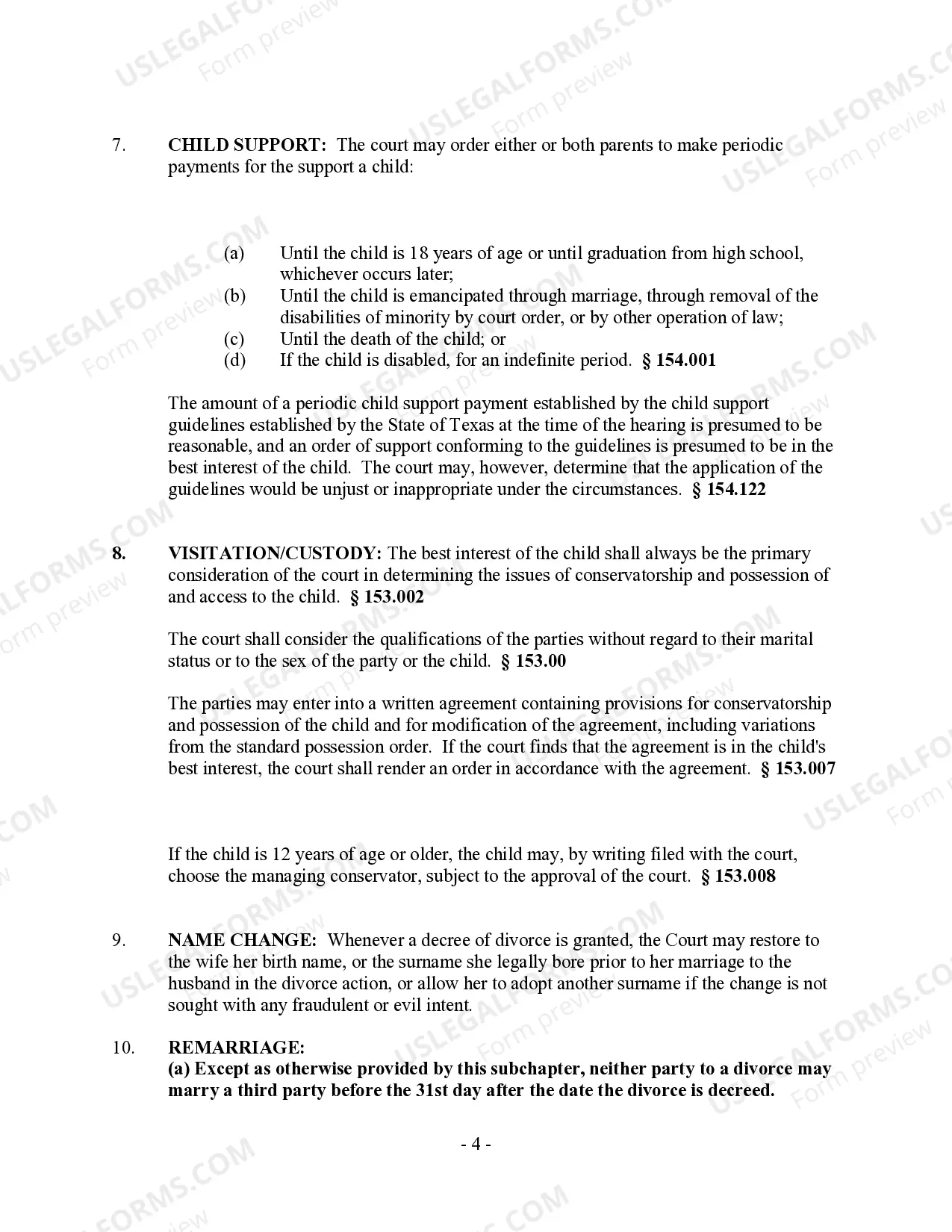


Get your form ready online
Our built-in tools help you complete, sign, share, and store your documents in one place.
Make edits, fill in missing information, and update formatting in US Legal Forms—just like you would in MS Word.
Download a copy, print it, send it by email, or mail it via USPS—whatever works best for your next step.
Sign and collect signatures with our SignNow integration. Send to multiple recipients, set reminders, and more. Go Premium to unlock E-Sign.
If this form requires notarization, complete it online through a secure video call—no need to meet a notary in person or wait for an appointment.
We protect your documents and personal data by following strict security and privacy standards.

Make edits, fill in missing information, and update formatting in US Legal Forms—just like you would in MS Word.

Download a copy, print it, send it by email, or mail it via USPS—whatever works best for your next step.

Sign and collect signatures with our SignNow integration. Send to multiple recipients, set reminders, and more. Go Premium to unlock E-Sign.

If this form requires notarization, complete it online through a secure video call—no need to meet a notary in person or wait for an appointment.

We protect your documents and personal data by following strict security and privacy standards.
Looking for another form?


Form popularity
FAQ
You can complete many steps of a divorce online, including filling out the Texas uncontested no fault divorce forms form. However, in Texas, there is typically a court appearance for final approval. By using an online service to prepare your forms, you can streamline the process and reduce in-person visits. That said, check with your local court for specific requirements.
Yes, a Texas divorce online is legal when you use the appropriate forms, like the Texas uncontested no fault divorce forms form. Online resources simplify the process, ensuring you complete the necessary documentation correctly. However, it is essential to verify that the platform you use complies with Texas law. Always read reviews to ensure a trustworthy service.
To file a no fault divorce in Texas, you start by completing the Texas uncontested no fault divorce forms form. Ensure all information is accurate and that you meet the residency requirement of six months in Texas. After preparing your documents, you can file them at your local courthouse. Following the court's instructions, you will then await a judge's approval.
In Texas, the divorce decree is typically filed by the spouse who initiates the divorce process. However, if you are using the Texas uncontested no fault divorce forms form, both parties can agree on terms and file together, which may expedite the procedure. It’s vital to consult resources like US Legal Forms to find the right forms and instructions for a smoother filing experience.
The 10 year rule in Texas refers to a provision that allows a spouse to seek a portion of the other spouse's retirement benefits after a marriage lasting ten years or more. This rule emphasizes the importance of knowing your rights regarding property division in divorce proceedings. Using the Texas uncontested no fault divorce forms form can help you navigate these complexities and ensure you don’t miss out on your entitlements.
Filing for divorce may offer certain advantages, but it largely depends on your specific situation. In most cases, the one who files first can feel more in control of the process and timelines. Using the Texas uncontested no fault divorce forms form from US Legal Forms can simplify this journey, ensuring you complete all necessary paperwork correctly and efficiently.
To register a foreign divorce decree in Texas, you need to provide the court with the original foreign decree along with a certified translation, if necessary. Next, you must complete the appropriate Texas uncontested no fault divorce forms form, ensuring all details match your foreign decree. Filing this paperwork with the proper Texas court will help you formalize your divorce status in the state.
Filling out a divorce decree in Texas involves several steps. Firstly, gather all necessary information, including your personal details and those of your spouse. Next, ensure you have the correct Texas uncontested no fault divorce forms form, which are often available on platforms like US Legal Forms. Finally, carefully complete the form, double-checking for accuracy before submitting it with your court.
In Texas, a spouse can file for divorce without the other person's consent. This means your husband can initiate the process even if you disagree. However, if you both complete the Texas uncontested no fault divorce forms form and agree on terms, the process can be more straightforward. Open communication can often lead to a mutual agreement, reducing conflict.
Yes, you can file your own divorce papers in Texas. This option is viable when you can properly complete the Texas uncontested no fault divorce forms form. By doing so, you take control of the process and can avoid legal fees. However, ensure that you understand the filing procedures to prevent errors that might delay your case.