Renunciation Property Intestate With Us Citizen
Description


Get your form ready online
Our built-in tools help you complete, sign, share, and store your documents in one place.
Make edits, fill in missing information, and update formatting in US Legal Forms—just like you would in MS Word.
Download a copy, print it, send it by email, or mail it via USPS—whatever works best for your next step.
Sign and collect signatures with our SignNow integration. Send to multiple recipients, set reminders, and more. Go Premium to unlock E-Sign.
If this form requires notarization, complete it online through a secure video call—no need to meet a notary in person or wait for an appointment.
We protect your documents and personal data by following strict security and privacy standards.
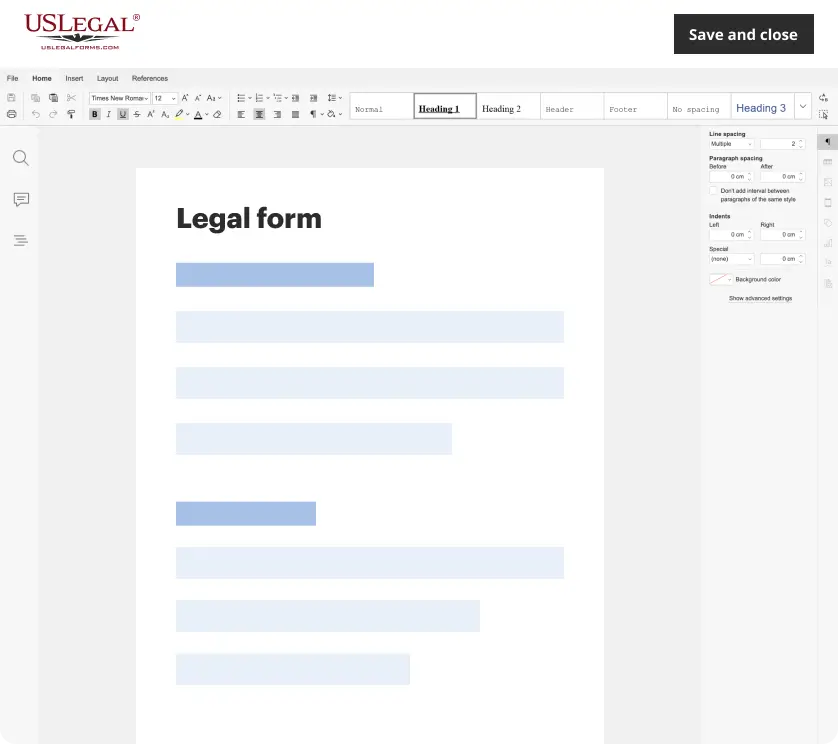
Make edits, fill in missing information, and update formatting in US Legal Forms—just like you would in MS Word.
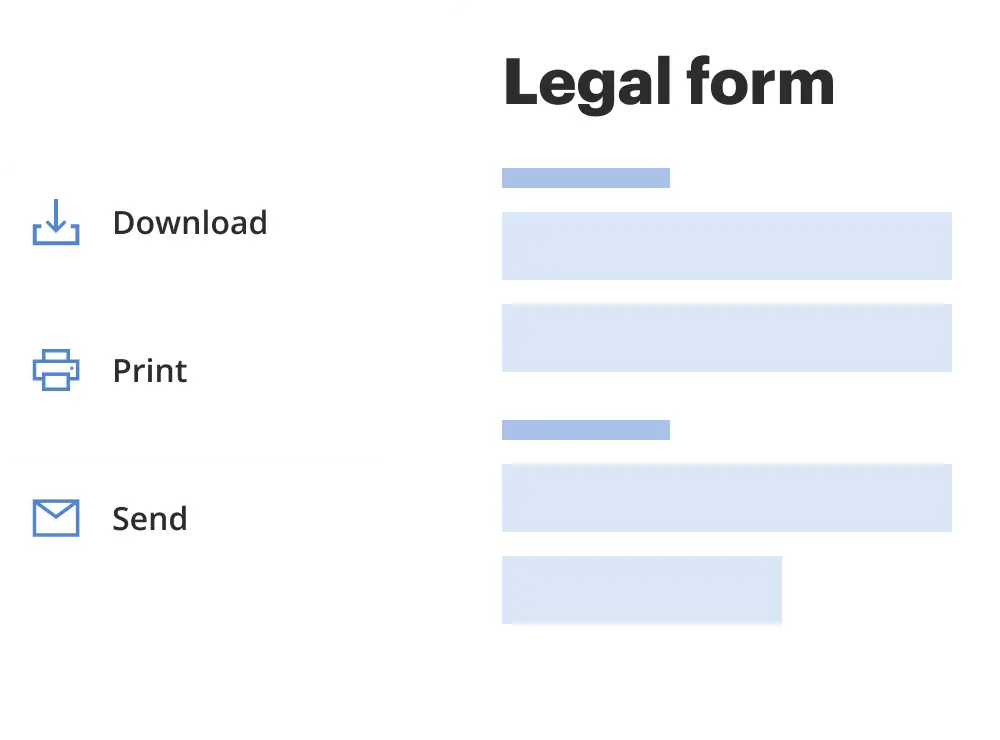
Download a copy, print it, send it by email, or mail it via USPS—whatever works best for your next step.
Sign and collect signatures with our SignNow integration. Send to multiple recipients, set reminders, and more. Go Premium to unlock E-Sign.

If this form requires notarization, complete it online through a secure video call—no need to meet a notary in person or wait for an appointment.
We protect your documents and personal data by following strict security and privacy standards.
Looking for another form?
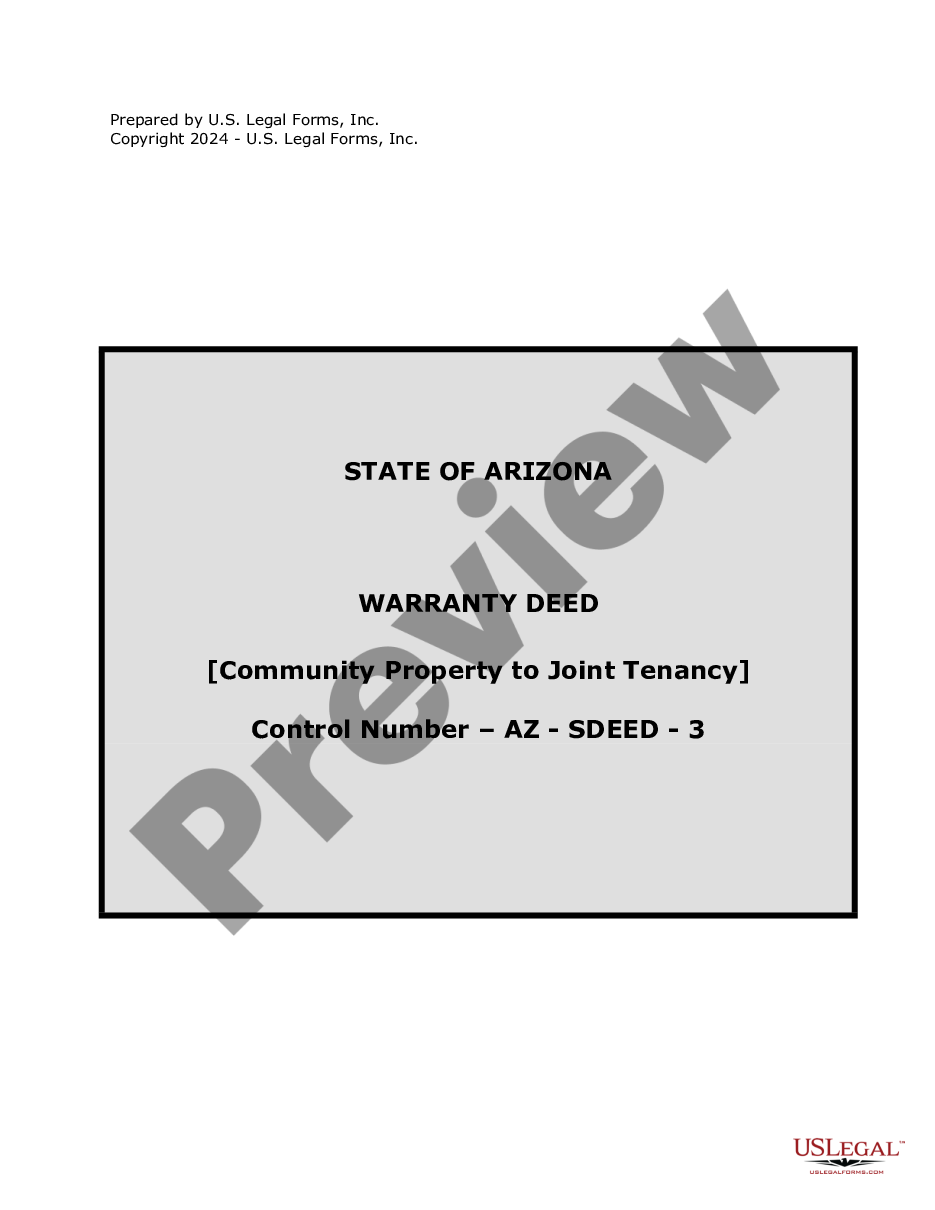
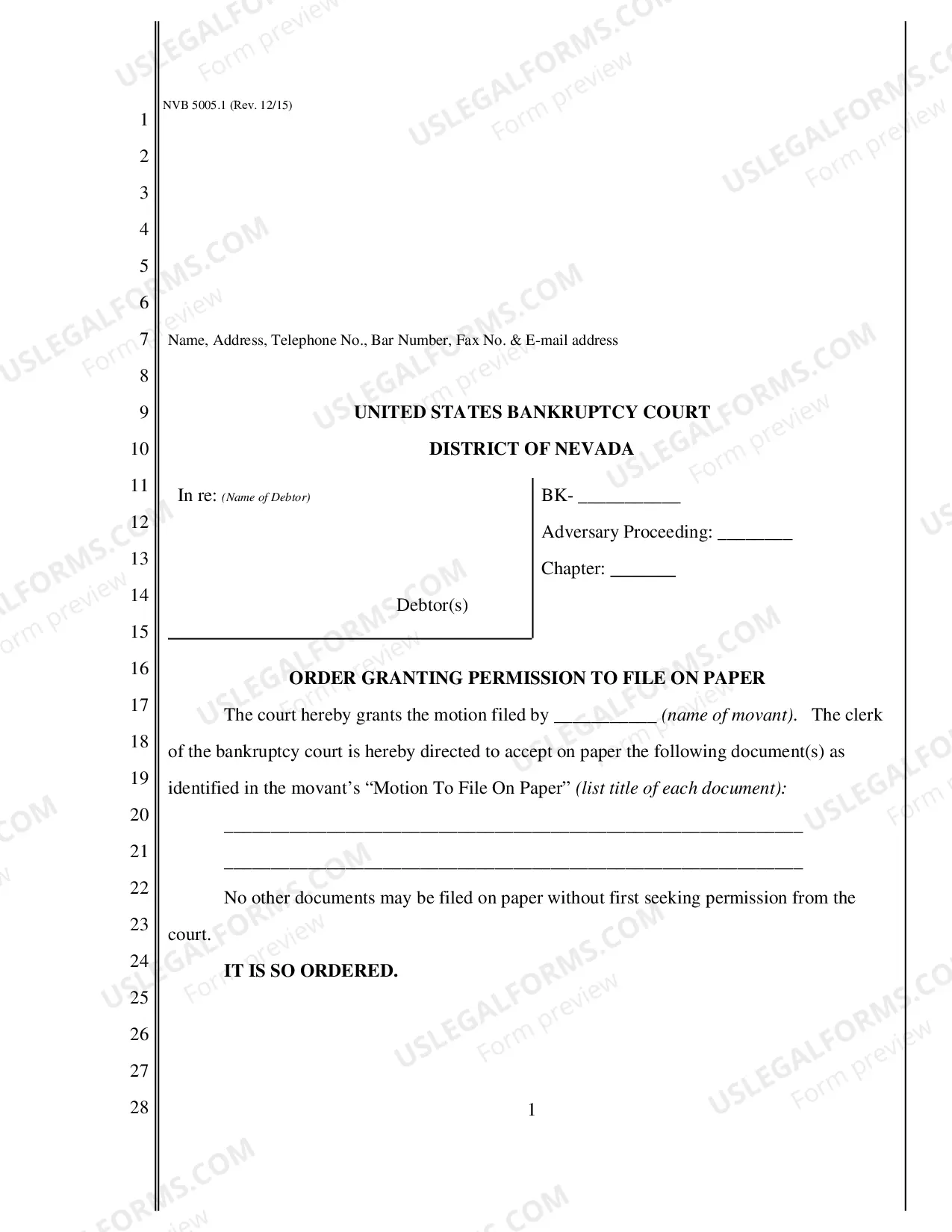


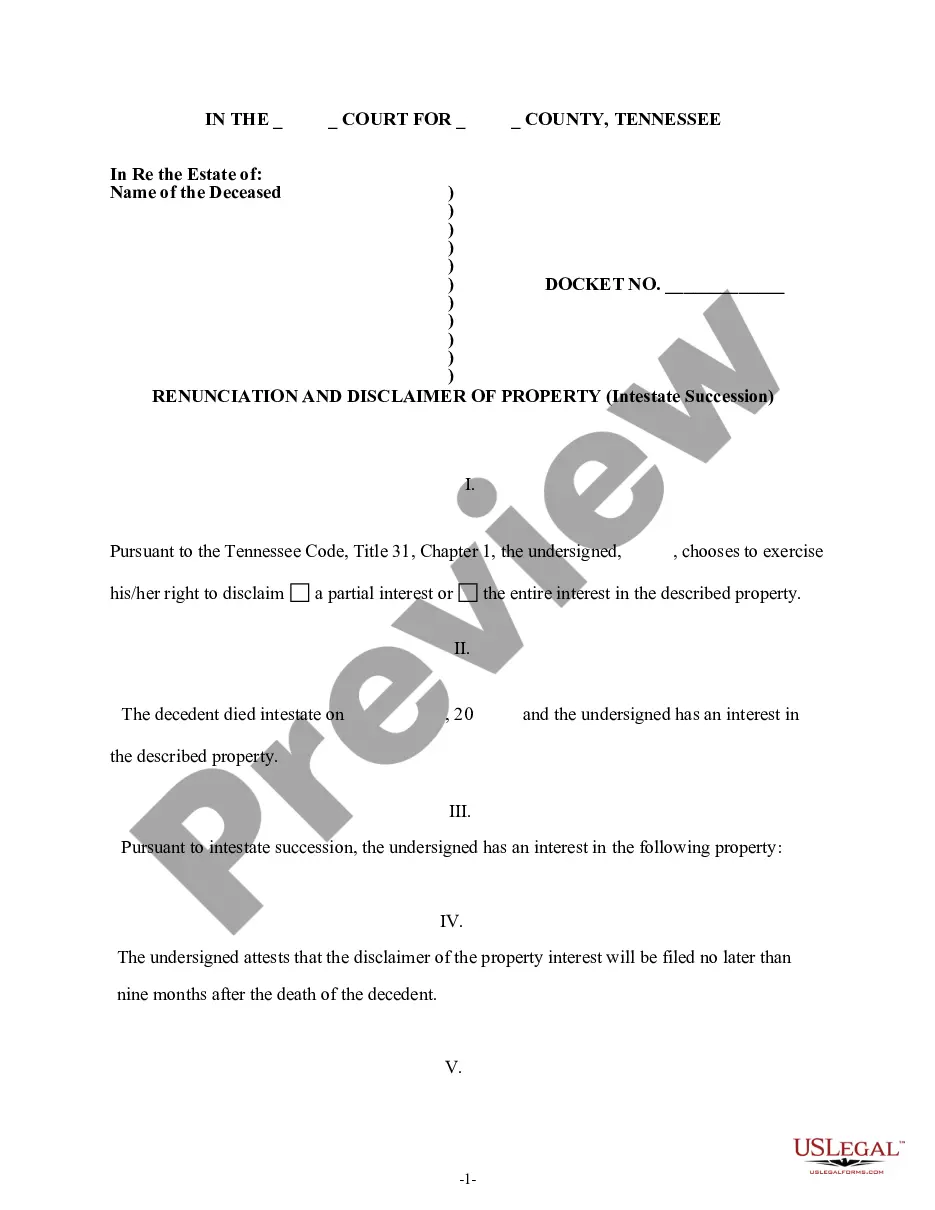
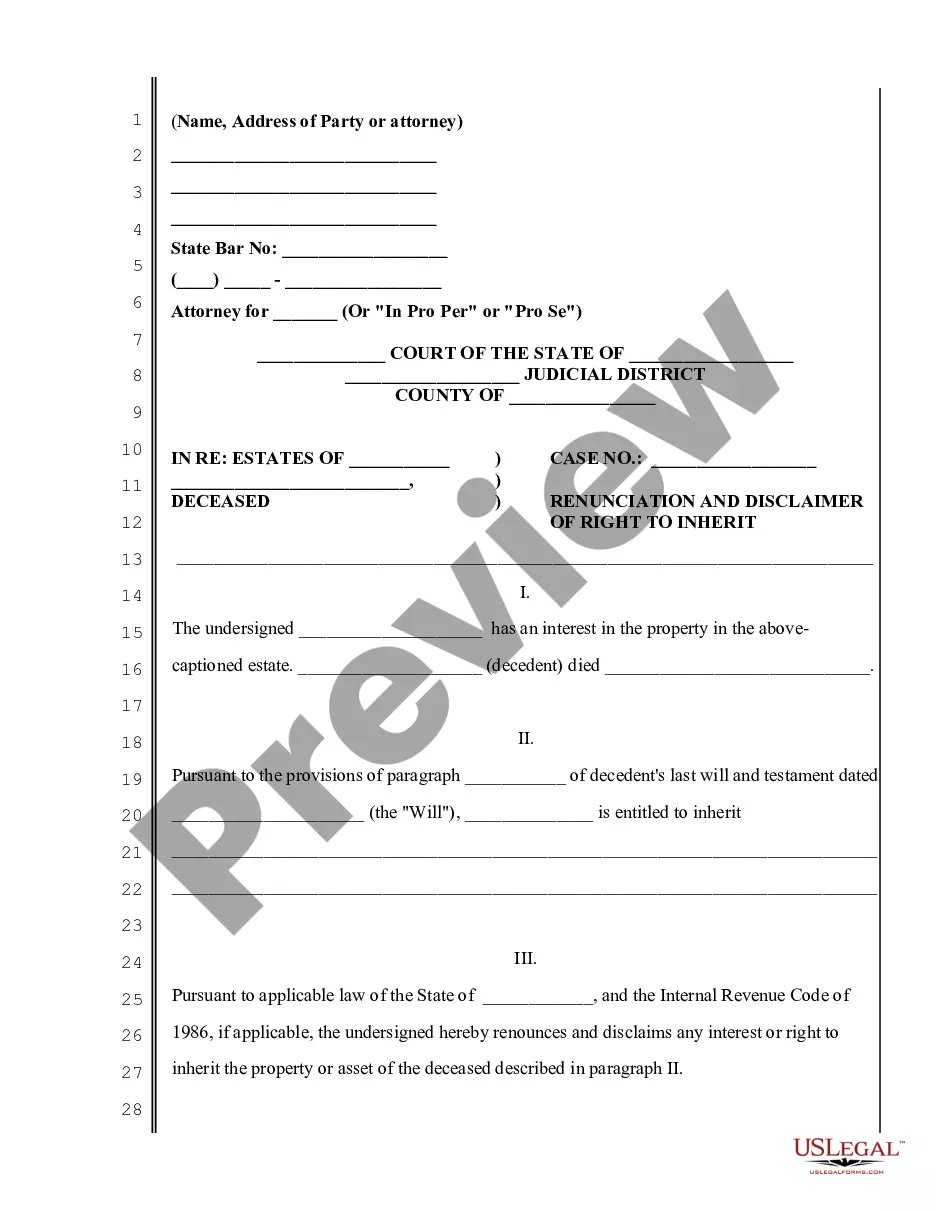
How to fill out Tennessee Renunciation And Disclaimer Of Property Received By Intestate Succession?
- Log in to your US Legal Forms account if you're a returning user. Ensure your subscription is current before proceeding to download your required form template.
- For first-time users, start by verifying the form's preview and description to confirm it suits your specific needs and adheres to jurisdiction requirements.
- If you need a different form, utilize the Search tab to find the appropriate document that meets your criteria and standards.
- Purchase the necessary document by clicking on the Buy Now button and select your desired subscription plan. Registration for an account is required to gain full access to the platform.
- Complete your purchase by entering your payment details, either through credit card or PayPal, to unlock the subscription and access documentation.
- Download your chosen form to your device. You can later access this document from the My Forms section in your account whenever required.
Utilizing US Legal Forms not only simplifies the process of renouncing property intestate but also guarantees that you're using a reliable and comprehensive resource. With access to over 85,000 customizable legal templates and professional assistance, your legal documentation will be precise and adhere to all necessary guidelines.
Don't navigate the complexities of legal forms alone; access US Legal Forms today for a seamless experience in handling your legal documentation.
Form popularity
FAQ
Yes, a non-citizen can inherit property in the US without any restrictions. Inheritance is generally not limited by a person's citizenship status. Therefore, if you are dealing with renunciation property intestate with a US citizen, it's crucial to be aware of how local laws govern survival benefits and asset transfers.
The renunciation process involves formally declining your rights to inherit property or assets. This method is often pursued when an heir wishes to renounce their claim, especially in cases involving renunciation property intestate with a US citizen. Engaging with a knowledgeable attorney or using platforms like US Legal Forms can streamline this process and ensure compliance with legal requirements.
Inheritance from a non-US citizen may have certain tax implications. Typically, the estate itself, not the beneficiary, is responsible for taxes. When considering renunciation property intestate with a US citizen, understanding these tax laws can provide valuable insights for both beneficiaries and estate executors.
Yes, a non-US citizen can be named as a beneficiary in a will. When it comes to renunciation property intestate with a US citizen, the beneficiary can inherit assets according to the will's terms. However, consulting a legal expert can clarify any specific implications related to taxes or legal rights.
Returning to the U.S. after renouncing citizenship is possible, but typically requires obtaining a visa or legal entry status. It's important to navigate the immigration laws carefully, as past renunciation can affect future applications. If you have concerns regarding renunciation property intestate with us citizen, legal resources can help guide you through the implications of your decisions.
Restoring lost U.S. citizenship after renouncing it involves a formal application process, which can be challenging. Applicants must demonstrate their intention to return and comply with certain legal requirements. If you find yourself dealing with renunciation property intestate with us citizen, seeking legal assistance can help you understand the restoration process better.
Yes, a non-US citizen can inherit property from a US citizen. However, there may be tax implications and complexities involved in transferring assets. If you're navigating an estate that includes renunciation property intestate with us citizen, it's wise to consult with professionals who can help clarify any legal nuances.
Yes, renouncing US citizenship can lead to deportation if the individual is living illegally in the country. The act of renunciation may remove any protection against removal proceedings. This scenario often intertwines with issues surrounding renunciation property intestate with us citizen, as legal residency status can impact inheritance rights.
Regaining US citizenship after renouncing it is possible, but it is not guaranteed. The individual must apply for a waiver and go through a complex legal process to have their citizenship restored. Consulting legal experts familiar with renunciation property intestate with us citizen can provide essential guidance through this journey.
When a US citizen dies intestate, their assets are distributed according to state laws. The court appoints an administrator to manage the estate, and property will go to heirs based on the state's intestacy laws. If you are dealing with renunciation property intestate with us citizen, understanding these laws can be pivotal in preserving your interests.