Tenant Landlord With With A Landlord
Description


Get your form ready online
Our built-in tools help you complete, sign, share, and store your documents in one place.
Make edits, fill in missing information, and update formatting in US Legal Forms—just like you would in MS Word.
Download a copy, print it, send it by email, or mail it via USPS—whatever works best for your next step.
Sign and collect signatures with our SignNow integration. Send to multiple recipients, set reminders, and more. Go Premium to unlock E-Sign.
If this form requires notarization, complete it online through a secure video call—no need to meet a notary in person or wait for an appointment.
We protect your documents and personal data by following strict security and privacy standards.

Make edits, fill in missing information, and update formatting in US Legal Forms—just like you would in MS Word.

Download a copy, print it, send it by email, or mail it via USPS—whatever works best for your next step.

Sign and collect signatures with our SignNow integration. Send to multiple recipients, set reminders, and more. Go Premium to unlock E-Sign.

If this form requires notarization, complete it online through a secure video call—no need to meet a notary in person or wait for an appointment.

We protect your documents and personal data by following strict security and privacy standards.
Looking for another form?
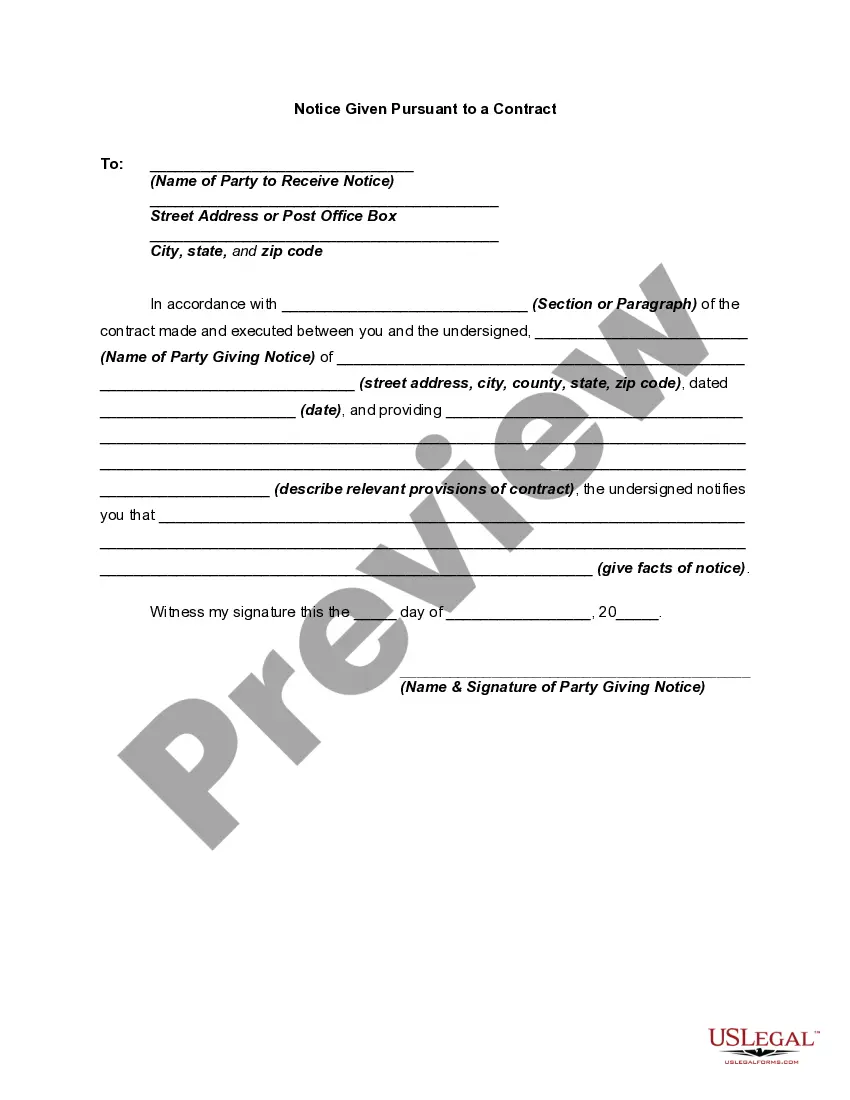
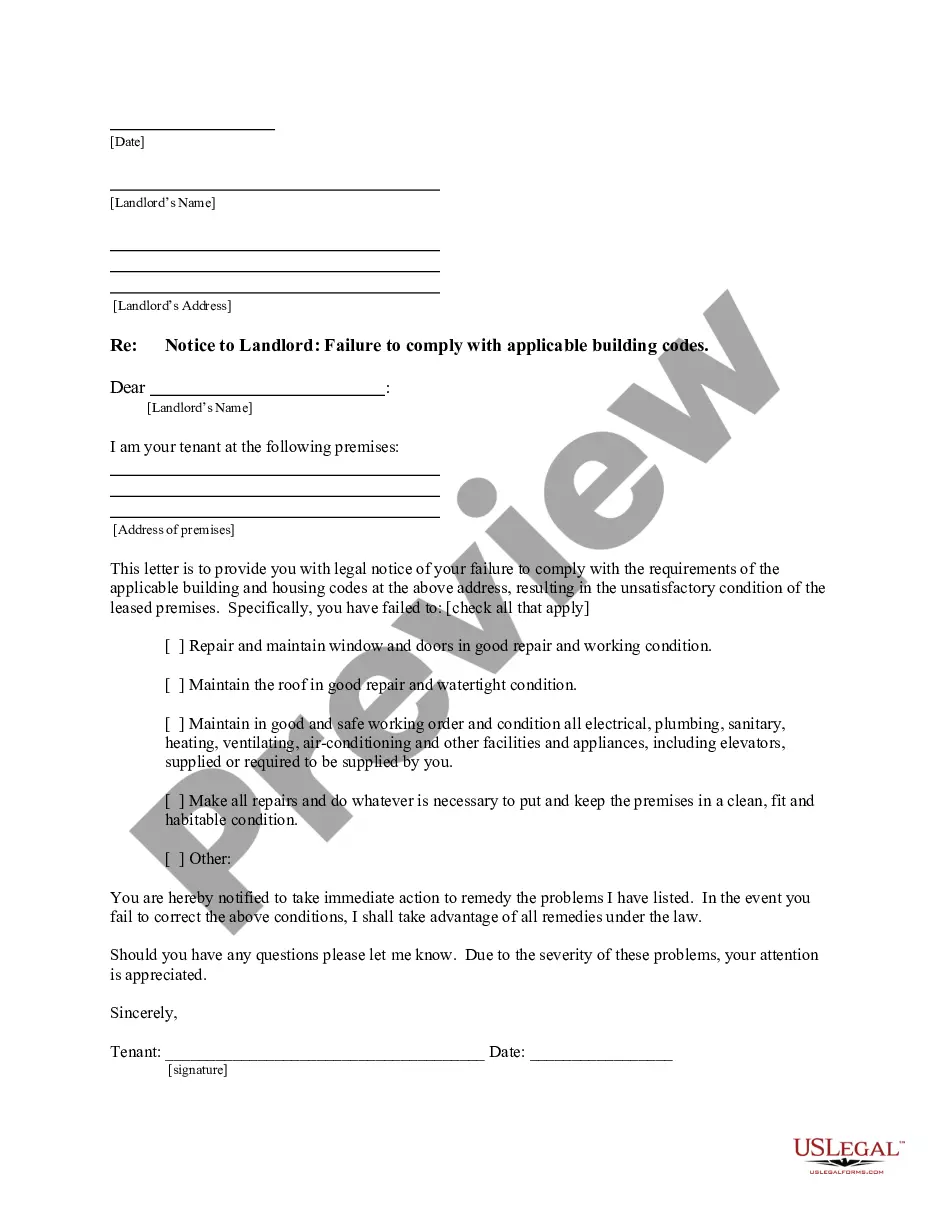
How to fill out New Mexico Letter From Tenant To Landlord For Failure Of Landlord To Comply With Building Codes Affecting Health And Safety Or Resulting In Untenantable Condition - Demand For Remedy?
- If you're a returning user, log in to your account and check your subscription status. Ensure it is active before downloading the desired form template.
- For new users, start by exploring the form descriptions in 'Preview mode' to find the document that precisely meets your needs according to local jurisdiction.
- If you find discrepancies or need additional forms, utilize the Search tab to locate the right document. Once found, proceed if it fits your requirements.
- Purchase the selected document by clicking the Buy Now button and choose your desired subscription plan. You'll need to create an account for access to the complete library.
- Complete your purchase using your credit card or PayPal for convenience, and then download the form to your device.
- Access the downloaded template from the My Forms section in your profile whenever needed.
US Legal Forms offers an unrivaled collection of over 85,000 legal forms, empowering both tenants and landlords to create legally sound documents. With premium expert assistance available, you can ensure your forms are completed accurately.
Take advantage of US Legal Forms today for all your legal document needs. Start simplifying your tenant and landlord interactions with ease!
Form popularity
FAQ
In Tennessee, landlords cannot evict tenants without following legal processes, discriminate against tenants, or enter a rental property without notice. These actions violate state laws designed to protect tenants. Understanding your rights ensures a balanced tenant landlord with a landlord relationship. For more assistance and resources, check USLegalForms.
You typically do not need to inform your landlord about short-term guests, but many leases require you to notify them if someone is living with you long-term. This notification helps maintain clarity in the tenant landlord with a landlord relationship. Always check your lease for specific rules regarding additional occupants. For guidance on lease agreements, visit USLegalForms.
Yes, you can refuse entry to your landlord unless it is an emergency or you have previously agreed to allow entry. It is essential for landlords to respect a tenant’s privacy and provide proper notice. Clarity and mutual respect are key components for fostering an ideal tenant landlord with a landlord relationship. For more insights, explore USLegalForms.
Tenants can refuse entry to their landlord under certain circumstances, especially if proper notice is not given. Landlords typically must provide reasonable notice before entering, except in emergencies. Open dialogue with a landlord can foster a better understanding of tenant rights and responsibilities. Consider checking USLegalForms for more detailed information.
Generally, tenants can allow guests to stay with them, even if those guests are not on the lease. However, it is important to check your lease agreement, as there may be specific clauses regarding long-term visitors or additional occupants. Ensuring open communication with your landlord will help maintain a positive tenant landlord with a landlord relationship. For more details, visit USLegalForms.
Yes, a landlord can refuse to rent to prospective tenants without providing a reason, as long as the refusal does not violate discrimination laws. This means landlords must not reject tenants based on race, gender, religion, or other protected characteristics. Understanding these dynamics can help tenants navigate their choice of landlord effectively. For further assistance, you can explore USLegalForms.
In New Jersey, tenants have several important rights that protect their living situation. These rights include the right to a habitable home, protection against discrimination, and the right to privacy. Furthermore, tenants can seek legal action if their landlord does not meet these responsibilities, ensuring a fair tenant landlord with a landlord relationship. For comprehensive guidelines, consider visiting USLegalForms.
Generally, landlords should not discuss personal information about tenants with others. However, they might share rental or behavior-related concerns if it impacts the community. It’s vital to understand your rights as a tenant in relation to privacy. If you find this happening, addressing it directly with your landlord can be useful.
Yes, landlords often contact previous landlords to verify rental history and assess the tenant’s behavior. This step helps them decide if you are a responsible tenant. Being prepared with a solid rental history and references can work in your favor. Consider providing your potential landlord with commendable references if you have them.
Landlords typically do not have access to other leases. Your lease agreements are confidential documents between you and your landlord. However, addressing any concerns about financial obligations directly with your landlord is essential. This fosters a transparent tenant-landlord relationship built on trust.