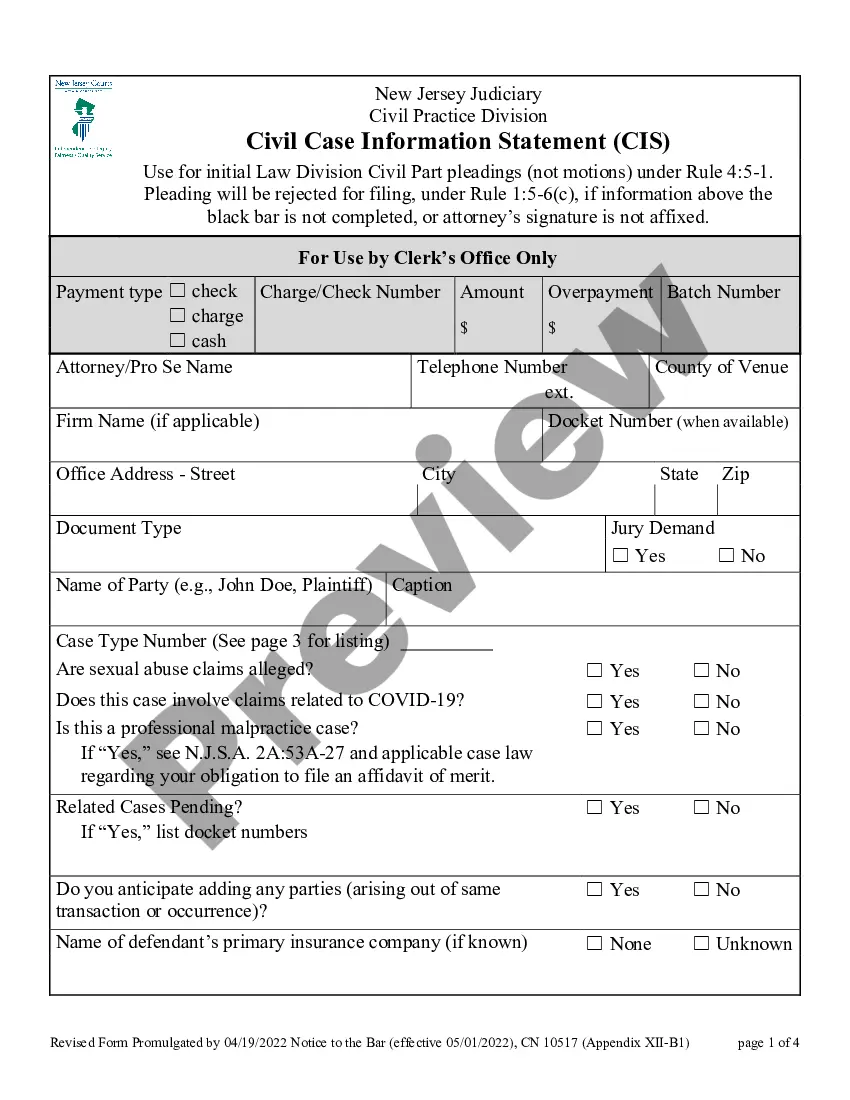
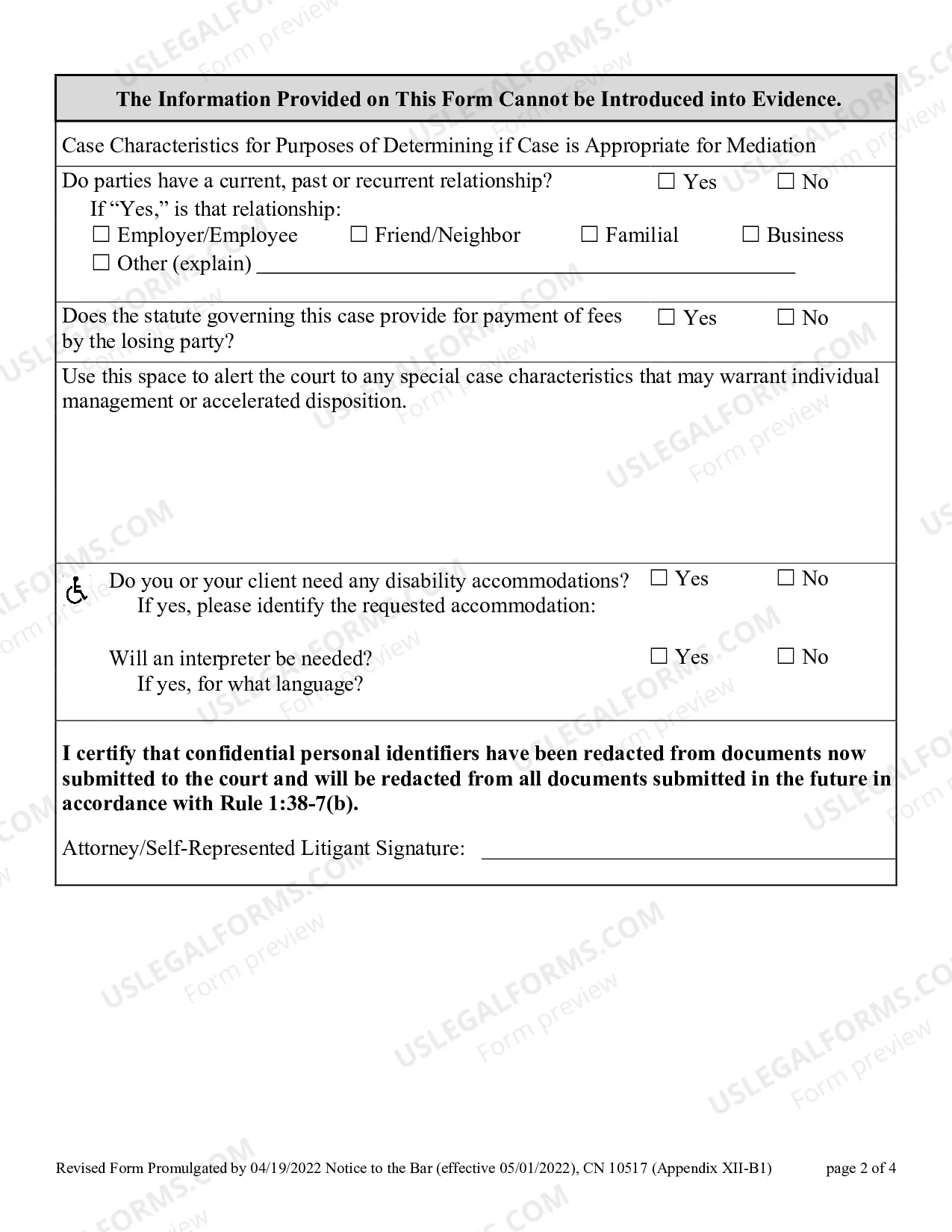
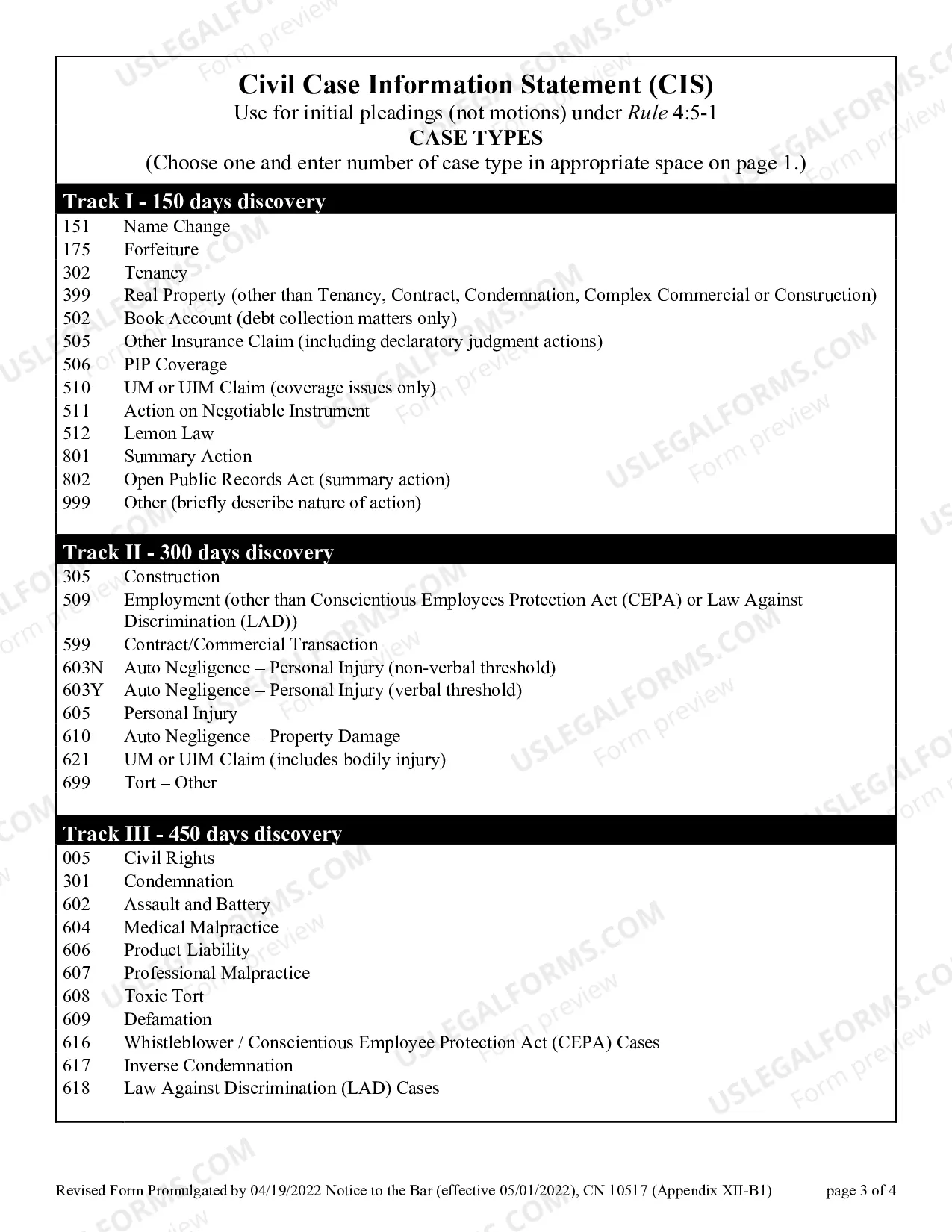
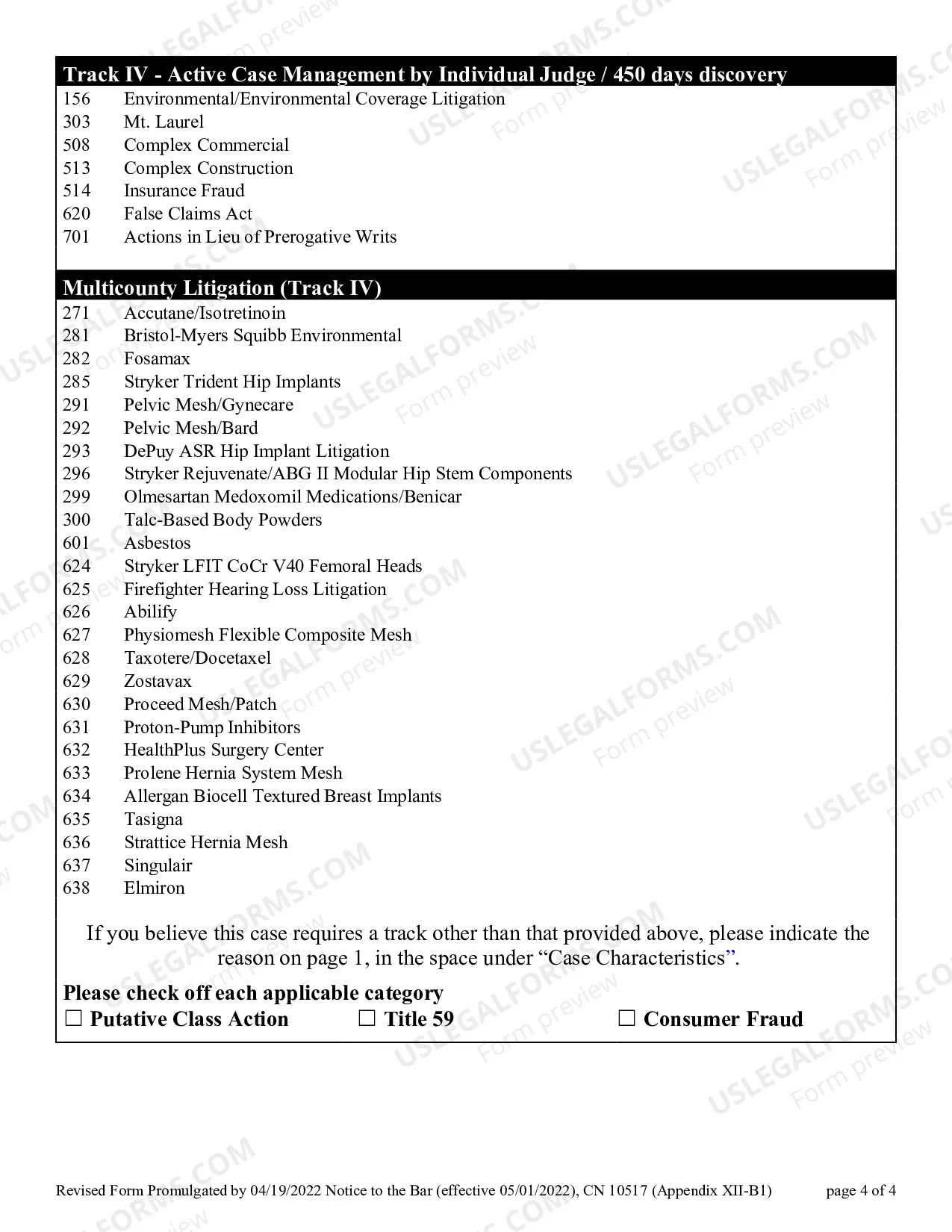
Case Caption For Pleading Example
Description
Get your form ready online
Our built-in tools help you complete, sign, share, and store your documents in one place.
Make edits, fill in missing information, and update formatting in US Legal Forms—just like you would in MS Word.
Download a copy, print it, send it by email, or mail it via USPS—whatever works best for your next step.
Sign and collect signatures with our SignNow integration. Send to multiple recipients, set reminders, and more. Go Premium to unlock E-Sign.
If this form requires notarization, complete it online through a secure video call—no need to meet a notary in person or wait for an appointment.
We protect your documents and personal data by following strict security and privacy standards.

Make edits, fill in missing information, and update formatting in US Legal Forms—just like you would in MS Word.

Download a copy, print it, send it by email, or mail it via USPS—whatever works best for your next step.

Sign and collect signatures with our SignNow integration. Send to multiple recipients, set reminders, and more. Go Premium to unlock E-Sign.

If this form requires notarization, complete it online through a secure video call—no need to meet a notary in person or wait for an appointment.

We protect your documents and personal data by following strict security and privacy standards.
Looking for another form?




How to fill out New Jersey Civil Case Information Statement?
Acquiring a reliable resource to obtain the most up-to-date and pertinent legal templates is a significant part of navigating bureaucracy.
Finding the appropriate legal documents requires accuracy and meticulousness, which is why it’s essential to obtain samples of Case Caption For Pleading Example solely from trustworthy sources, such as US Legal Forms.
Eliminate the hassle that comes with your legal paperwork. Explore the extensive US Legal Forms library where you can discover legal templates, assess their applicability to your situation, and download them instantly.
- Utilize the catalog navigation or search bar to locate your template.
- Review the form’s description to determine if it meets the regulations of your state and area.
- Access the form preview, if available, to confirm that it is the correct document you need.
- Continue your search to find the suitable document if the Case Caption For Pleading Example doesn't fulfill your requirements.
- Once you are confident about the form’s applicability, download it.
- If you are a registered user, click Log in to verify and access your chosen templates in My documents.
- If you don’t have an account yet, click Buy now to acquire the template.
- Choose the pricing plan that best fits your needs.
- Proceed with registration to finalize your purchase.
- Complete your purchase by selecting a payment method (credit card or PayPal).
- Choose the file format for downloading Case Caption For Pleading Example.
- After obtaining the form on your device, you can modify it using the editor or print it and fill it out by hand.
Form popularity
FAQ
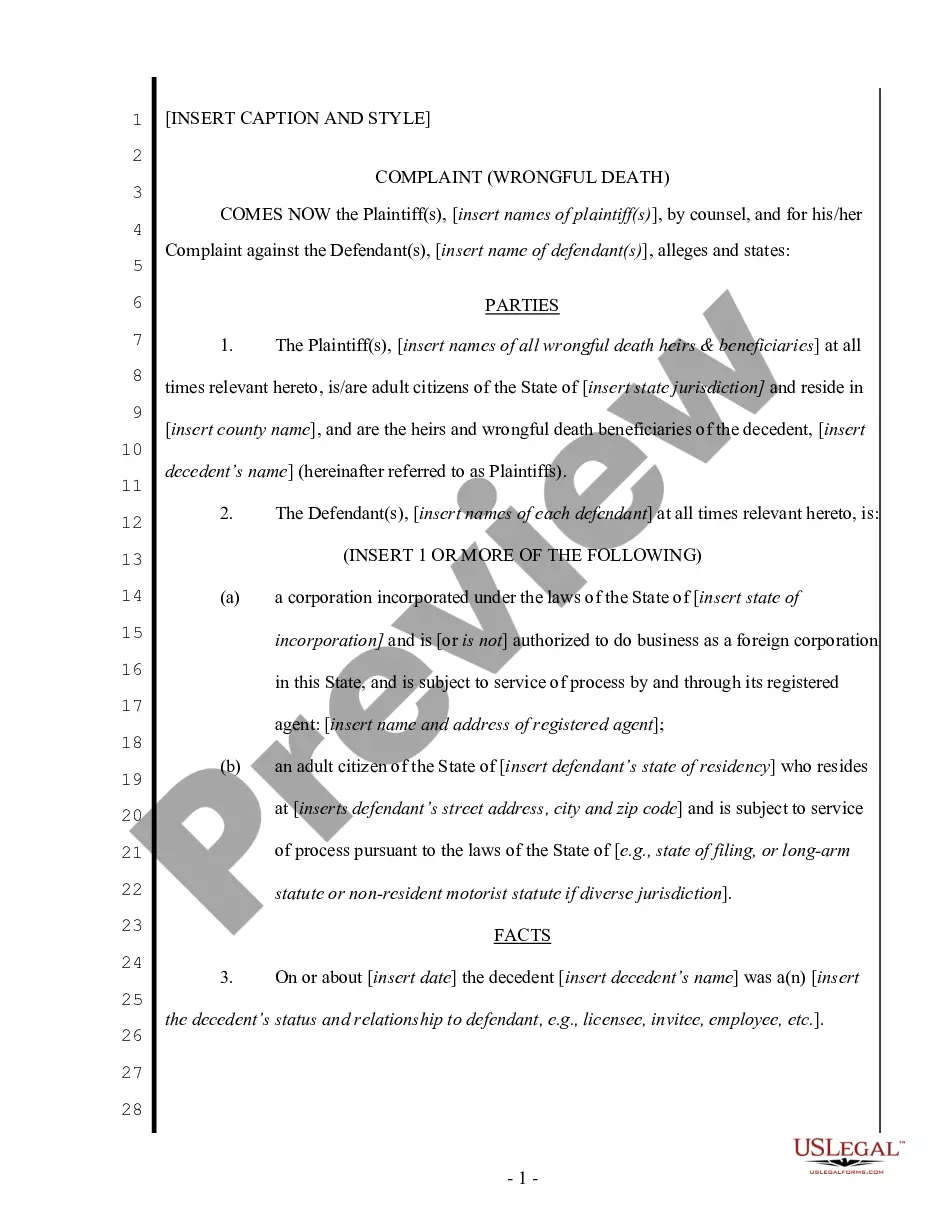
A captioned petition is a formal request submitted to a court that includes a caption at the top. This caption identifies the case and outlines its relevant details. When you examine a case caption for pleading examples, you will see how critical this element is for legal clarity and organization.
A motion is a written request to the court to ask for a decision. There are many reasons to file a motion. Motions ask the court to enter an order to ask for the court's permission to do something or to require the other side to do something. Either side in a case can file a motion.
Each county's Circuit Clerk keeps the court records. The law requires that these records be open to the public.
Please contact the Clerk's Office at (312) 603-6300 or via email at helpdesk@cookcountycourt.com. If you cannot get ahold of the Clerk's Office, please contact the JusticeCorps Helpline at (872) 529-1093.
O You must file the Appearance form in the county where the court case is filed. o Make copies of your original Appearance for yourself and each party in the case. o Bring the original Appearance and the copies to the Circuit Clerk at the courthouse. Appearance, and return these copies to you.
Public Access to Court Electronic Records (PACER) is an electronic public access service that allows users to obtain case and docket information from federal appellate, district and bankruptcy courts, and the PACER Case Locator via the Internet.
All motions/petitions and notices of motion must be filed with the Clerk of Court either in Room 802 of the Daley Center or at any of the offices located at the suburban municipal district courthouses. If your motion/petition is not filed before you come to court, the judge may not hear your motion.
Filing a Motion via E-filing You must e-file your documents unless you (1) are an inmate in a prison or jail and do not have a lawyer, (2) you have a disability that prevents you from e-filing, or (3) you qualify for an exemption from e-filing (see below for details).
Be as persuasive as possible as you write your motion in a sequential, logical format. Express your ideas clearly, and make sure you outline what steps are necessary and how they will help your case. Use facts of the case whenever you can to avoid baseless emotional appeals.