Unlawful Detainment
Description
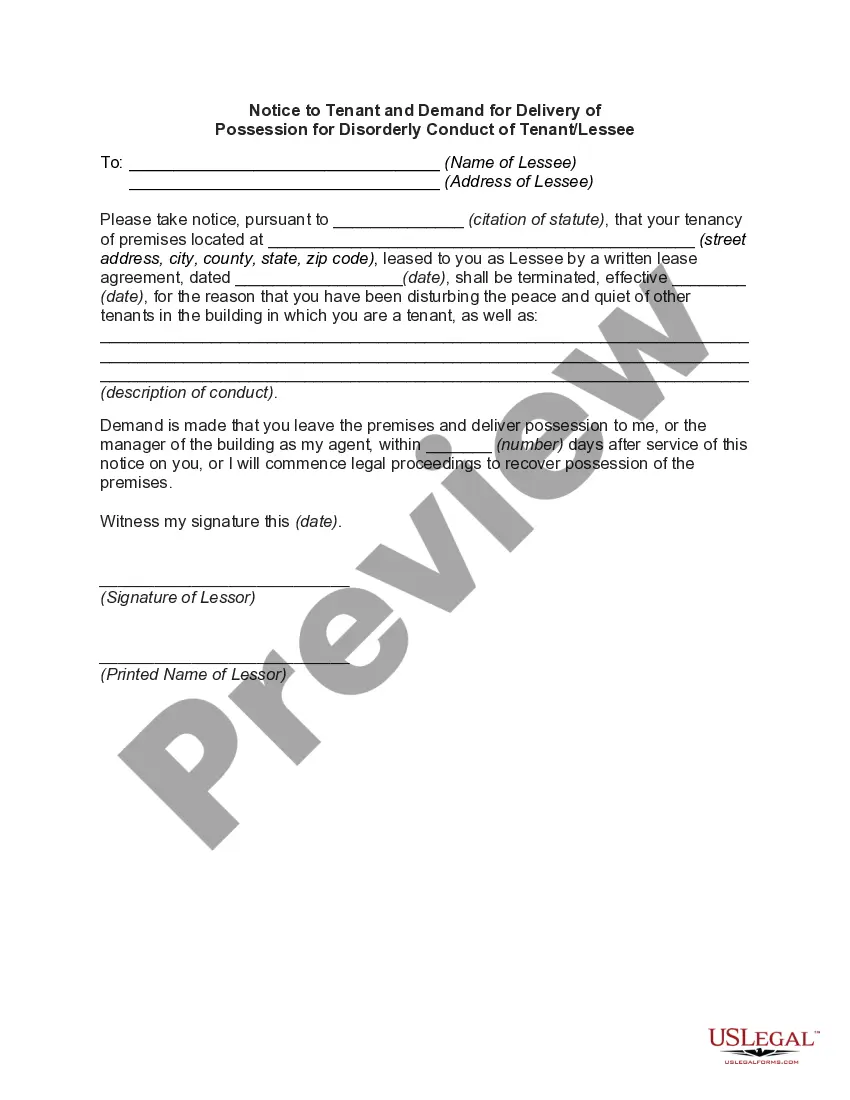
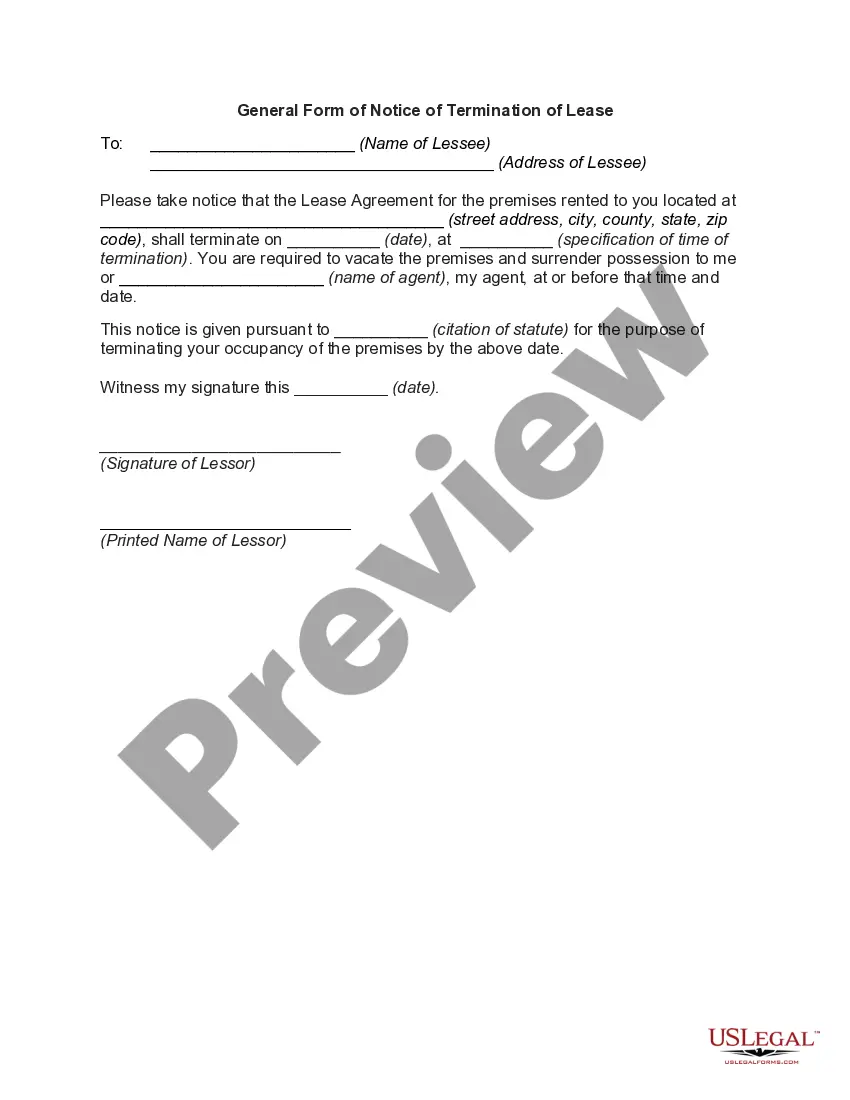

Get your form ready online
Our built-in tools help you complete, sign, share, and store your documents in one place.
Make edits, fill in missing information, and update formatting in US Legal Forms—just like you would in MS Word.
Download a copy, print it, send it by email, or mail it via USPS—whatever works best for your next step.
Sign and collect signatures with our SignNow integration. Send to multiple recipients, set reminders, and more. Go Premium to unlock E-Sign.
If this form requires notarization, complete it online through a secure video call—no need to meet a notary in person or wait for an appointment.
We protect your documents and personal data by following strict security and privacy standards.

Make edits, fill in missing information, and update formatting in US Legal Forms—just like you would in MS Word.

Download a copy, print it, send it by email, or mail it via USPS—whatever works best for your next step.

Sign and collect signatures with our SignNow integration. Send to multiple recipients, set reminders, and more. Go Premium to unlock E-Sign.

If this form requires notarization, complete it online through a secure video call—no need to meet a notary in person or wait for an appointment.

We protect your documents and personal data by following strict security and privacy standards.
Looking for another form?



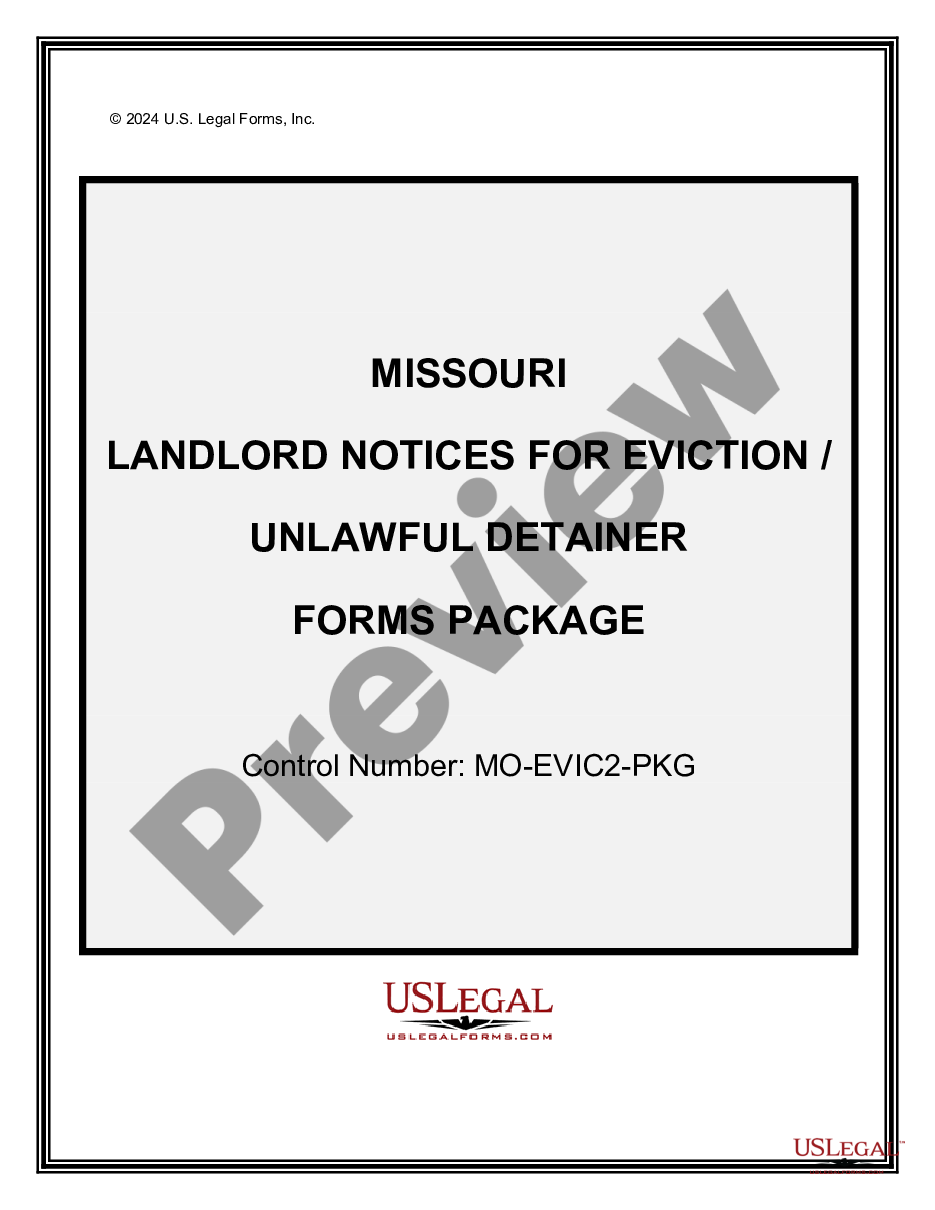
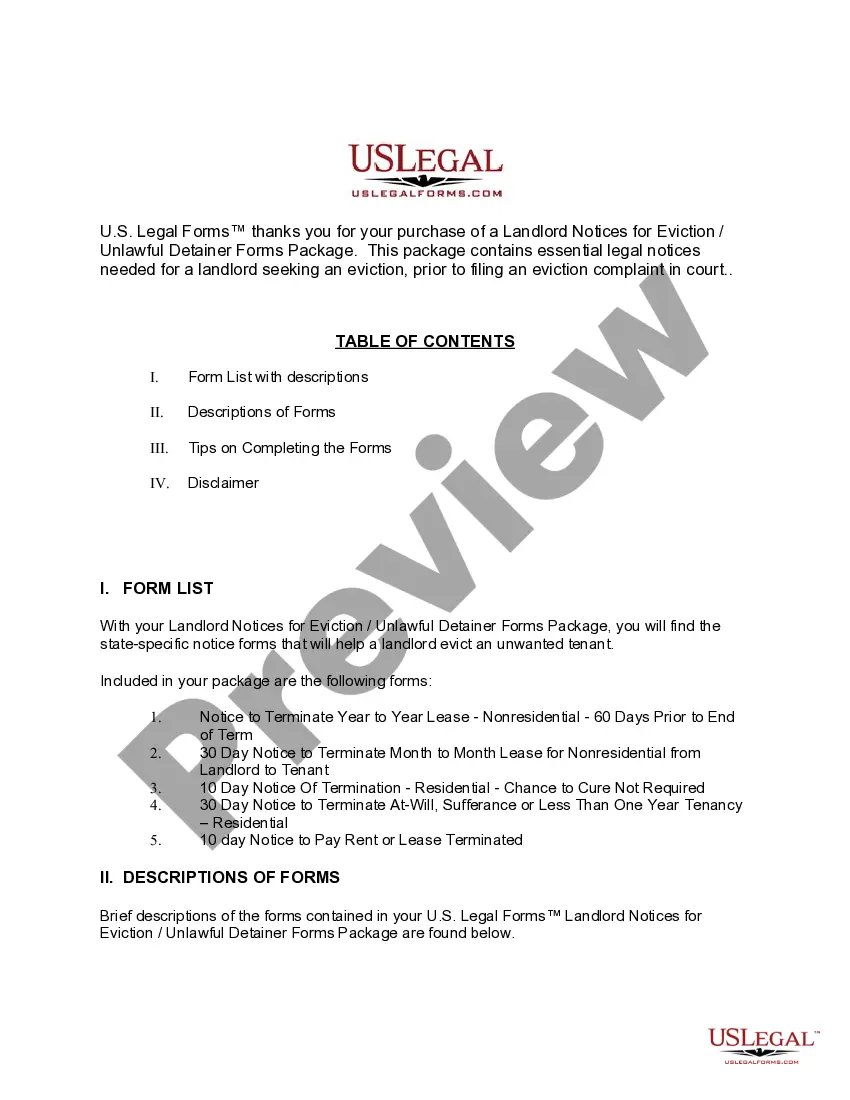
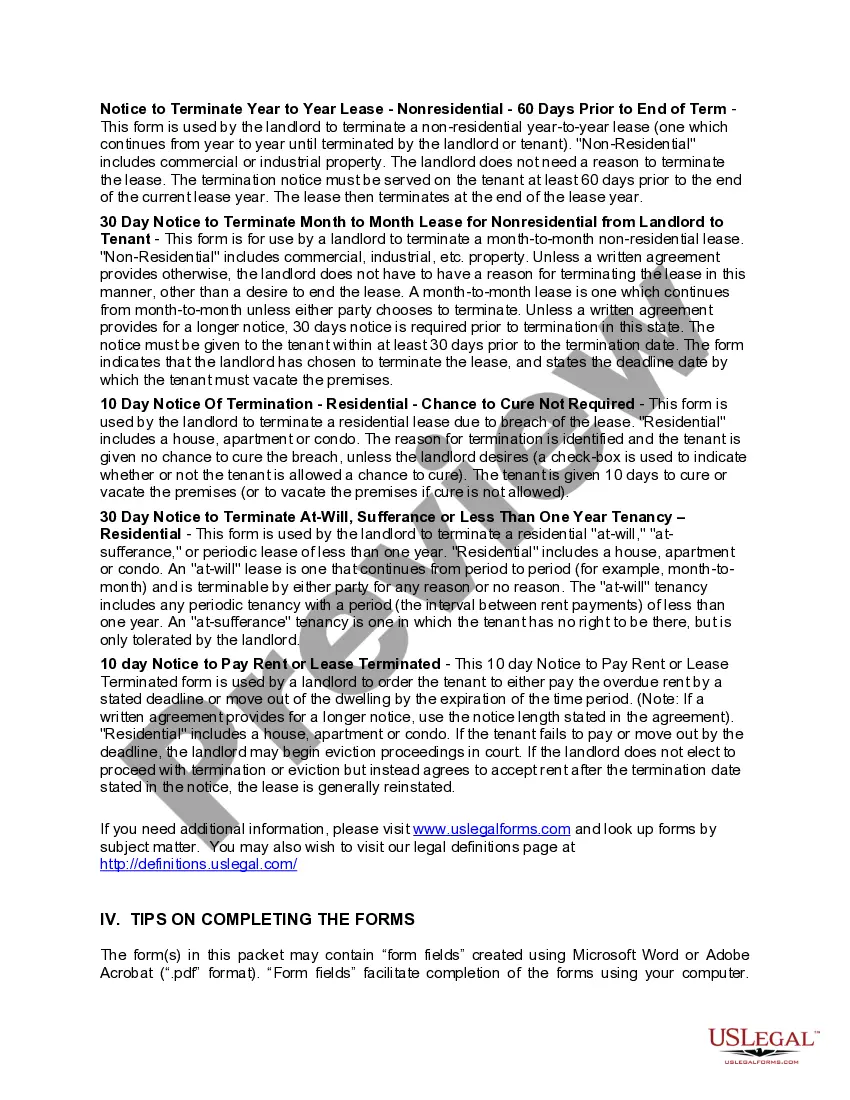
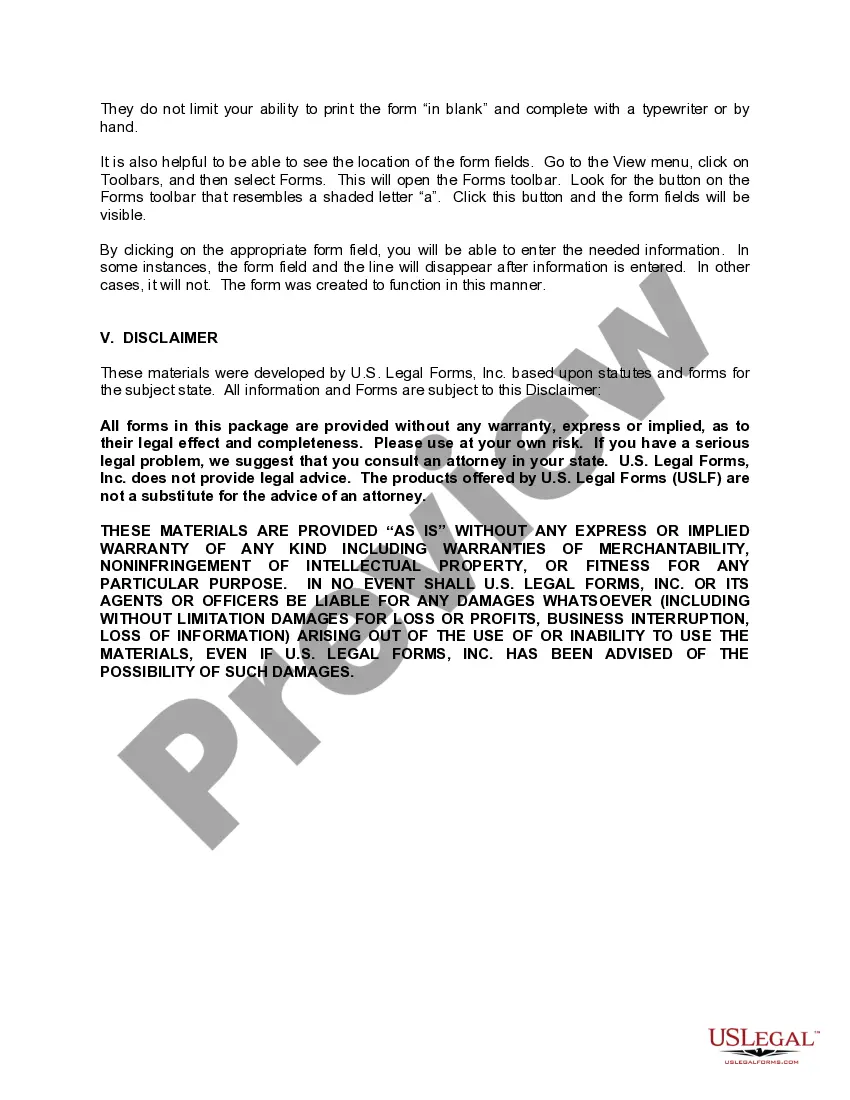
How to fill out Missouri Landlord Notices For Eviction / Unlawful Detainer Forms Package?
- Log in to your US Legal Forms account. If you're a returning user, ensure your subscription is valid to access needed forms.
- Explore the Preview mode to review form descriptions. Choose the unlawful detainment template that meets your specific legal jurisdiction requirements.
- If the initial form doesn't suit your needs, utilize the Search tab to find a more appropriate template within the extensive library.
- Purchase the document by clicking the Buy Now button. Select a subscription plan that best fits your requirements and create an account if you're a new user.
- Complete your purchase by entering your payment details using a credit card or PayPal for a seamless transaction.
- Download your chosen form and save it directly onto your device. You can also find it later in the My Forms section of your account whenever necessary.
US Legal Forms not only empowers users with a robust collection of legal documents but also ensures access to premium expert assistance for precise form completion.
Don't hesitate to take control of your legal needs. Start your journey with US Legal Forms today!
Form popularity
FAQ
Unlawful detainment occurs when a person is held against their will without legal justification. This means that law enforcement or other authorities do not have the necessary grounds to legally detain someone. It's important to understand your rights and the legal framework surrounding detainment, as unlawful detainment can lead to serious consequences for both the individual and the authorities involved. If you believe you have experienced unlawful detainment, seeking guidance is essential, and platforms like US Legal Forms can help provide the necessary legal documents and resources.
The amount you can sue for illegal detainment varies greatly depending on the specifics of your case, including the circumstances of the detainment and any damages incurred. Courts will consider factors like emotional distress, lost wages, and legal fees in these cases. It is advisable to consult with a legal expert or utilize the services of uslegalforms to evaluate your potential claim for unlawful detainment more thoroughly.
Yes, individuals can be detained without being explicitly informed of the reasons, which constitutes unlawful detainment in many cases. Law enforcement officers must adhere to legal standards when detaining someone, and a lack of communication about the reason can violate those standards. Knowing your rights will empower you to address and challenge such unlawful detainment.
If you find yourself unlawfully detained, first remain calm and avoid escalating the situation. Politely ask for clarification about the reason for your detention, and if possible, document the details. After the incident, seek legal assistance, such as the resources available through uslegalforms, to help you understand your rights and pursue any potential claims for unlawful detainment.
The crime of wrongful detention, also known as unlawful detainment, occurs when an individual is held against their will without just cause or legal authority. This can involve law enforcement detaining someone without probable cause or a valid warrant. Understanding your rights regarding unlawful detainment is essential, as it can lead to significant legal repercussions for the wrongdoer.
After an unlawful detainer action is filed and a judgment is made, the landlord may be granted possession of the property. If the tenant does not vacate, the landlord may request a warrant for eviction, allowing law enforcement to intervene. Following unlawful detainment, tenants have the right to appeal the decision within a specified timeframe. Utilizing resources, such as USLegalForms, can help you navigate these post-eviction options effectively.
The process of legally evicting someone in Alabama can take several weeks to a few months. After a landlord files for unlawful detainment, the court schedules a hearing, which can delay the process. Additionally, if the tenant contests the eviction, it may extend the timeline further. Being informed about the steps involved can help both landlords and tenants navigate this challenging situation.
An eviction notice is a formal document that informs a tenant they must leave the rental property, while unlawful detainer is the legal action taken by the landlord to evict the tenant. Receiving an eviction notice does not mean you have lost your rights; you can contest it in court. The unlawful detainment process follows after the notice if the tenant does not vacate. Knowing these differences can empower you during disputes with landlords.
In Alabama, a landlord cannot evict you without going through the legal process. This means they must file an eviction lawsuit, often referred to as an unlawful detainment action, in court. If a landlord tries to evict you without a court order, you can challenge this in court. Legal routes ensure your rights are protected during the eviction process.
Several factors can contribute to someone being wrongfully detained, including mistaken identity, lack of evidence, or unlawful law enforcement procedures. These circumstances all fall under the umbrella of unlawful detainment. To avoid such situations, it’s crucial to understand your rights and the legal processes involved.