Notice Lease Property With No Ownership
Description
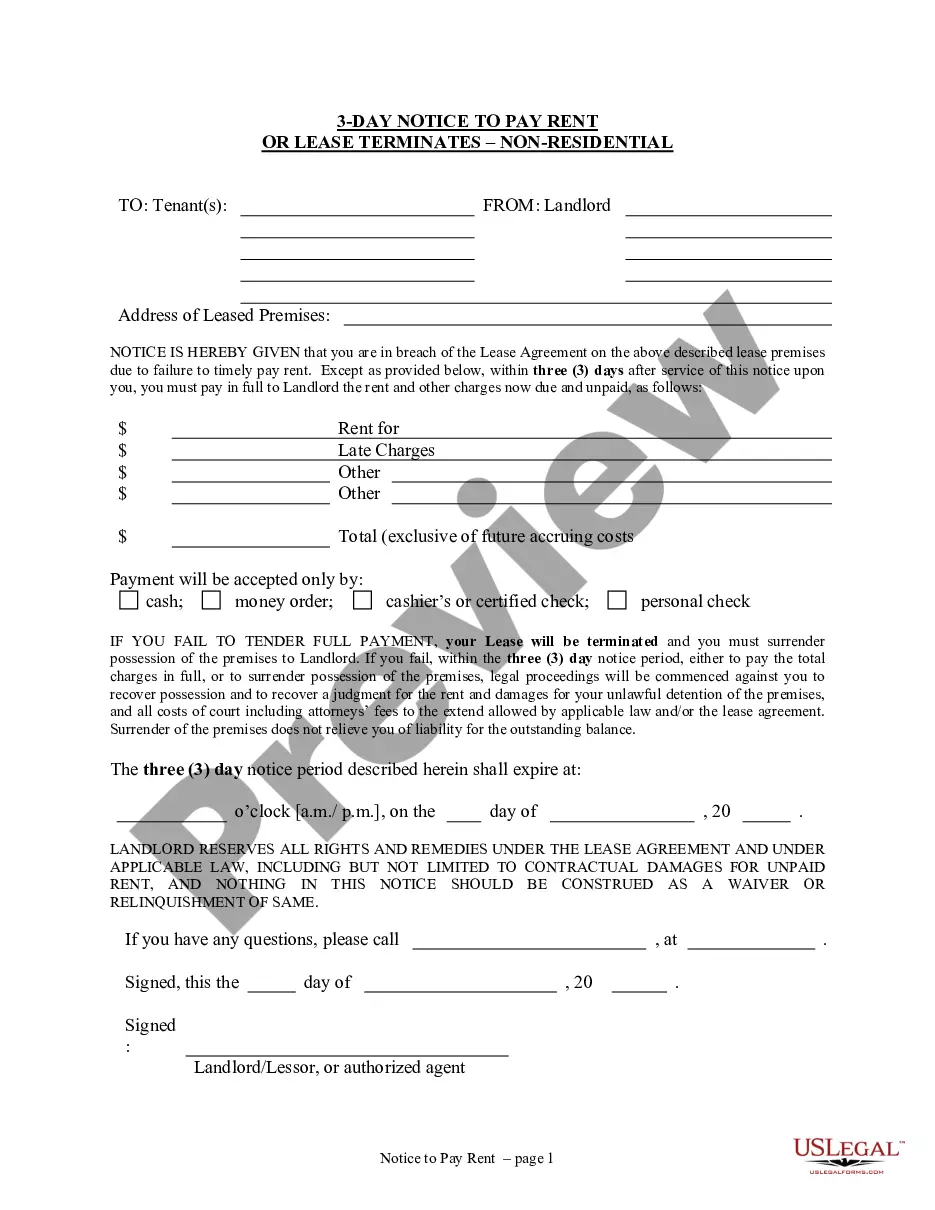
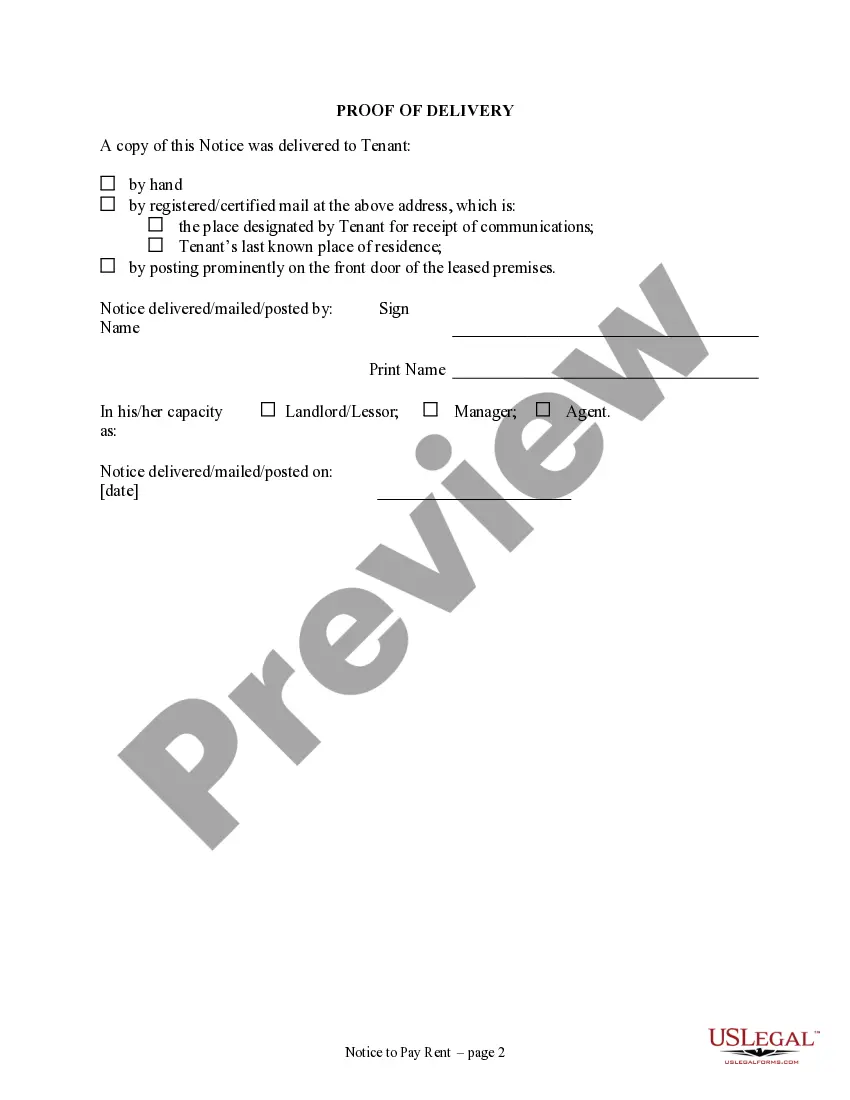
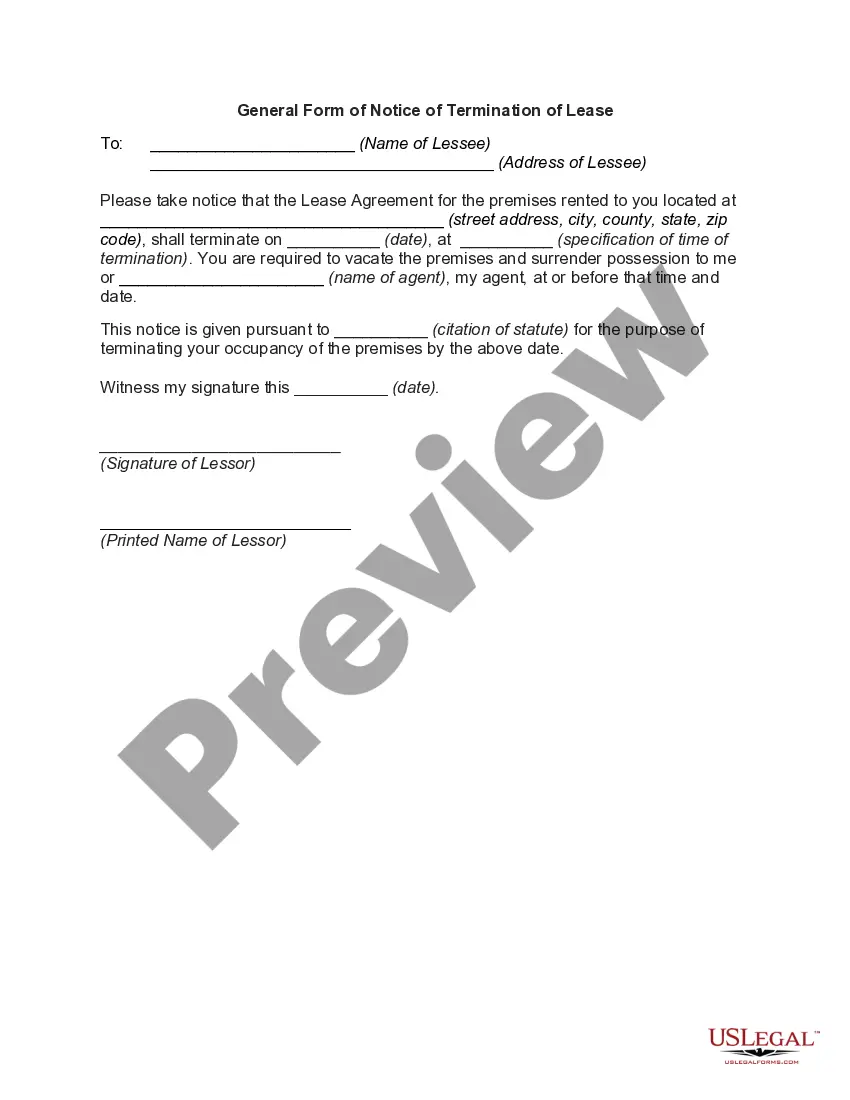


Get your form ready online
Our built-in tools help you complete, sign, share, and store your documents in one place.
Make edits, fill in missing information, and update formatting in US Legal Forms—just like you would in MS Word.
Download a copy, print it, send it by email, or mail it via USPS—whatever works best for your next step.
Sign and collect signatures with our SignNow integration. Send to multiple recipients, set reminders, and more. Go Premium to unlock E-Sign.
If this form requires notarization, complete it online through a secure video call—no need to meet a notary in person or wait for an appointment.
We protect your documents and personal data by following strict security and privacy standards.

Make edits, fill in missing information, and update formatting in US Legal Forms—just like you would in MS Word.

Download a copy, print it, send it by email, or mail it via USPS—whatever works best for your next step.

Sign and collect signatures with our SignNow integration. Send to multiple recipients, set reminders, and more. Go Premium to unlock E-Sign.

If this form requires notarization, complete it online through a secure video call—no need to meet a notary in person or wait for an appointment.

We protect your documents and personal data by following strict security and privacy standards.
Looking for another form?
How to fill out Iowa 3 Day Notice To Pay Rent Or Lease Terminated For Nonresidential Or Commercial Property?
- Login to your existing account on the US Legal Forms website. Ensure your subscription is active to access your necessary document template promptly.
- If you are a new user, start by browsing our extensive online library of over 85,000 editable legal forms. Preview each document to find one that aligns with your requirements.
- If the chosen template doesn’t meet your needs, utilize the search functionality at the top of the page to find a more suitable form.
- Once you find the right document, click the 'Buy Now' button. Select your preferred subscription plan and create an account for full access.
- Complete your purchase by entering your payment details. You can use either a credit card or PayPal for your transaction.
- Finally, download your selected form to your device. You can access it anytime from the 'My Forms' section of your account.
With US Legal Forms, you benefit from an extensive form collection that empowers you to execute legal documents efficiently. The ability to access expert assistance ensures that your documents are not only completed but also legally sound.
Ready to get started? Visit US Legal Forms today to secure your legal documents and simplify your legal process!
Form popularity
FAQ
Yes, Pennsylvania generally requires landlords to obtain a license before renting properties. The specific requirements can vary by municipality, so it is important to check local regulations. Utilizing our platform at uslegalforms can help you navigate these requirements effectively, ensuring your notice lease property with no ownership is compliant with local laws.
Filling out a rental application without prior rental history can be challenging, but it is possible. Highlight your steady income and reliability in other areas of your life, such as employment and references. Additionally, consider providing a notice lease property with no ownership that outlines your intent to rent, showing you are serious about fulfilling your commitment.
Yes, a non-owner can function as a landlord if they have permission from the property owner. In many cases, property managers or designated representatives act as landlords. When taking on this role, ensure to communicate clearly and use a notice lease property with no ownership to define your responsibilities and limits.
No, the landlord does not need to be the property owner. A person can manage a rental property on behalf of the owner, holding a lease or management agreement. However, it's crucial to document the relationship with a notice lease property with no ownership to establish rights clearly for both parties involved.
Writing a lease notice letter involves clearly stating your intent and the details of the lease. Begin by addressing your landlord, then specify the lease terms, including dates and obligations. Make sure to mention the notice lease property with no ownership in your message to clarify your situation. Providing a clear and professional letter can enhance your communication.
Yes, a non-owner can rent a property by serving as a tenant. In this situation, it's essential to have a proper lease agreement. This document must outline the terms clearly to avoid future misunderstandings. Always remember to create a notice lease property with no ownership to formalize your rental arrangement.
You can move out before your lease ends, but you may face penalties. Landlords often require notice, and you might lose your security deposit or incur extra fees. Always review your lease for specific terms on early termination. To manage this process more smoothly, consider using resources available at US Legal Forms for appropriate documentation.
If you never signed a lease, your rights as a tenant could be ambiguous. You may still have a verbal agreement, but it can be harder to prove in disputes. It’s advisable to formalize your living situation through a written lease to avoid misunderstandings in the future. US Legal Forms can assist you in drafting a lease agreement to clarify your rights.
Moving out before your lease ends may lead to financial consequences, such as losing your security deposit or facing additional fees. Your landlord may also seek compensation for lost rent. It’s best to communicate your intentions and provide notice in accordance with your lease agreement. For detailed advice, check out resources on the US Legal Forms platform.
If your landlord never provided you with a lease, it's critical to document your rental arrangement. You can request a written lease or formalize the agreement to protect both parties. In instances where disagreements arise, having a record is vital. US Legal Forms offers templates that might help you create a formal lease agreement.