Notary Public
Description
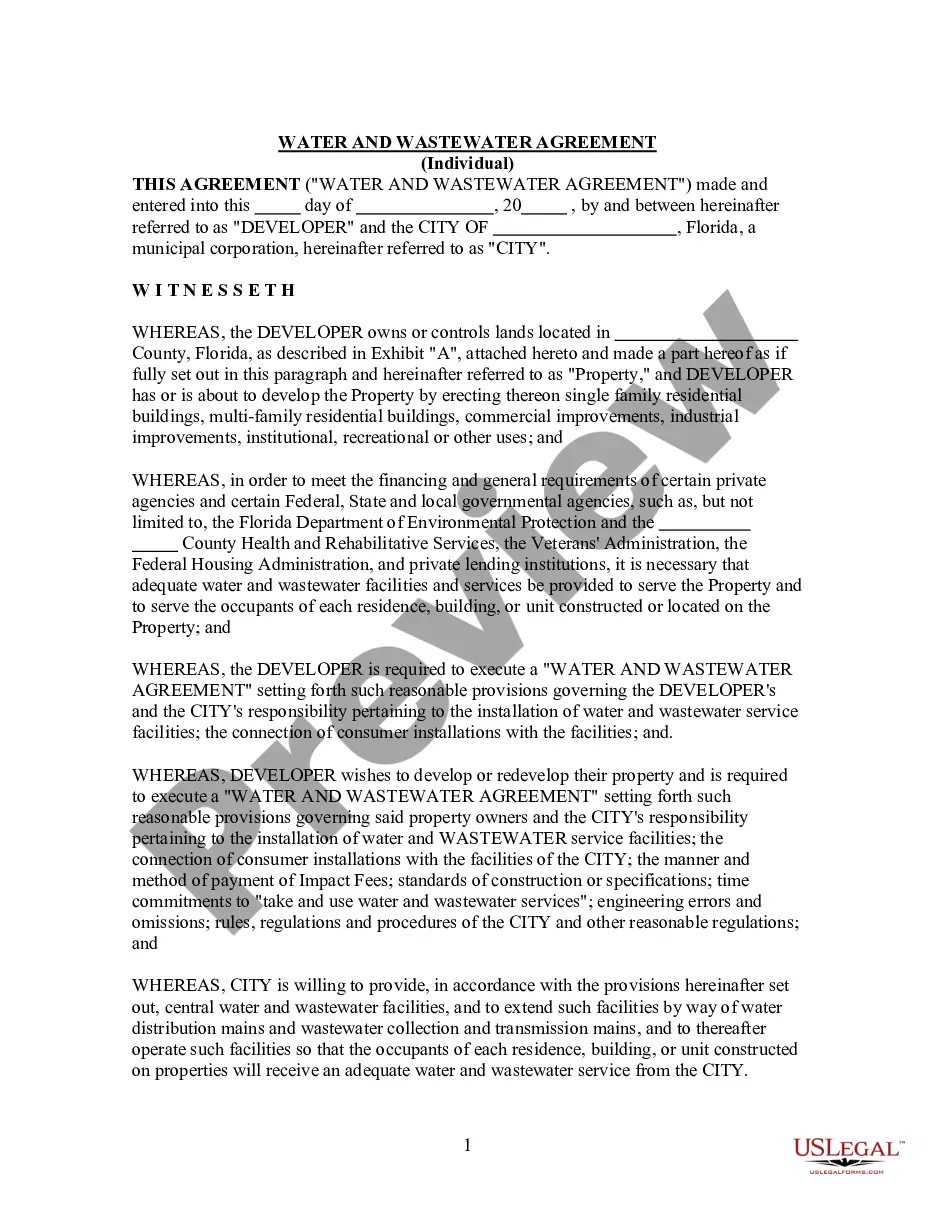
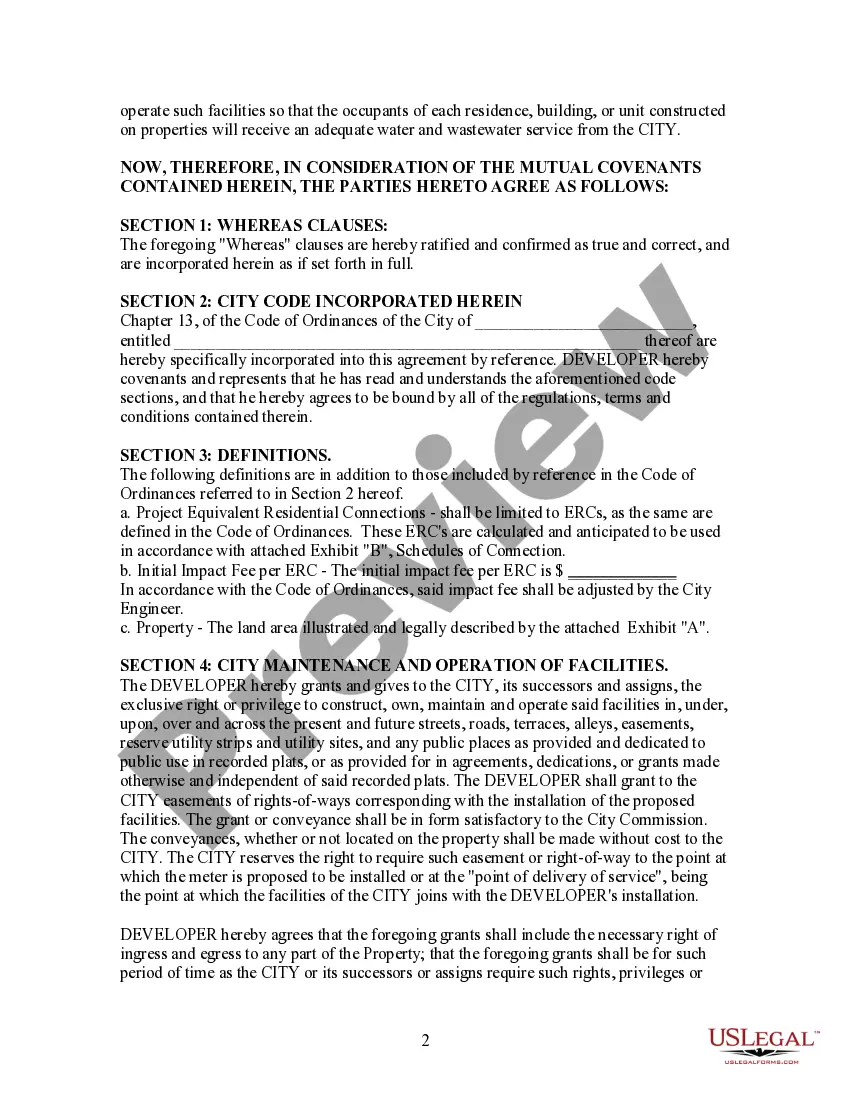
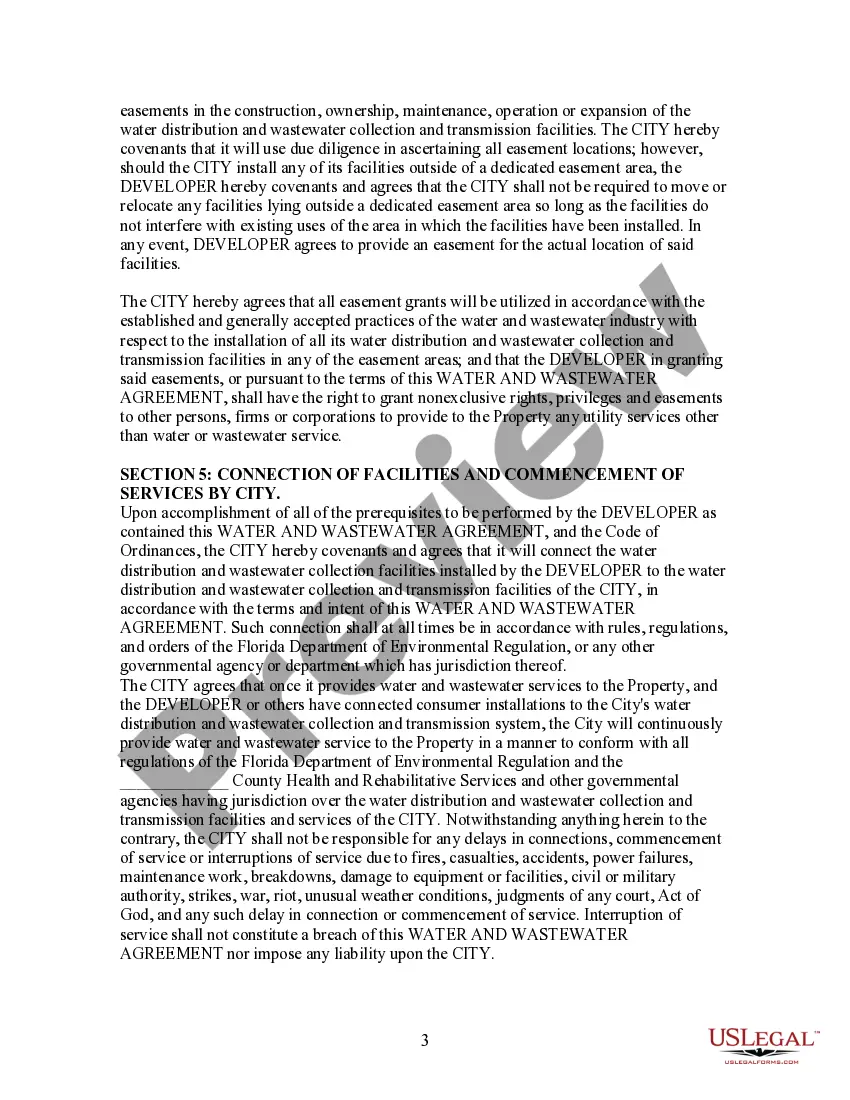
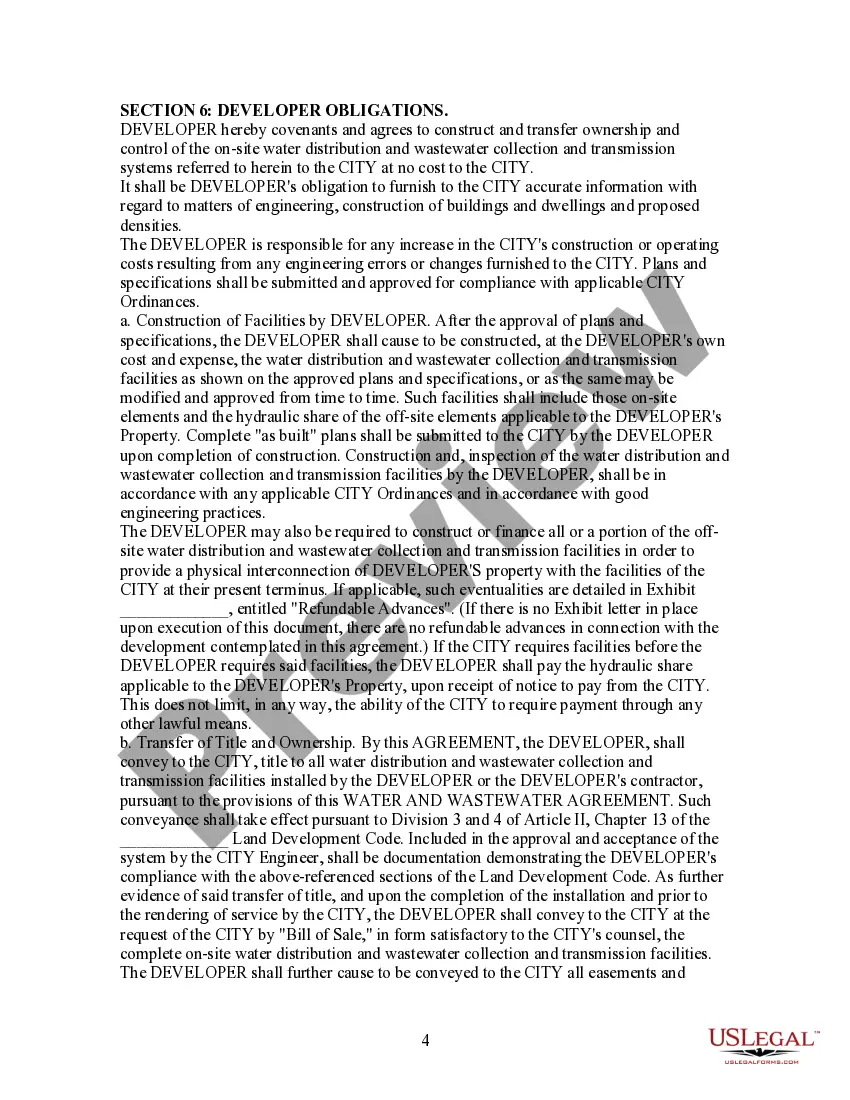

Get your form ready online
Our built-in tools help you complete, sign, share, and store your documents in one place.
Make edits, fill in missing information, and update formatting in US Legal Forms—just like you would in MS Word.
Download a copy, print it, send it by email, or mail it via USPS—whatever works best for your next step.
Sign and collect signatures with our SignNow integration. Send to multiple recipients, set reminders, and more. Go Premium to unlock E-Sign.
If this form requires notarization, complete it online through a secure video call—no need to meet a notary in person or wait for an appointment.
We protect your documents and personal data by following strict security and privacy standards.

Make edits, fill in missing information, and update formatting in US Legal Forms—just like you would in MS Word.

Download a copy, print it, send it by email, or mail it via USPS—whatever works best for your next step.

Sign and collect signatures with our SignNow integration. Send to multiple recipients, set reminders, and more. Go Premium to unlock E-Sign.

If this form requires notarization, complete it online through a secure video call—no need to meet a notary in person or wait for an appointment.

We protect your documents and personal data by following strict security and privacy standards.
Looking for another form?
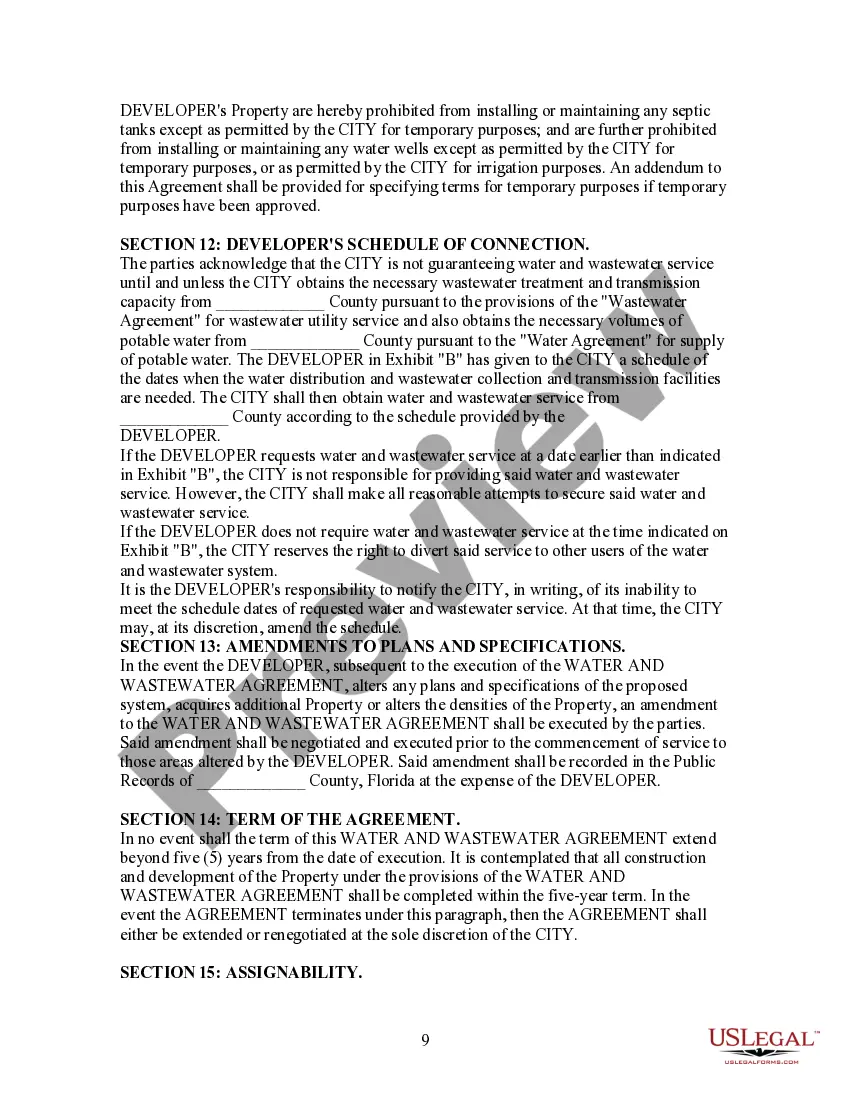
How to fill out Florida Water And Wastewater Agreement?
- If you're a returning user, log in to your account and verify your subscription status before downloading needed form templates by clicking the 'Download' button.
- For first-time users, start by browsing the form descriptions in Preview mode to find the appropriate documents that comply with local laws.
- Use the search function if the initial search doesn’t yield satisfactory results; this ensures you find the precise form you need.
- Select the document by clicking the 'Buy Now' button and choose a subscription plan that fits your needs.
- Complete the payment process using your credit card or PayPal account to finalize your subscription purchase.
- Once your payment is confirmed, download the form to your device, and you can access it anytime in the My Forms section of your profile.
With US Legal Forms, you can execute legal documents quickly and efficiently, empowering both individuals and attorneys alike. Their extensive collection ensures that you have the right form at your fingertips.
Start leveraging the power of US Legal Forms today. Simplify your legal document needs and ensure compliance with expert support available!
Form popularity
FAQ
The name of a notary public identifies the individual responsible for the notarization. It reflects their credibility and authority as a state-appointed official. Displaying their name on a notarized document ensures parties involved know who validated the transaction, reinforcing trust in the document's legitimacy.
When a document mentions 'notary public,' it signifies that a notary has been involved in its execution. This involvement adds a layer of authenticity and legality to the document, which can be crucial in legal matters. It also means that the notary has followed necessary protocols to verify the identities of the signers.
A notary public signature indicates that a notary has verified the identity of the signer and witnessed the signing of the document. This signature serves as an assurance that the document is valid and legally binding. It also reflects the notary's commitment to uphold their duties according to state laws and regulations.
A notary public is an official authorized by the state to serve as an impartial witness in the signing of documents. They verify the identity of signers and ensure documents meet legal requirements. This role is crucial in preventing fraud and safeguarding legal transactions, enhancing the trustworthiness of the paperwork.
To find a notary public, you can search online directories or contact local banks, law offices, or government offices. Many states also provide online databases for certified notaries. Additionally, platforms like US Legal Forms can connect you with licensed notary publics in your area, making the process easy and efficient.
Notaries public can enjoy certain tax benefits. You may be eligible to deduct necessary expenses related to your notary work, such as supplies and travel. Additionally, some states offer benefits for notaries, which can reduce taxable income. It’s wise to explore these options, and US Legal Forms can help you understand the deductions available to notaries.
To file taxes as a notary public, start by gathering all your income records and receipts for expenses related to your notary services. You'll report this information on your tax return, typically using a Schedule C form for self-employed individuals. Remember to check for any deductions that pertain to your notary activities. Tools provided by US Legal Forms can simplify the process.
Filing taxes as a notary public involves reporting your income and expenses accurately. You can categorize your notary work as self-employment income, which may require you to file a Schedule C form. Additionally, consider using platforms like US Legal Forms for resources and templates. They can assist you in navigating your tax obligations efficiently.
A sample sentence for notarized could be, 'The document was duly notarized by a notary public on Date.' This statement conveys that the document has gone through the proper notarization process, validating its authenticity. Ensuring clarity in such language helps in maintaining the document's legal standing.
During the notarization process, it's crucial to communicate clearly with the signer. You may say, 'I will now notarize your document, confirming that you have personally appeared before me and that you are signing willingly.' This reassures the signer about the procedure and reinforces their understanding of the process.