Enter Residential Landlord With A Tenant
Description

Get your form ready online
Our built-in tools help you complete, sign, share, and store your documents in one place.
Make edits, fill in missing information, and update formatting in US Legal Forms—just like you would in MS Word.
Download a copy, print it, send it by email, or mail it via USPS—whatever works best for your next step.
Sign and collect signatures with our SignNow integration. Send to multiple recipients, set reminders, and more. Go Premium to unlock E-Sign.
If this form requires notarization, complete it online through a secure video call—no need to meet a notary in person or wait for an appointment.
We protect your documents and personal data by following strict security and privacy standards.

Make edits, fill in missing information, and update formatting in US Legal Forms—just like you would in MS Word.

Download a copy, print it, send it by email, or mail it via USPS—whatever works best for your next step.

Sign and collect signatures with our SignNow integration. Send to multiple recipients, set reminders, and more. Go Premium to unlock E-Sign.

If this form requires notarization, complete it online through a secure video call—no need to meet a notary in person or wait for an appointment.

We protect your documents and personal data by following strict security and privacy standards.
Looking for another form?
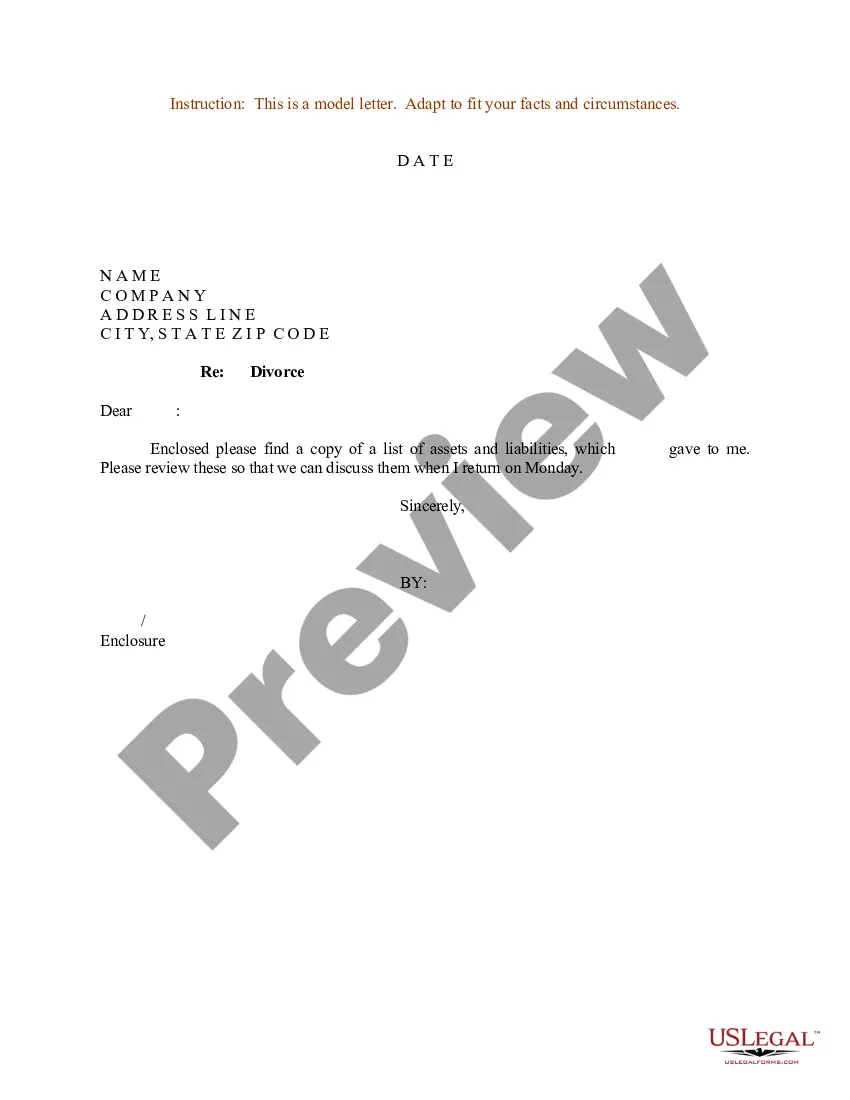

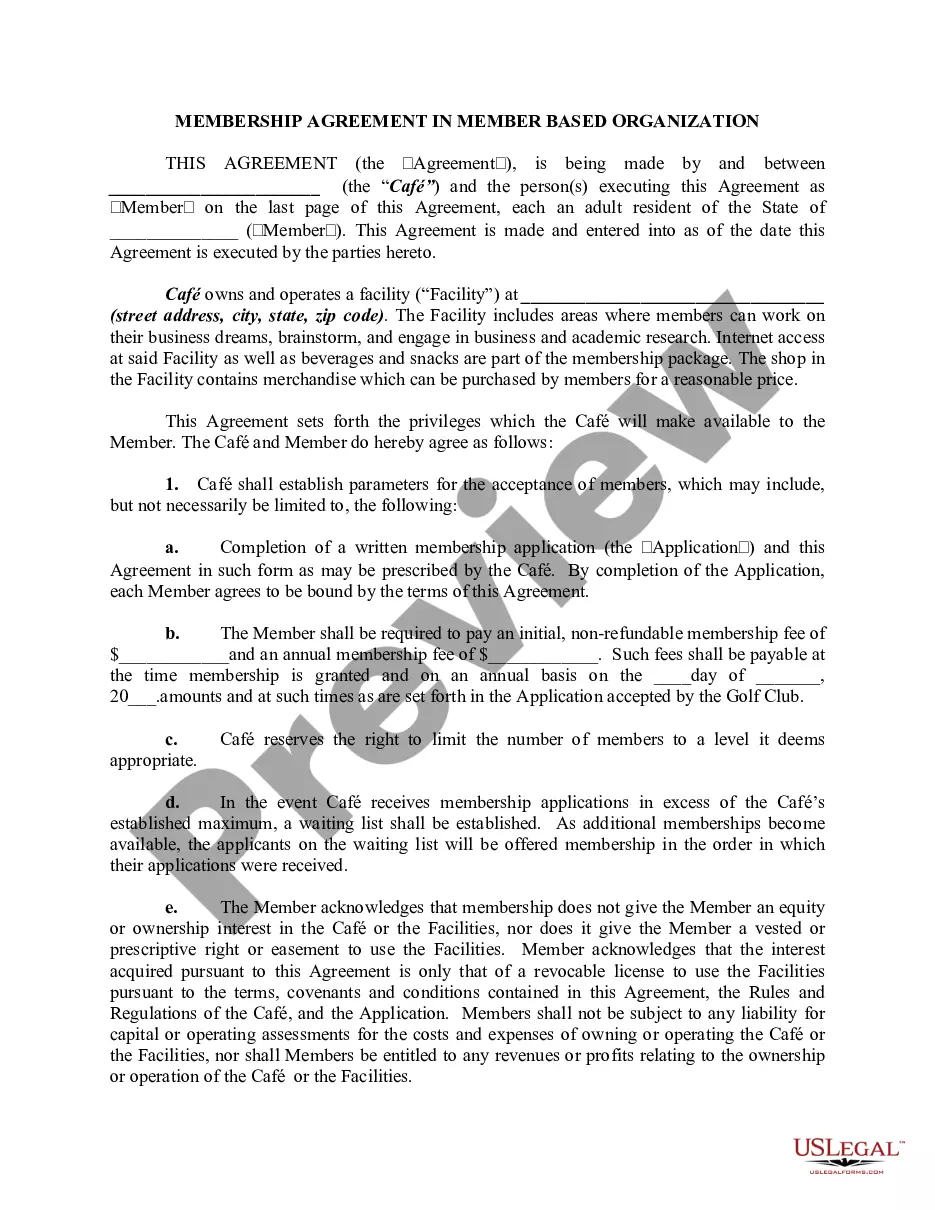
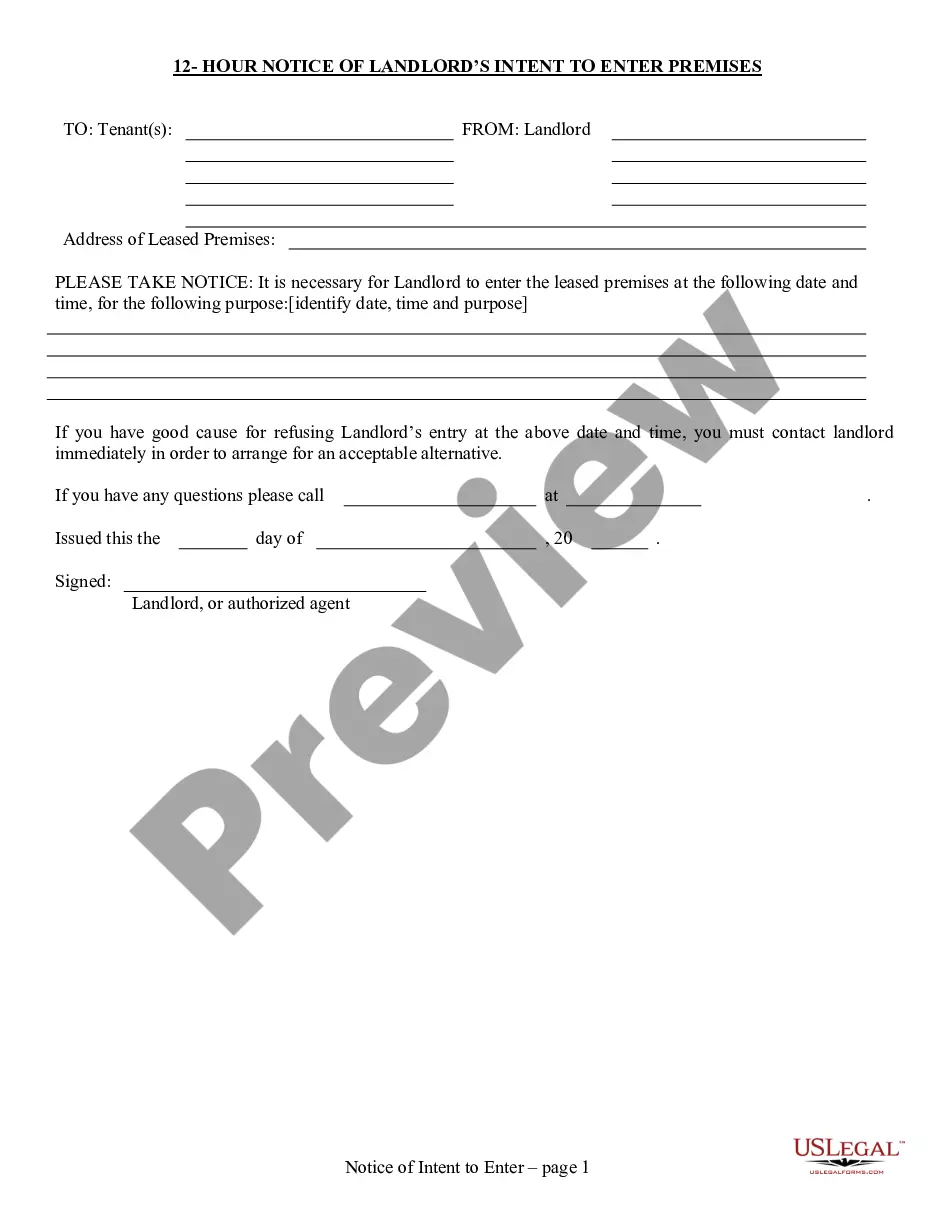
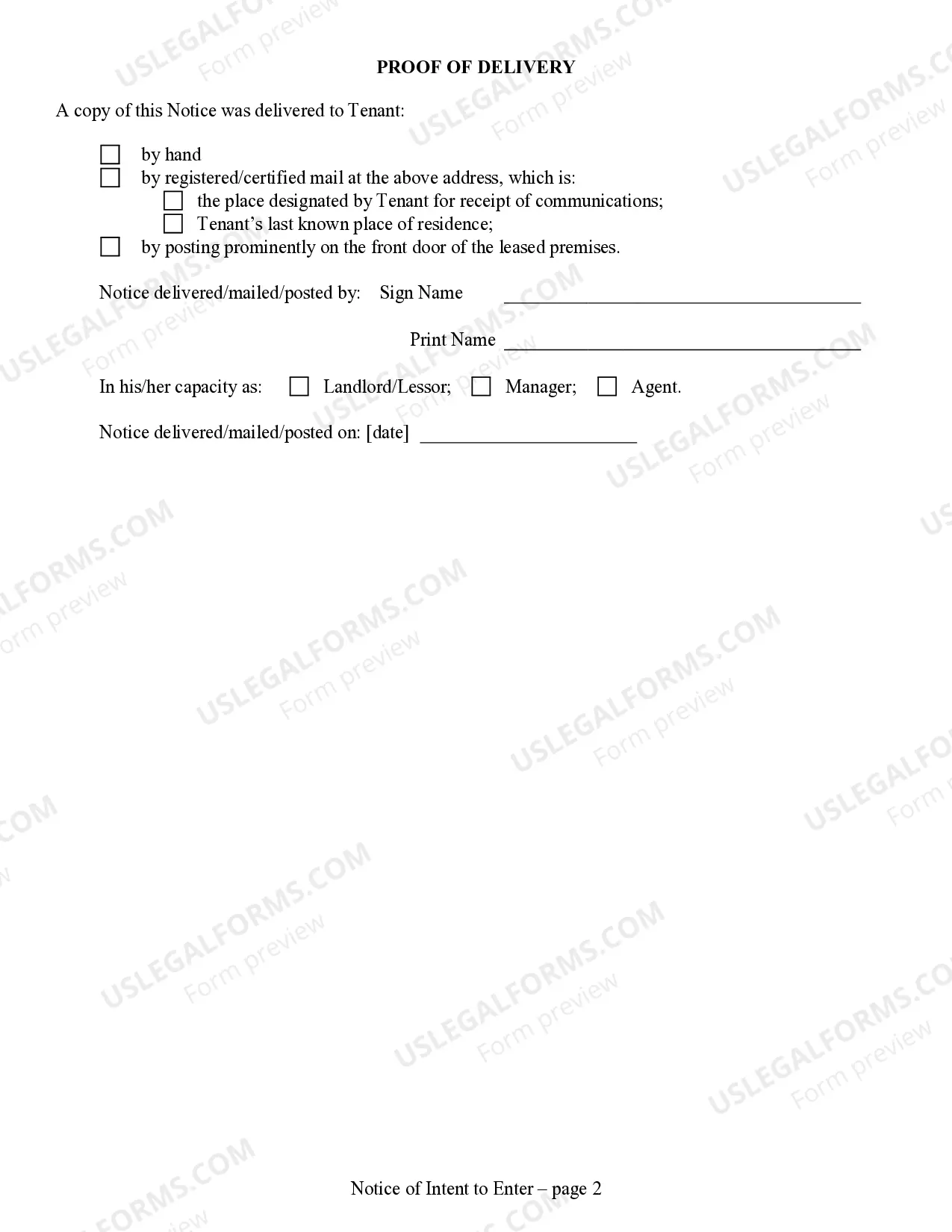
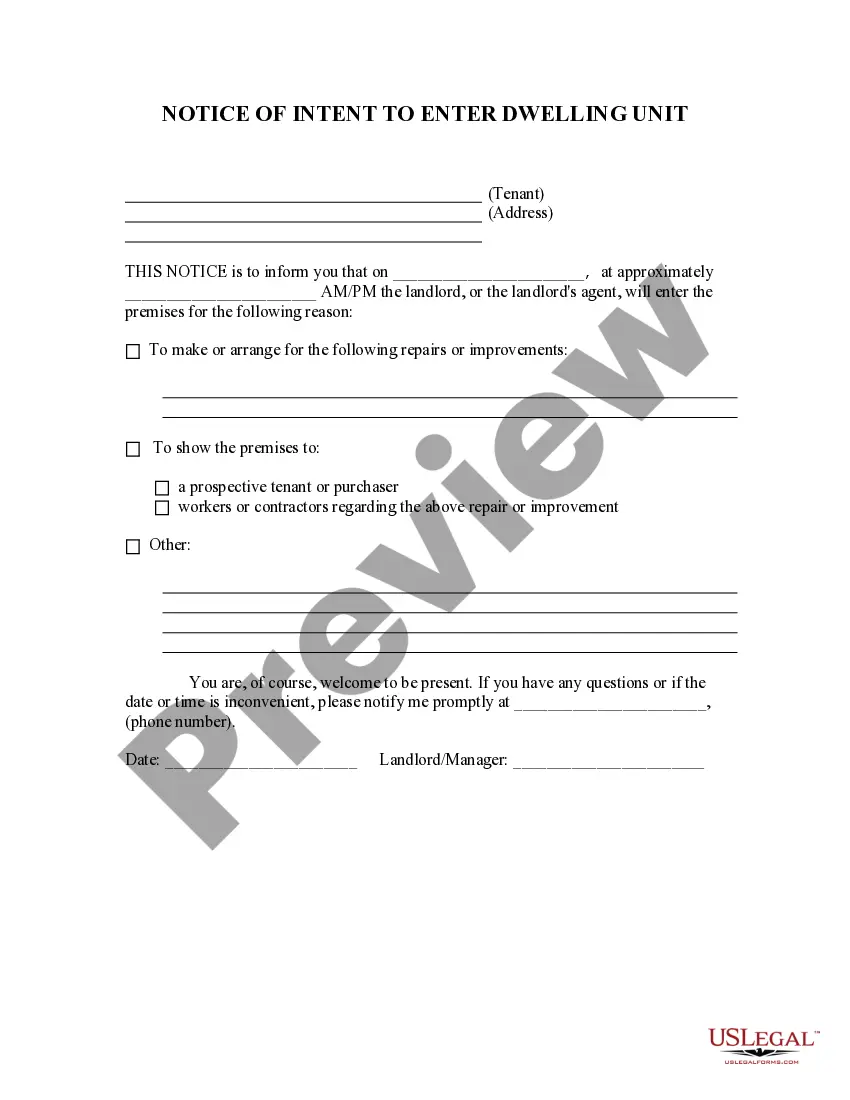
How to fill out Florida 12 Hour Notice Of Landlord's Intent To Enter Premises For Residential From Landlord To Tenant?
- Log in to your US Legal Forms account if you're a returning user, or create an account if it’s your first time.
- Browse through the extensive library to find the form that suits your needs. Preview the document to ensure it complies with your state's legal requirements.
- Use the search bar to find alternative templates if necessary, ensuring the document matches your specific circumstances.
- Select the appropriate subscription plan that fits your needs and click 'Buy Now' to initiate the purchase.
- Complete your transaction by entering your payment details using a credit card or PayPal.
- Download the form to your device, where it will be accessible anytime through your account's 'My Forms' section.
By utilizing US Legal Forms, you can confidently execute leasing documents with accuracy and ease, backed by a robust support system.
Ready to simplify your landlord-tenant agreements? Visit US Legal Forms today and access over 85,000 editable legal templates to start your process!
Form popularity
FAQ
In North Carolina, tenants can refuse entry to their landlords if proper notice is not given or if the reason for entry is not legitimate. Landlords must adhere to state laws governing notice periods to respect tenant privacy. Knowing your rights is crucial, and USLegalForms offers valuable resources to help tenants navigate these situations.
In Minnesota, landlords must generally provide at least 24 hours' notice before entering a rental property. This notice should state the reason for entry, allowing tenants to prepare accordingly. Ensuring transparent communication helps foster a respectful environment between a residential landlord and a tenant.
The Residential Landlord and Tenant Act in South Carolina outlines the rights and responsibilities of both landlords and tenants. This legislation governs issues such as lease agreements, eviction processes, and property maintenance. It ensures that both parties can navigate their relationship with clarity and fairness.
Yes, tenants can deny entry to their landlords in certain circumstances. If a landlord fails to provide proper notice or if the entry is not for a valid reason, tenants have the right to refuse access. Understanding these regulations helps maintain a healthy landlord-tenant relationship.
Renters in Minnesota enjoy several rights designed to protect them. These include the right to live in a safe and habitable environment, the right to privacy, and the right to receive proper notice before a landlord can enter residential landlord with a tenant. To know more about your specific rights, consider consulting resources like USLegalForms.
In Minnesota, a landlord cannot enter a rental property without permission from the tenant unless there is an emergency. The law requires landlords to provide reasonable notice before entering, typically 24 hours. Therefore, it is essential to understand your rights as a tenant and know when a landlord can legally enter the residential space.
A tenant may refuse landlord entry if the landlord does not provide proper notice or a valid reason for entry. Most lease agreements stipulate the conditions under which a landlord can enter. Knowing your rights helps both parties navigate situations involving entering residential landlord with a tenant effectively.
In New York, tenants generally cannot refuse a landlord entry if appropriate notice is provided. Landlords may access the rental for inspections, maintenance, or to show the unit. Familiarizing yourself with this can ease concerns about entering residential landlord with a tenant.
The duration someone can live with you without being on the lease depends on the lease agreement. Typically, a landlord requires permission if a guest stays for an extended time, often exceeding 30 days. Clarifying this aspect can help you maintain a respectful balance while entering residential landlord with a tenant.
Breaking up with someone on a shared lease can complicate your living situation. You may need to discuss options, like having one person take over the lease, or you both agreeing on how to handle your remaining time in the unit. Understanding your agreements can help manage your rights as you navigate the responsibilities of entering residential landlord with a tenant.