Supreme Court For Florida
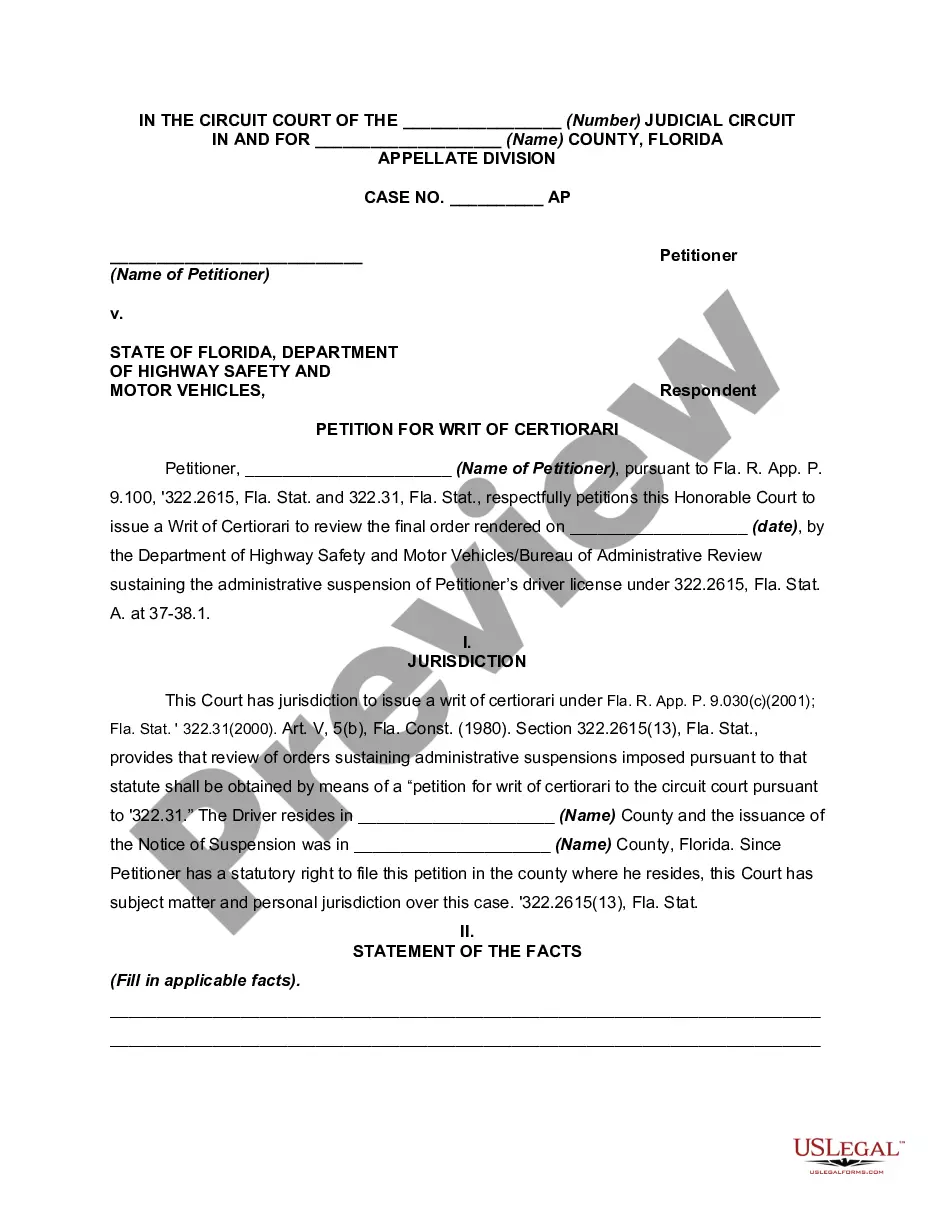
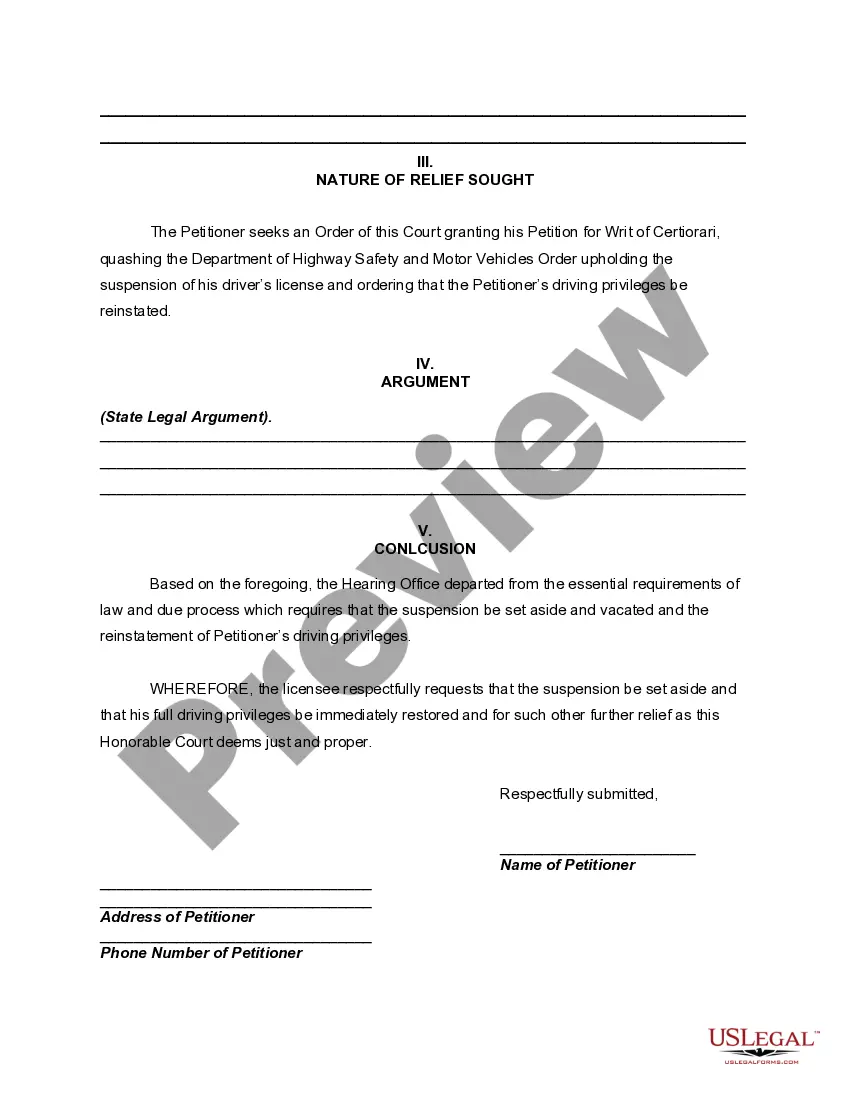
Description
Get your form ready online
Our built-in tools help you complete, sign, share, and store your documents in one place.
Make edits, fill in missing information, and update formatting in US Legal Forms—just like you would in MS Word.
Download a copy, print it, send it by email, or mail it via USPS—whatever works best for your next step.
Sign and collect signatures with our SignNow integration. Send to multiple recipients, set reminders, and more. Go Premium to unlock E-Sign.
If this form requires notarization, complete it online through a secure video call—no need to meet a notary in person or wait for an appointment.
We protect your documents and personal data by following strict security and privacy standards.

Make edits, fill in missing information, and update formatting in US Legal Forms—just like you would in MS Word.

Download a copy, print it, send it by email, or mail it via USPS—whatever works best for your next step.

Sign and collect signatures with our SignNow integration. Send to multiple recipients, set reminders, and more. Go Premium to unlock E-Sign.

If this form requires notarization, complete it online through a secure video call—no need to meet a notary in person or wait for an appointment.

We protect your documents and personal data by following strict security and privacy standards.
Looking for another form?

How to fill out Florida Writ Of Certiorari And Appeal Of License Suspension?
- Log in to your US Legal Forms account if you're a returning user. Ensure your subscription is valid; if not, renew based on your payment plan.
- If you're new to the service, start by previewing the form descriptions to confirm that you've selected the correct document for your needs.
- Should you find any discrepancies, utilize the search feature to locate a suitable template that meets jurisdiction requirements.
- Once you've found the right form, click on 'Buy Now' and choose your preferred subscription plan. You'll need to create an account to unlock the full range of resources.
- Proceed with your purchase by entering your payment information, such as credit card details or PayPal account.
- After payment, download the form directly to your device, or access it anytime from the 'My Forms' section in your profile.
By leveraging the services of US Legal Forms, users gain access to a robust collection of legal documents that are both comprehensive and user-friendly.
Don’t hesitate—streamline your legal process today by exploring US Legal Forms and get your documents sorted in no time!
Form popularity
FAQ
Two common reasons to appeal a verdict in Florida are prosecutorial misconduct and errors in jury instructions. If jurors received misleading or incorrect legal guidance, this may provide grounds for an appeal. Consulting a legal professional can help ensure you properly frame your case for the Supreme Court for Florida.
In most cases, decisions made by the Supreme Court for Florida are final and cannot be appealed. However, you may have the option to seek a rehearing if you can present new evidence or legal arguments that were not previously considered. It’s advisable to discuss your specific situation with a qualified attorney for guidance on your options.
Common grounds for appeal in Florida include legal errors made during the trial, lack of sufficient evidence to support the verdict, or procedural issues that affected your rights. The Supreme Court for Florida will typically review cases that involve important legal principles or significant public interest. Understandably, you should gather appropriate documentation to support your claims.
The Governor of Florida appoints justices to the Supreme Court for Florida. This process involves a nomination by the Judicial Nominating Commission, which submits a list of candidates for the Governor's consideration. Once appointed, justices serve for a term of six years, after which they may face retention elections.
To appeal to the Supreme Court for Florida, begin by consulting with an attorney who has experience in appellate law. You will need to prepare a detailed brief that outlines your case and the legal basis for your appeal. Following that, submit the brief and adhere to all formatting and filing requirements established by the court.
Justice Renatha Francis has focused on promoting justice and access to legal resources throughout her career on the Supreme Court for Florida. She has prioritized initiatives to improve the legal framework affecting families, particularly in areas such as child welfare and education. Her dedication showcases her role as a champion for Florida's communities.
The highest judge in Florida is the Chief Justice of the Supreme Court for Florida, who oversees the administration of the court system. This position holds great responsibility, including leading the justices and setting the court's agenda. The Chief Justice plays a key role in emphasizing judicial independence and access to justice for all Floridians.
Florida has one Supreme Court, which serves as the highest court in the state. While there are other levels of courts, such as District Courts of Appeal and Circuit Courts, the Supreme Court for Florida stands at the top of the judicial hierarchy. This court possesses the final say on legal matters and interpretations of state law.
The Supreme Court for Florida is composed of seven justices, who are appointed by the Governor and confirmed by voters. Each justice brings diverse backgrounds and areas of expertise to the court, contributing to a balanced and fair judicial process. Together, they work to interpret Florida's laws and protect citizens' rights.
In Florida, judges are held accountable by several entities, including the Judicial Qualifications Commission and the Florida Supreme Court. These organizations investigate complaints against judges and ensure they adhere to ethical standards. This oversight evaluates judges’ conduct and upholds the integrity of the Supreme Court for Florida.