Power Attorney For Health Care
Description
Get your form ready online
Our built-in tools help you complete, sign, share, and store your documents in one place.
Make edits, fill in missing information, and update formatting in US Legal Forms—just like you would in MS Word.
Download a copy, print it, send it by email, or mail it via USPS—whatever works best for your next step.
Sign and collect signatures with our SignNow integration. Send to multiple recipients, set reminders, and more. Go Premium to unlock E-Sign.
If this form requires notarization, complete it online through a secure video call—no need to meet a notary in person or wait for an appointment.
We protect your documents and personal data by following strict security and privacy standards.

Make edits, fill in missing information, and update formatting in US Legal Forms—just like you would in MS Word.

Download a copy, print it, send it by email, or mail it via USPS—whatever works best for your next step.

Sign and collect signatures with our SignNow integration. Send to multiple recipients, set reminders, and more. Go Premium to unlock E-Sign.

If this form requires notarization, complete it online through a secure video call—no need to meet a notary in person or wait for an appointment.

We protect your documents and personal data by following strict security and privacy standards.
Looking for another form?
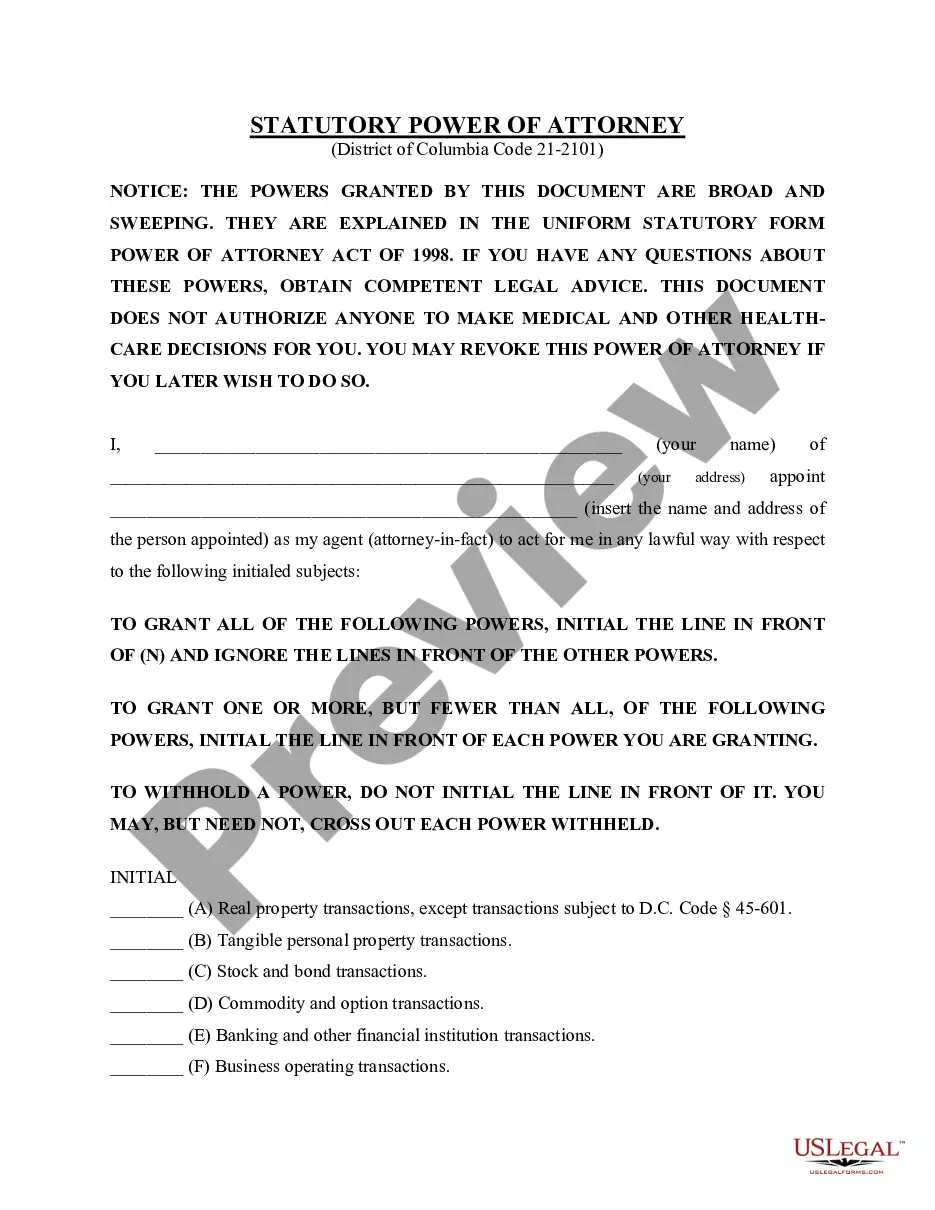
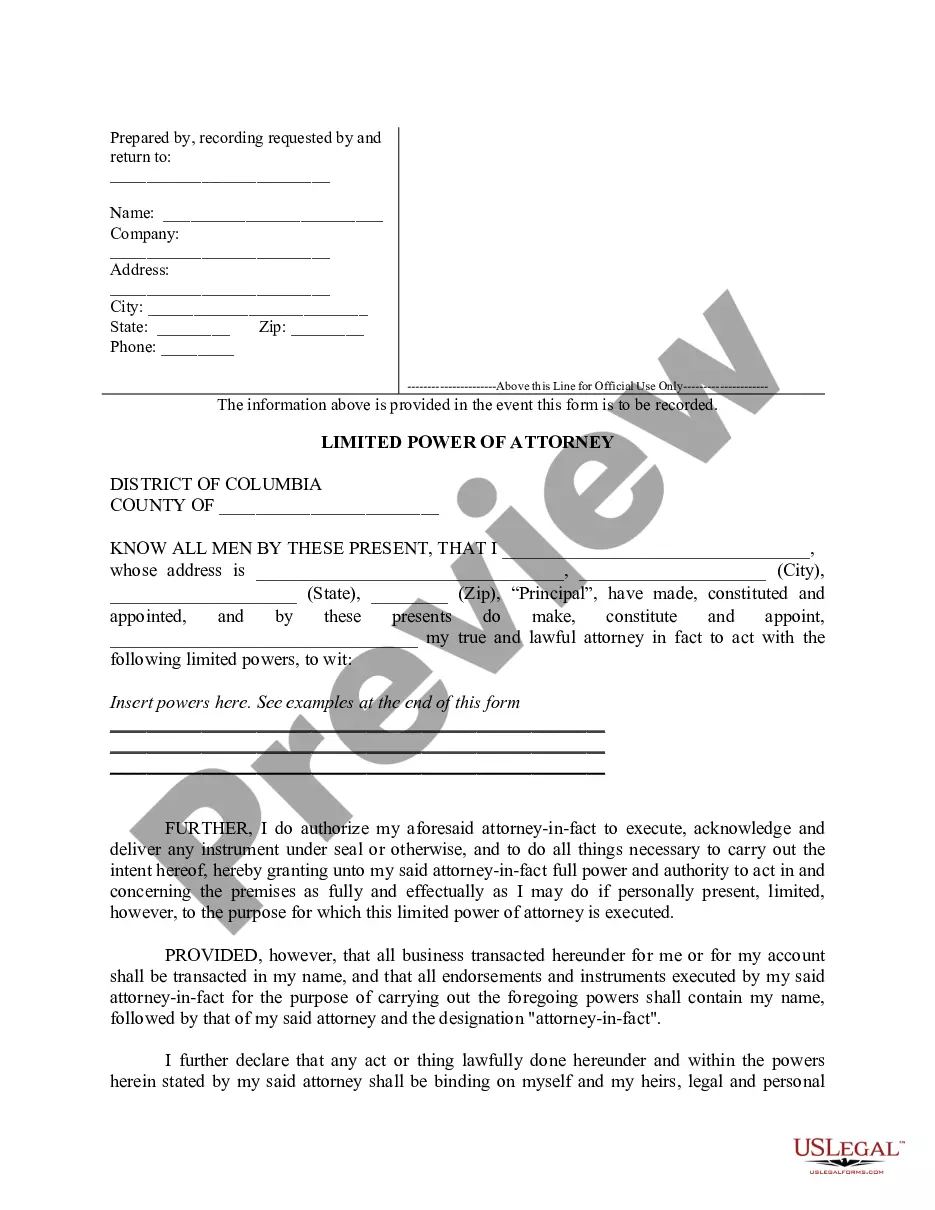
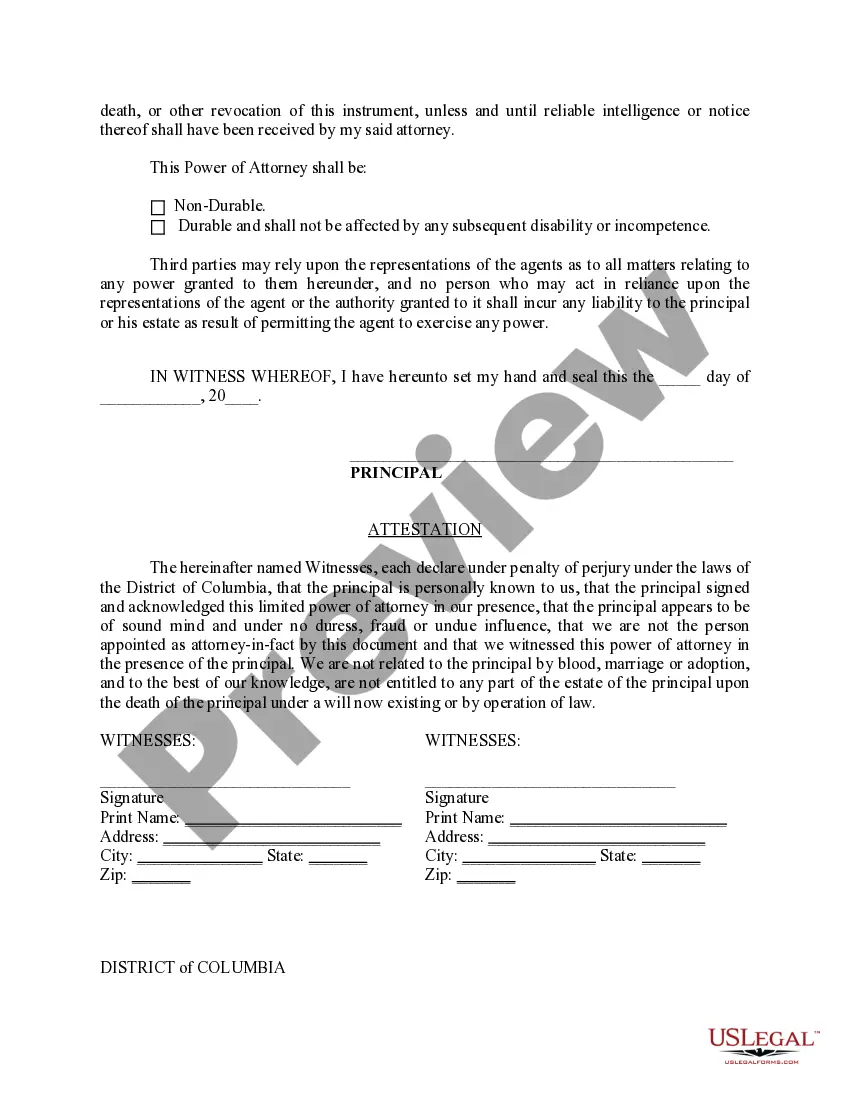
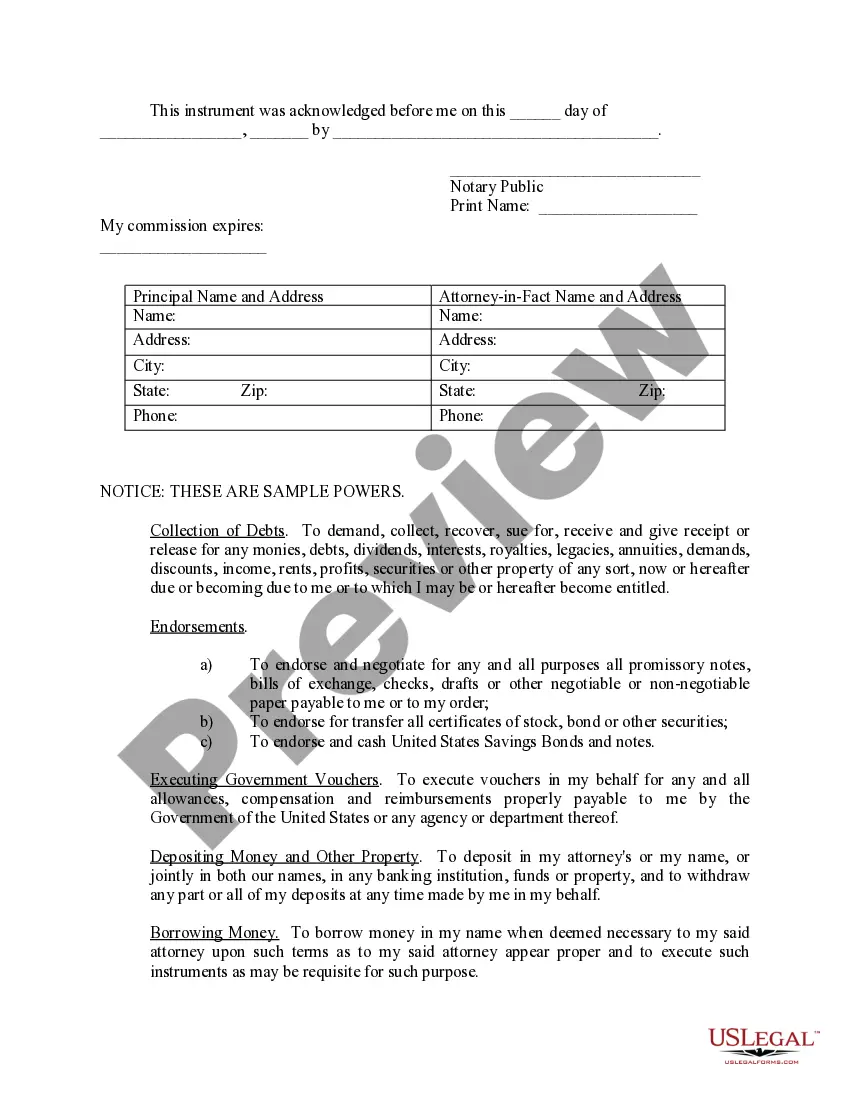
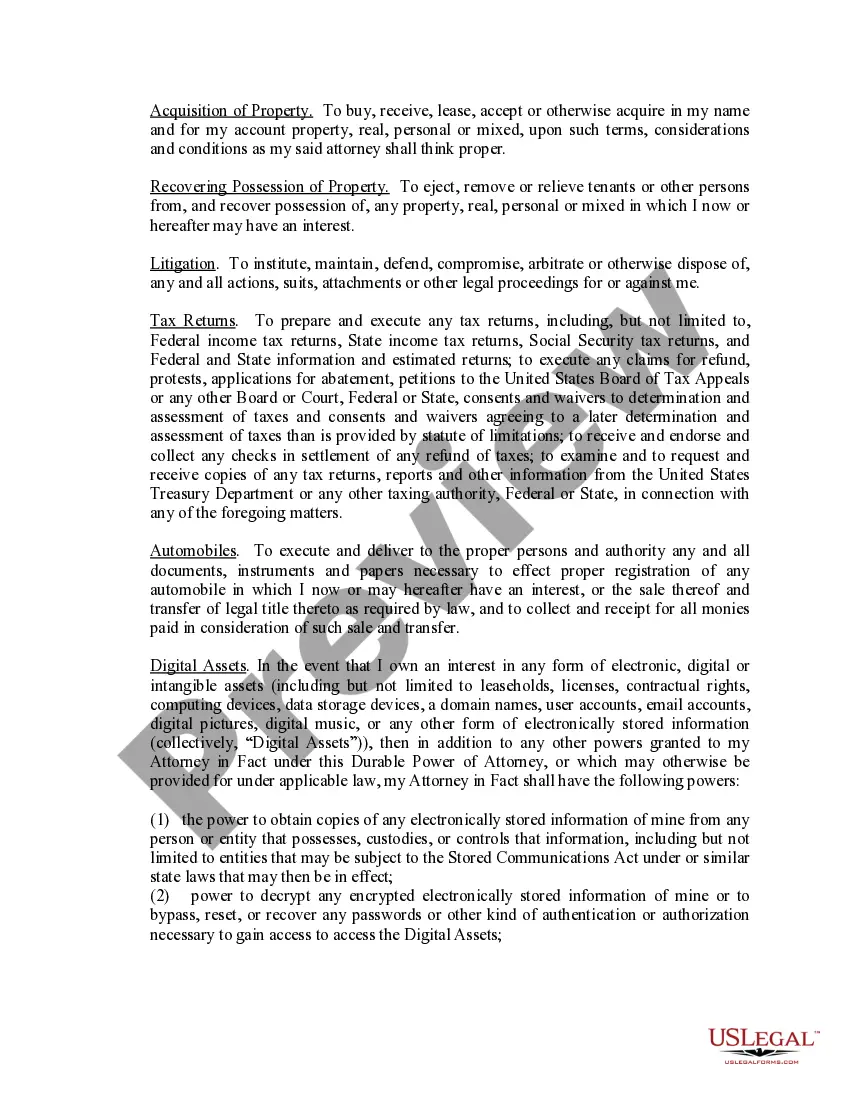
How to fill out District Of Columbia Limited Power Of Attorney Where You Specify Powers With Sample Powers Included?
- If you are a returning user, log in to your account and download your required form template by clicking the Download button. Check that your subscription is active; if it’s expired, renew it based on your plan.
- For new users, start by browsing the Preview mode and reading the form description to confirm you select the correct Power attorney for health care that aligns with your local laws.
- If necessary, use the Search tab to find a different template. Ensure it meets your requirements before moving forward.
- Purchase the document by clicking the Buy Now button and selecting a suitable subscription plan. Create an account for full access to US Legal Forms' extensive library.
- Complete your purchase by entering your credit card information or using PayPal to finalize your subscription.
- Download the Power attorney for health care form to your device and access it via the My Forms section of your profile whenever needed.
With US Legal Forms, individuals and attorneys have the advantage of a vast library of over 85,000 editable forms, ensuring they find the right legal documents quickly.
Empower yourself with a Power attorney for health care today. Start your journey with US Legal Forms and ensure your healthcare decisions are protected.
Form popularity
FAQ
To invoke a power attorney for health care, you must typically present the legal document to the relevant health care providers. Make sure they understand your wishes and intentions clearly. It helps to have copies readily available and be familiar with the process, which can often be streamlined through services like uslegalforms, making it easier for you to manage your health care preferences.
In some cases, a hospital can challenge a power attorney for health care. If the hospital questions the validity of the document, or if the patient is deemed unable to understand their condition, their decisions may not be followed. However, you can ensure your power of attorney is recognized by discussing your wishes openly with health care providers and using legal resources such as uslegalforms.
The primary downfall of a power attorney for health care lies in the potential for misuse or abuse by the agent. While this document grants significant authority to the agent, it can lead to conflicts if trust is broken. Therefore, it is crucial to select a trustworthy individual and to be aware of the protections available through platforms like uslegalforms.
A power attorney for health care cannot make decisions regarding the principal's choice of guardian, exercise certain voting rights, or consent to the termination of life support unless explicitly stated. These limitations ensure that the principal's broader rights and personal decisions are respected. It is essential to understand these boundaries to effectively navigate your health care journey.
While you do not necessarily need a lawyer to get a power of attorney in California, consulting one can be beneficial for ensuring that your documents meet state requirements. If you want a power attorney for health care, it is essential to follow the legal guidelines properly. Many users choose to use platforms like USLegalForms to easily create these documents without needing legal assistance. However, having a lawyer review your choices can provide peace of mind.
In California, the four main types of power of attorney include the durable power of attorney, springing power of attorney, limited power of attorney, and power of attorney for health care. Each type serves different purposes, especially when it comes to health care decisions. A power attorney for health care specifically allows someone to make medical decisions on your behalf if you become unable to communicate. Understanding these options ensures that your health care preferences are respected.
A POA, or power of attorney, refers to a broad legal document that allows someone to act on your behalf in various capacities. An HCP, or health care power of attorney, is a specific type of POA that exclusively focuses on health care decisions. Understanding this difference can help you choose the right option depending on your needs.
The key difference lies in the focus of the authority granted. A health care power of attorney is specifically for making medical decisions, while a durable power of attorney can cover both medical and non-medical matters. When appointing someone to advocate for your health care, it is important to use the appropriate designation.
Filling out a power of attorney letter involves identifying yourself, the person you are granting authority to, and detailing the powers you are bestowing. Additionally, ensure that you date and sign the document, and have it witnessed if applicable. Using templates from USLegalForms can guide you through this process and ensure your power attorney for health care complies with legal standards.
A medical power of attorney has specific limitations, primarily concerning the scope of decisions it can cover. It only addresses health care decisions and does not extend to financial or legal matters. Moreover, it may not allow your agent to make decisions about certain treatments that you explicitly refuse.