Easement For Power Lines
Description
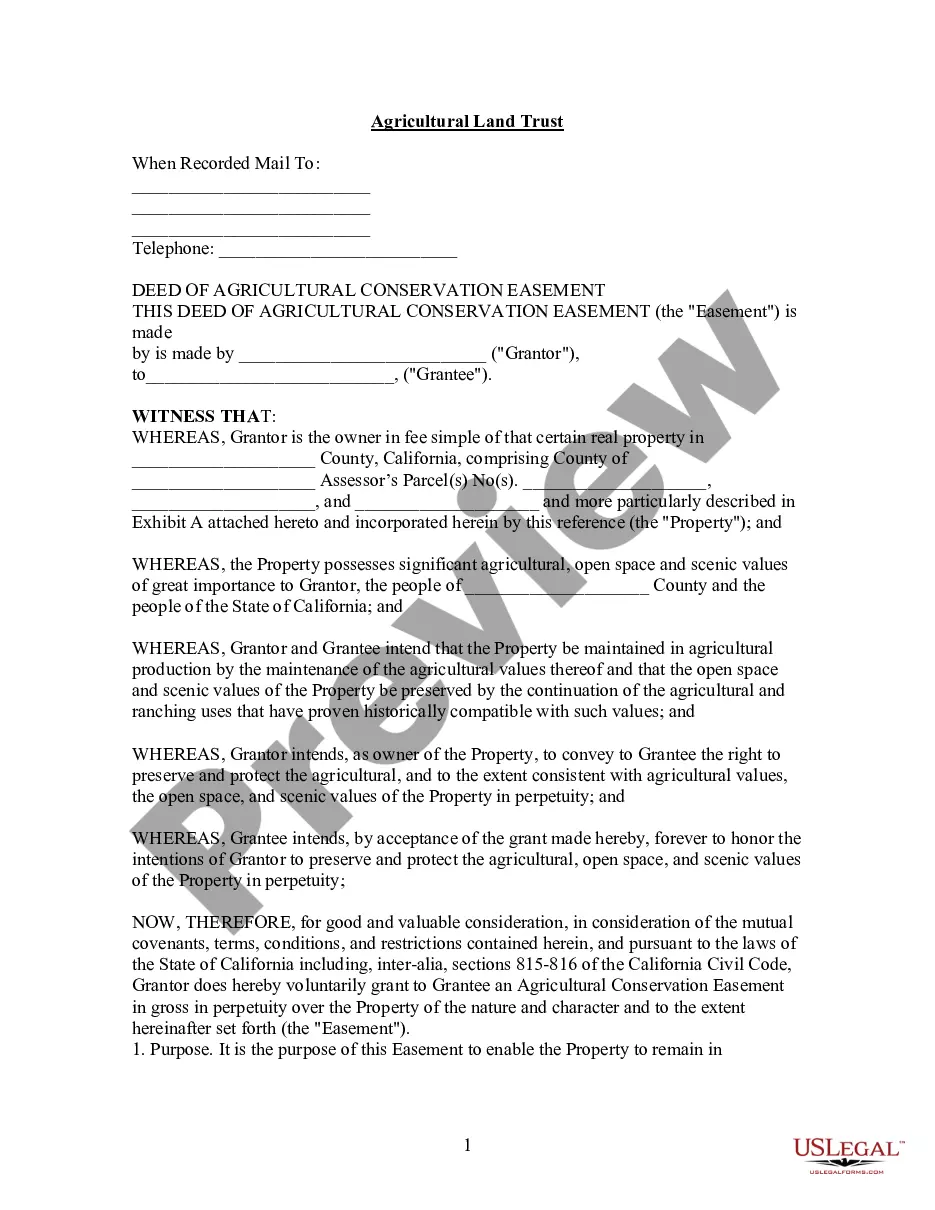
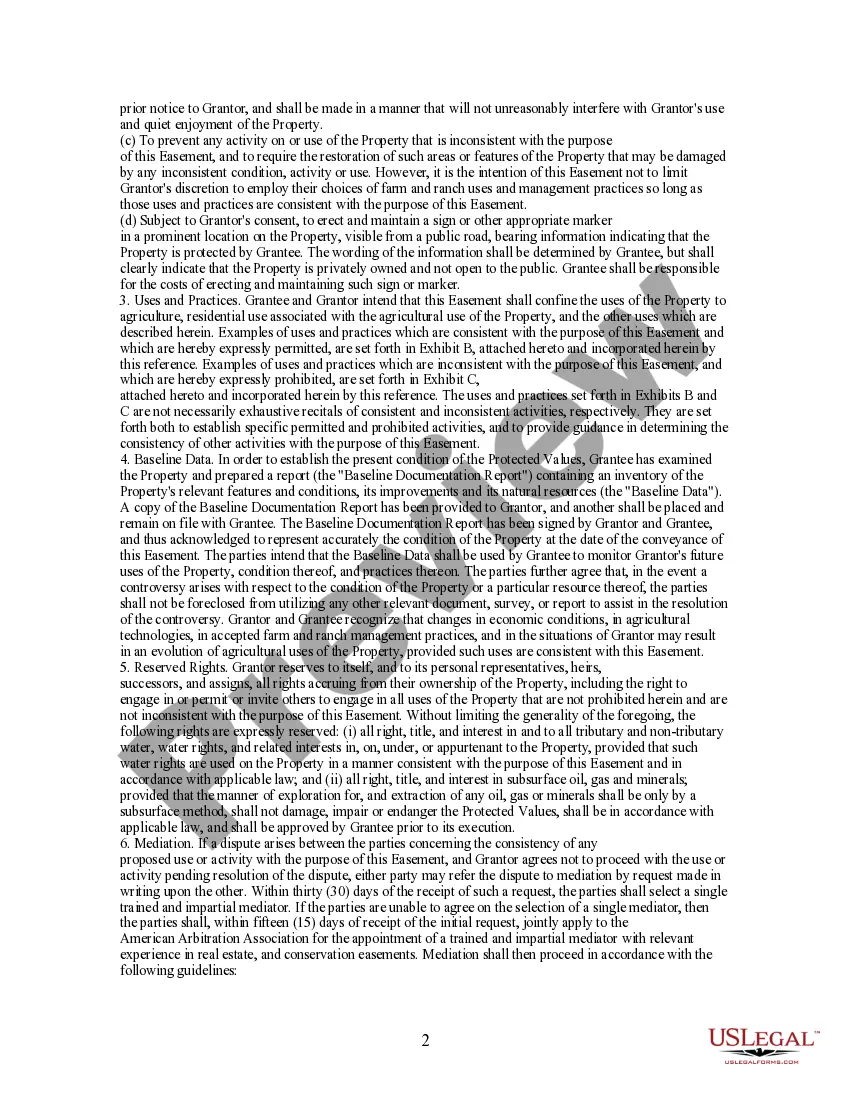
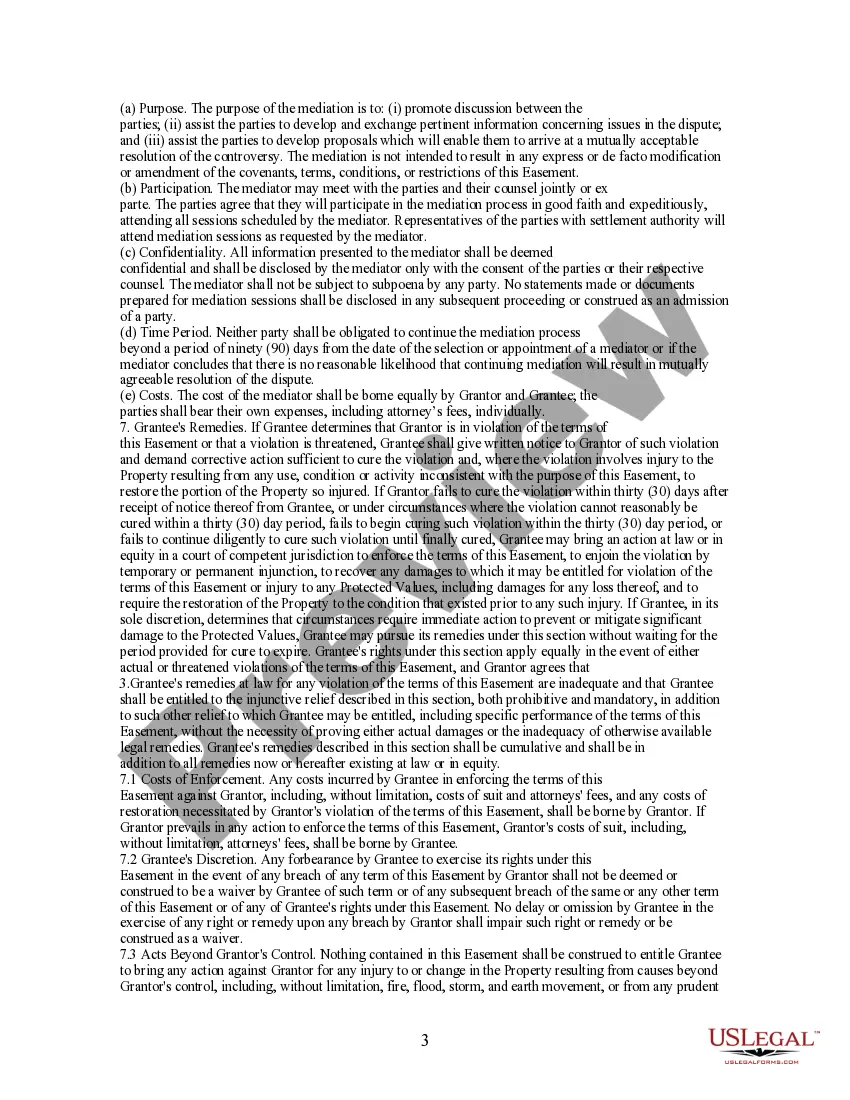
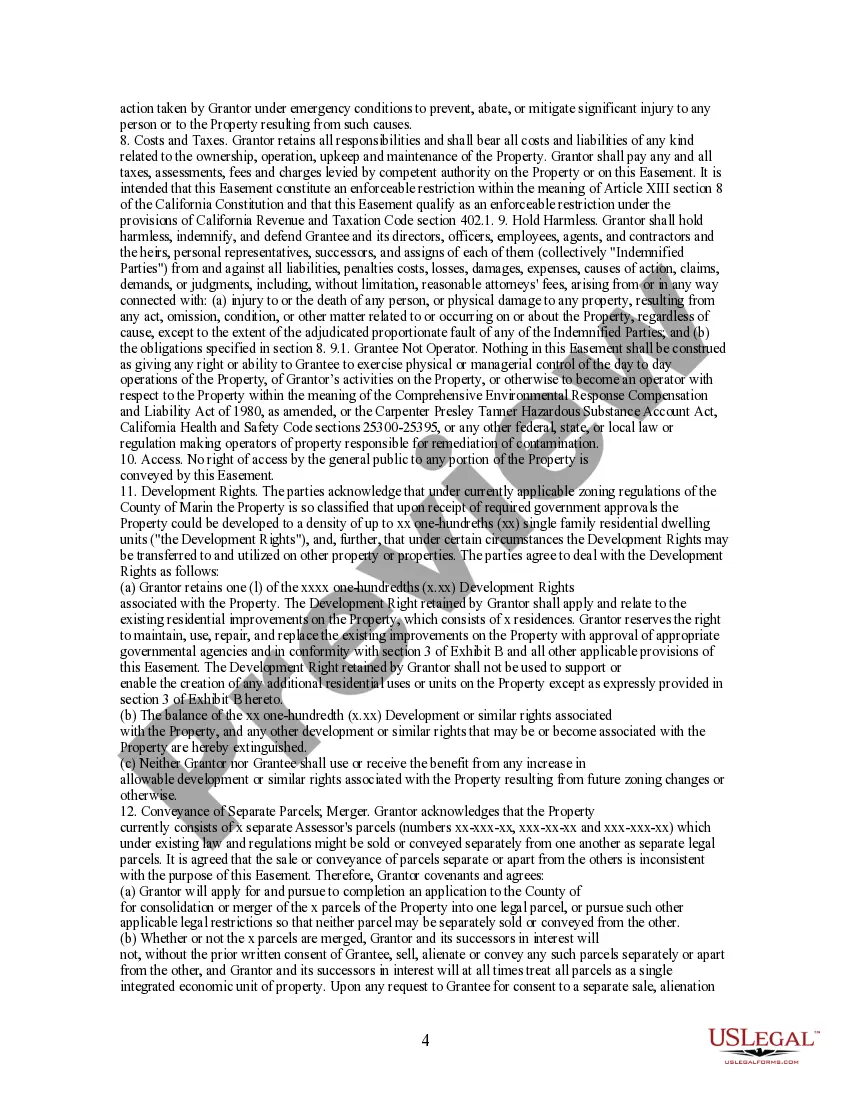
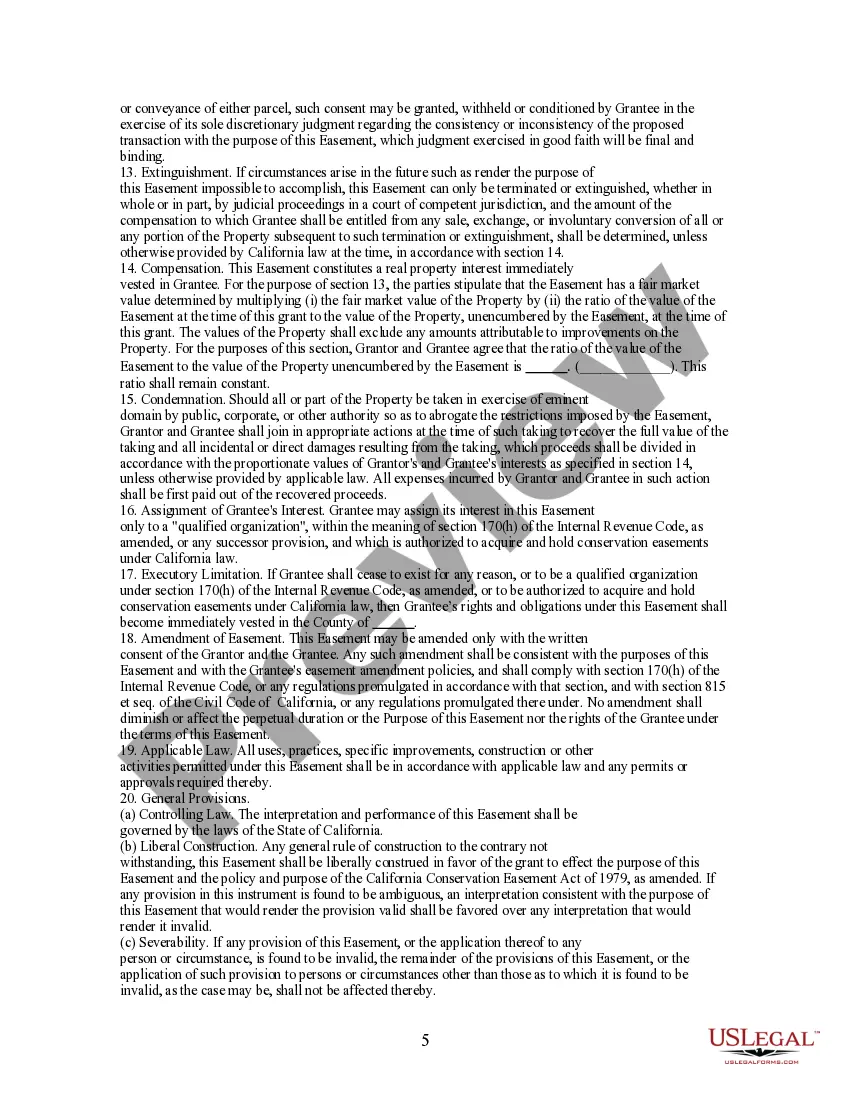
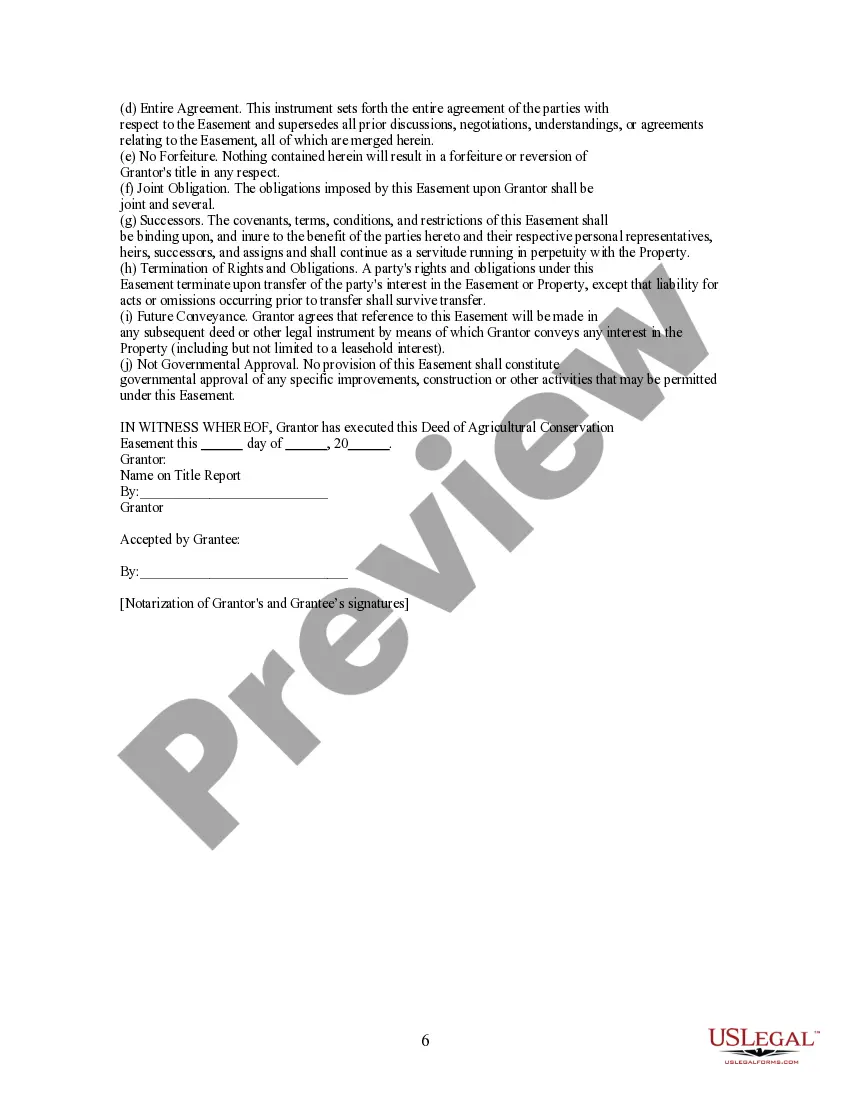
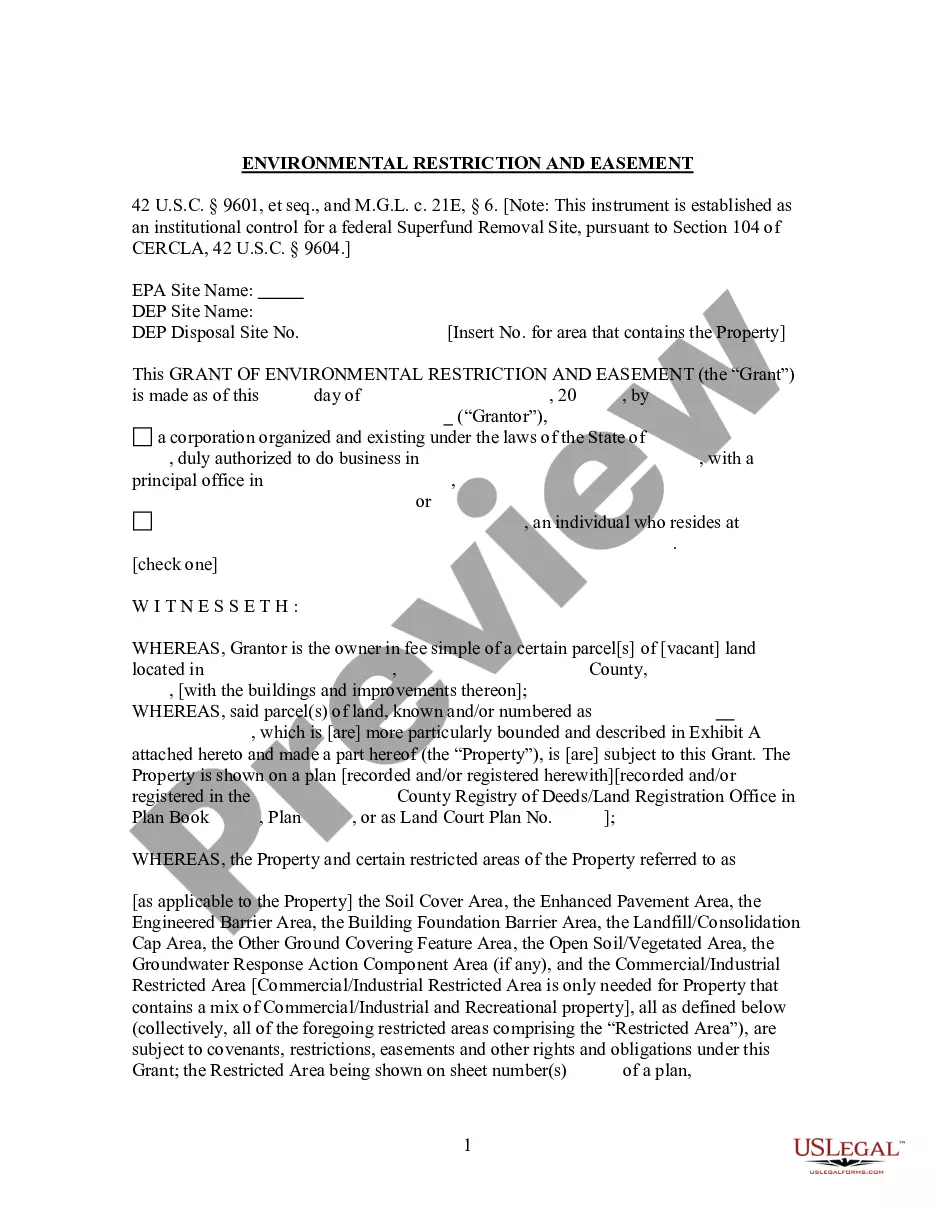
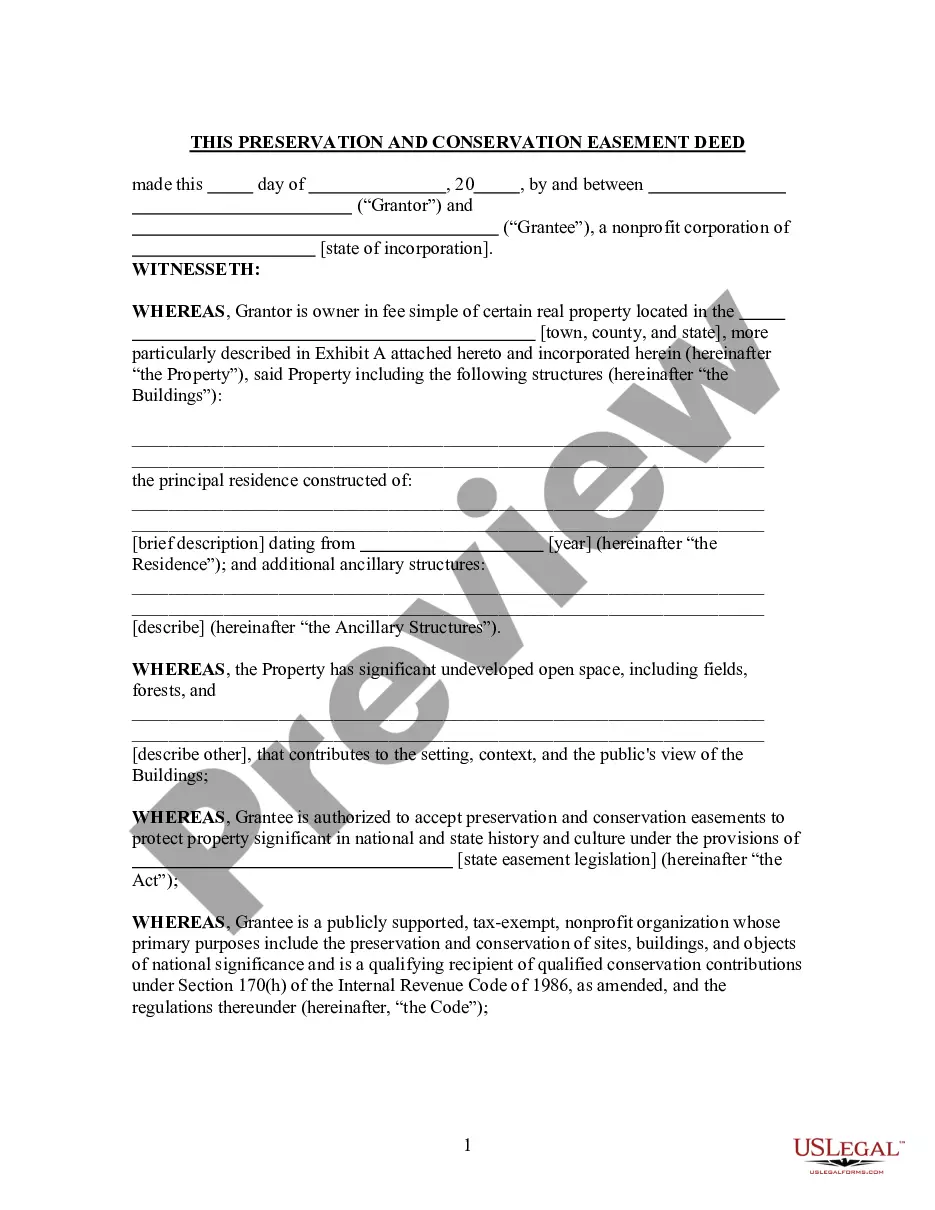
Get your form ready online
Our built-in tools help you complete, sign, share, and store your documents in one place.
Make edits, fill in missing information, and update formatting in US Legal Forms—just like you would in MS Word.
Download a copy, print it, send it by email, or mail it via USPS—whatever works best for your next step.
Sign and collect signatures with our SignNow integration. Send to multiple recipients, set reminders, and more. Go Premium to unlock E-Sign.
If this form requires notarization, complete it online through a secure video call—no need to meet a notary in person or wait for an appointment.
We protect your documents and personal data by following strict security and privacy standards.

Make edits, fill in missing information, and update formatting in US Legal Forms—just like you would in MS Word.

Download a copy, print it, send it by email, or mail it via USPS—whatever works best for your next step.

Sign and collect signatures with our SignNow integration. Send to multiple recipients, set reminders, and more. Go Premium to unlock E-Sign.

If this form requires notarization, complete it online through a secure video call—no need to meet a notary in person or wait for an appointment.

We protect your documents and personal data by following strict security and privacy standards.
Looking for another form?


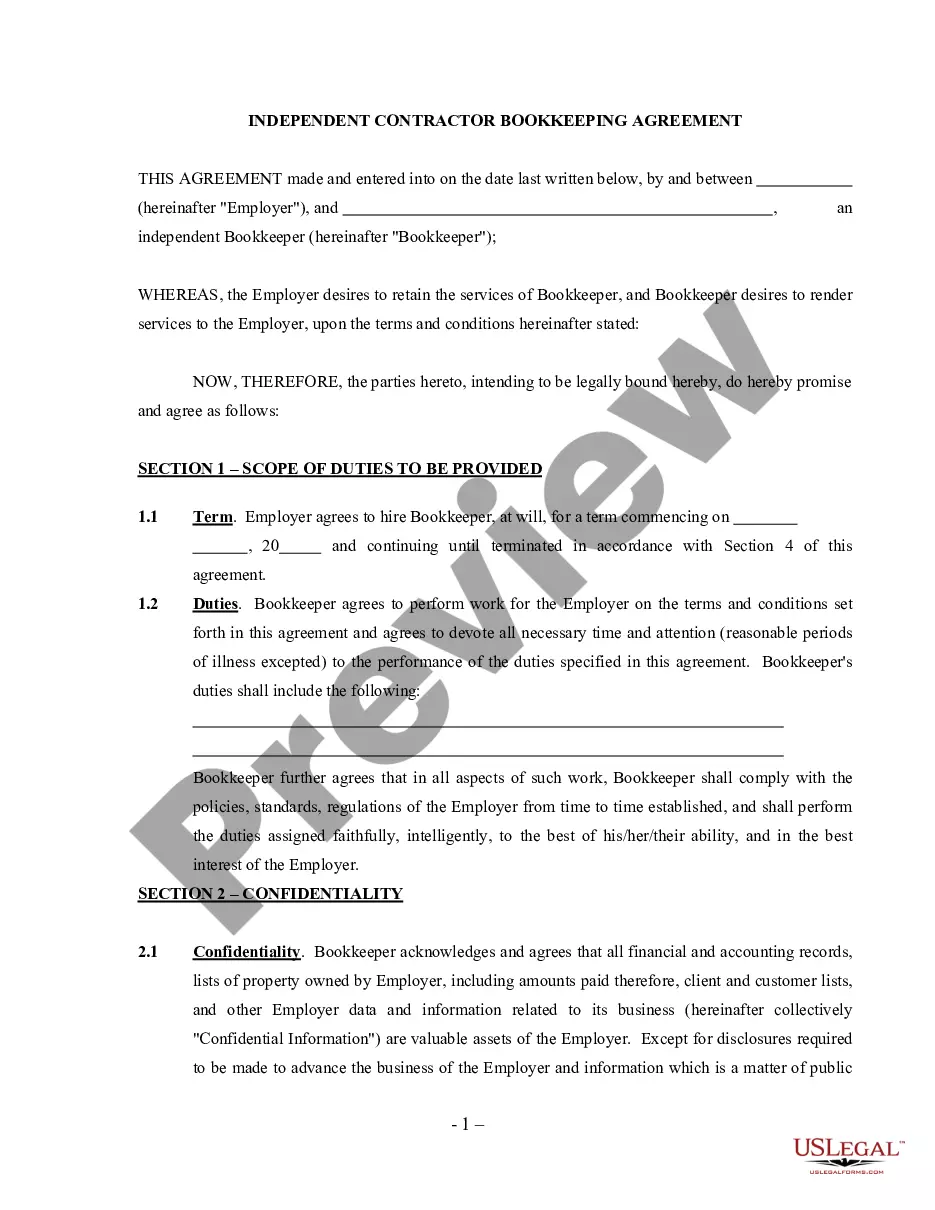





How to fill out California Agricultural Land Trust?
What is the most reliable service to obtain the Easement For Power Lines and other current iterations of legal documentation? US Legal Forms is the answer!
It's the most comprehensive collection of legal documents for any circumstance. Every template is appropriately drafted and verified for compliance with federal and local laws.
- They are organized by area and state of use, making it easy to find what you need.
- Experienced users of the website need only to Log In, verify their subscription status, and click the Download button next to the Easement For Power Lines to access it.
- Once saved, the document remains accessible for future use in the My documents section of your profile.
- If you don't yet have an account with us, here are the steps to create one.
Form popularity
FAQ
Easement agreements impact every landowner and the public in a given location for the lifetime of the deal. Landowners retain the right of use to the land through these agreements, as long it doesn't interfere with the utility company's immediate access.
What is an easement? Easement agreements are recorded documents that remain in effect when a property is transferred to new owners. An easement agreement includes language that restricts certain uses within the right-of-way and ensures PG&E's ability to access the area above the pipeline.
Rights-of-way are areas of land above the natural gas transmission pipeline or below electric transmission power lines that PG&E uses to maintain, inspect and safely operate its power systems. Rights-of-way are a common and important aspect of safely maintaining infrastructure.
Landowners retain the right of use to the land through these agreements, as long it doesn't interfere with the utility company's immediate access.
The recommended distance from high voltage lines is 200 meters. Houses that are 200 meters or more from a high voltage power line usually have typical radiation levels that have insignificant effects on human beings. You can live within the 50 meters limit for low voltage lines and still be safe from harmful radiation.

