Residential Lease Tenant Agreement With Canada
Description


Get your form ready online
Our built-in tools help you complete, sign, share, and store your documents in one place.
Make edits, fill in missing information, and update formatting in US Legal Forms—just like you would in MS Word.
Download a copy, print it, send it by email, or mail it via USPS—whatever works best for your next step.
Sign and collect signatures with our SignNow integration. Send to multiple recipients, set reminders, and more. Go Premium to unlock E-Sign.
If this form requires notarization, complete it online through a secure video call—no need to meet a notary in person or wait for an appointment.
We protect your documents and personal data by following strict security and privacy standards.

Make edits, fill in missing information, and update formatting in US Legal Forms—just like you would in MS Word.

Download a copy, print it, send it by email, or mail it via USPS—whatever works best for your next step.

Sign and collect signatures with our SignNow integration. Send to multiple recipients, set reminders, and more. Go Premium to unlock E-Sign.

If this form requires notarization, complete it online through a secure video call—no need to meet a notary in person or wait for an appointment.

We protect your documents and personal data by following strict security and privacy standards.
Looking for another form?


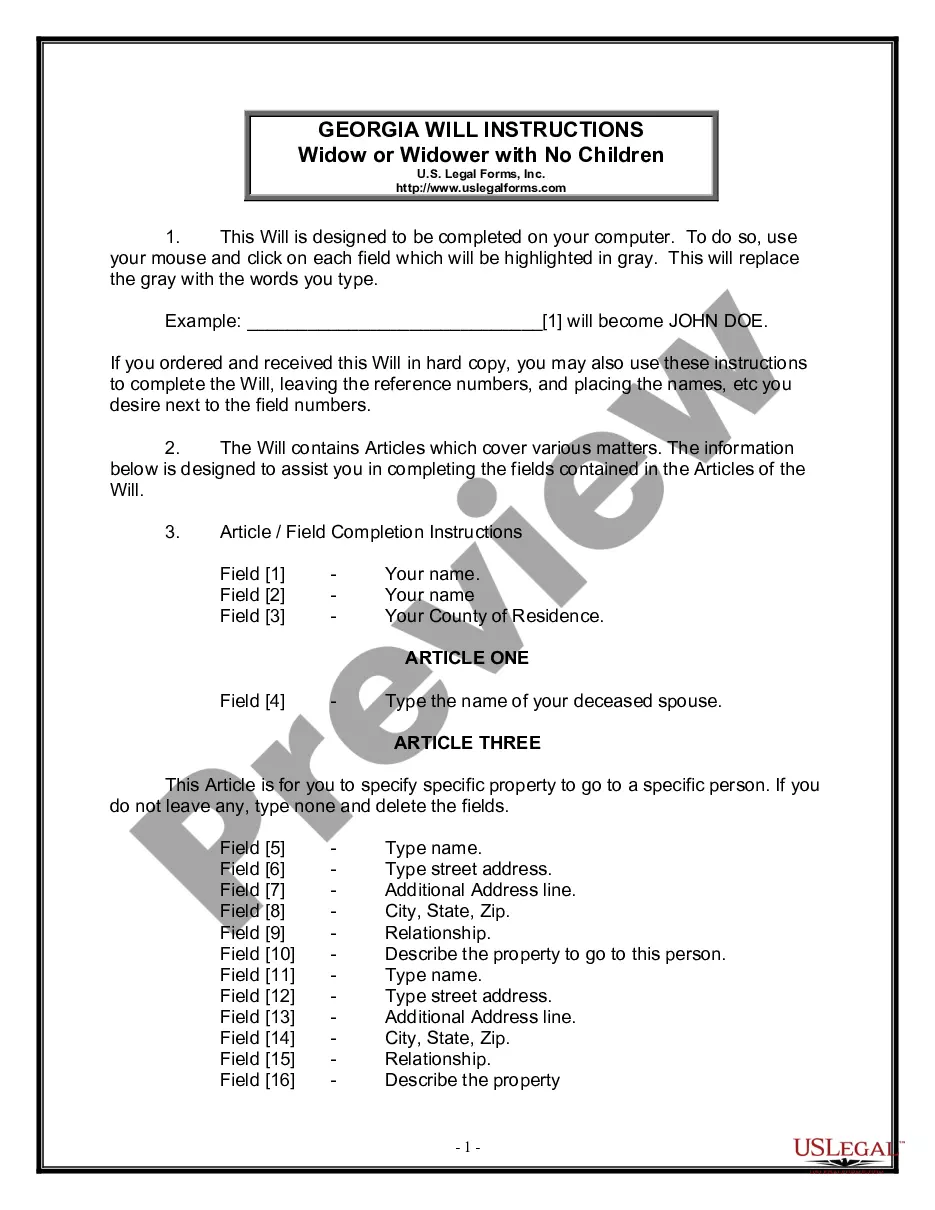
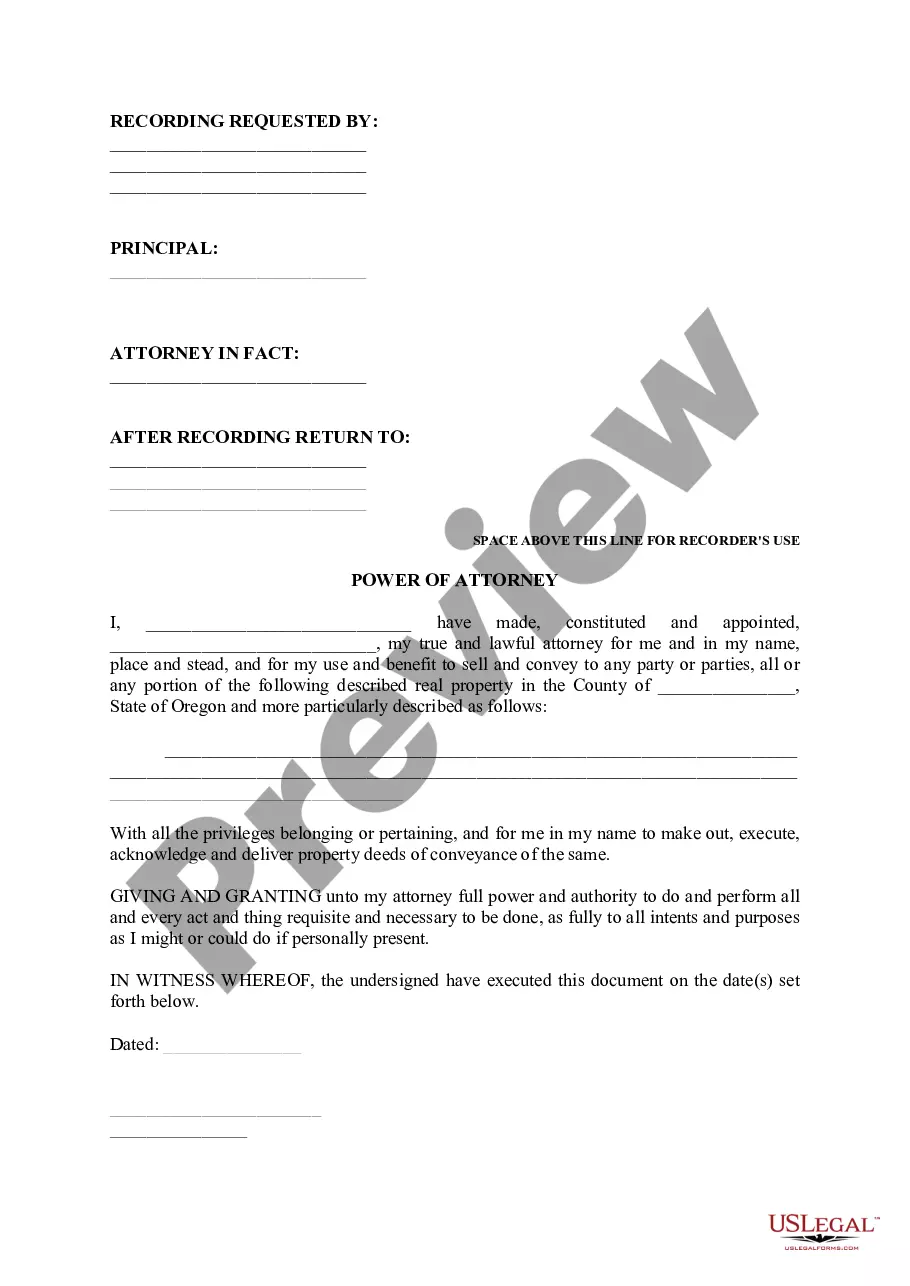


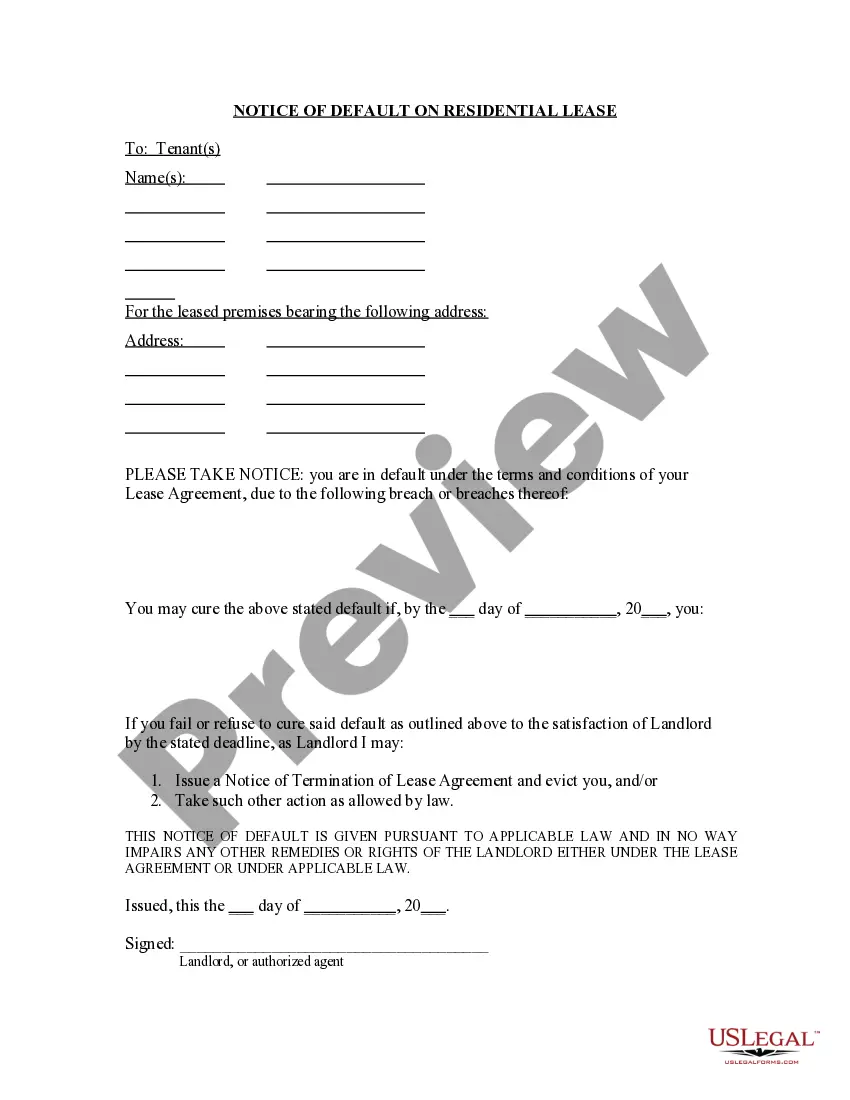
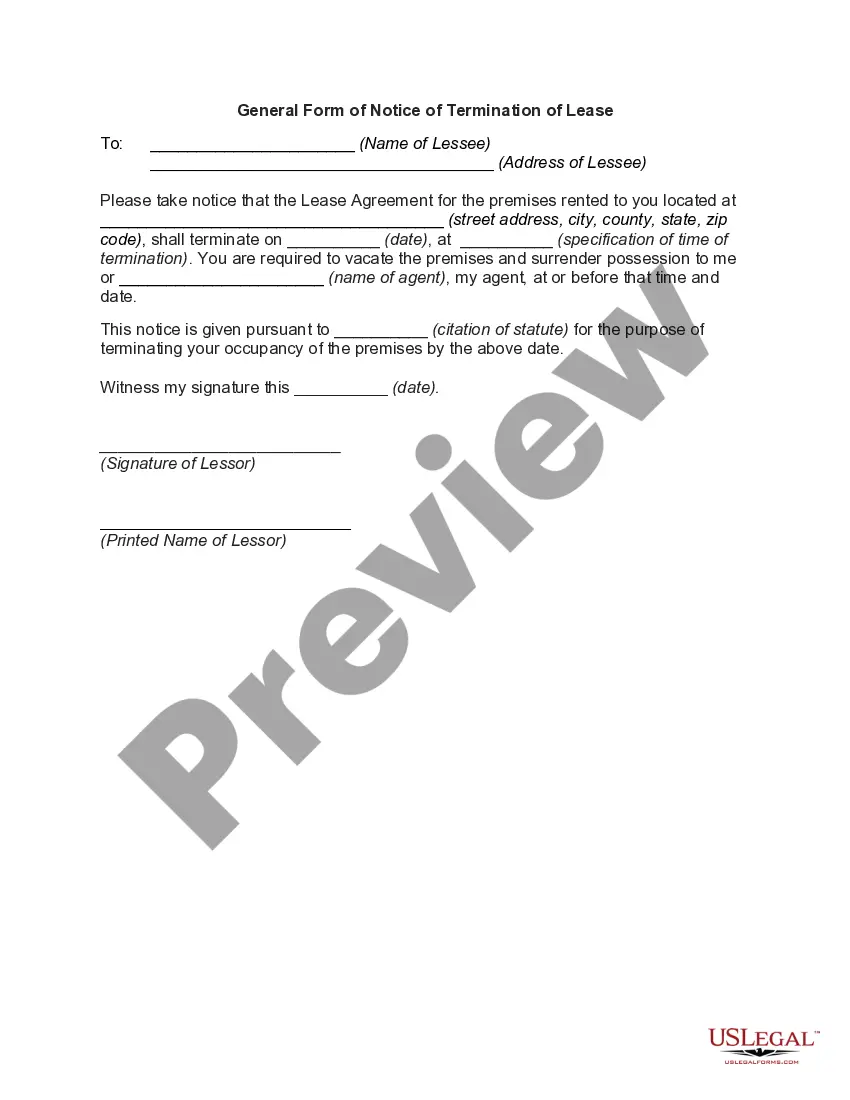
How to fill out California Notice Of Default On Residential Lease?
- Visit the US Legal Forms website and browse for the Residential Lease Tenant Agreement template.
- Review the preview mode and ensure the document aligns with your jurisdiction's legal requirements.
- If you need a different form, use the search feature to find an alternative that meets your needs.
- Select your preferred subscription plan by clicking the Buy Now button and registering for an account.
- Complete your purchase securely using your credit card or PayPal.
- Download the form and save it to your device. You can also access it anytime from the My Forms section of your profile.
Overall, US Legal Forms offers a user-friendly platform to acquire legal documents like the Residential Lease Tenant Agreement with Canada. Their comprehensive library and expert assistance ensure that your forms are both accurate and valid.
Start your journey towards creating legally binding agreements today with US Legal Forms!
Form popularity
FAQ
The 30% rule suggests that tenants should aim to spend no more than 30% of their gross income on housing costs, including rent and utilities. This guideline is especially relevant when drafting a residential lease tenant agreement with Canada, as it promotes financial stability for renters. By adhering to this rule, you can ensure that your rental agreement remains affordable and sustainable over the long term.
Generally, a residential lease does not need to be notarized to be legally binding in Canada. However, having a residential lease tenant agreement with Canada signed by all parties can provide additional assurance and clarity. While notarization isn't typically required, a well-drafted lease can prevent misunderstandings and serve as a reliable reference in case of disputes.
A rental agreement is a legal document that outlines the terms of renting a property, including the duration, payment terms, and rights and obligations of both the tenant and the landlord. In the context of a residential lease tenant agreement with Canada, these terms ensure that both parties clearly understand their responsibilities, which helps prevent disputes. It’s essential to ensure that all critical details are documented in the rental agreement to protect your rights.
In Ontario, a lease typically refers to a long-term commitment, usually lasting one year or more, while a rental agreement might be more flexible with shorter terms. A residential lease tenant agreement with Canada often contains specific conditions, including rent due dates and maintenance responsibilities. Understanding these distinctions can help you choose the right document for your housing needs.
Writing a lease agreement in Canada involves several key steps. Start by including the names of both parties, rental property details, and specific terms such as the lease duration and rent amount. To simplify this process, you can utilize online platforms like UsLegalForms, which offer templates for a residential lease tenant agreement with Canada, ensuring compliance with local laws.
A tenancy agreement in Canada is a contract that defines the relationship between a landlord and a tenant. It covers aspects such as rent amount, payment dates, and property rules. When you enter a residential lease tenant agreement with Canada, you ensure that both parties understand their obligations, helping to prevent disputes down the road.
An agreement of tenancy is a legal document between a landlord and tenant that outlines the terms of the rental arrangement. It is used to establish the rights and responsibilities of both parties from the outset. You will often find such terms detailed in a residential lease tenant agreement with Canada, ensuring clarity and legal protection.
The most common type of tenancy agreement in Canada is the fixed-term lease. This lease guarantees the tenant a place to live for a specific period, usually at least six months to a year. This type of agreement is beneficial for both landlords and tenants, as it provides stability and predictability, which is often outlined in a residential lease tenant agreement with Canada.
The primary difference lies in the duration and terms of the agreements. A lease typically covers a fixed term, such as one year, while a rental agreement usually operates on a month-to-month basis. Understanding this distinction is crucial when signing a residential lease tenant agreement with Canada, as it impacts your rights and responsibilities as a tenant or landlord.
Yes, you can evict a tenant in Canada, but specific procedures must be followed. Each province has its own regulations governing evictions, so it's essential to understand the local laws. A residential lease tenant agreement with Canada often outlines the reasons for eviction, such as non-payment of rent. Ensure you provide appropriate notice before taking further action.