Tenant Landlord With For And Against
Description


Get your form ready online
Our built-in tools help you complete, sign, share, and store your documents in one place.
Make edits, fill in missing information, and update formatting in US Legal Forms—just like you would in MS Word.
Download a copy, print it, send it by email, or mail it via USPS—whatever works best for your next step.
Sign and collect signatures with our SignNow integration. Send to multiple recipients, set reminders, and more. Go Premium to unlock E-Sign.
If this form requires notarization, complete it online through a secure video call—no need to meet a notary in person or wait for an appointment.
We protect your documents and personal data by following strict security and privacy standards.

Make edits, fill in missing information, and update formatting in US Legal Forms—just like you would in MS Word.

Download a copy, print it, send it by email, or mail it via USPS—whatever works best for your next step.

Sign and collect signatures with our SignNow integration. Send to multiple recipients, set reminders, and more. Go Premium to unlock E-Sign.

If this form requires notarization, complete it online through a secure video call—no need to meet a notary in person or wait for an appointment.

We protect your documents and personal data by following strict security and privacy standards.
Looking for another form?
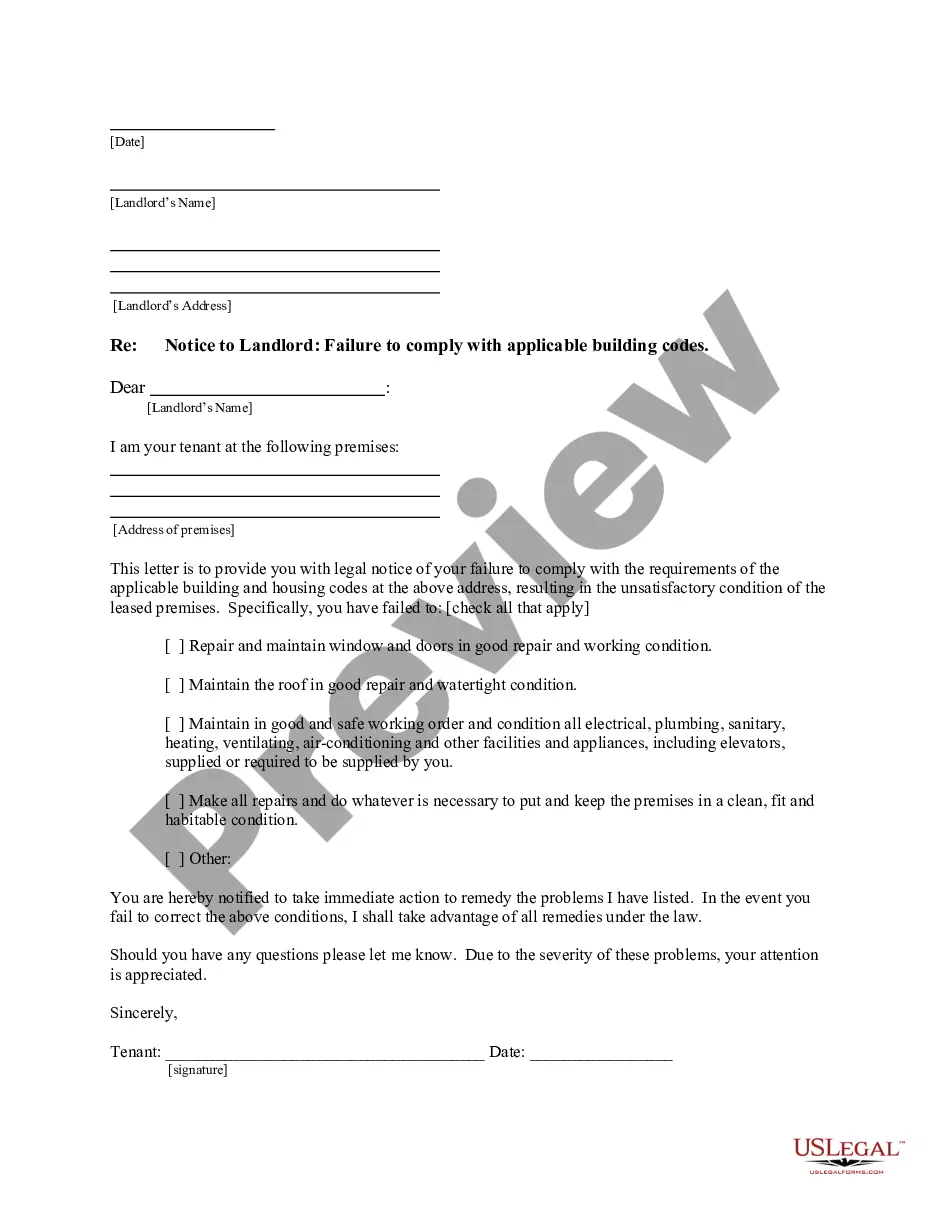
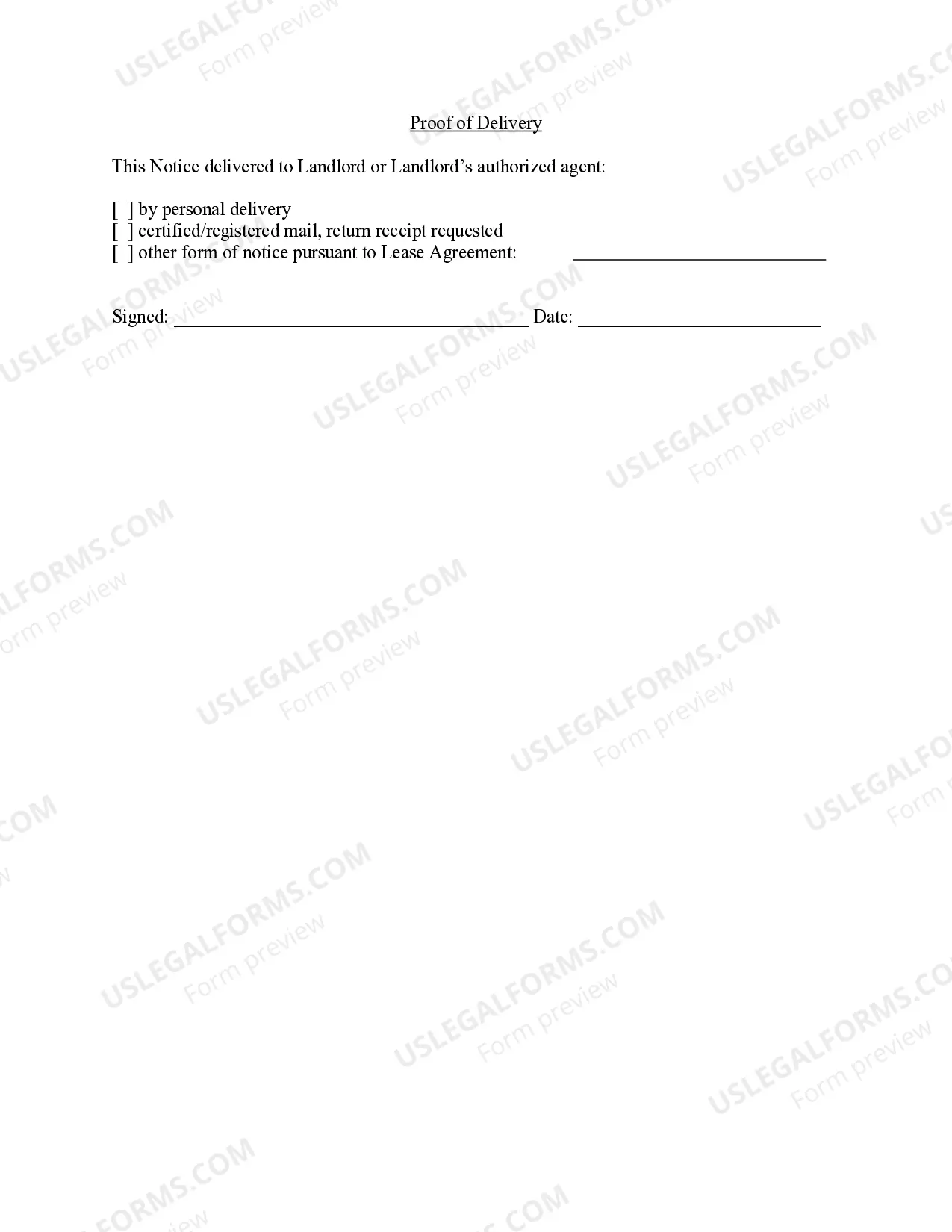
How to fill out California Letter From Tenant To Landlord For Failure Of Landlord To Comply With Building Codes Affecting Health And Safety Or Resulting In Untenantable Condition - Demand For Remedy?
- If you're a returning user, log in to your account to access and download your required form by clicking the Download button. Ensure your subscription is active; renew it if necessary.
- For first-time users, start by checking the Preview mode and reading the form description to confirm it meets your specific requirements.
- If you need another template, utilize the Search tab to find the right one—once you locate a suitable document, proceed to the next step.
- Purchase the document by clicking the Buy Now button and selecting your preferred subscription plan. Registration is necessary to access the complete library.
- Complete your purchase by entering your payment information via credit card or PayPal account.
- Download the form to save on your device. You can also access it anytime from the My Forms section of your profile.
By utilizing US Legal Forms, you benefit from an extensive online library housing over 85,000 customizable legal forms. This service not only simplifies the documentation process but also connects users with premium experts for tailored assistance.
In conclusion, understanding tenant-landlord dynamics is essential, and US Legal Forms can facilitate effective legal documentation. Start asserting your rights and responsibilities today!
Form popularity
FAQ
To file a counterclaim against a landlord, you first need to gather evidence supporting your claim, such as documentation of lease violations or unpaid repairs. Then, familiarize yourself with your local legal process, which often involves submitting forms to the court where the original complaint was filed. It's crucial to be clear and concise in your claim. Consulting resources like US Legal Forms can guide you through the filing process and enhance your understanding of tenant landlord with for and against legalities.
To fill out a landlord application, start with accurate information including your full name, social security number, and contact details. Include your employment history, income sources, and personal references. Being thorough and transparent in your application fosters trust with the landlord. Consider using US Legal Forms to access easy-to-follow templates specifically for tenant landlord with for and against situations.
Most landlords typically require tenants to earn three times the monthly rent to ensure they can meet payment obligations. This rule helps create a financial buffer, reducing the risk for landlords. While some may have more flexible requirements, it's important to provide proof of income and financial stability. Utilizing resources like US Legal Forms can help tenants prepare necessary documentation and understand landlord expectations better.
Recent changes in Florida's landlord regulations focus on tenant rights and fair practices. Landlords are now required to provide specific disclosures, establish clearer communication protocols, and adhere to stricter eviction processes. These rules aim to protect tenants while maintaining a harmonious relationship between tenant and landlord with for and against dynamics. Researching these regulations can benefit both parties in understanding their rights and responsibilities.
Red flags on a rental application may include inconsistencies in the information provided, such as different names or addresses. Look out for insufficient income in relation to rent, or eviction history that signals issues with past landlords. Additionally, if the applicant fails to provide references or has negative feedback from previous landlords, it raises concerns. Evaluating these factors can help both tenant and landlord understand the potential risks involved.
To fill out a landlord application, begin by gathering your personal information, such as your name, contact details, and Social Security number. Next, provide your employment details, including your income and length of employment. Finally, include references and be honest about your rental history. Using US Legal Forms can simplify this process, offering templates and guidance tailored for tenant landlord with for and against scenarios.
Taking legal action against a landlord involves several steps, including understanding your rights and gathering all documentation related to your issue. It’s advisable to consult legal professionals or use platforms like uslegalforms. Prepare to submit a formal complaint in the appropriate court, clearly stating your claims and desired outcomes.
California has implemented various tenant protection laws aimed at safeguarding renters' rights, especially regarding eviction processes and rent increases. These measures seek to provide tenants with more stability and minimize disputes with landlords. As a tenant landlord with for and against concerns, understanding these laws can empower you in your rental situation.
Deciding whether to take a landlord to court requires careful consideration of the potential outcomes. If you have strong evidence and a clear case of violation, pursuing legal action can result in compensation or compliance from your landlord. However, weigh the costs and benefits, keeping in mind that alternatives exist, such as mediation and negotiation.
In Kansas, tenants can report landlords to local housing or building inspection offices. Additionally, if your landlord is failing to uphold health and safety standards, you may contact the Kansas Department of Health and Environment. Utilizing the resources available helps protect your rights as a tenant landlord with for and against issues.