Adoption Rights For Biological Parents
Description

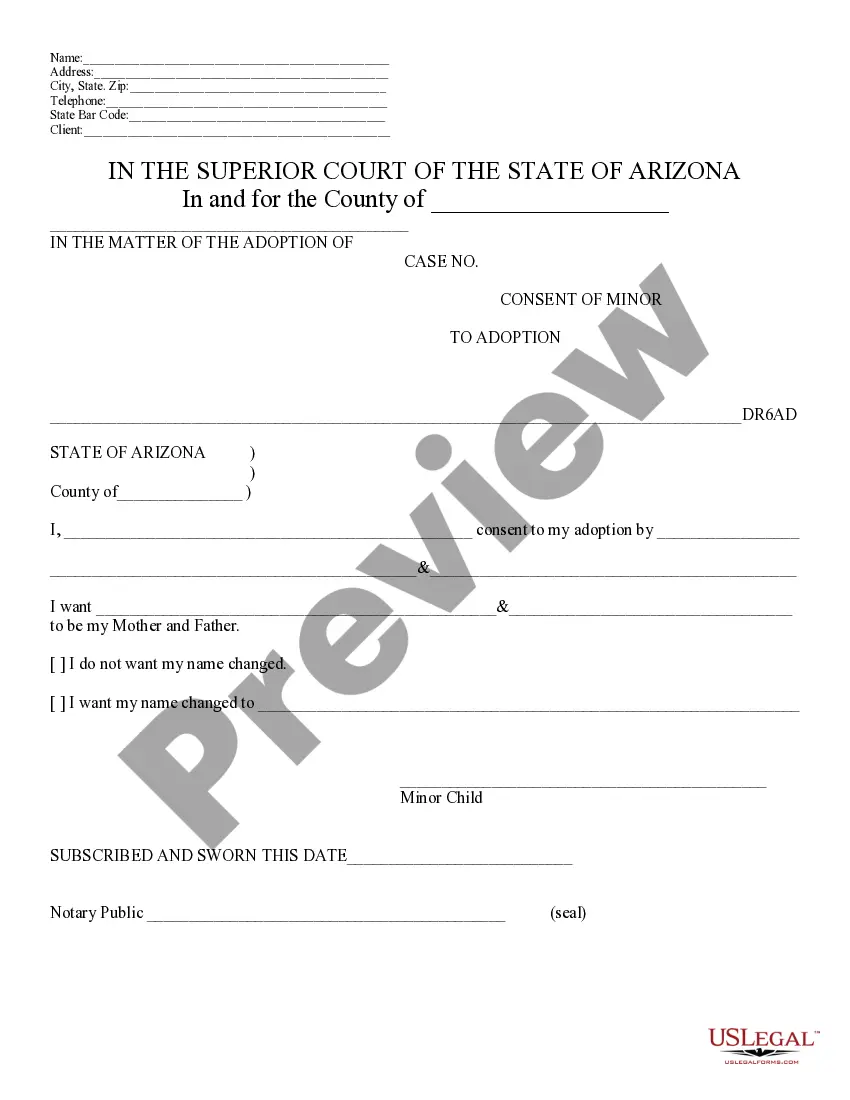
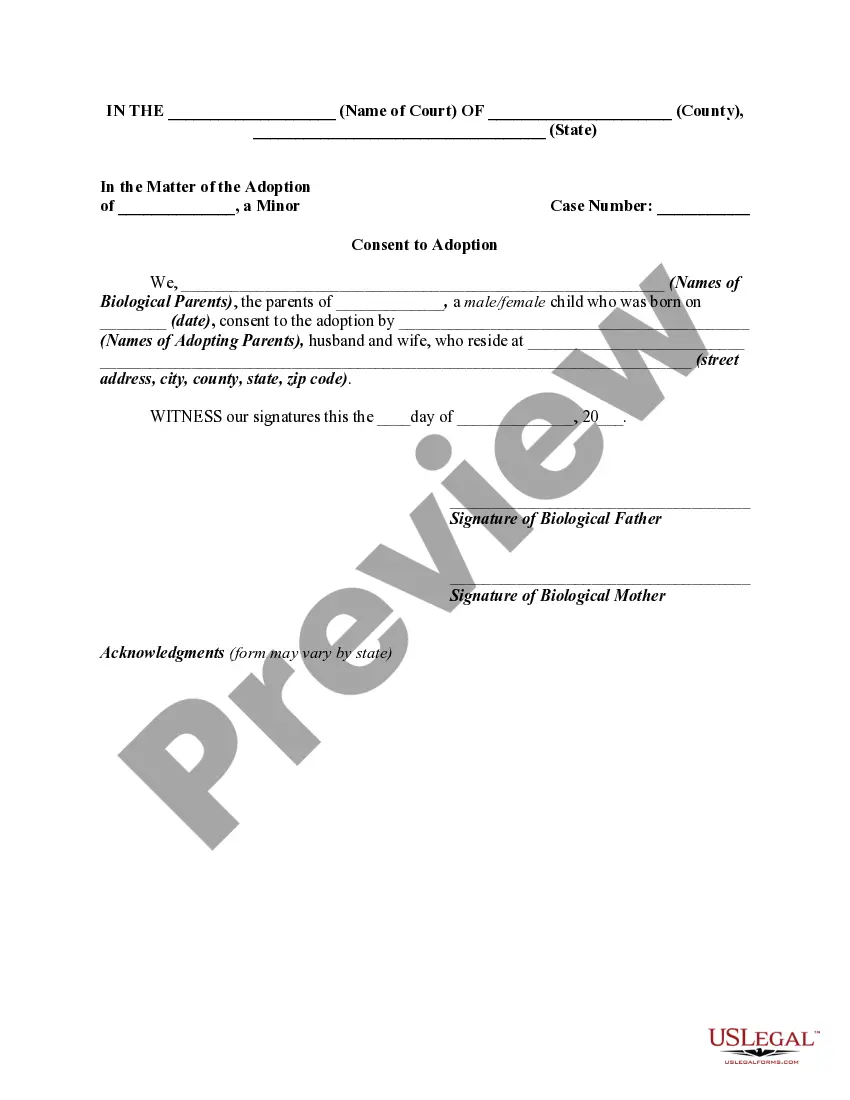
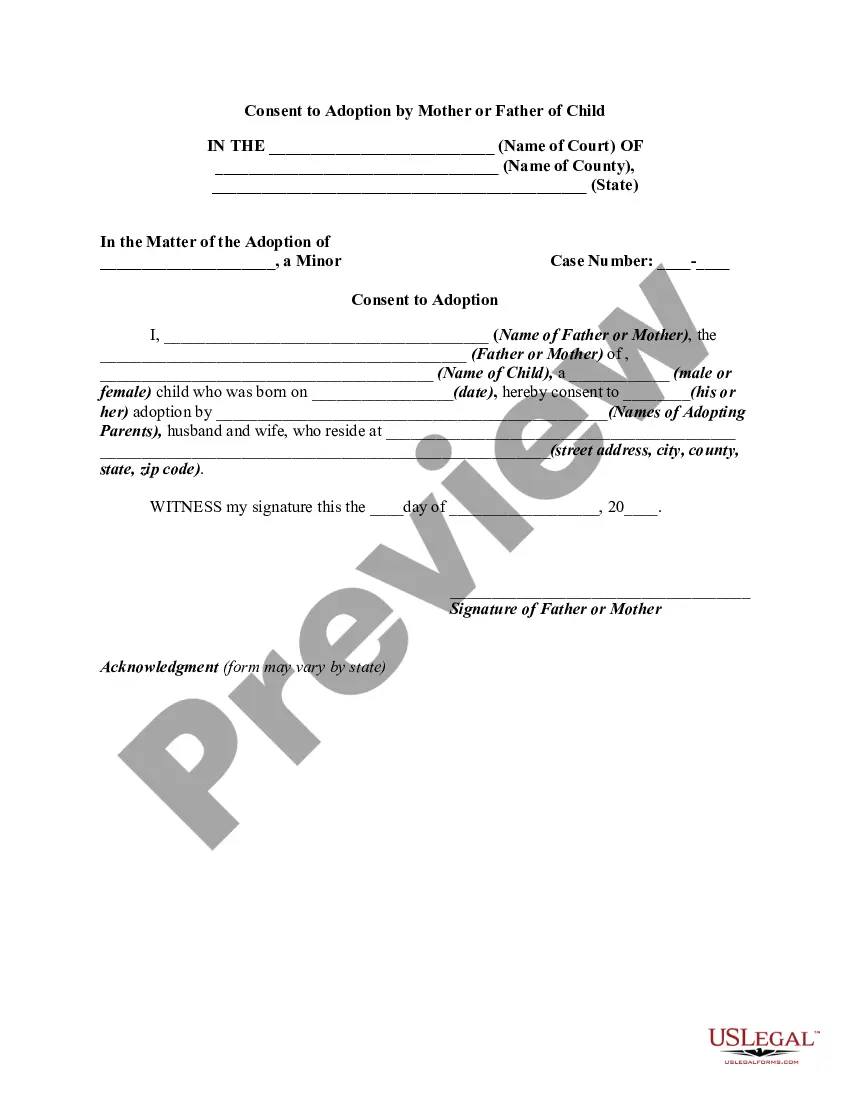
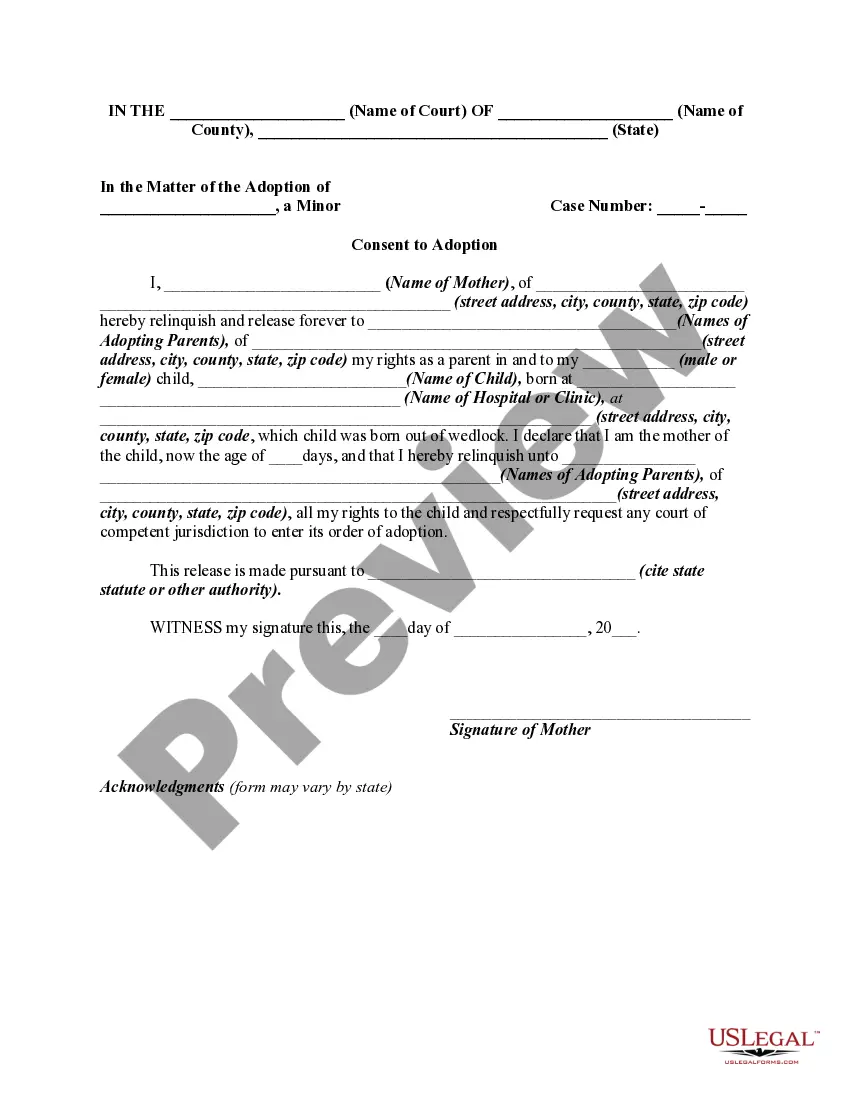
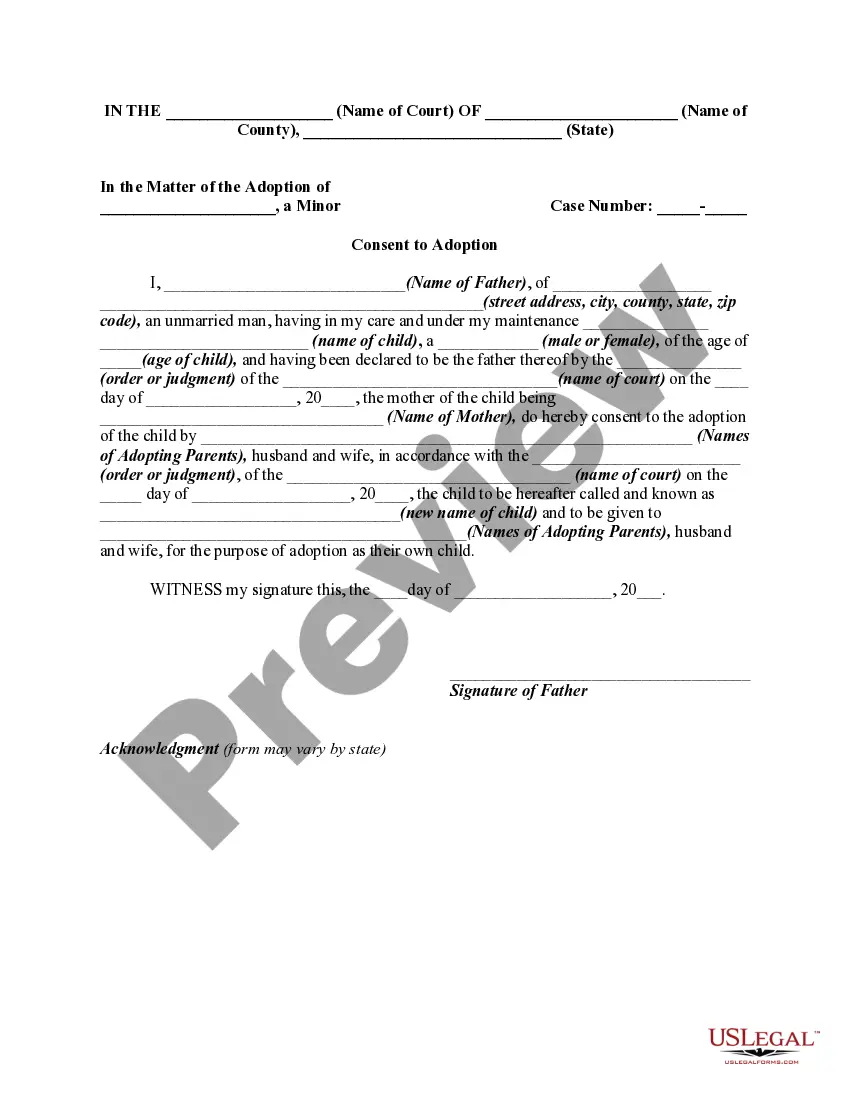
Get your form ready online
Our built-in tools help you complete, sign, share, and store your documents in one place.
Make edits, fill in missing information, and update formatting in US Legal Forms—just like you would in MS Word.
Download a copy, print it, send it by email, or mail it via USPS—whatever works best for your next step.
Sign and collect signatures with our SignNow integration. Send to multiple recipients, set reminders, and more. Go Premium to unlock E-Sign.
If this form requires notarization, complete it online through a secure video call—no need to meet a notary in person or wait for an appointment.
We protect your documents and personal data by following strict security and privacy standards.

Make edits, fill in missing information, and update formatting in US Legal Forms—just like you would in MS Word.

Download a copy, print it, send it by email, or mail it via USPS—whatever works best for your next step.

Sign and collect signatures with our SignNow integration. Send to multiple recipients, set reminders, and more. Go Premium to unlock E-Sign.

If this form requires notarization, complete it online through a secure video call—no need to meet a notary in person or wait for an appointment.

We protect your documents and personal data by following strict security and privacy standards.
Looking for another form?
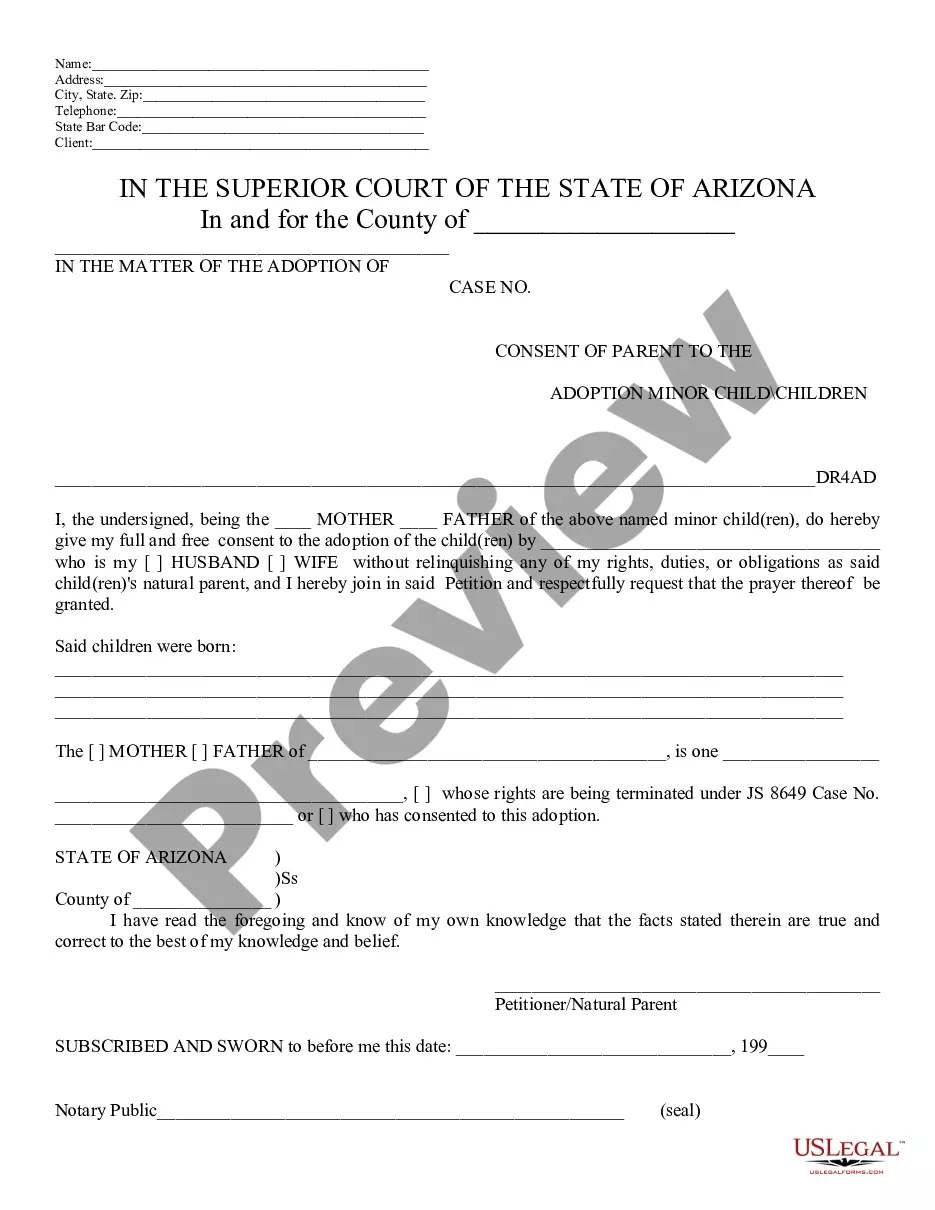
How to fill out Arizona Consent Of Parent To Adoption Of Minor Child - Nonrelinquishing Parental Rights?
- Log in to your US Legal Forms account if you are an existing user. Ensure your subscription is active to proceed without issues.
- For new users, start by checking the Preview mode of the form. This will help you to confirm that the document aligns with your specific legal requirements.
- If the form does not meet your needs, utilize the Search tab to locate a more suitable template that fits your jurisdiction.
- Select the desired document and click on the 'Buy Now' button. Choose a subscription plan that works best for you; registration may be necessary to access the library.
- Complete your payment process using either a credit card or PayPal to gain access to your form.
- Download the completed document directly to your device. You can later access it anytime through the 'My Forms' section in your profile.
By following these steps, you can easily secure the necessary legal documents to safeguard your rights as a biological parent in adoption scenarios.
Start your journey with US Legal Forms today and ensure your legal needs are met with the support of our extensive resources!
Form popularity
FAQ
The timeframe for a biological mother to change her mind about adoption varies by state but usually exists before the adoption becomes final. Many states allow a short period during which a biological parent can withdraw consent, ensuring that the decision is fully informed. Remaining knowledgeable about your adoption rights for biological parents is crucial during this pivotal time.
A biological parent can revoke consent typically before the adoption is finalized, depending on state laws. Once the adoption is legally completed, the rights are fully transferred to the adoptive parents. It is advisable to be informed about local regulations governing adoption rights for biological parents, as they may vary.
Adoptive parents cannot reverse the adoption once it is finalized. The law protects the child’s best interests, promoting stability and continuity. However, if you experience difficulties with the adoption, it’s advisable to seek professional help. Understanding your adoption rights for biological parents may present alternative solutions.
Once an adoption is legally finalized, a biological parent cannot take back an adopted child. The adoption process creates a permanent change of custody, which is typically in the child's best interests. If you have questions about your situation, consulting legal assistance can clarify your adoption rights for biological parents and available support.
If you find yourself feeling like you no longer want your adopted child, it’s essential to reach out for help immediately. You can contact support groups or social services that specialize in adoption. While the emotional turmoil is real, understanding your adoption rights for biological parents will empower you by providing options and resources for your situation.
Adoption can provide biological mothers with significant emotional and financial benefits. It allows them to create a loving environment for their child while also maintaining their personal goals and aspirations. Moreover, the process can bring peace of mind, knowing their child will be cared for by a stable and loving family. Awareness of your adoption rights for biological parents can enhance this experience.
Once an adoption is finalized, it is typically not possible to give back an adopted child. Adoption creates a legal bond that transfers parental rights from the biological parents to the adoptive parents. If you are struggling with the decision, it’s crucial to seek assistance and explore your options. Understanding your adoption rights for biological parents will help guide you through this challenging situation.
In Louisiana, adoption requirements include being at least 18 years old, undergoing a home study, and obtaining consent from any biological parents with rights. Additionally, the process often includes background checks and financial assessments. Familiarizing yourself with adoption rights for biological parents in Louisiana is essential if you are considering adoption, either as a biological parent or an adoptive parent. Using platforms like US Legal Forms can simplify the legal paperwork involved.
Yes, a biological father can regain custody of a child in certain situations, especially if he can prove that adoption was not carried out legally or if his parental rights were not properly terminated. The process often requires showing a commitment to the child's well-being. Learning about adoption rights for biological parents can provide clarity in such circumstances, as legal frameworks can vary significantly by state. Always consult with a legal expert to assess your options.
Reversing an adoption is relatively rare, with research suggesting that only about 1 in 10 adoptions may be reversed. This can happen for multiple reasons, including changes in the birth parent’s circumstances or challenges with the adoptive family. Understanding adoption rights for biological parents is crucial, as it can help you navigate these sensitive situations. If you have concerns regarding your rights, consider seeking legal guidance.