Transfer On Death Deed Virginia With Mortgage
Description



Get your form ready online
Our built-in tools help you complete, sign, share, and store your documents in one place.
Make edits, fill in missing information, and update formatting in US Legal Forms—just like you would in MS Word.
Download a copy, print it, send it by email, or mail it via USPS—whatever works best for your next step.
Sign and collect signatures with our SignNow integration. Send to multiple recipients, set reminders, and more. Go Premium to unlock E-Sign.
If this form requires notarization, complete it online through a secure video call—no need to meet a notary in person or wait for an appointment.
We protect your documents and personal data by following strict security and privacy standards.

Make edits, fill in missing information, and update formatting in US Legal Forms—just like you would in MS Word.

Download a copy, print it, send it by email, or mail it via USPS—whatever works best for your next step.

Sign and collect signatures with our SignNow integration. Send to multiple recipients, set reminders, and more. Go Premium to unlock E-Sign.

If this form requires notarization, complete it online through a secure video call—no need to meet a notary in person or wait for an appointment.

We protect your documents and personal data by following strict security and privacy standards.
Looking for another form?
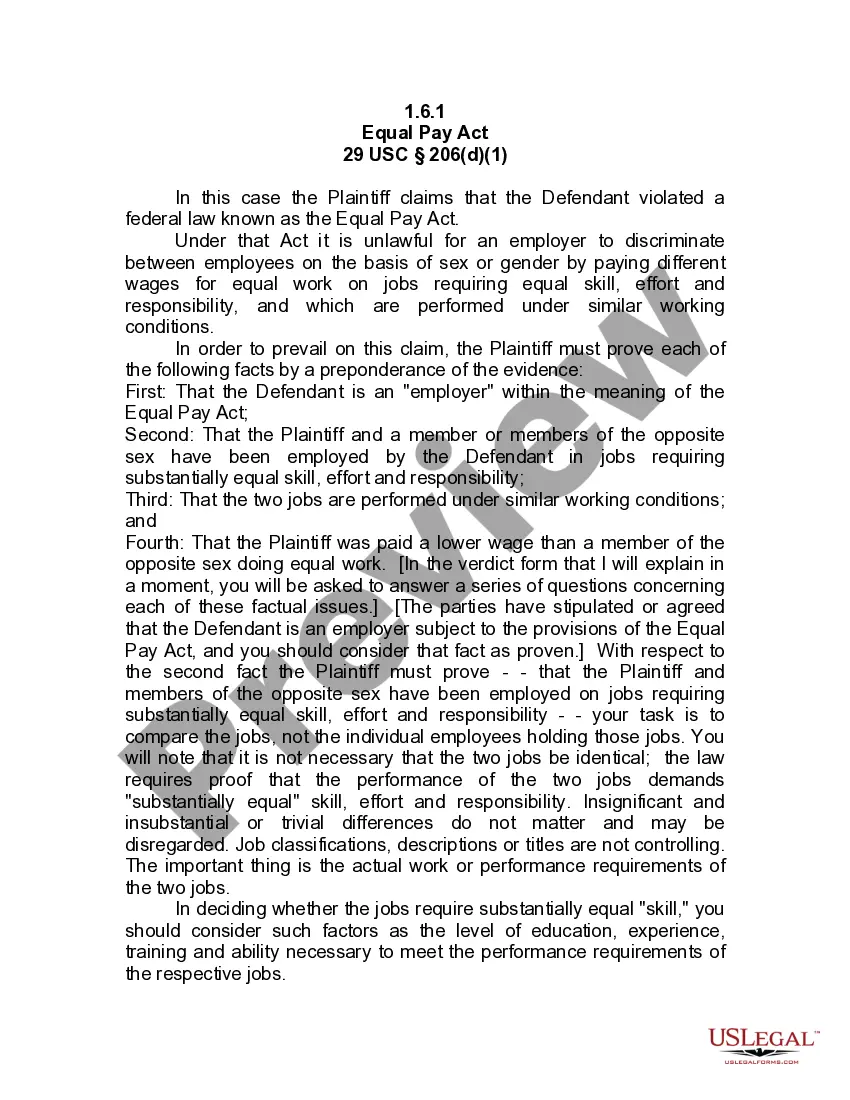
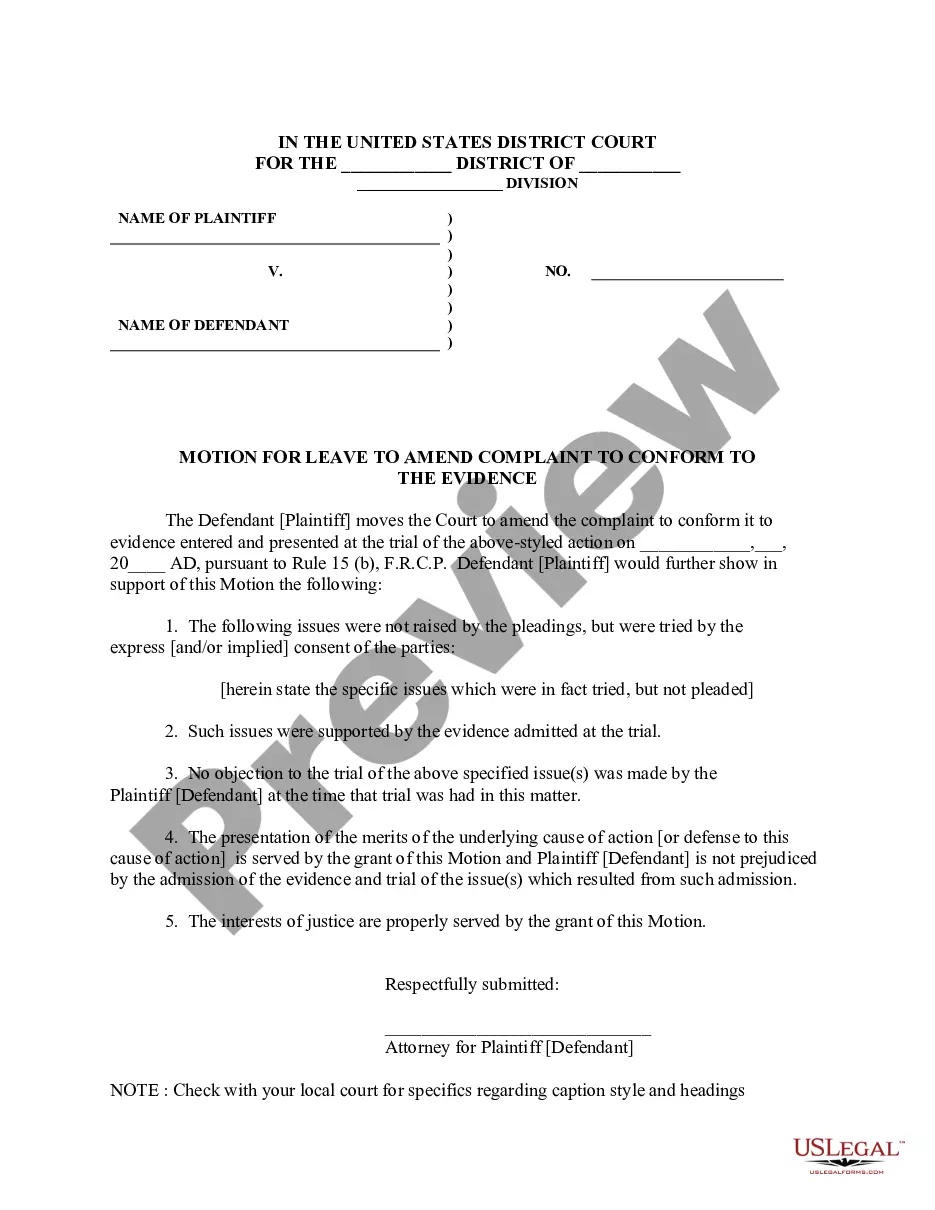
How to fill out Arizona Transfer On Death Or TOD - Beneficiary Deed - Individual Grantor To Three Individuals?
- Log in to your US Legal Forms account if you are a returning user. Verify your subscription is active and click the Download button for the needed form template.
- If you are a new user, start by browsing the Preview mode and detailed form descriptions. Ensure the selected template complies with Virginia's requirements.
- If you encounter discrepancies or need a different template, use the Search tab to find a suitable form.
- Once you've identified the correct document, click the 'Buy Now' button and select a subscription plan that fits your needs. You'll need to create an account for full access.
- Proceed to finalize your purchase by entering your payment details, either through credit card or PayPal.
- After payment, download your completed form and save it to your device. You can access it anytime through the 'My Forms' section of your account.
In conclusion, using US Legal Forms allows individuals and attorneys to efficiently create legal documents, ensuring that all necessary forms are easily accessible and properly completed. With an extensive library of over 85,000 forms, here you have all you need for your legal documentation, including a Transfer on Death Deed.
Get started today and secure your property’s future effortlessly!
Form popularity
FAQ
Changing the deed of a house after death involves filing a new deed that reflects the transfer of ownership to the beneficiaries. If a Transfer on Death Deed was utilized, the transition is more straightforward, as it pre-designates the beneficiaries. Ensure that you comply with state regulations, especially if there is an existing mortgage. You can find helpful resources and templates at US Legal Forms to facilitate this process.
In Virginia, the statute governing the Transfer on Death Deed can be found in the Virginia Code § 64.2-621. This law allows for the transfer of real property outside of probate and offers a straightforward process for property owners. Utilizing this deed can benefit those with mortgages, ensuring that beneficiaries can take ownership smoothly. For complete legal assistance, consider using US Legal Forms to navigate this statute effectively.
Removing a deceased person from a deed in Virginia requires proper documentation to update ownership records. You will need to file an affidavit or a deed reflecting the change in ownership, especially if a Transfer on Death Deed was used. If the deceased had a mortgage, addressing the mortgage lender may also be necessary for compliance. US Legal Forms can provide templates and guidance to streamline this process.
To transfer a deed after death in Virginia, you typically need to use the Transfer on Death Deed. This deed allows property owners to designate beneficiaries who will receive the property upon their death. It simplifies the process and often avoids probate. Using US Legal Forms can help ensure that you complete the deed correctly, especially when there is a mortgage involved.
A transfer on death deed in Virginia with mortgage may not address certain challenges regarding property management, especially if multiple beneficiaries are involved. Additionally, while this deed allows for a smooth transition of property, it does not eliminate the debt associated with the mortgage. Beneficiaries must still manage any existing loans and obligations, which could lead to financial strain. It's important to consult with a legal expert or use platforms like US Legal Forms to understand all implications before proceeding.
When one person dies, the mortgage does not automatically disappear; instead, the responsibility typically falls to the surviving borrower or the estate. If the mortgage was jointly held, the surviving party continues making payments. However, with a transfer on death deed Virginia with mortgage, ownership may change while keeping the mortgage intact, which can simplify the process for heirs navigating the responsibilities of property management.
To create a valid transfer on death deed in Virginia, you must be the owner of the property and legally capable of signing the deed. The deed must clearly state your intention to transfer the property upon your death, and you must record it with the local land records office. It's essential to ensure that the deed is properly executed to avoid issues later, especially when considering the implications of a transfer on death deed Virginia with mortgage.
To initiate a transfer on death deed in Virginia, you must complete the appropriate forms and clearly identify the property and beneficiaries. Submit the signed deed to your local land records office before your death to ensure the transfer is valid. This process allows your heirs to inherit the property without going through probate, providing a clear path forward, especially if there's a mortgage involved.
While a transfer on death deed provides a simple way to pass property, it also has some disadvantages. It does not protect the property from creditors, and if the beneficiary is unable to accept the transfer, complications can arise. Moreover, if the property is sold before the owner's death, the transfer on death deed in Virginia with mortgage becomes irrelevant, so careful planning is essential.
To change the deed on a house after someone dies in Virginia, you typically need to establish the deceased's ownership. Begin by locating the will, if one exists, to verify the intended heir. If the property was held as joint tenants with rights of survivorship, it may automatically pass to the surviving owner. Consider using a transfer on death deed in Virginia with mortgage to streamline this process and avoid probate.