Juvenile Court For Child Support
Description
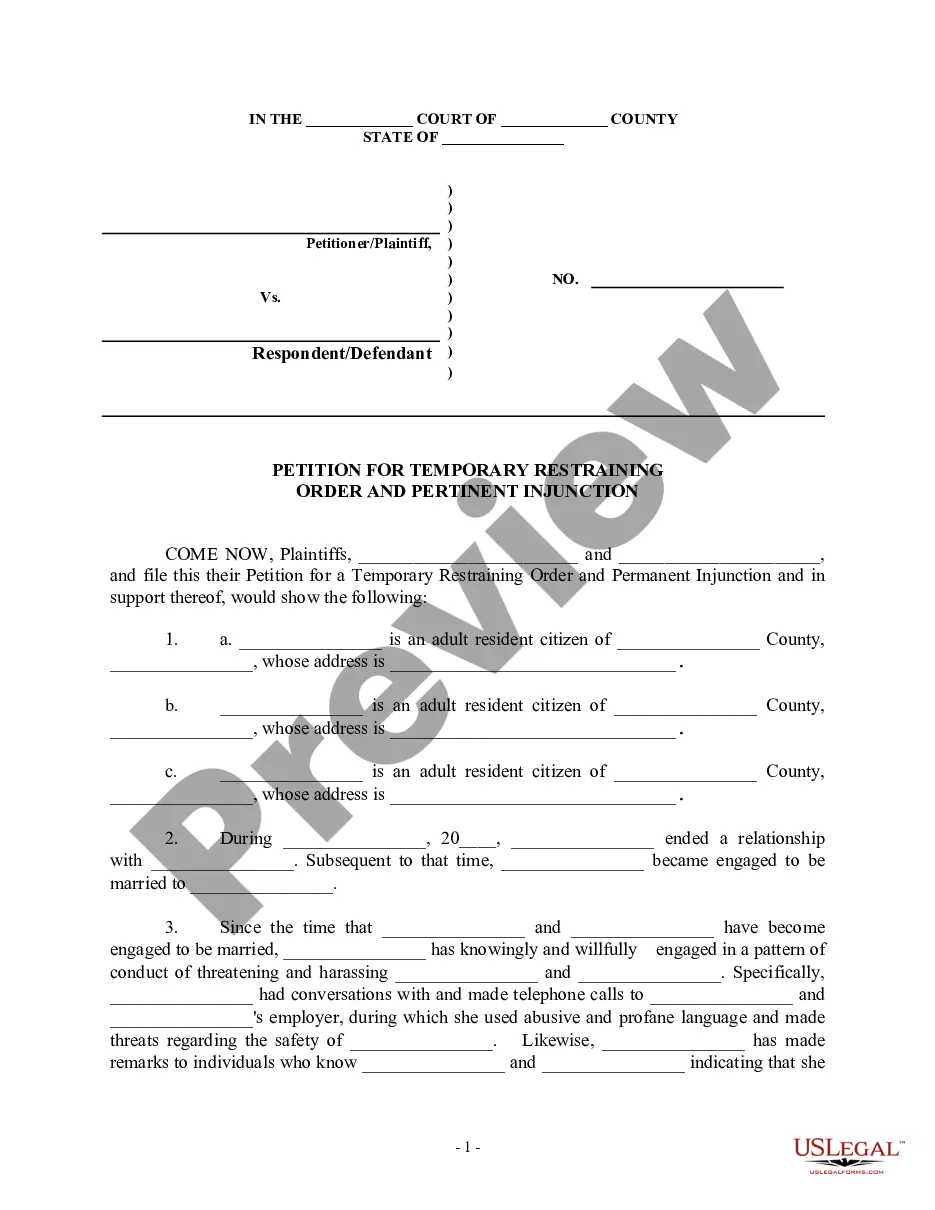
Get your form ready online
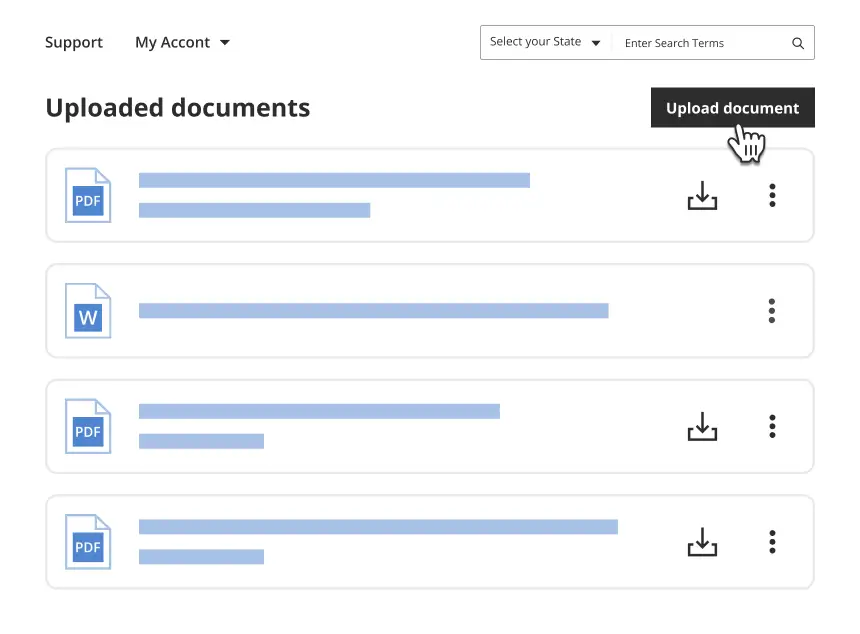
Our built-in tools help you complete, sign, share, and store your documents in one place.
Make edits, fill in missing information, and update formatting in US Legal Forms—just like you would in MS Word.
Download a copy, print it, send it by email, or mail it via USPS—whatever works best for your next step.
Sign and collect signatures with our SignNow integration. Send to multiple recipients, set reminders, and more. Go Premium to unlock E-Sign.
If this form requires notarization, complete it online through a secure video call—no need to meet a notary in person or wait for an appointment.
We protect your documents and personal data by following strict security and privacy standards.
Make edits, fill in missing information, and update formatting in US Legal Forms—just like you would in MS Word.
Download a copy, print it, send it by email, or mail it via USPS—whatever works best for your next step.
Sign and collect signatures with our SignNow integration. Send to multiple recipients, set reminders, and more. Go Premium to unlock E-Sign.

If this form requires notarization, complete it online through a secure video call—no need to meet a notary in person or wait for an appointment.
We protect your documents and personal data by following strict security and privacy standards.
Looking for another form?
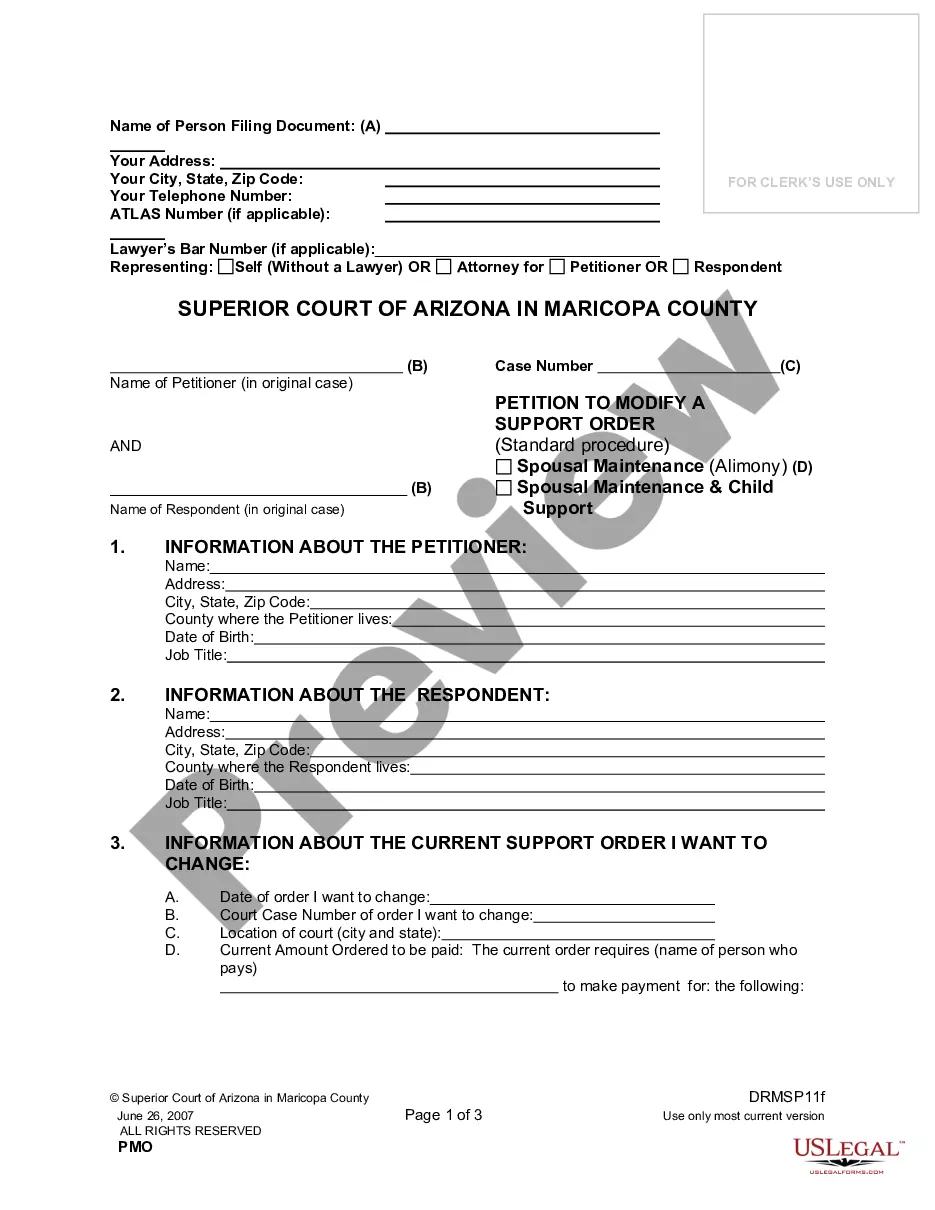
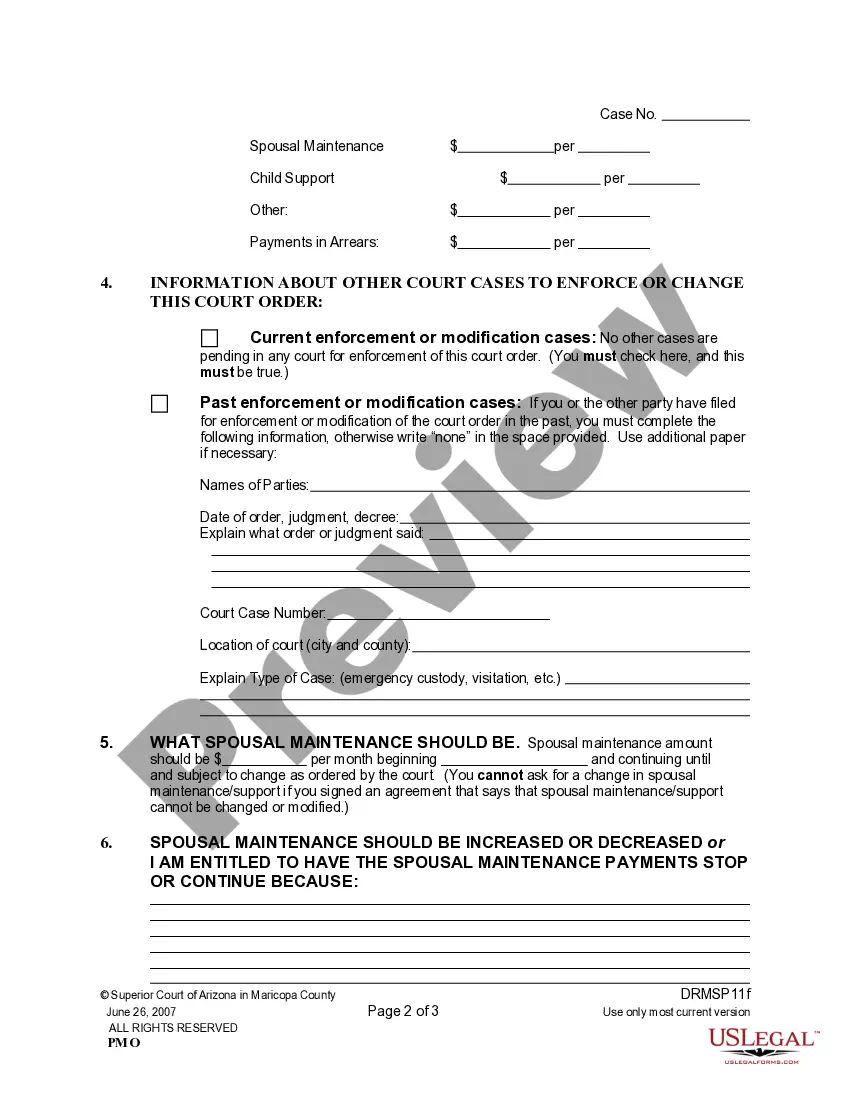
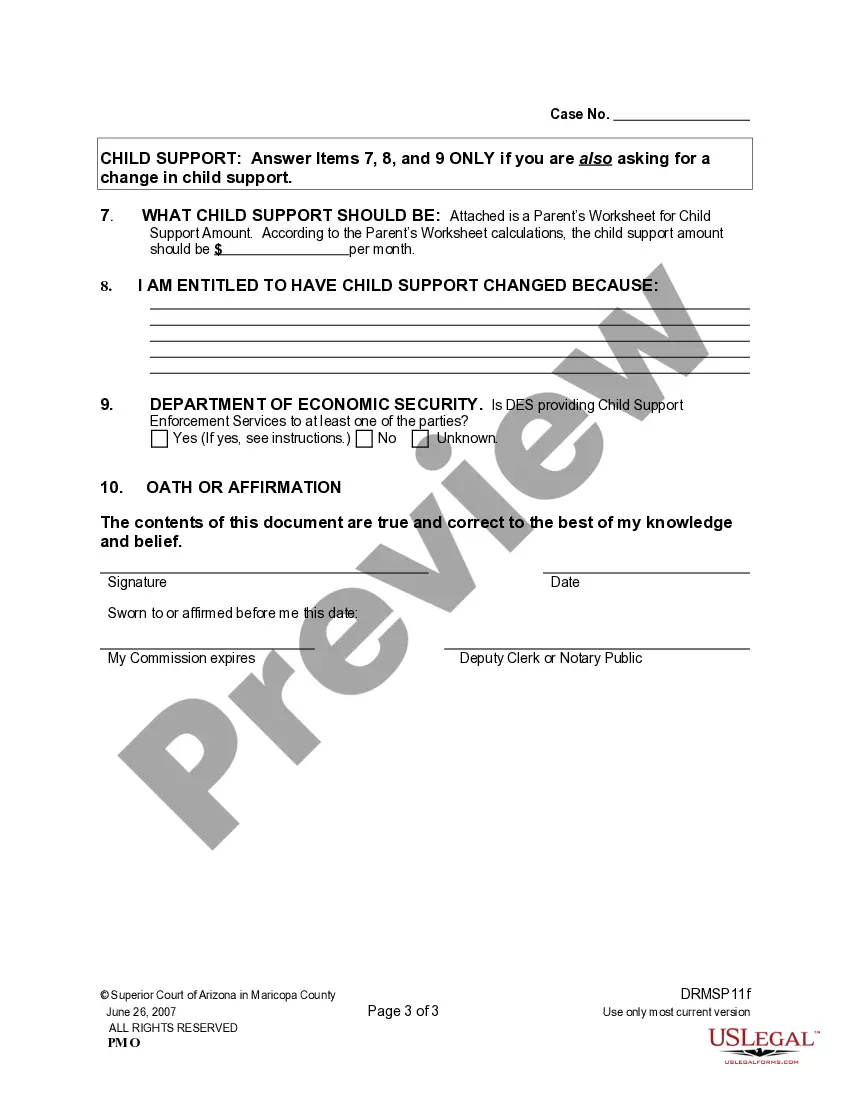
How to fill out Arizona Petition To Modify A Support Order?
- Log in to your US Legal Forms account. If you're a returning user, ensure your subscription is valid to download the templates.
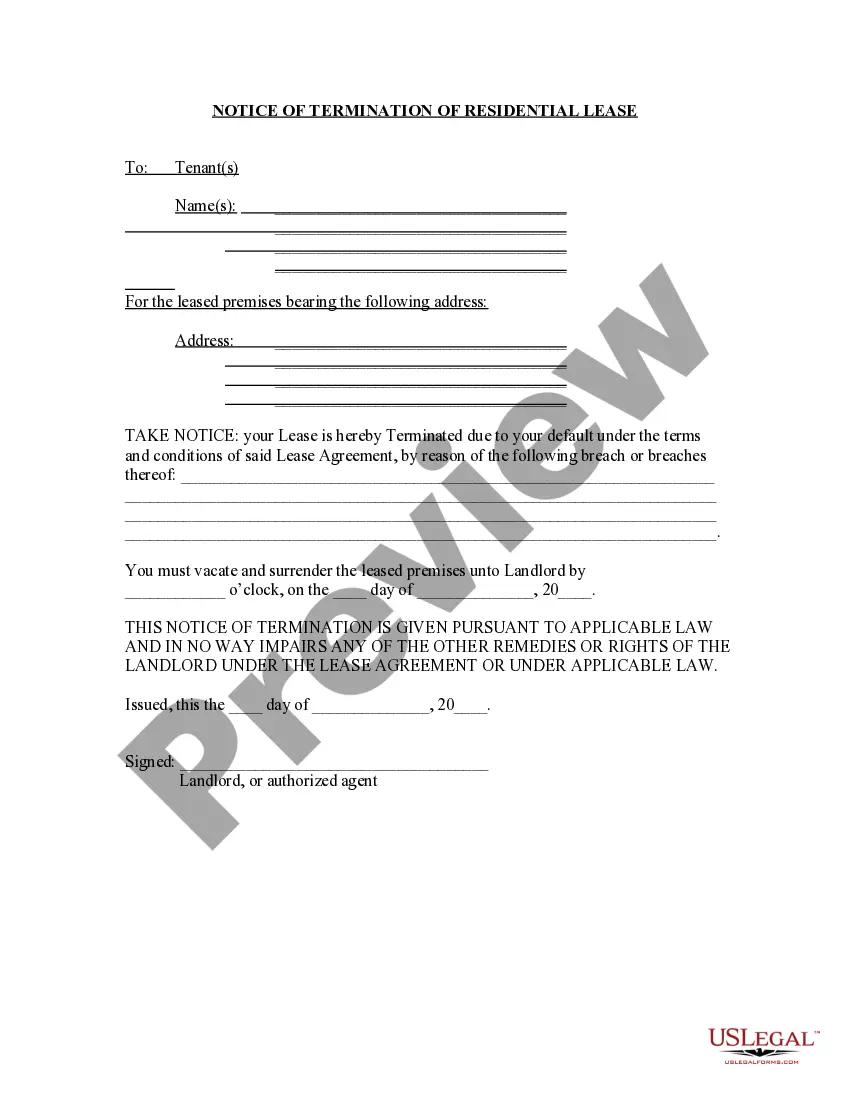
- Review the available forms in preview mode. Make sure you've selected the correct form that aligns with your local jurisdiction's requirements.
- If needed, use the search feature to find additional templates that suit your specific needs.
- Select your desired document by clicking 'Buy Now' and choose a subscription plan tailored to your needs. An account registration is required for access.
- Complete the payment process by entering your credit card details or opting for PayPal to secure your subscription.
- Download the form to your device. You can access it anytime in the 'My Forms' section of your profile.
With US Legal Forms, you gain access to over 85,000 fillable and editable legal forms, more than any competitor at a similar cost. Furthermore, premium support from legal experts ensures your documents are meticulously completed to uphold legal standards.
By following these steps, you can easily obtain the documents you need for juvenile court for child support. Start today to take control of your legal requirements!
Form popularity
FAQ
During child support court proceedings, expect questions regarding your income, job status, and any additional sources of income. The court may also inquire about your child's living arrangements, needs, and the other parent’s contribution. Clear and honest responses helps establish your case effectively. Utilizing resources like UsLegalForms can assist in preparing for these inquiries.
At a child support hearing, steer clear of emotional outbursts or inflammatory statements. It’s important to present your case calmly and logically to maintain the court's respect. Also, avoid personal attacks, as these can distract from the primary issues of financial responsibility and the child's welfare. Remember, juvenile court for child support requires a clear focus on practical matters.
In child support court, avoid making negative comments about the other parent. Such remarks could reflect poorly on you and might even affect the outcome of your case. Additionally, refrain from discussing irrelevant personal issues that don't concern child support. Staying focused on the facts and your child's needs demonstrates your commitment to responsible parenting.
The biggest mistake in a custody battle often involves not prioritizing the child's best interests. Parents who focus on winning rather than fostering a positive relationship with the other parent may jeopardize their chances in juvenile court for child support. It’s essential to remain cooperative and maintain open communication when possible. This approach tends to lead to better outcomes for everyone involved.
In child support court, expect questions about your income, living expenses, and financial responsibilities. The judge may also ask about the child's needs, including education, medical, and extracurricular activities. Each parent may be queried to ensure an equitable determination of support. Being prepared with accurate and relevant information is crucial when attending juvenile court for child support.
In Indiana, child support for a single child generally amounts to a percentage of the non-custodial parent’s income. The juvenile court for child support uses a formula based on various factors, such as income and the child's needs. Parents can expect a range from 17% to 25% of their income depending on specific circumstances. For detailed guidance, consider exploring USLegalForms for applicable information.
Yes, child support cases are often handled in juvenile court. This court specializes in issues concerning minors, including their financial support. By utilizing the juvenile court for child support, parents ensure that their child’s best interests are prioritized. If you're unsure about the process, USLegalForms offers resources to help guide you.
The amount of child support for one child in Indiana typically varies based on the parents' combined income. Generally, the guideline suggests around 20% of the parents' adjusted gross income. Understanding these calculations is crucial, and the juvenile court for child support can provide clarity. USLegalForms can offer tools to calculate estimated support amounts accurately.
In Indiana, the court uses a specific formula to determine child support obligations. This formula considers both parents' incomes, the needs of the child, and any existing expenses. By focusing on fairness, the juvenile court for child support aims to ensure that children receive necessary financial support. If you need assistance navigating this process, consider using USLegalForms for helpful resources.
In New York, the minimum child support amount is determined by the state’s established guidelines. The juvenile court for child support will base the calculation on the non-custodial parent's income, taking into account the number of children they support. Generally, the court uses a percentage of the parent's income, can increase with additional factors, and ensures that the child's needs are met. It's essential for parents to stay informed about their obligations, and using resources like US Legal Forms can help streamline the child support process.