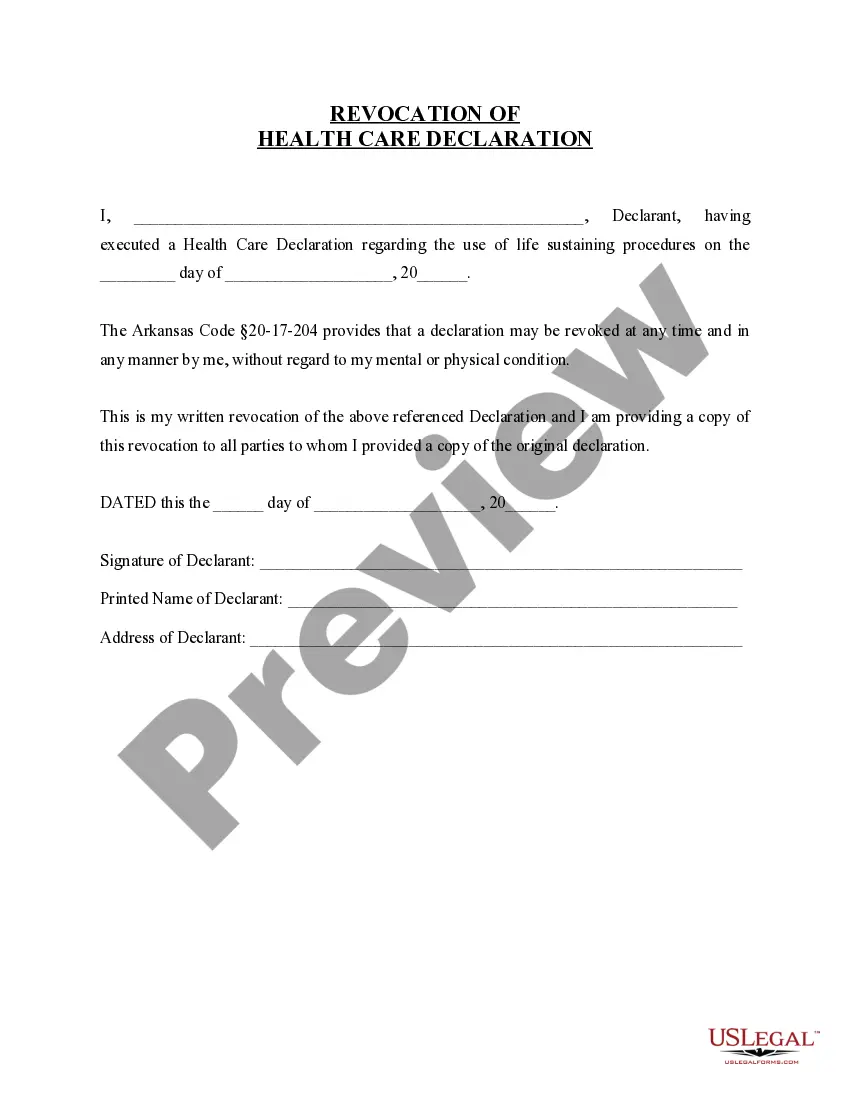
Attorney Health Care With Spouse
Description
Get your form ready online
Our built-in tools help you complete, sign, share, and store your documents in one place.
Make edits, fill in missing information, and update formatting in US Legal Forms—just like you would in MS Word.
Download a copy, print it, send it by email, or mail it via USPS—whatever works best for your next step.
Sign and collect signatures with our SignNow integration. Send to multiple recipients, set reminders, and more. Go Premium to unlock E-Sign.
If this form requires notarization, complete it online through a secure video call—no need to meet a notary in person or wait for an appointment.
We protect your documents and personal data by following strict security and privacy standards.

Make edits, fill in missing information, and update formatting in US Legal Forms—just like you would in MS Word.

Download a copy, print it, send it by email, or mail it via USPS—whatever works best for your next step.

Sign and collect signatures with our SignNow integration. Send to multiple recipients, set reminders, and more. Go Premium to unlock E-Sign.

If this form requires notarization, complete it online through a secure video call—no need to meet a notary in person or wait for an appointment.

We protect your documents and personal data by following strict security and privacy standards.
Looking for another form?
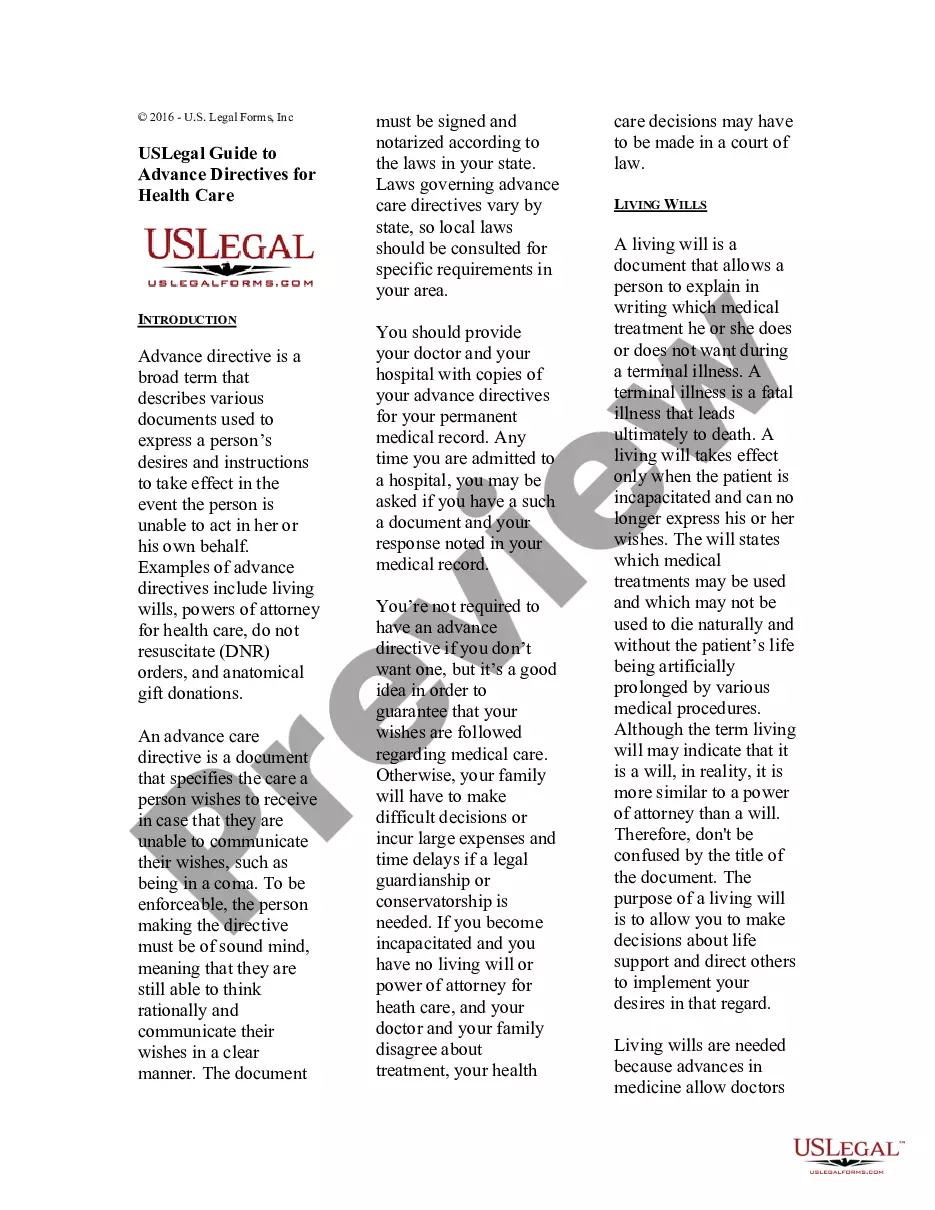
How to fill out Arkansas Power Of Attorney And Health Care Revocation?
- Log in to your existing US Legal Forms account. Ensure your subscription remains active; if it has expired, renew it per your chosen payment plan.
- Review the Preview mode and description of the desired form to verify it meets your specific needs and complies with local jurisdiction requirements.
- If necessary, search for additional templates to find an exact match. Utilize the Search tab to locate the right document efficiently.
- Purchase the required document by clicking on the Buy Now button and selecting your preferred subscription plan. Register for an account if you haven’t done so.
- Complete your transaction by entering your credit card details or opting for PayPal to process your subscription.
- Download your selected form and save it on your device. You can access it later through the My Forms section of your profile.
With over 85,000 customizable legal forms, US Legal Forms stands out with a robust collection at competitive prices, ensuring users have access to a variety of essential documents.
For efficient legal document preparation, leverage US Legal Forms today. Get started now to empower your legal journey!
Form popularity
FAQ
You can choose anyone as your health care proxy, including a spouse, family member, or close friend, provided they are of sound mind and at least 18 years old. Selecting someone you trust to make decisions that align with your values is crucial. By taking the time to appoint a health care proxy, you reinforce your attorney health care with spouse, ensuring peace of mind in critical situations.
In New York, your spouse is not automatically your health care proxy. You must designate them specifically in a legal document for them to have that authority. To ensure your preferences are honored when it comes to attorney health care with spouse, it is wise to complete advance directives that make your wishes clear.
Typically, no one is automatically assigned as a medical power of attorney; it requires explicit appointment through a legal document. Your choice can include a spouse, family member, or trusted friend. Clearly stating your selection is crucial, as this ensures that your attorney health care with spouse is legally recognized and aligns with your wishes during a medical crisis.
Yes, your spouse can function as your healthcare proxy, though you must designate them in legal documentation. It is essential to express your wishes clearly through a living will or a similar instrument. By doing this, you secure a beneficial arrangement that reinforces your attorney health care with spouse, ensuring they have the authority to make medical decisions on your behalf when needed.
Your spouse can be your health care proxy, but they are not automatically designated as one. To officially appoint your spouse as your health care proxy, you must complete the appropriate legal documents that express your intent. This proactive step can help ensure that your attorney health care with spouse aligns with your preferences and eliminates any uncertainties in critical situations.
A medical power of attorney does not necessarily override your spouse in healthcare decisions. However, it can specify who has the authority to act on your behalf if you become unable to make those decisions yourself. In many cases, your spouse can still serve as your agent, but the document itself holds priority in defining your wishes. This ensures clarity in how you want your attorney health care with spouse to be handled.
If you are not married, the medical power of attorney falls to someone you designate, such as a close friend or family member. In the absence of a designated person, state law typically identifies a hierarchy of relatives who can make health care decisions on your behalf. It's important to consider your personal wishes and preferences when selecting someone to manage your health care. By understanding the role of an attorney health care with spouse, you can also discern the benefits of having a clear plan in place, ensuring that your health care decisions reflect your needs.
In Texas, a spouse is not automatically designated as a medical power of attorney. This designation requires specific legal documents to be in place. Thus, it is essential to create a medical power of attorney that explicitly appoints your spouse to ensure they can make critical healthcare decisions for you.
Spouses do not automatically gain access to each other’s health information without appropriate consent. Healthcare providers prioritize patient privacy, requiring written permission. Therefore, reviewing your rights and preparing necessary documents can greatly enhance transparency in your attorney health care with spouse.
Under HIPAA regulations, a spouse typically requires explicit authorization to access the other's health information. While spouses may assume they have this right, medical providers often seek written consent. To streamline access, it's wise to complete HIPAA authorizations for your spouse, ensuring open communication during health decisions.