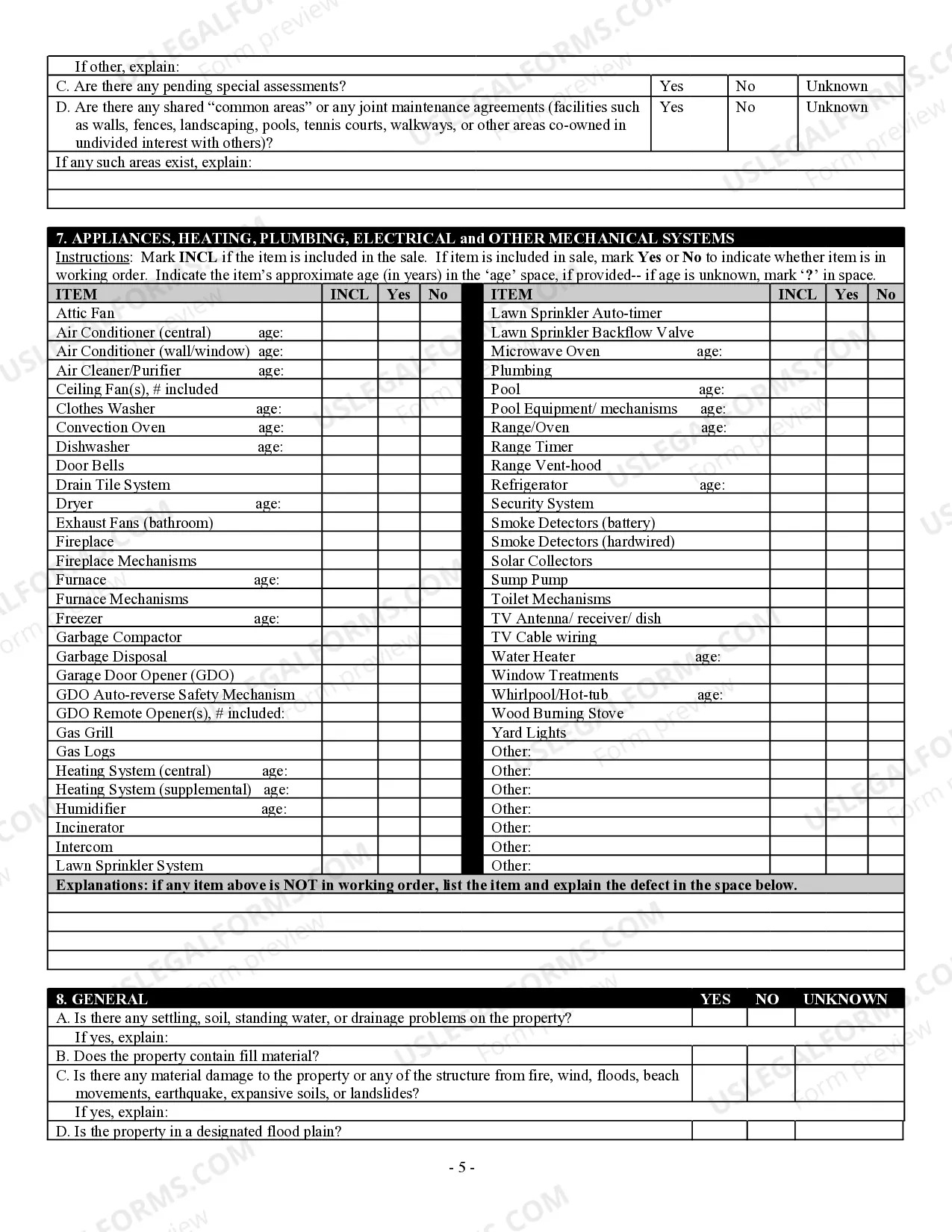
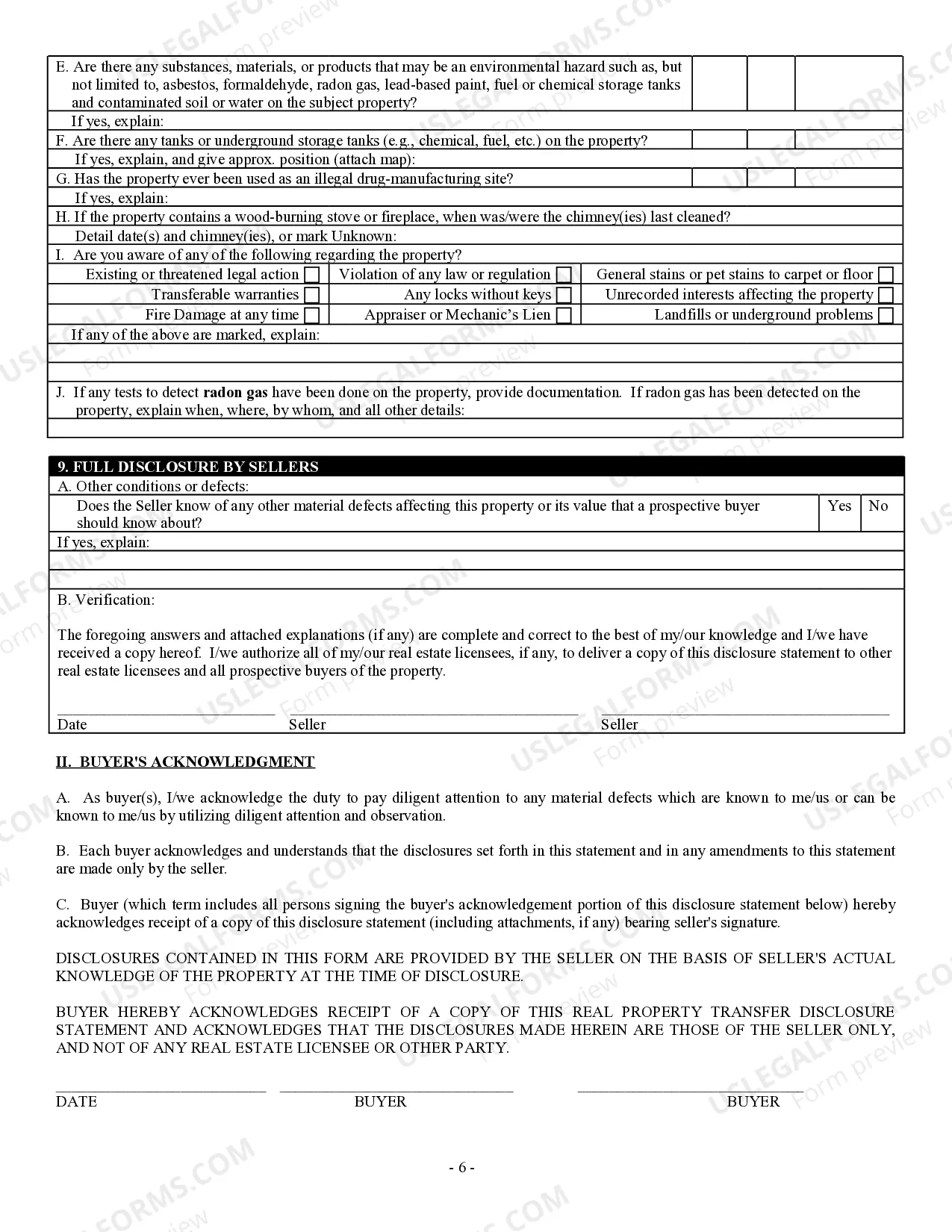
Arkansas Real Estate Disclosure Laws Form
Description
Get your form ready online
Our built-in tools help you complete, sign, share, and store your documents in one place.
Make edits, fill in missing information, and update formatting in US Legal Forms—just like you would in MS Word.
Download a copy, print it, send it by email, or mail it via USPS—whatever works best for your next step.
Sign and collect signatures with our SignNow integration. Send to multiple recipients, set reminders, and more. Go Premium to unlock E-Sign.
If this form requires notarization, complete it online through a secure video call—no need to meet a notary in person or wait for an appointment.
We protect your documents and personal data by following strict security and privacy standards.
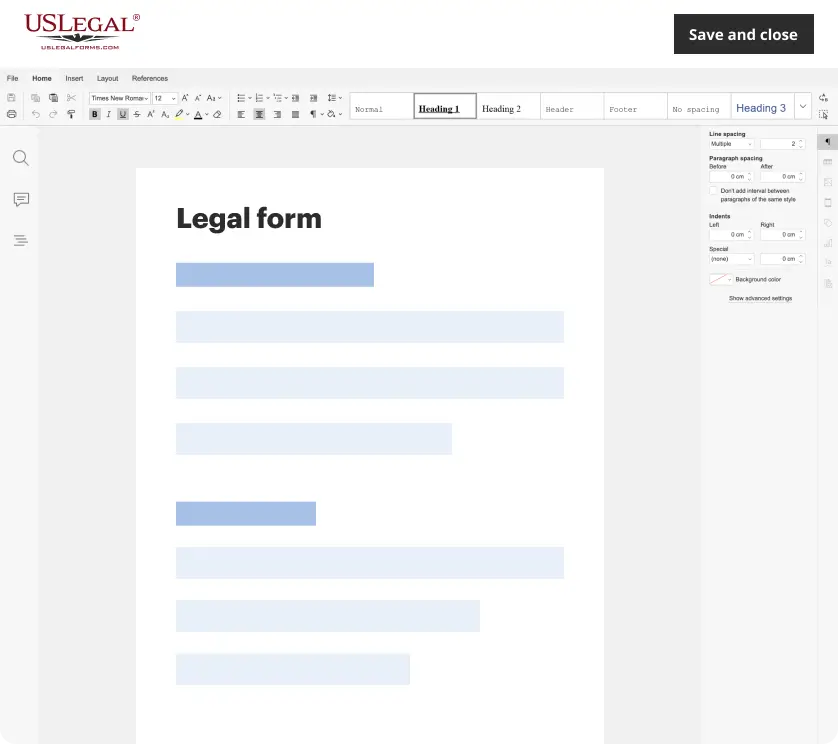
Make edits, fill in missing information, and update formatting in US Legal Forms—just like you would in MS Word.
Download a copy, print it, send it by email, or mail it via USPS—whatever works best for your next step.
Sign and collect signatures with our SignNow integration. Send to multiple recipients, set reminders, and more. Go Premium to unlock E-Sign.

If this form requires notarization, complete it online through a secure video call—no need to meet a notary in person or wait for an appointment.
We protect your documents and personal data by following strict security and privacy standards.
Looking for another form?
Form popularity
FAQ
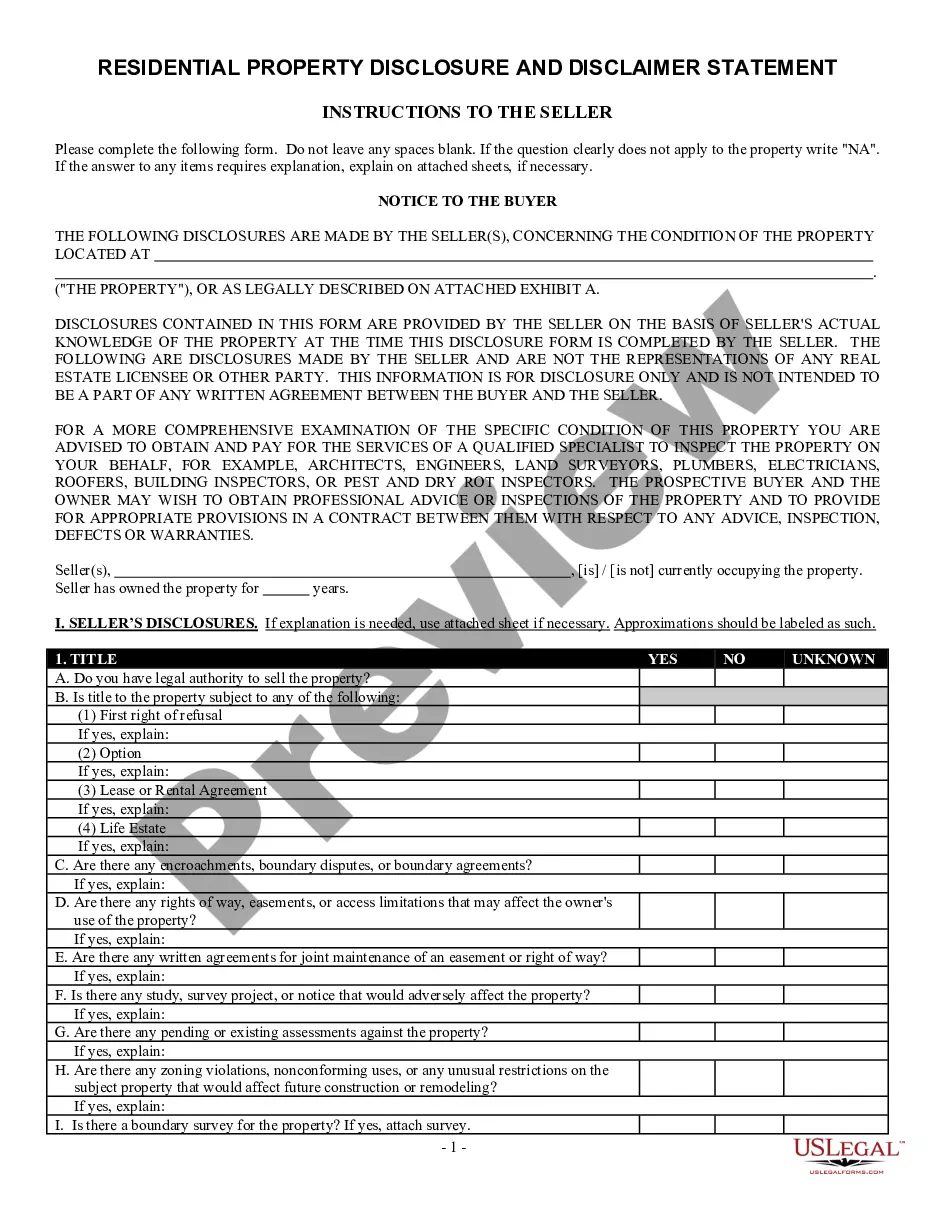
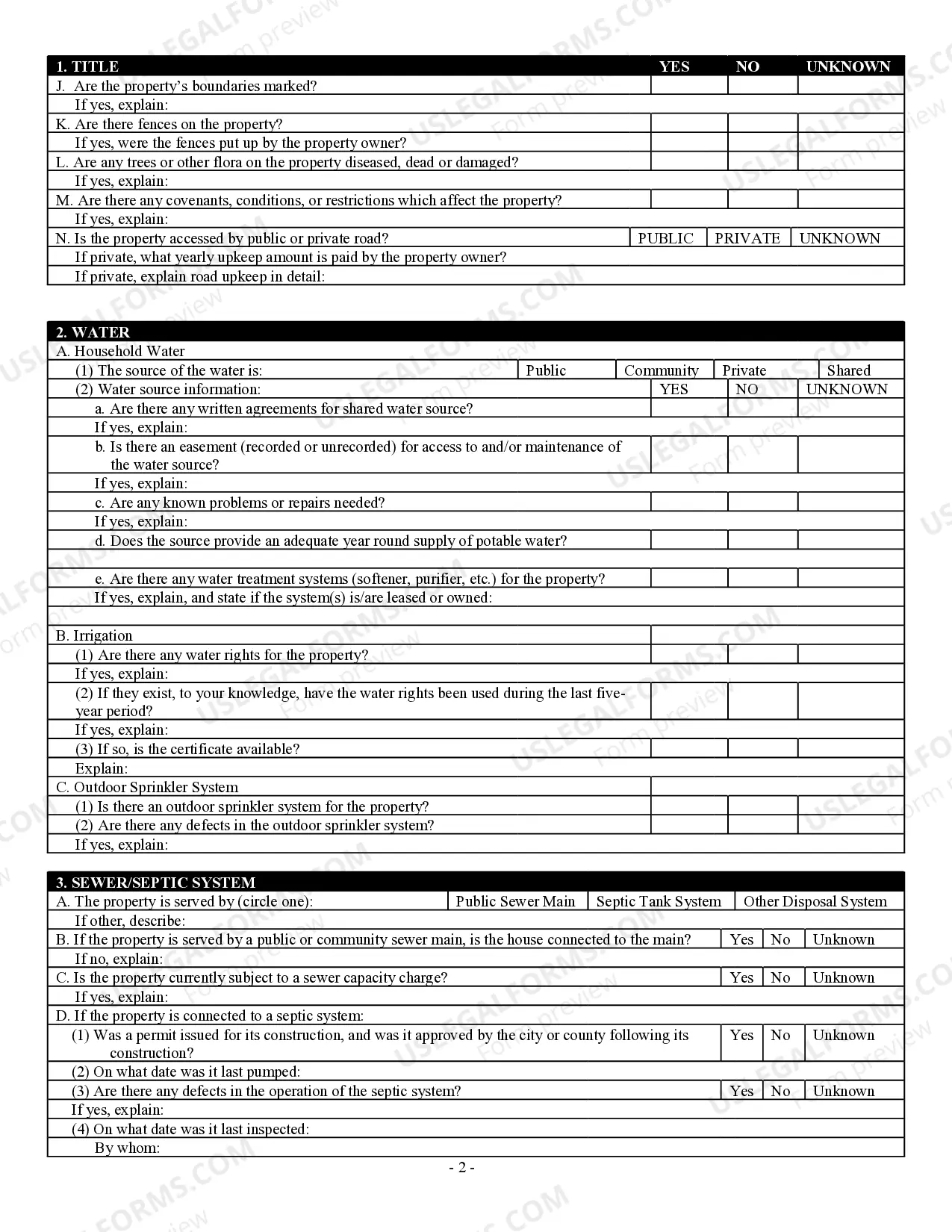
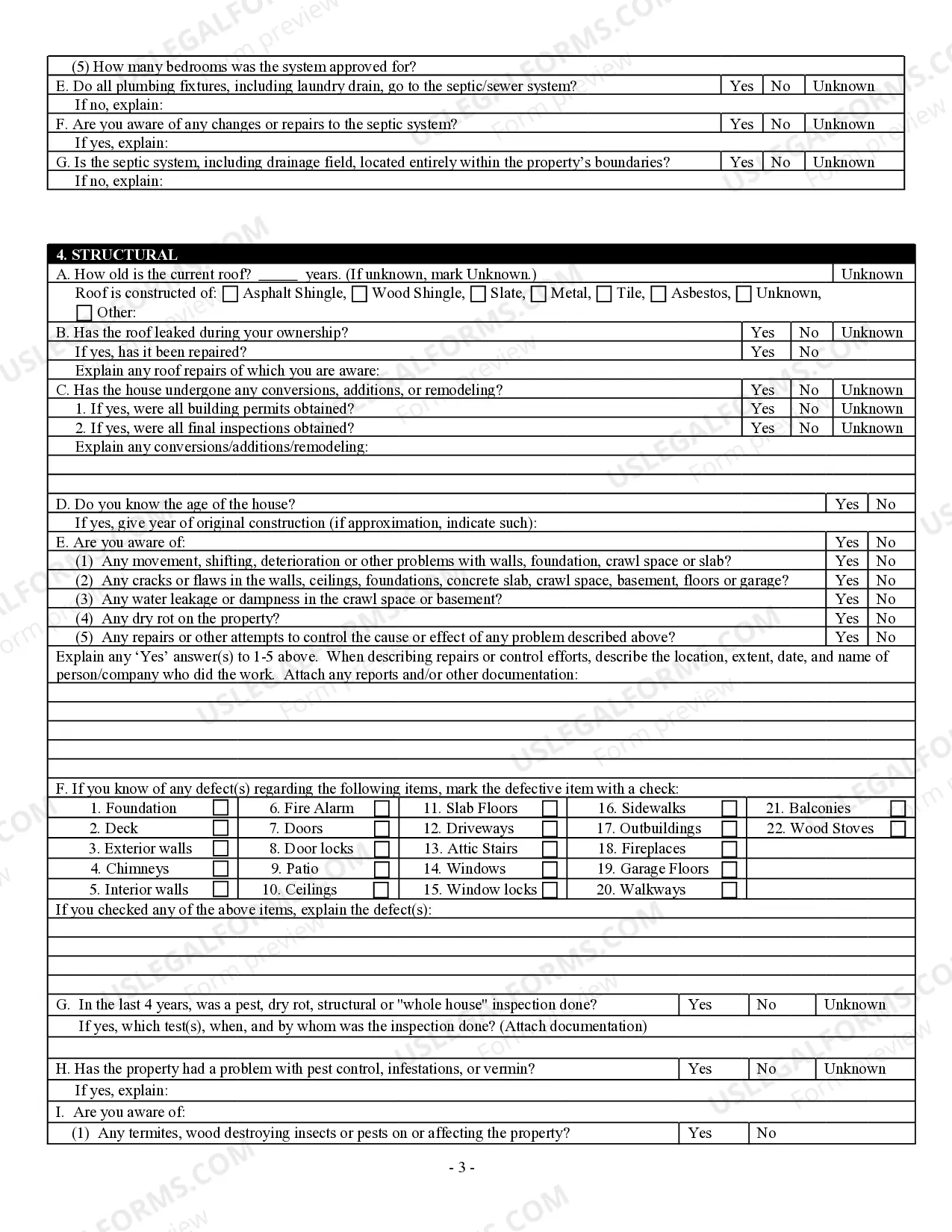
When selling a house in Arkansas, sellers must disclose known material defects and other significant issues that may affect the property's value. This includes past flooding, structural problems, and any alterations that have occurred. This obligation is part of the Arkansas real estate disclosure laws form aimed at ensuring buyers are fully informed. As you prepare to sell, consider using a platform like US Legal Forms to access the necessary disclosure templates tailored to Arkansas.
In Nebraska, any seller of residential real estate is required to complete the seller property condition disclosure statement as outlined in Section 76 2120 of the Nebraska Revised Statutes. This requirement helps protect both the seller and the buyer by providing transparent information about the property's condition. Similarly, knowing the details of the Arkansas real estate disclosure laws form can help address similar needs in Arkansas real estate transactions.
There are 13 non-disclosure states in the United States. These states do not require sellers to disclose sales prices or certain property information, which can affect market transparency. Knowing whether your state falls into this category is crucial, especially when navigating the Arkansas real estate disclosure laws form. This knowledge can assist you as a buyer or seller in making informed decisions.
A property disclosure is a document that provides detailed information about a property's condition and any known issues. It serves to protect both buyers and sellers by ensuring that all parties have the necessary knowledge to proceed with the transaction. Following the Arkansas real estate disclosure laws form not only fulfills legal obligations but also promotes honest communication, ultimately benefiting everyone involved in the sale.
In Arkansas, sellers are not legally required to disclose a death that occurred in the house unless it was due to an illness related to the property itself. However, transparency is encouraged, as it can impact a buyer's perception of the home. Utilizing the Arkansas real estate disclosure laws form can guide sellers on best practices for providing important information, ensuring a smoother transaction.
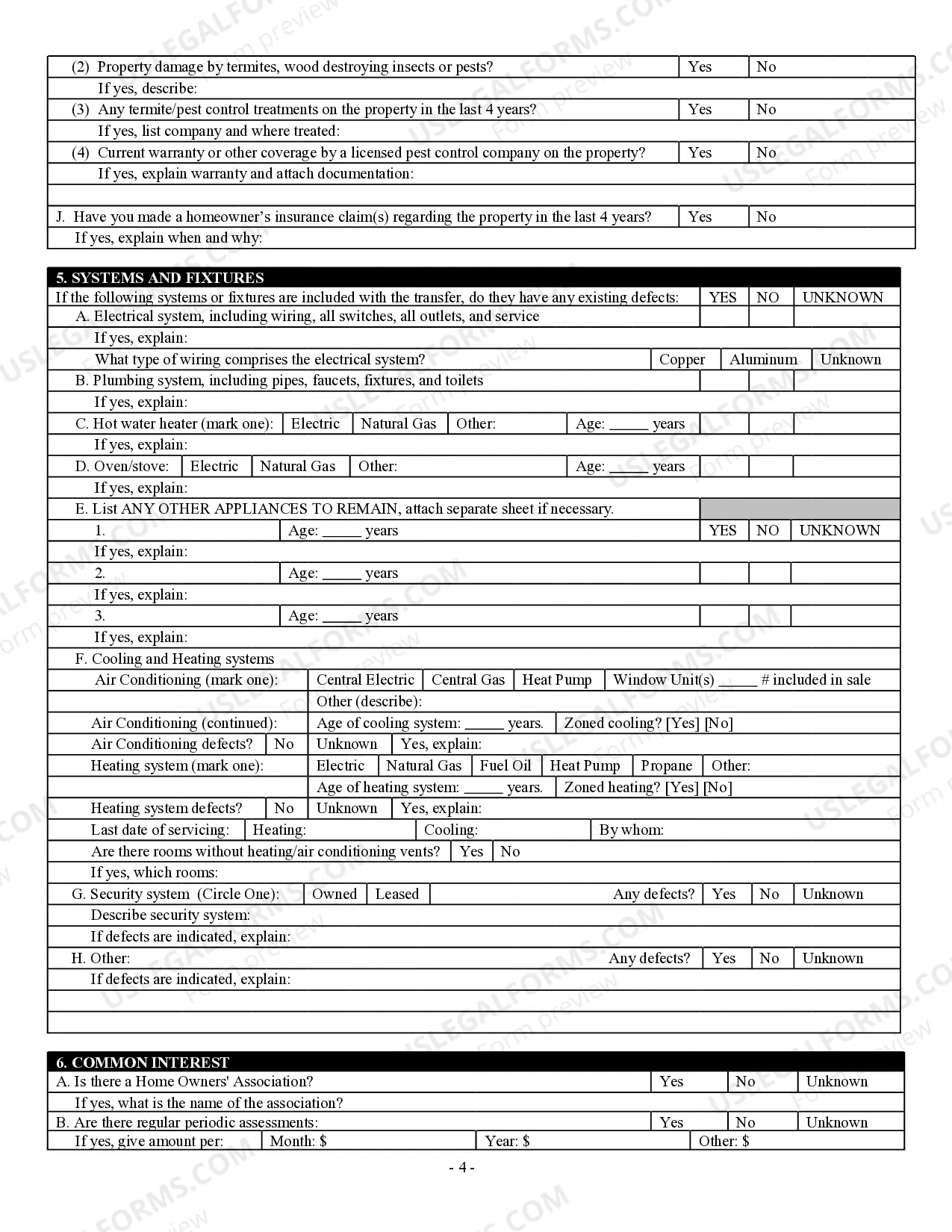
The most commonly required disclosure in residential real estate is often the general property condition disclosure. This document outlines any known issues or defects that could affect the property's value or safety. By adhering to the Arkansas real estate disclosure laws form, sellers provide crucial information that can influence buyers' decisions and foster trust in the sales process.
Most seller property disclosures are required to inform potential buyers about the condition of the property. These disclosures typically cover various aspects, such as structural issues, plumbing, and electrical systems. Understanding these factors is essential for buyers, as it helps them make informed decisions. In alignment with Arkansas real estate disclosure laws form, these requirements ensure transparency in the real estate transaction process.
To write a disclosure form in line with Arkansas real estate disclosure laws, start by gathering all necessary information about the property. Include details about the condition of the property, potential hazards, and any past repairs. Ensure you follow the legal guidelines set by Arkansas, as this will protect both you and the buyer. Using a platform like US Legal Forms can help simplify this process by providing templates that meet state requirements.
Yes, a property disclosure is required in Arkansas. Sellers must complete and provide an Arkansas real estate disclosure laws form, detailing the property's condition and any known defects. This requirement is vital for maintaining transparency in real estate transactions, protecting both buyers and sellers. Ensuring compliance with these laws can prevent misunderstandings and build trust during the sales process.
Writing a disclosure involves straightforward communication of all known property issues. Start with a clear introduction, then list defects, repairs, and other critical facts about the property. Ensure that your information is accurate, as Arkansas real estate disclosure laws mandate full transparency. Tools and templates from uslegalforms can help simplify this process.
