Leases
Description


Get your form ready online
Our built-in tools help you complete, sign, share, and store your documents in one place.
Make edits, fill in missing information, and update formatting in US Legal Forms—just like you would in MS Word.
Download a copy, print it, send it by email, or mail it via USPS—whatever works best for your next step.
Sign and collect signatures with our SignNow integration. Send to multiple recipients, set reminders, and more. Go Premium to unlock E-Sign.
If this form requires notarization, complete it online through a secure video call—no need to meet a notary in person or wait for an appointment.
We protect your documents and personal data by following strict security and privacy standards.

Make edits, fill in missing information, and update formatting in US Legal Forms—just like you would in MS Word.

Download a copy, print it, send it by email, or mail it via USPS—whatever works best for your next step.

Sign and collect signatures with our SignNow integration. Send to multiple recipients, set reminders, and more. Go Premium to unlock E-Sign.

If this form requires notarization, complete it online through a secure video call—no need to meet a notary in person or wait for an appointment.

We protect your documents and personal data by following strict security and privacy standards.
Looking for another form?


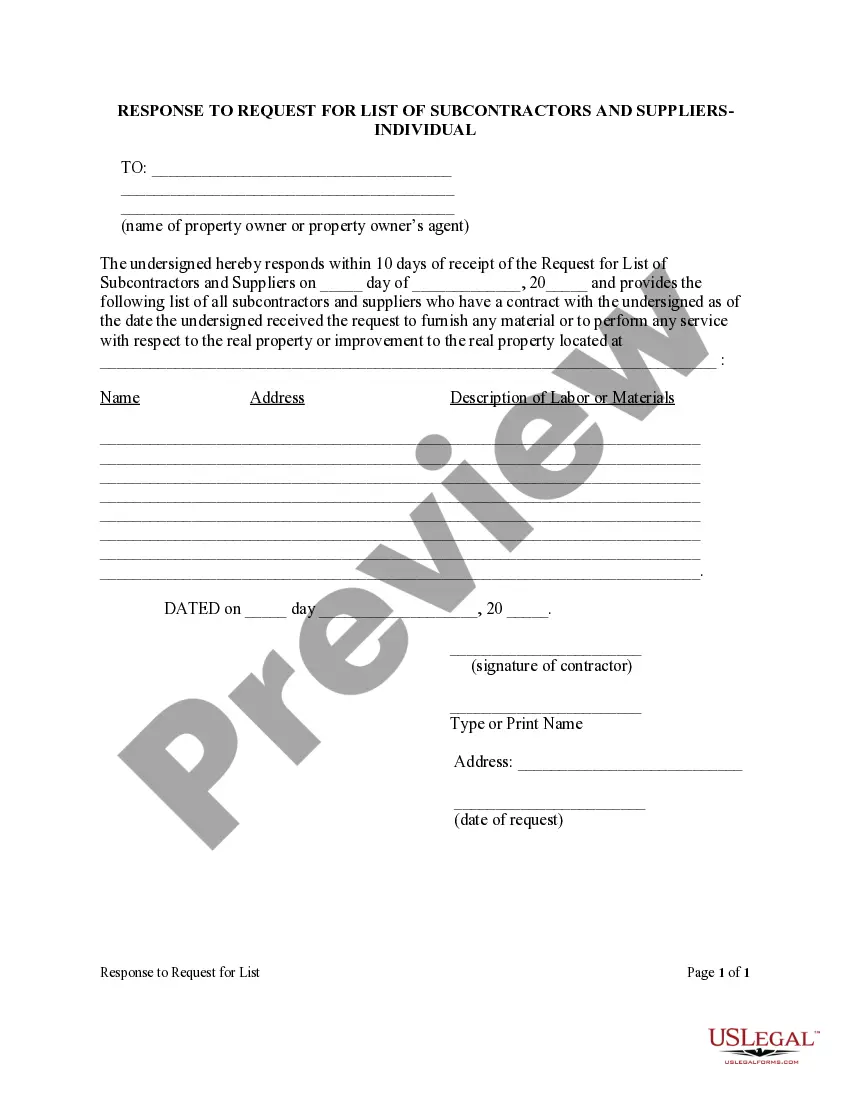
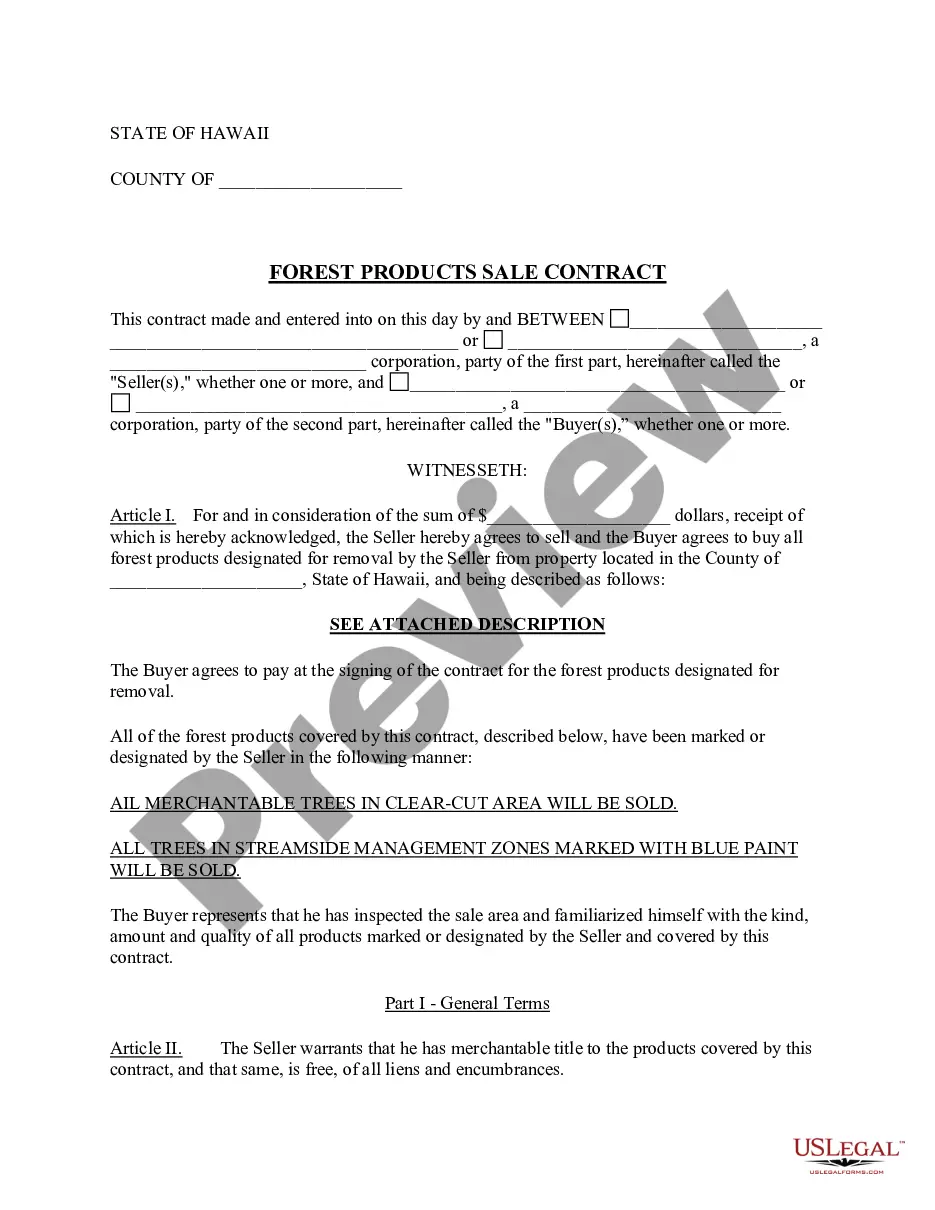
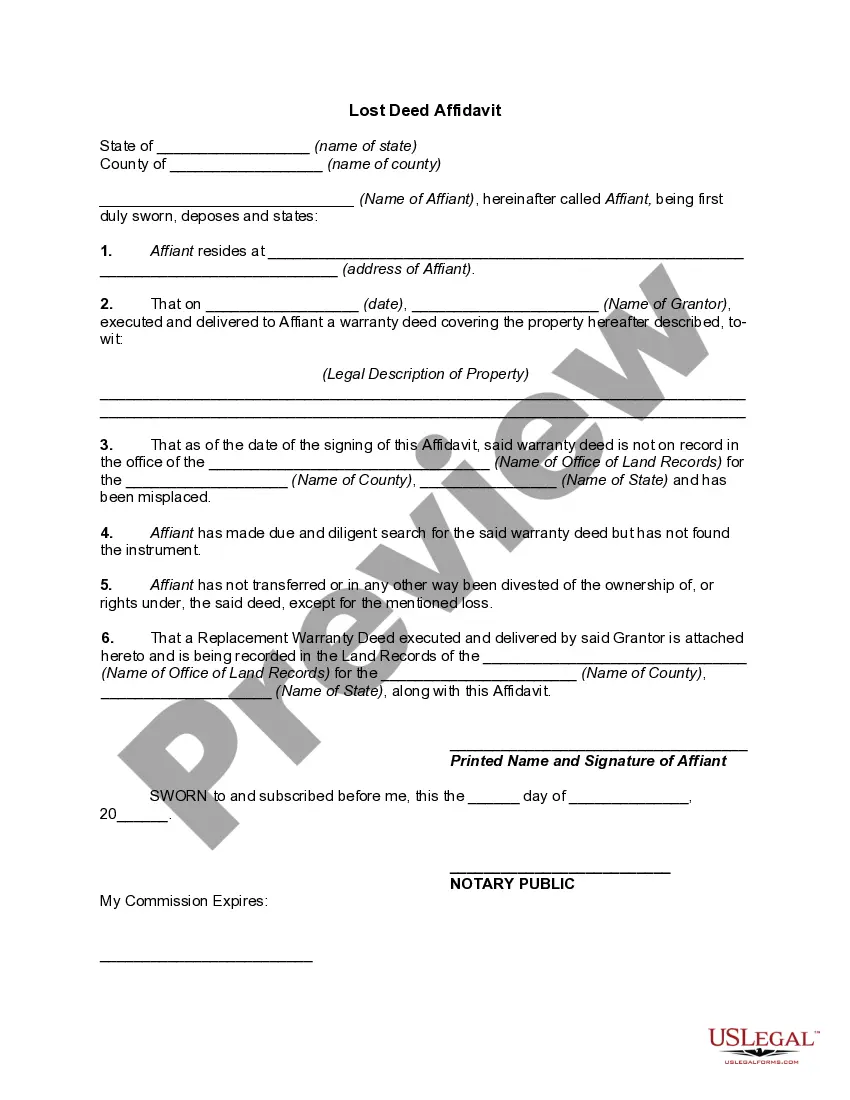
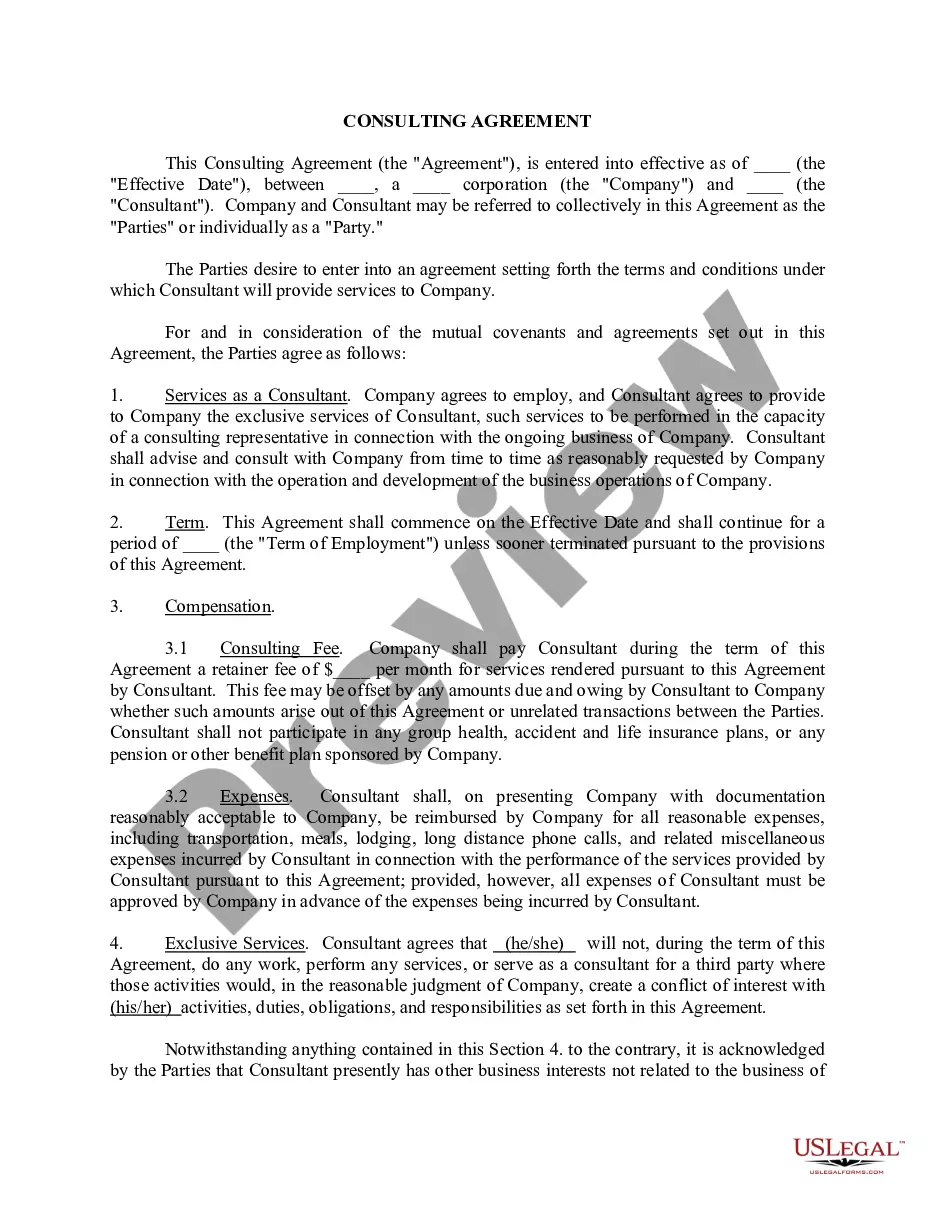
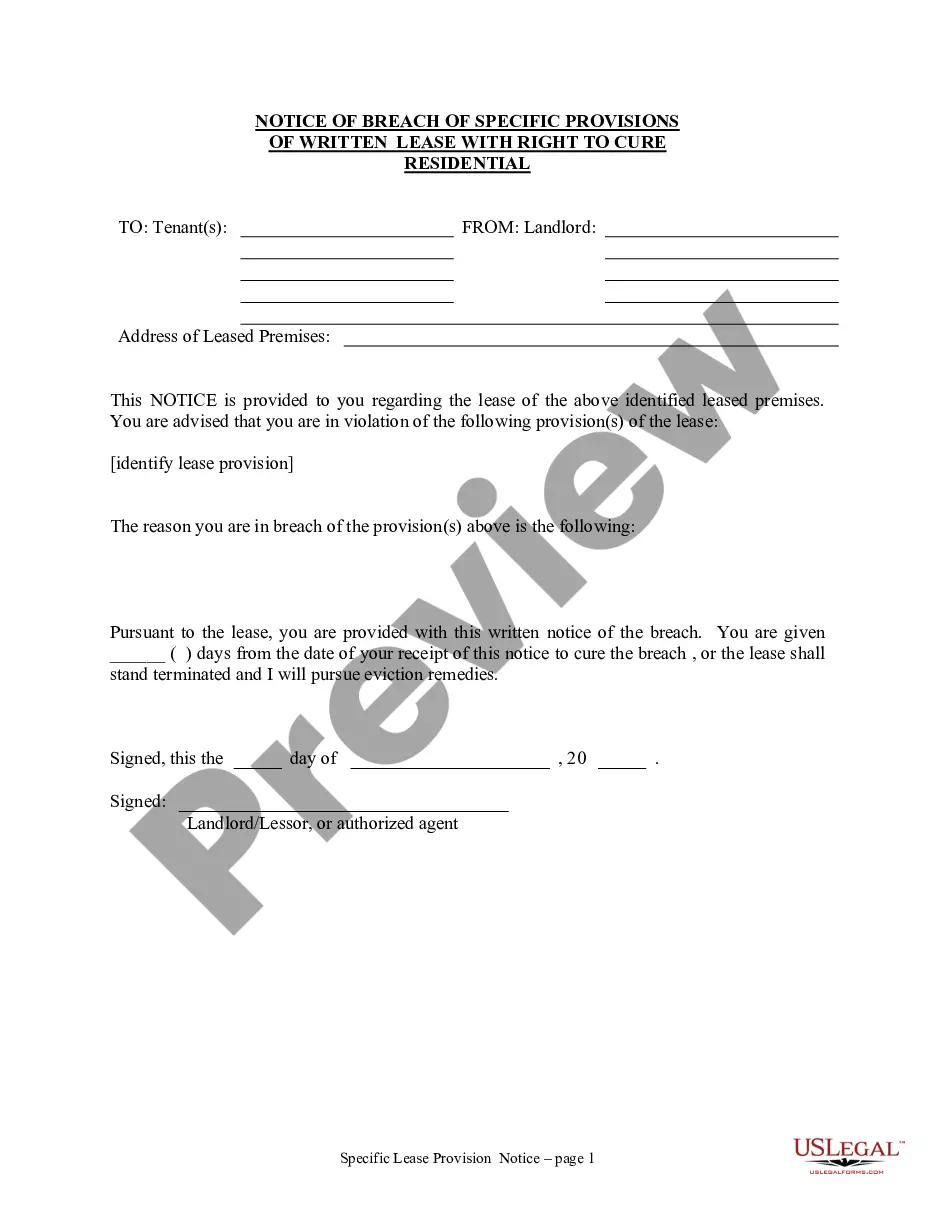
How to fill out Alabama Notice Of Breach Of Written Lease For Violating Specific Provisions Of Lease With Right To Cure For Residential Property From Landlord To Tenant?
- If you're returning to US Legal Forms, simply log in to your account and download your preferred lease template by selecting the Download button. Verify that your subscription is active; otherwise, renew it as per your payment plan.
- For first-time users, start by exploring the Preview mode and reading the form descriptions. Ensure you choose the correct lease that adheres to your local jurisdiction.
- If the lease you selected doesn't meet your needs, utilize the Search bar to find an alternative form. Once a suitable option is identified, continue to the next step.
- Purchase your selected lease form by clicking the Buy Now button and opting for a subscription plan that works for you. You will need to create an account to access the full library of documents.
- Complete your purchase by entering your credit card information or using your PayPal account to finalize the subscription.
- Download your lease form to your device for easy access and completion. You can also find it in the My Forms section of your profile when needed.
Using US Legal Forms equips you with a wide array of resources, making lease creation quick and straightforward. With over 85,000 forms, you can find tailored options that precisely fit your legal requirements.
Don't wait any longer—visit US Legal Forms today to access the lease templates that will protect your rental agreements and streamline your legal processes!
Form popularity
FAQ
Writing a good lease involves being clear and thorough. You'll need to specify essential elements such as the rental property description, rental amount, and lease duration. Additionally, it's crucial to outline the responsibilities of both parties concerning maintenance and payment. Consider using resources from US Legal Forms for templates that ensure you cover all necessary aspects of leases.
Writing your own lease agreement is possible, and many landlords choose to do so. To ensure its legality, include all required terms and conditions that protect both parties. Using a platform like US Legal Forms can help you create a comprehensive lease agreement that meets legal standards and covers important aspects.
You can certainly make a lease yourself, but it is important to include all essential components to make it valid. Researching legal requirements for leases in your area can guide you in drafting an effective agreement. Online resources like US Legal Forms also offer templates to assist you in creating your lease successfully.
Yes, landlords can create their own leases, provided they incorporate all necessary legal terms and conditions. It is crucial to ensure that the lease complies with state and local laws to avoid potential disputes. Utilizing a template from US Legal Forms can streamline the process and ensure compliance.
The best lease type for a landlord often depends on their rental strategy. A fixed-term lease offers stability, while a month-to-month lease provides flexibility. When choosing, consider what aligns with your property management goals and tenant needs, ensuring that all terms are clear and concise.
Yes, a handwritten lease agreement can be legally binding if it meets certain criteria. Both parties must agree to the terms, and it must be signed by everyone involved. It's essential to ensure that the handwritten lease addresses all necessary components, as missing elements may lead to disputes.
There are several types of leases, including residential leases, commercial leases, and equipment leases. Each type serves different needs, such as housing, business operations, or machinery usage. Understanding these types of leases is essential, as they dictate the terms and conditions specific to each agreement.
Leases refer to legal contracts that allow one individual or business to utilize another's property or equipment for a defined term in exchange for payment. They provide a structured way to access valuable resources without outright ownership. When you look at leases, you open doors to flexibility and financial efficiency.
A lease is an agreement that allows one party to use an asset owned by another for a specific period in return for payment. This simple definition captures the essence of leases, emphasizing the exchange of rights for compensation. Understanding leases helps you navigate various agreements, whether for property, equipment, or vehicles.
Leased and rent refer to similar concepts, but there are differences in context. A lease usually involves a long-term agreement, providing both parties with stability. In contrast, renting may be more informal and short-term, but both arrangements fall under the broader category of leases.