Delaware Letter from Tenant to Landlord about Fair Housing Reduction or Denial of services to Family with Children
About this form
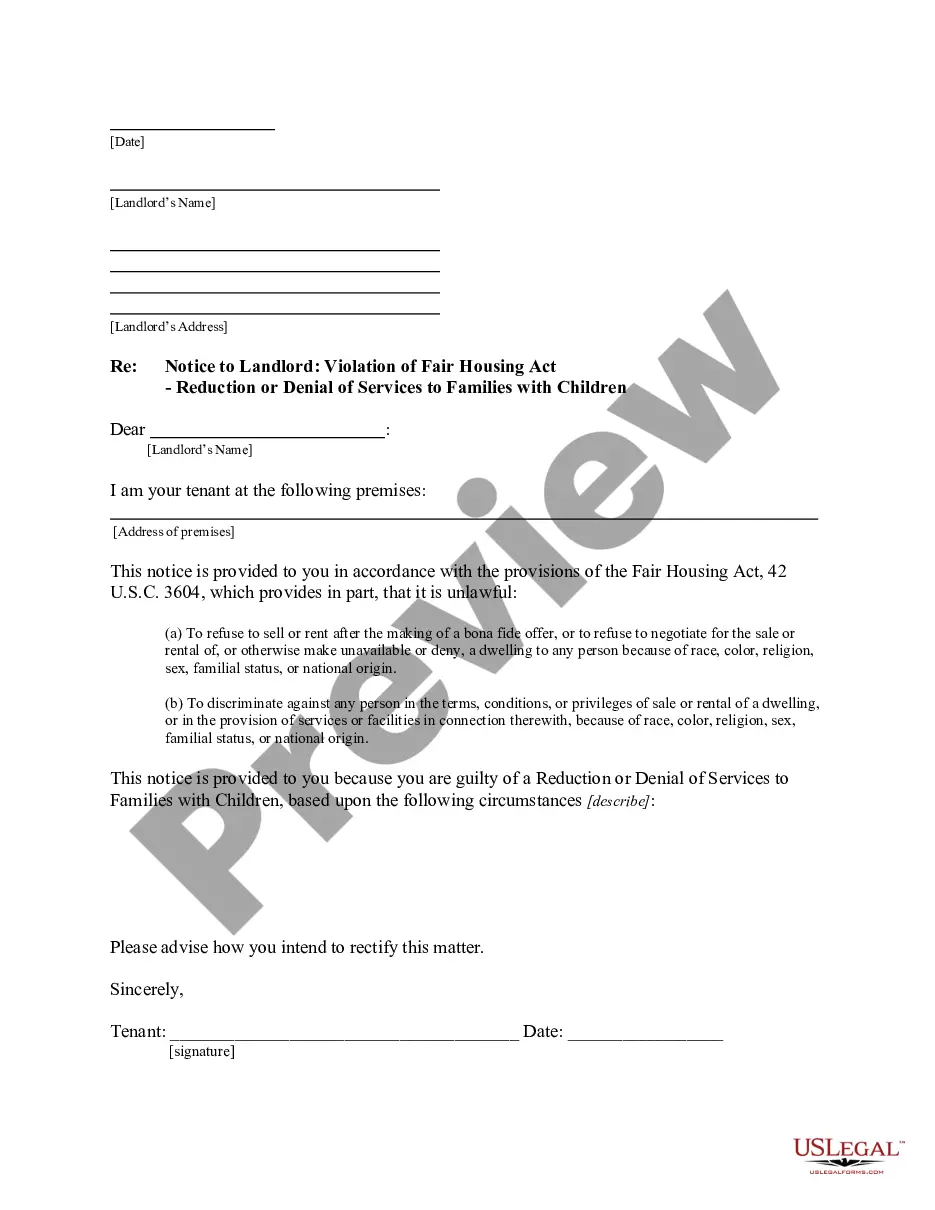
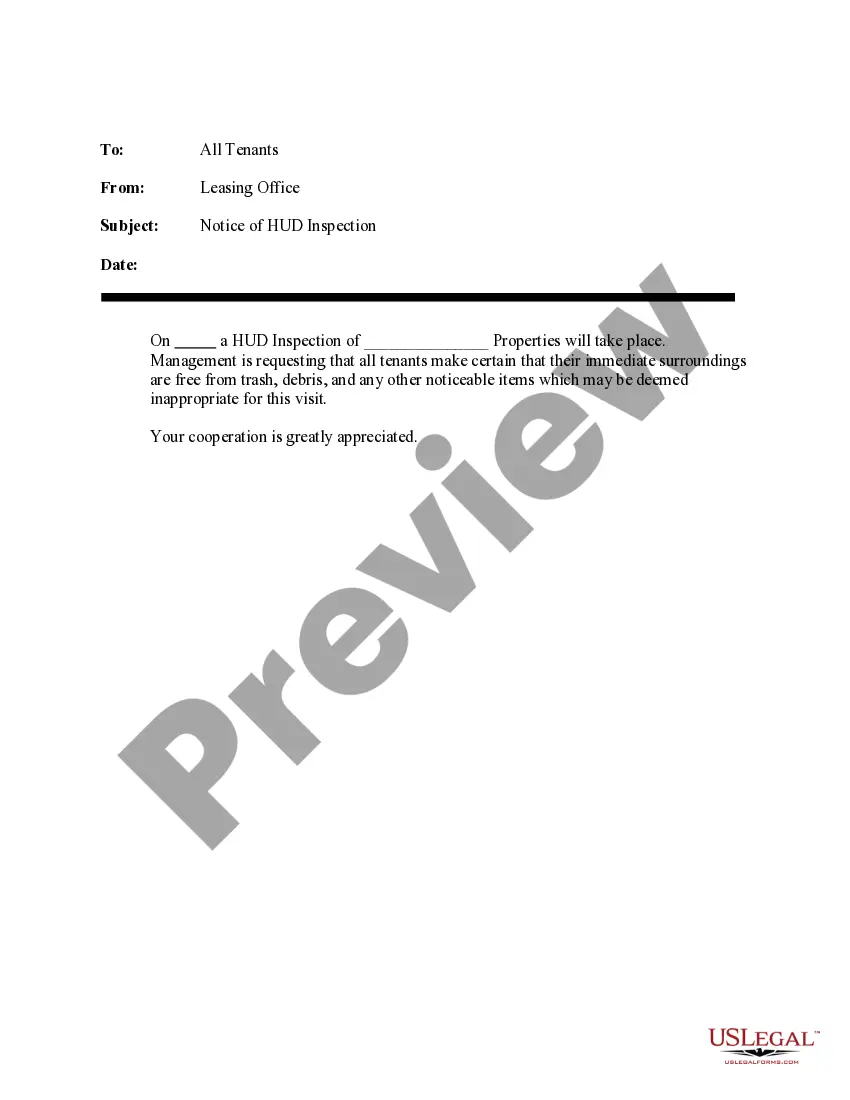
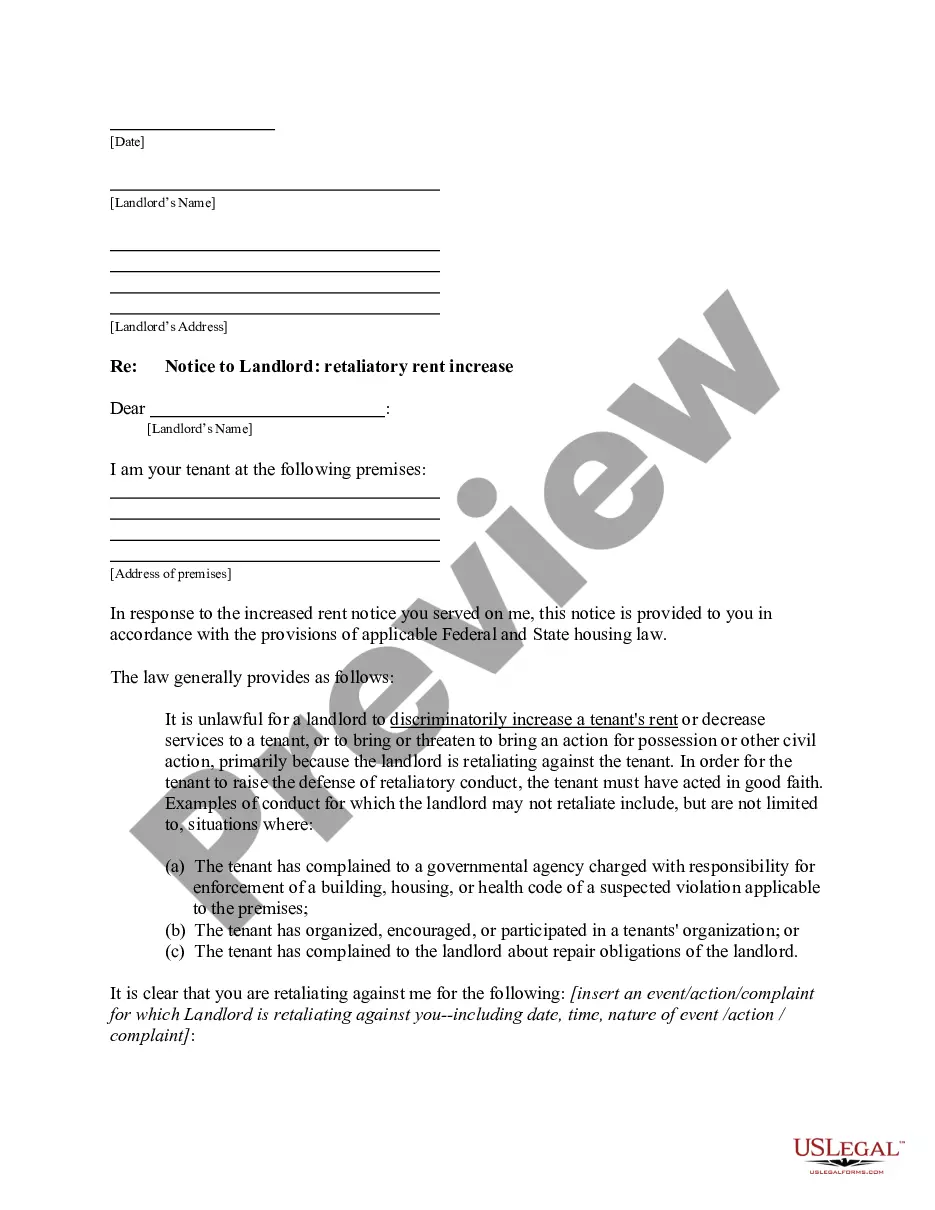
This form is a letter from a tenant to a landlord regarding potential violations of the Fair Housing Act, specifically concerning the reduction or denial of services to families with children. It highlights unlawful discrimination based on familial status and ensures that tenants are aware of their rights. This form serves to notify the landlord of the issue and may initiate a discussion or resolution regarding housing policies and practices. This is distinct from other housing-related forms because it specifically addresses unfair treatment based on familial status.
Main sections of this form
- Identification of parties: Includes the tenant's and landlord's details.
- Statement of violation: Specifies the alleged reduction or denial of services.
- Reference to the Fair Housing Act: Mentions the applicable laws that protect against discrimination.
- Explanation of circumstances: Details the specific situations leading to the notice.
- Request for action or response: Invites the landlord to address the issue.

When to use this document
Use this form when you, as a tenant, believe that your landlord is discriminating against you or your family by providing unequal services or denying your rights based on familial status. This may occur when you notice differences in treatment compared to other tenants without children, or if services and amenities are restricted to families with children. This letter serves as a formal notification of your concern and seeks to remedy the situation.
Who this form is for
- Tenants who have children living in their household.
- Individuals experiencing issues with landlords regarding service reductions.
- Families seeking to enforce their rights under the Fair Housing Act.
Instructions for completing this form
- Identify the tenant and landlord: Fill in your names and contact information.
- Describe the violation: Clearly explain how services have been reduced or denied.
- Reference applicable laws: Mention the Fair Housing Act to establish legal context.
- Provide specific details: Include any relevant circumstances that illustrate the issue.
- Request a response: State what action you expect from the landlord.
Does this form need to be notarized?
Notarization is not commonly needed for this form. However, certain documents or local rules may make it necessary. Our notarization service, powered by Notarize, allows you to finalize it securely online anytime, day or night.
Get your form ready online
Our built-in tools help you complete, sign, share, and store your documents in one place.
Make edits, fill in missing information, and update formatting in US Legal Forms—just like you would in MS Word.
Download a copy, print it, send it by email, or mail it via USPS—whatever works best for your next step.
Sign and collect signatures with our SignNow integration. Send to multiple recipients, set reminders, and more. Go Premium to unlock E-Sign.
If this form requires notarization, complete it online through a secure video call—no need to meet a notary in person or wait for an appointment.
We protect your documents and personal data by following strict security and privacy standards.

Make edits, fill in missing information, and update formatting in US Legal Forms—just like you would in MS Word.

Download a copy, print it, send it by email, or mail it via USPS—whatever works best for your next step.

Sign and collect signatures with our SignNow integration. Send to multiple recipients, set reminders, and more. Go Premium to unlock E-Sign.

If this form requires notarization, complete it online through a secure video call—no need to meet a notary in person or wait for an appointment.

We protect your documents and personal data by following strict security and privacy standards.
Mistakes to watch out for
- Failing to provide enough details about the specific violation.
- Not referencing relevant laws that support the claims.
- Neglecting to include dates and key timelines.
- Using ambiguous language that may confuse the landlord.
Why complete this form online
- Easy access to professionally drafted templates.
- Editable format to suit individual circumstances.
- Time-saving options for immediate downloading.
- Secure and reliable resources to ensure compliance with legal standards.
Legal use & context
- This letter serves as a formal notice under the Fair Housing Act.
- It can help establish a record of communication regarding discrimination.
- Retention of this letter may be useful should legal action become necessary.
What to keep in mind
- This form is essential for tenants facing discrimination based on familial status.
- Using this letter provides a clear and legal way to communicate grievances.
- Completing and sending this letter promptly can facilitate resolution.
Looking for another form?



Form popularity
FAQ
Yes, states are allowed to enact their own fair housing laws, which can provide protections beyond those established by federal law. Each state may have varying regulations that address different aspects of housing discrimination. These laws can target specific groups or issues not covered federally, enhancing protections for tenants. If you need assistance navigating these complexities, consider using a Delaware Letter from Tenant to Landlord about Fair Housing Reduction or Denial of services to Family with Children for clarity and strength in your communication.
Under the Fair Housing Act, certain individuals may not receive protection against housing discrimination. Specifically, individuals who engage in illegal drug use or have been convicted of specific felonies may find themselves excluded. Additionally, there are certain exemptions for housing intended for older persons, where families with children may not be protected. If you suspect discrimination related to your situation, consider drafting a Delaware Letter from Tenant to Landlord about Fair Housing Reduction or Denial of services to Family with Children to address your concerns.
The most frequent fair housing complaint involves discrimination based on familial status, particularly against families with children. Many landlords may unwittingly violate fair housing laws by enacting policies that appear discriminatory. To address these issues effectively, many tenants choose to document their experiences in a Delaware Letter from Tenant to Landlord about Fair Housing Reduction or Denial of services to Family with Children, which can serve as an essential step towards resolution.
Federal fair housing laws only allow a homeowner to refuse rental under specific circumstances, such as if the property qualifies as housing for older persons. This means that the property must be intended for seniors, typically where at least one resident is 55 years of age or older. Even in these cases, clear policies must be in place to support the claim. Therefore, crafting a Delaware Letter from Tenant to Landlord about Fair Housing Reduction or Denial of services to Family with Children can be instrumental in addressing any concerns you might have.
To initiate a lawsuit for a fair housing violation, you must follow specific legal procedures. First, you can file a complaint with the U.S. Department of Housing and Urban Development (HUD), who will investigate the claim. If resolution does not occur, you can then take your case to court. Crafting a Delaware Letter from Tenant to Landlord about Fair Housing Reduction or Denial of services to Family with Children can also be a crucial step in documenting your concerns and intentions to seek remedy.
The Fair Housing Act does not cover all types of housing. For instance, it does not apply to single-family homes rented by owners who own three or fewer homes, or to rental units in owner-occupied buildings with four or fewer units. Additionally, it may not cover certain accommodations like student housing or housing operated by religious organizations, leaving families potentially unprotected. Understanding these exceptions can help you formulate a Delaware Letter from Tenant to Landlord about Fair Housing Reduction or Denial of services to Family with Children.
Section 5314 of the Delaware Residential Landlord Tenant Code outlines the responsibilities of landlords regarding the maintenance of a safe and habitable living environment for tenants. It ensures that landlords cannot unfairly deny services that may negatively impact families with children. Understanding this section is crucial when drafting a Delaware Letter from Tenant to Landlord about Fair Housing Reduction or Denial of services to Family with Children. This knowledge strengthens your position if you face issues regarding your housing situation.
To write a Delaware Letter from Tenant to Landlord about Fair Housing Reduction or Denial of services to Family with Children, start by clearly stating your request for a rent reduction. Include specific reasons for the request, such as financial hardship or any relevant changes in your family's situation. It's important to cite fair housing laws that support your case. Finally, express your desire for a positive resolution and provide your contact information for further discussion.
In Delaware, to break a lease without penalty, you typically need a valid reason, such as unsafe living conditions or active military duty. It's essential to follow legal procedures to ensure you are protected. If concerns about fair housing come into play, a Delaware Letter from Tenant to Landlord about Fair Housing Reduction or Denial of services to Family with Children can document your grievances and support your case.
Section 5106 of the Delaware Landlord Tenant Code outlines the procedure for the repair of rental units. It requires landlords to maintain their properties in a condition that is safe and habitable for tenants. If you notice your landlord neglecting this responsibility, you may want to express your concerns through a Delaware Letter from Tenant to Landlord about Fair Housing Reduction or Denial of services to Family with Children.