Connecticut Revised Uniform Anatomical Gift Act Donation
Understanding this form
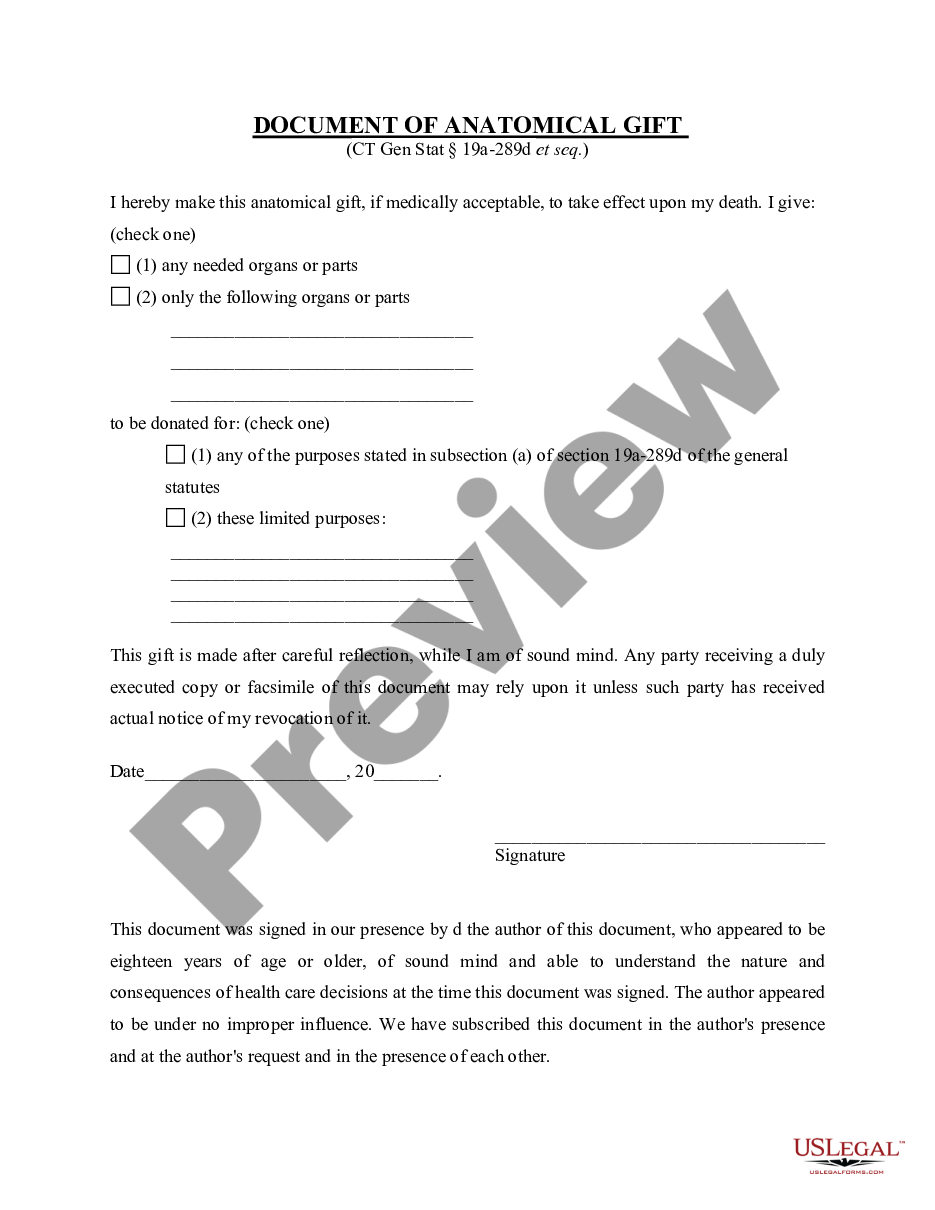
The Revised Uniform Anatomical Gift Act Donation form allows individuals to designate specific body parts and organs for donation upon their death. This form is crucial for ensuring that your anatomical gifts are honored according to your wishes. Unlike other legal documents, this form specifically focuses on organ and tissue donation and must be duly executed to have legal effect.
Form components explained
- Designates specific body parts and organs for donation.
- Includes a statement of intent made while of sound mind.
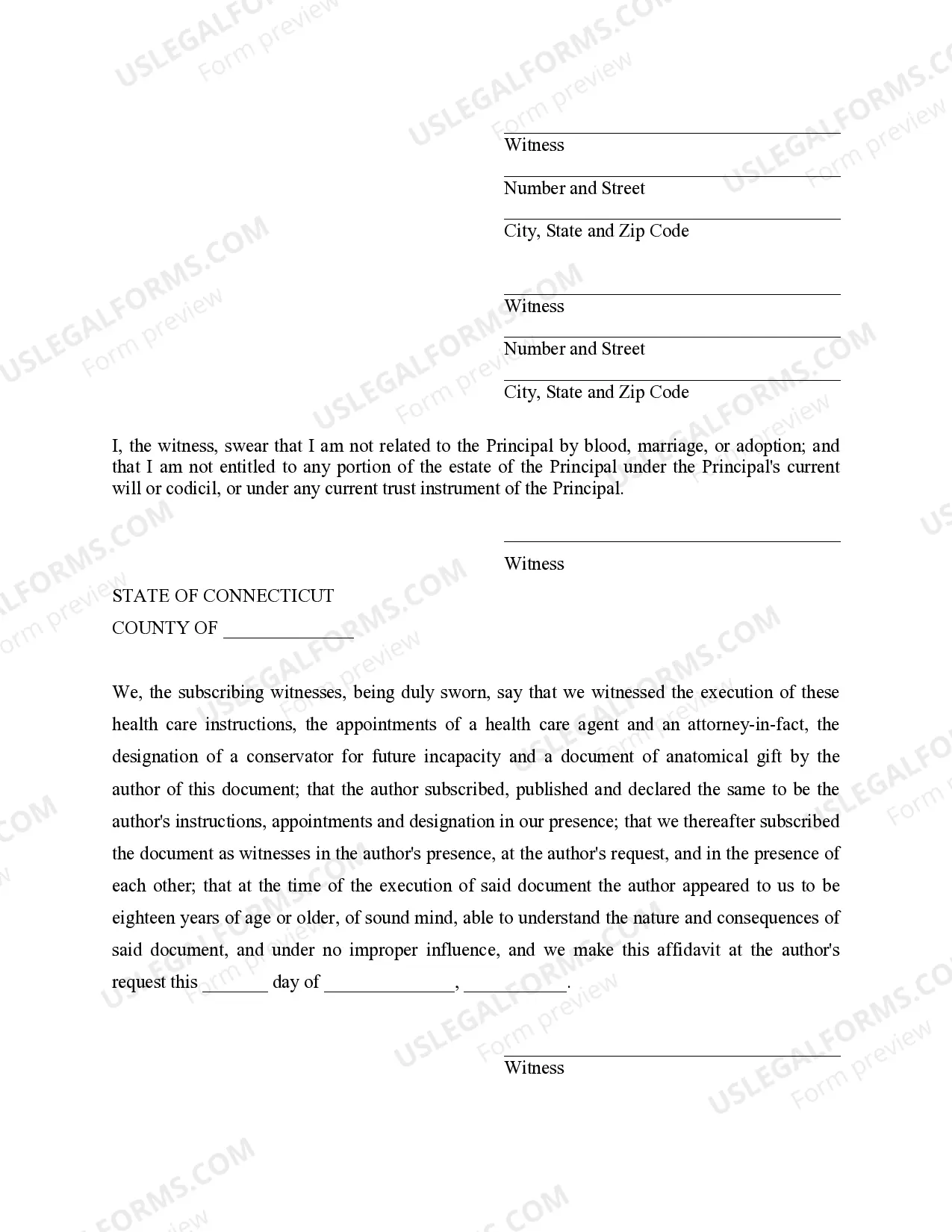
- Requires signatures from the donor and witnesses.
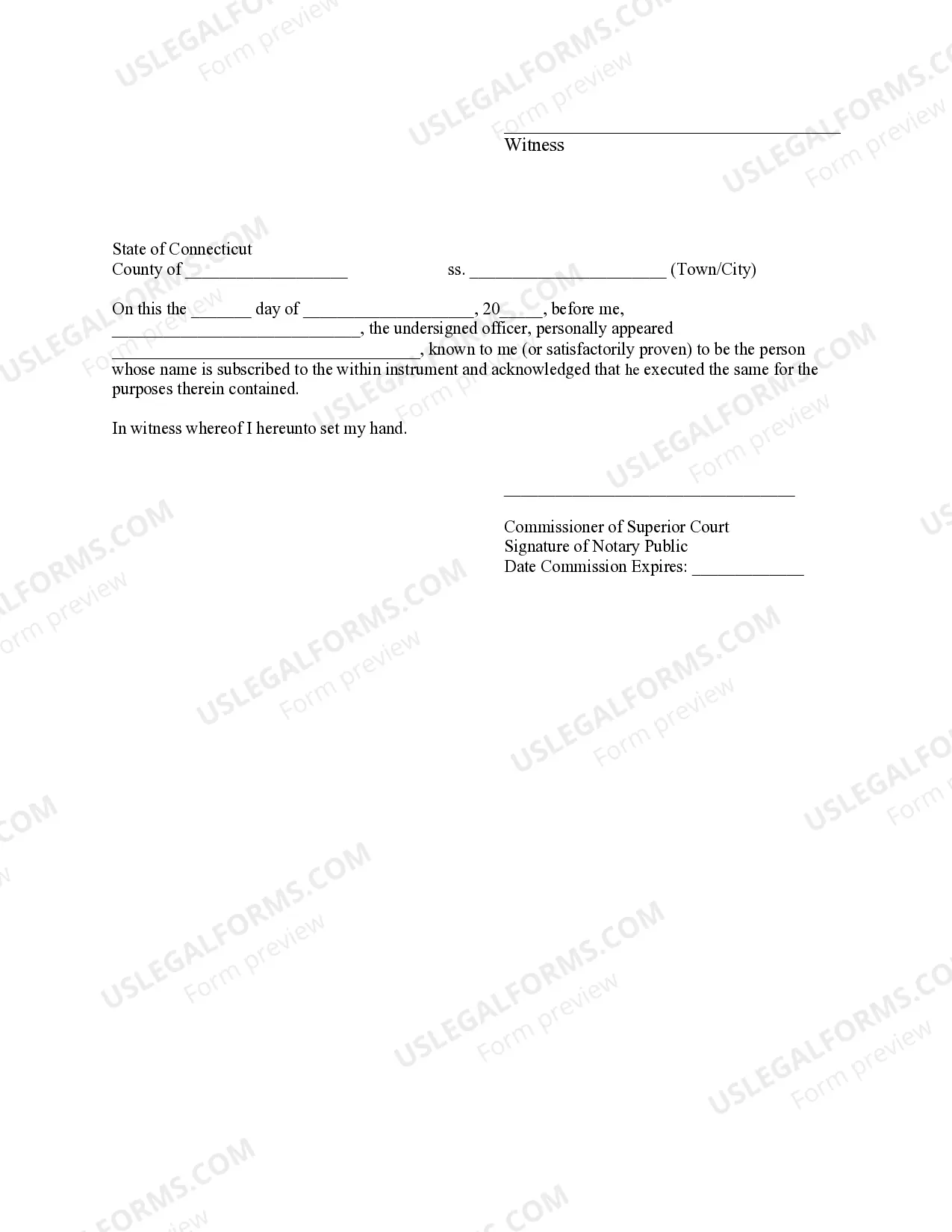
- Notarization is required to verify the authenticity of the document.
- Allows the donor to outline specific limited purposes for the anatomical gift.
When to use this form
This form should be used when an individual wishes to make an anatomical gift, such as donating organs or tissue after their death. It is advisable to complete this form during discussions about end-of-life wishes or estate planning, ensuring that your desires for organ donation are legally documented and respected.
Who should use this form
Eligibility for this form includes:
- Individuals aged 18 and older.
- Anyone wishing to donate specific organs or tissues after death.
- Those who have considered their decision thoroughly and want to ensure their wishes are known and honored.
Completing this form step by step
- Identify the specific body parts or organs you wish to donate.
- Choose the purposes for which the donation is intended, either general or limited.
- Sign the form in the presence of witnesses who meet legal requirements.
- Ensure that your signature is notarized for validation.
- Distribute copies of the executed form to your family and medical providers.
Does this form need to be notarized?
This form must be notarized to be legally valid. US Legal Forms provides secure online notarization powered by Notarize, allowing you to complete the process through a verified video call.
Get your form ready online
Our built-in tools help you complete, sign, share, and store your documents in one place.
Make edits, fill in missing information, and update formatting in US Legal Forms—just like you would in MS Word.
Download a copy, print it, send it by email, or mail it via USPS—whatever works best for your next step.
Sign and collect signatures with our SignNow integration. Send to multiple recipients, set reminders, and more. Go Premium to unlock E-Sign.
If this form requires notarization, complete it online through a secure video call—no need to meet a notary in person or wait for an appointment.
We protect your documents and personal data by following strict security and privacy standards.

Make edits, fill in missing information, and update formatting in US Legal Forms—just like you would in MS Word.

Download a copy, print it, send it by email, or mail it via USPS—whatever works best for your next step.

Sign and collect signatures with our SignNow integration. Send to multiple recipients, set reminders, and more. Go Premium to unlock E-Sign.

If this form requires notarization, complete it online through a secure video call—no need to meet a notary in person or wait for an appointment.

We protect your documents and personal data by following strict security and privacy standards.
Common mistakes
- Failing to have the document signed by witnesses in the required format.
- Not obtaining a notarization, which may render the document invalid.
- Overlooking specific limitations when indicating the purpose of the donation.
- Neglecting to inform family members about the existence of the form.
Advantages of online completion
- Convenience of immediate access to the form from anywhere.
- Editability allows you to customize the form according to your specific wishes.
- Reliability from using attorney-drafted templates ensuring legal compliance.
Looking for another form?
Form popularity
FAQ
A document of gift organ donation is a formal agreement indicating a person's intention to donate their organs and tissues after death. This document is integral to the Connecticut Revised Uniform Anatomical Gift Act Donation, as it records the specifics of the donor's wishes. It serves both as a legal declaration and a guide for healthcare providers and loved ones during critical decision-making times.
The legal document that applies to anatomical gifts is typically a donor card or a statement included in a will. This documentation aligns with the Connecticut Revised Uniform Anatomical Gift Act Donation, ensuring that an individual's wishes regarding organ and tissue donation are legally binding. Proper completion of these documents is vital for their wishes to be honored.
The phrase 'I hereby make an anatomical gift' signifies an individual's clear wish to donate their organs or tissues for transplantation or medical research. This statement is an essential part of the Connecticut Revised Uniform Anatomical Gift Act Donation, ensuring that a donor's preference is officially documented and respected. By making this declaration, donors can help save lives and advance medical science.
An example of the Uniform Anatomical Gift Act can be seen in the process of registering as an organ donor on a driver's license. By doing so, individuals express their wishes to donate organs upon death, aligning with the principles set forth in the Connecticut Revised Uniform Anatomical Gift Act Donation. This simple act can significantly impact the lives of those in need of transplants.
DBD, or Donation After Brain Death, occurs when a person is diagnosed with brain death but retains functioning organs, allowing for organ donation. On the other hand, DCD, or Donation After Cardiac Death, takes place when a donor's heart stops beating, leading to a different set of protocols. Understanding these differences is crucial for framing discussions around the Connecticut Revised Uniform Anatomical Gift Act Donation.
The anatomical gift act for organ donation, specifically the Connecticut Revised Uniform Anatomical Gift Act Donation, establishes guidelines for how individuals can donate their bodies or organs after death. This legislation allows donors to make a profound contribution to medical research and help save lives through the donation of organs and tissues. It also outlines the rights of donors and the process for honoring their wishes.
The Connecticut Revised Uniform Anatomical Gift Act Donation allows individuals to make anatomical gifts to benefit others. This includes the donation of organs, tissues, and even entire bodies for medical research or educational purposes. By enabling such gifts, the Act aims to increase awareness and participation in organ donation, ultimately enhancing the quality of life for recipients. For those seeking to navigate this process, platforms like USLegalForms offer essential resources and guidance.
The Connecticut Revised Uniform Anatomical Gift Act Donation applies to the donation of organs and tissues for transplantation, research, and education. This Act facilitates the process by establishing a legal framework within which donations can occur, ensuring donor intent is honored. Additionally, it serves to educate the public about the importance and benefits of organ donation. Ultimately, it creates a more streamlined approach to saving lives through anatomical gifts.
The Connecticut Revised Uniform Anatomical Gift Act Donation outlines specific requirements for individuals wishing to donate their organs. Donors must be of legal age and provide explicit consent, either in writing or through a designated representative. Additionally, the Act stipulates that the donation process must adhere to state regulations and protocols. This structure ensures that all donations are conducted legally and ethically.
The Connecticut Revised Uniform Anatomical Gift Act Donation provides clear guidelines for the postmortem donation of organs. Under this Act, individuals can donate their organs after death, ensuring that their wishes are respected. The process involves obtaining consent from the donor and fulfilling specific requirements that protect the rights of all parties. This ensures a smooth transition during a difficult time, facilitating life-saving donations.