Connecticut General Revocation of Power of Attorney and Health Care Directives
About this form
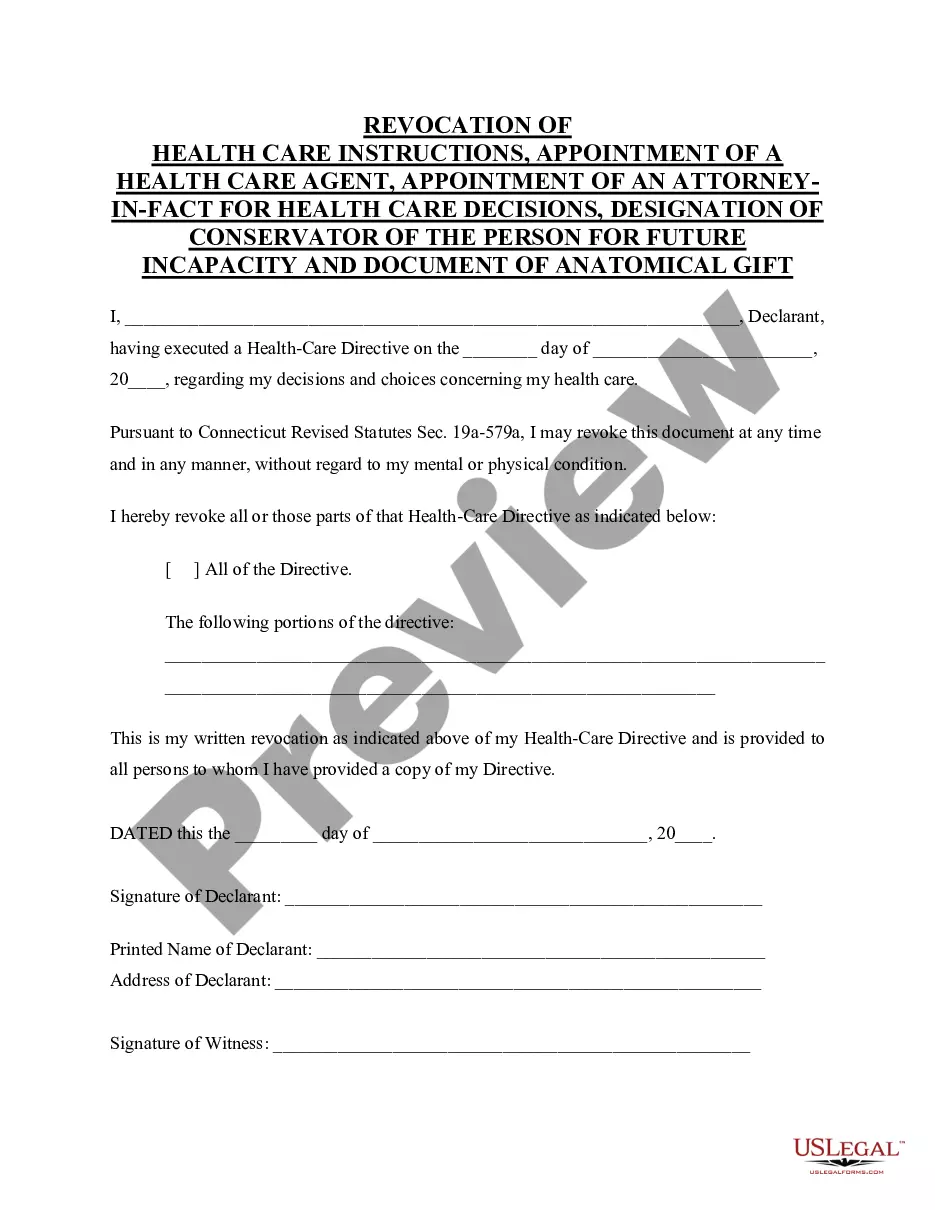
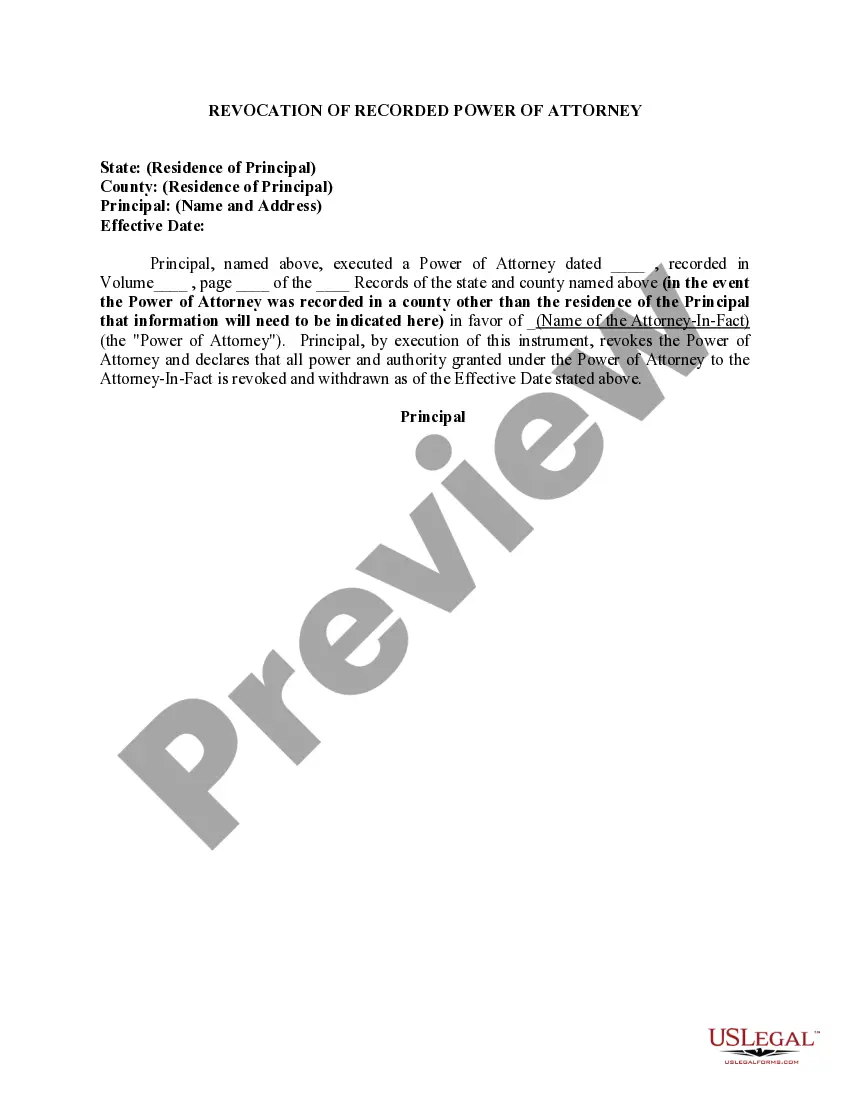
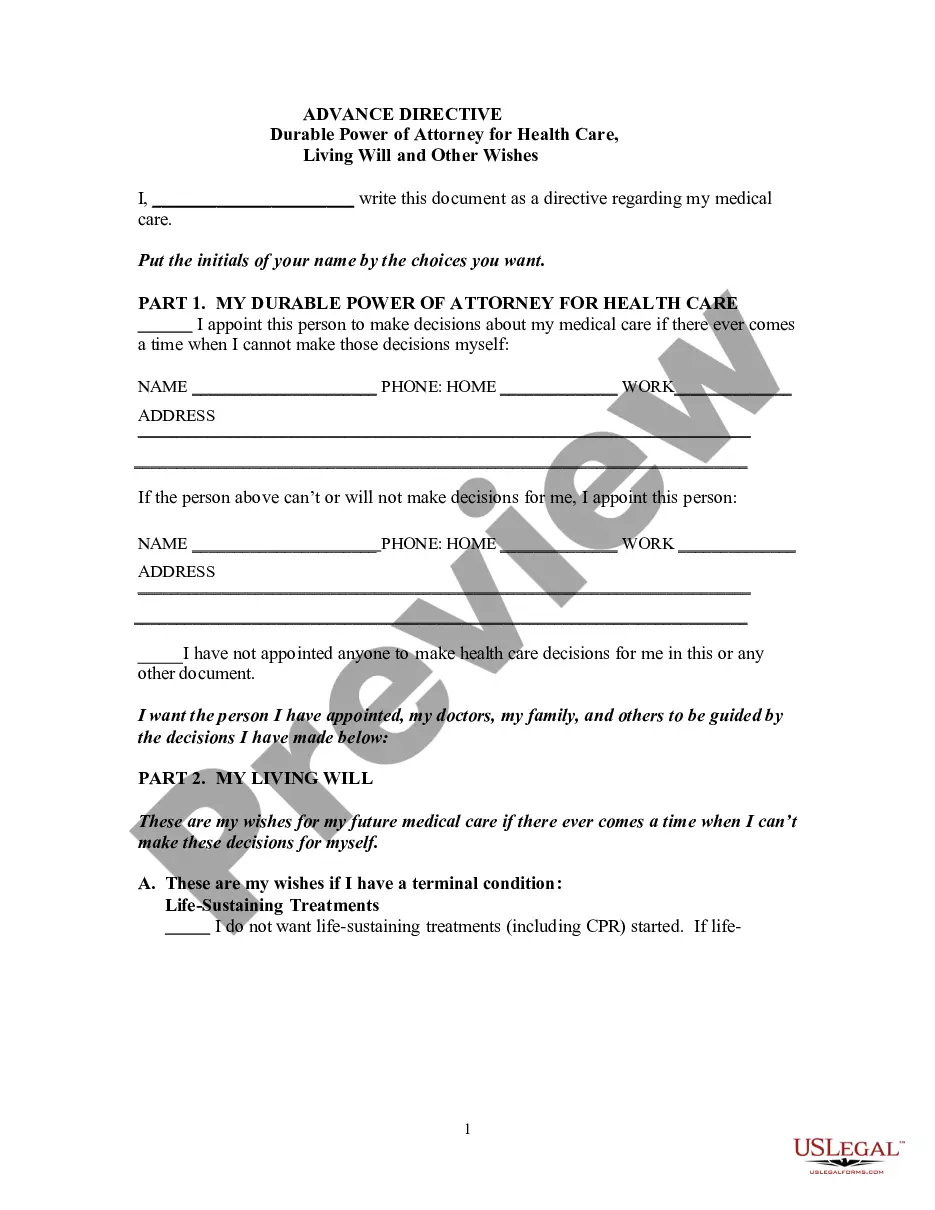
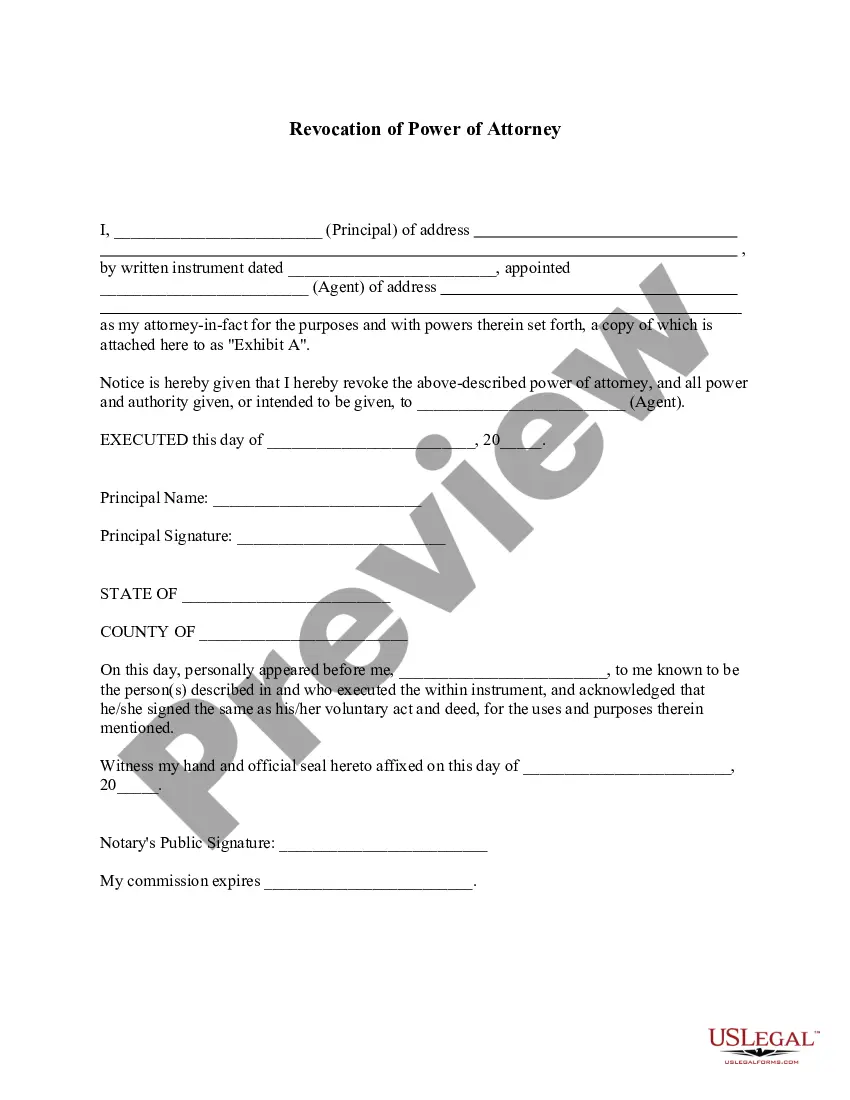
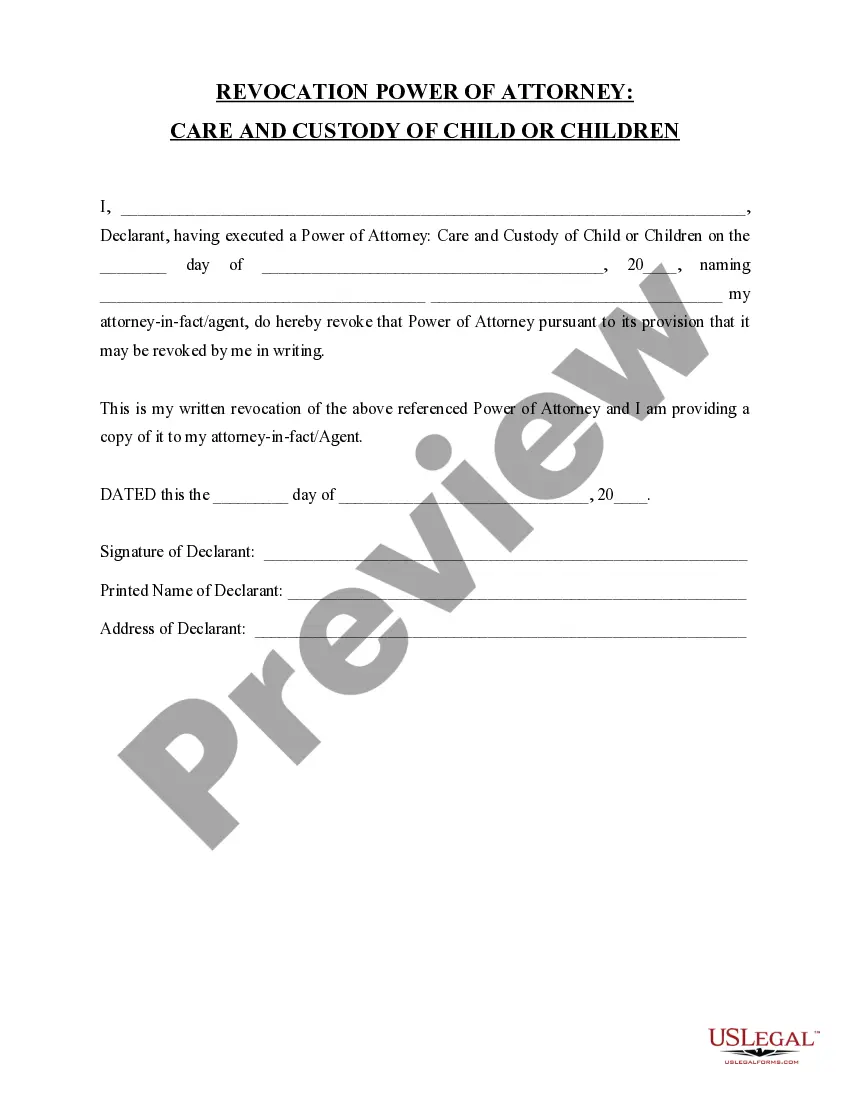
The General Revocation of Power of Attorney and Health Care Directives is a legal document that formally rescinds any prior authority granted to another individual regarding health care decisions. This form is essential for ensuring that your previously appointed agent can no longer act on your behalf, particularly in healthcare matters. Unlike a power of attorney, which grants authority to act, this revocation clearly communicates the termination of that authority.
What’s included in this form
- Identification of the individual revoking the directive.
- Specification of which parts of the Health-Care Directive are revoked.
- Clear declaration that all or specific portions of the directive are nullified.
- Signature field to confirm the revocation.
Common use cases
This form is used when you wish to remove previously granted authority to an agent in health care matters. Common scenarios include changes in personal circumstances, such as recovery from illness, a change in relationships, or if you appoint a new agent and want to ensure that the former agent no longer has any power. Using this revocation helps clarify your current wishes regarding your health care decisions.
Who this form is for
- Individuals who have previously designated a health care agent or issued a health care directive.
- Those who have made changes in their health care preferences or relationships.
- Anyone wanting to ensure that a prior directive does not conflict with their current health care wishes.
Instructions for completing this form
- Identify yourself as the person revoking the directive.
- Clearly specify which portions of the health care directive you are revoking.
- If revoking all parts, indicate that preference.
- Sign and date the document to validate the revocation.
Does this form need to be notarized?
This document requires notarization to meet legal standards. US Legal Forms provides secure online notarization powered by Notarize, allowing you to complete the process through a verified video call, available 24/7.
Get your form ready online
Our built-in tools help you complete, sign, share, and store your documents in one place.
Make edits, fill in missing information, and update formatting in US Legal Forms—just like you would in MS Word.
Download a copy, print it, send it by email, or mail it via USPS—whatever works best for your next step.
Sign and collect signatures with our SignNow integration. Send to multiple recipients, set reminders, and more. Go Premium to unlock E-Sign.
If this form requires notarization, complete it online through a secure video call—no need to meet a notary in person or wait for an appointment.
We protect your documents and personal data by following strict security and privacy standards.

Make edits, fill in missing information, and update formatting in US Legal Forms—just like you would in MS Word.

Download a copy, print it, send it by email, or mail it via USPS—whatever works best for your next step.

Sign and collect signatures with our SignNow integration. Send to multiple recipients, set reminders, and more. Go Premium to unlock E-Sign.

If this form requires notarization, complete it online through a secure video call—no need to meet a notary in person or wait for an appointment.

We protect your documents and personal data by following strict security and privacy standards.
Typical mistakes to avoid
- Failing to clearly specify the parts of the directive that are being revoked.
- Not signing or dating the form, which can invalidate the revocation.
- Neglecting to notify the previous health care agent of the revocation.
Benefits of completing this form online
- Convenience: Access the form anytime without visiting a legal office.
- Editability: Customize the form easily to suit your specific needs.
- Compliance: Ensure the revocation meets legal standards and requirements.
Looking for another form?


Form popularity
FAQ
The best person to serve as a power of attorney is someone you trust completely, who understands your values and wishes. Ideally, this should be an individual who can make informed decisions on your behalf, especially during emergencies. Consider friends, family members, or even professionals who can navigate complex situations safely, particularly in regard to the Connecticut General Revocation of Power of Attorney and Health Care Directives.
Filling out power of attorney paperwork requires careful attention to detail. Begin by entering the necessary personal information of both the principal and the agent. Specify the scope of authority being granted, and ensure compliance with state-specific requirements. If you need assistance, consider using uslegalforms, which offers resources tailored to navigating the Connecticut General Revocation of Power of Attorney and Health Care Directives.
Writing a revocation involves creating a clear, concise document that states your intention to revoke previously granted powers. Include your name, description of the power of attorney being revoked, and the signature of the principal. It’s best practice to keep copies of the revocation and notify all interested parties to ensure everyone is on the same page regarding the Connecticut General Revocation of Power of Attorney and Health Care Directives.
To fill out a power of attorney form, start by providing the full names and addresses of both the principal and the agent. Clearly outline the specific powers being granted and include any necessary details that apply to the principal's situation. Once completed, make sure to sign the document in accordance with state laws. Using platforms like uslegalforms can simplify this process, especially when addressing the Connecticut General Revocation of Power of Attorney and Health Care Directives.
To remove yourself as a power of attorney, you must draft a formal revocation document that states your intention to revoke your authority. Ensure this document is signed and dated by you, followed by notifying both the principal and any third parties that relied on your authority. This process helps clarify the status of power of attorney and relates directly to the Connecticut General Revocation of Power of Attorney and Health Care Directives.
Being a power of attorney comes with significant responsibilities, which can be overwhelming for some. You may face legal liabilities if the principal's interests are not managed properly. Additionally, it can strain personal relationships, especially when making difficult decisions about health care and finances. Understanding the implications is key when discussing the Connecticut General Revocation of Power of Attorney and Health Care Directives.
To resign from the role of power of attorney, you should provide a written resignation to the principal and obtain their acknowledgment. This resignation letter must include your name, the principal's name, and a statement expressing your decision to step down. You should also notify any relevant institutions or individuals that relied on your authority. These steps ensure clarity regarding the Connecticut General Revocation of Power of Attorney and Health Care Directives.
Yes, you can refuse to accept the role of power of attorney if you feel unprepared or unwilling to take on this responsibility. It's crucial to communicate your decision to the person who intended to grant you power of attorney. Remember, serving as a power of attorney involves significant obligations and responsibilities, and no one should feel pressured to accept if they are not comfortable. This freedom also applies when discussing the Connecticut General Revocation of Power of Attorney and Health Care Directives.
To establish power of attorney in New Jersey, several requirements must be met, including that the principal must be of sound mind and at least 18 years old. The power of attorney document must clearly specify the powers granted to the agent. While New Jersey laws differ from Connecticut, understanding the Connecticut General Revocation of Power of Attorney and Health Care Directives is important for anyone considering these legal documents.
To revoke power of attorney in Connecticut, you must create a written document that clearly states your intention to revoke the authority previously granted. This revocation document should be signed and dated by you, the principal. After completing this step, it is essential to notify the agent who held the power of attorney and any relevant institutions or individuals that relied on the document. This ensures everyone is informed about the Connecticut General Revocation of Power of Attorney and Health Care Directives.