Colorado Letter from Tenant to Landlord about Landlord's refusal to allow sublease is unreasonable
About this form
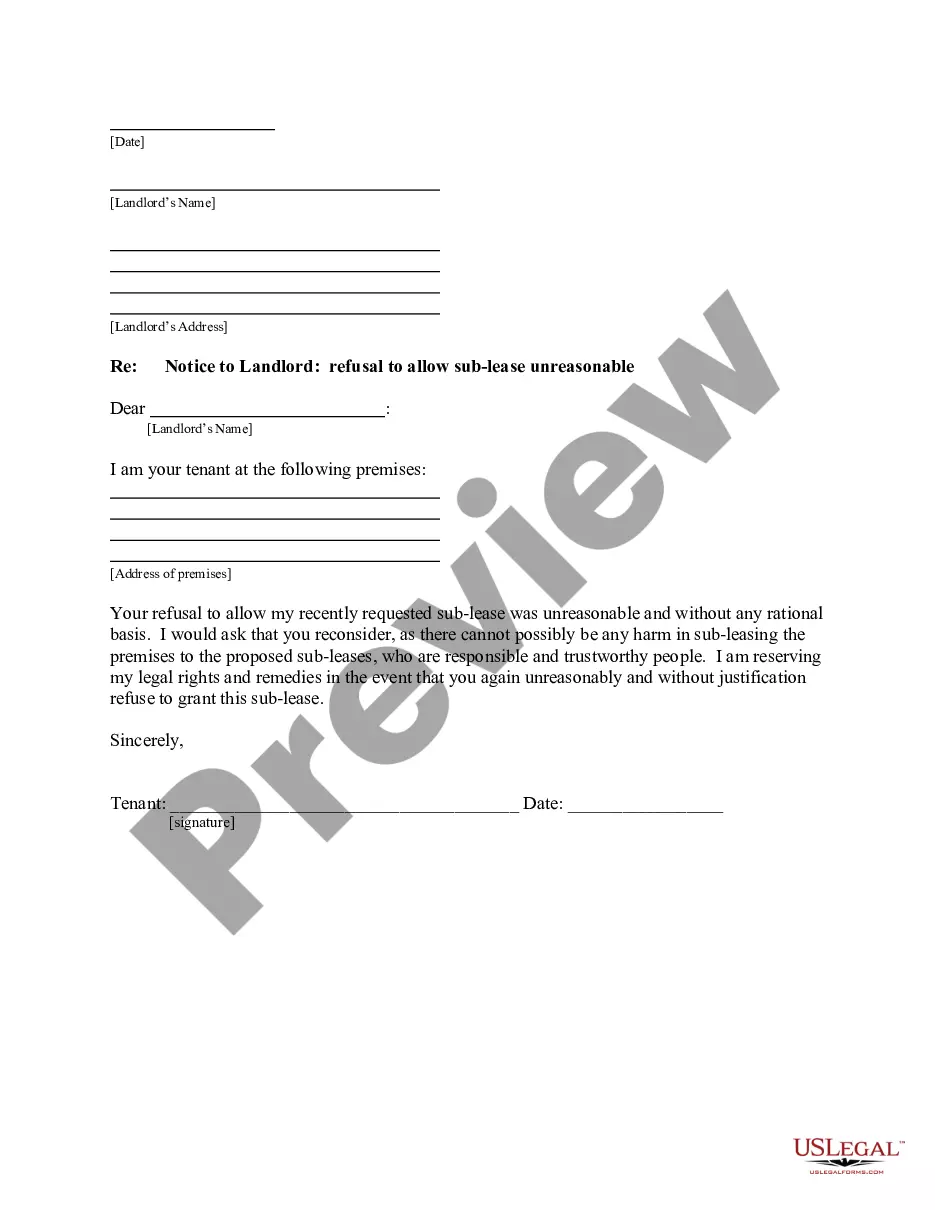
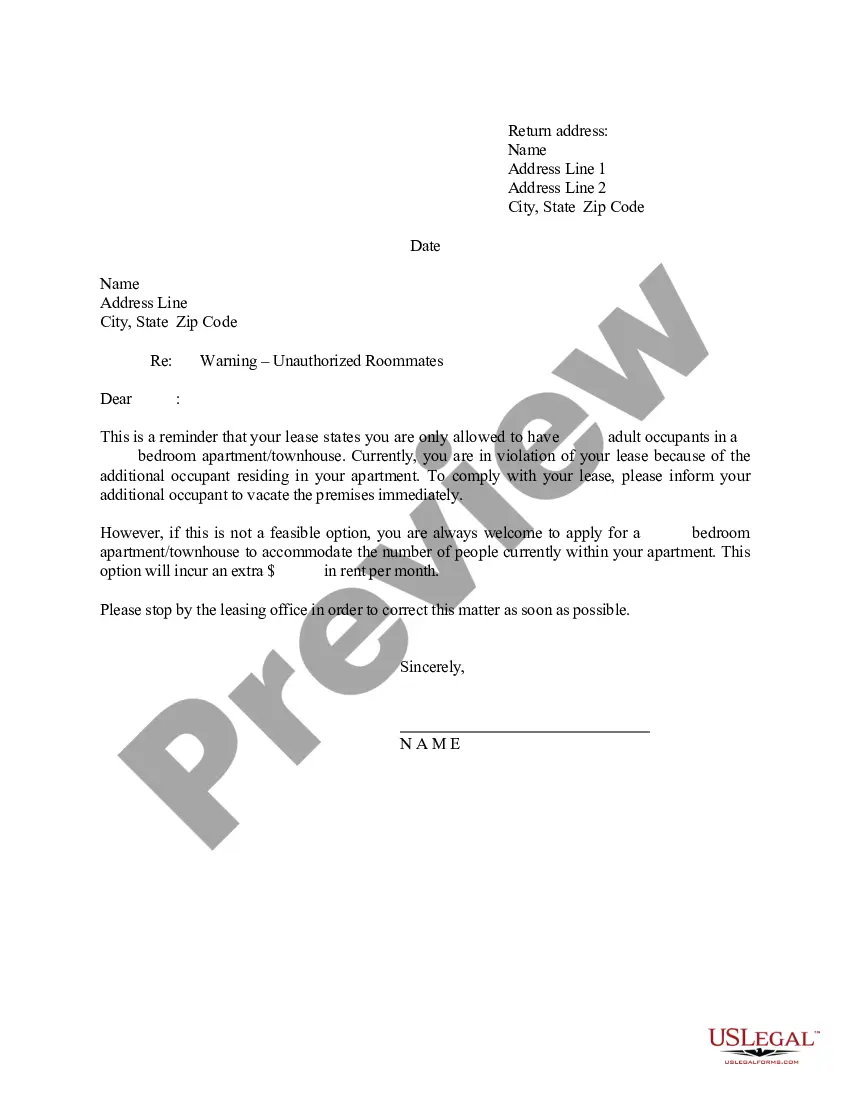
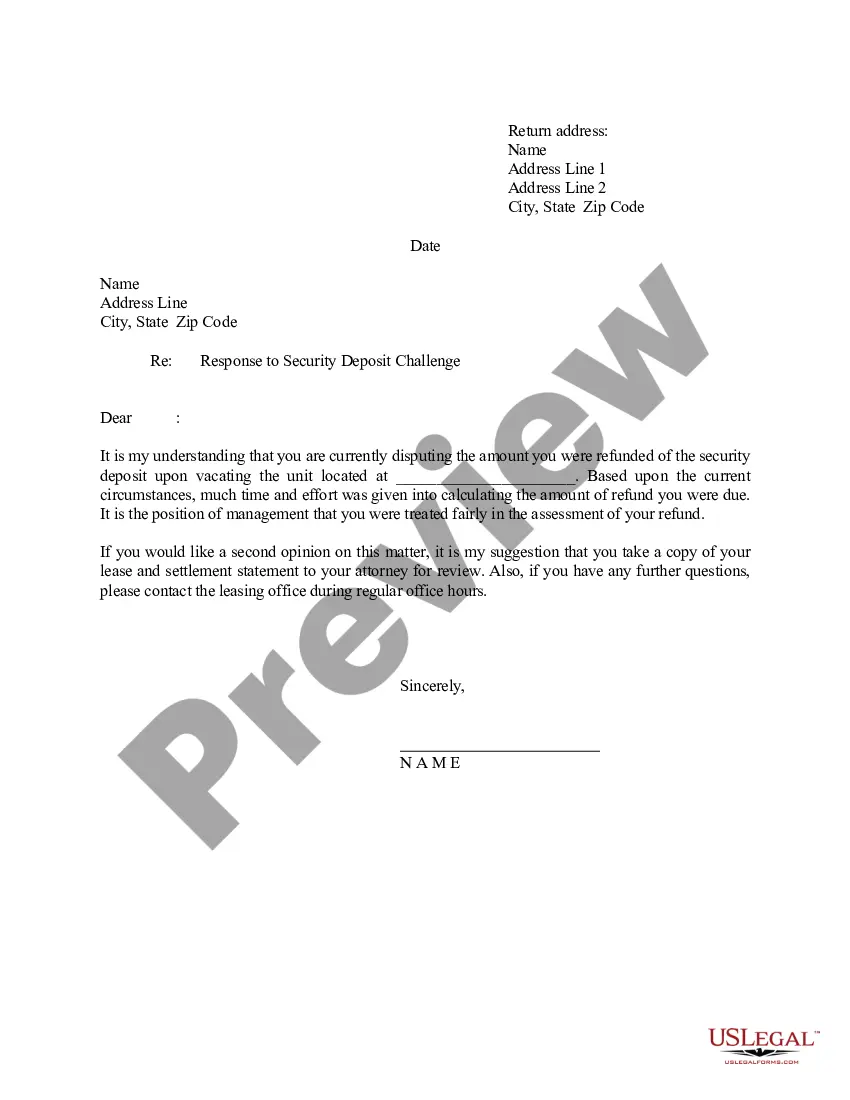
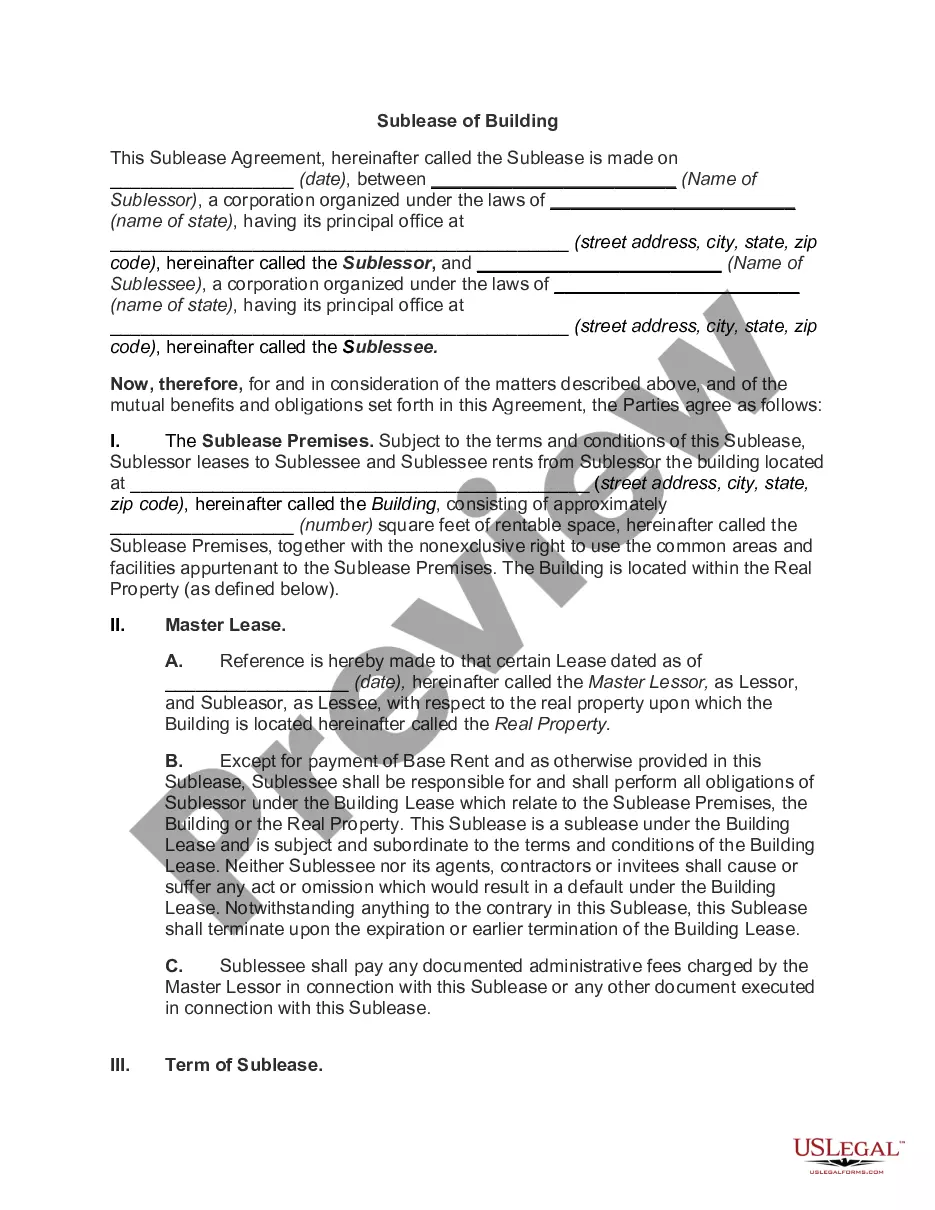
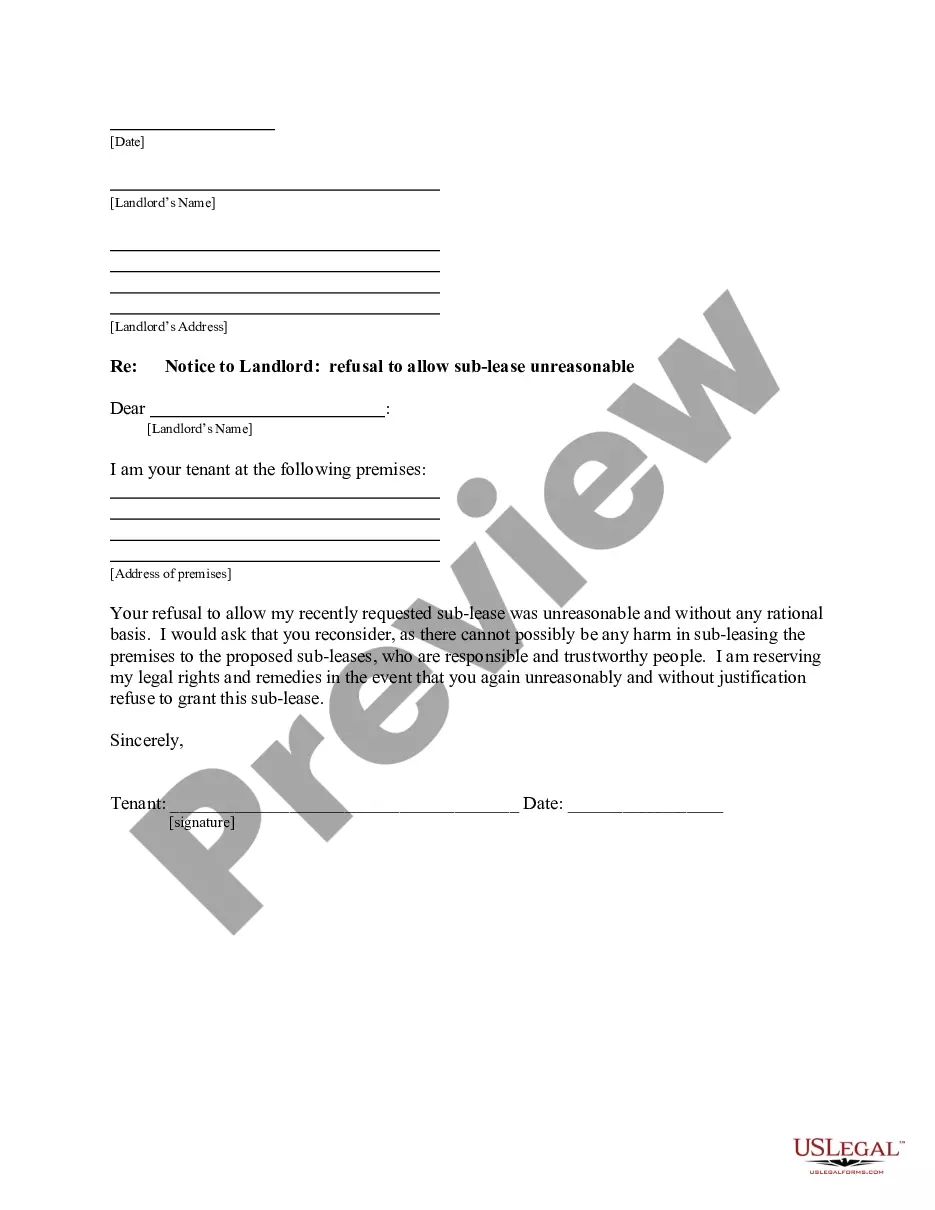
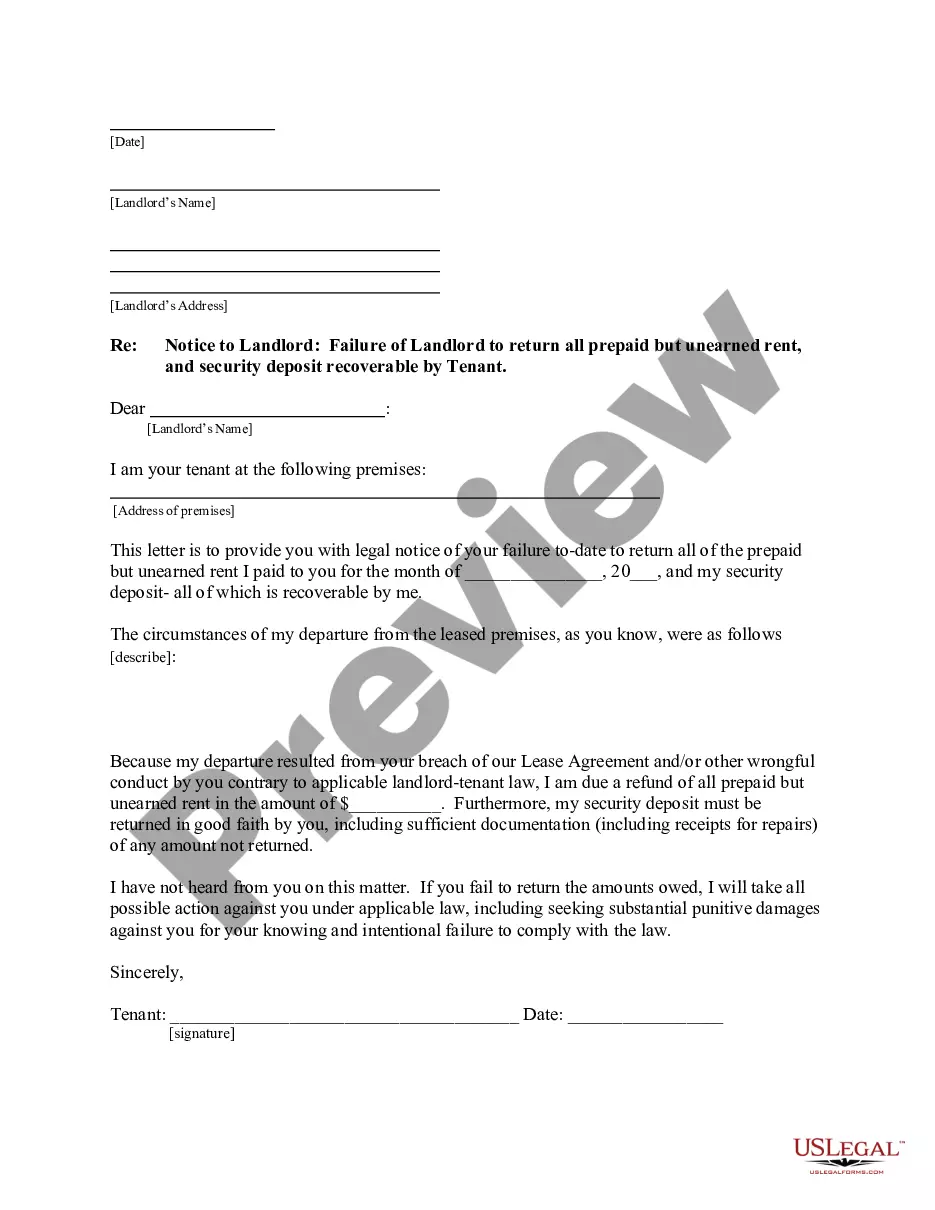
This form is a letter from a tenant to a landlord, addressing the landlord's unreasonable refusal to allow the tenant to sublease the rental property. It serves to formally notify the landlord of the tenant's intention to protect legal rights and remedies if the refusal continues. This letter helps clarify responsibilities and rights in situations involving subleasing agreements, distinguishing itself from other landlord-tenant communications by explicitly addressing sublease permissions.
What’s included in this form
- Identification of the tenant and landlord involved.
- A clear statement of the landlordâs refusal to permit the sublease.
- Notification of the tenantâs reservation of legal rights and remedies.
- Signature line for the tenant, ensuring proper acknowledgment.
- Date of the letter to establish a timeline.

Situations where this form applies
This letter should be used when a tenant has requested to sublease their apartment or house but has been met with an unreasonable refusal from the landlord. It is an appropriate step to formally communicate grievances and assert rights before resorting to further legal action. This form can be particularly useful if the tenant believes the refusal violates their rental agreement or local tenant laws.
Who can use this document
- Tenants who wish to sublease their rental property.
- Individuals facing a landlordâs unreasonable refusal to allow sublease requests.
- Tenants seeking to document communication regarding subleasing issues for potential legal recourse.
Steps to complete this form
- Identify the parties involved, including the tenant and landlord.
- Clearly state the refusal from the landlord regarding the sublease request.
- Include a reservation of rights clause to protect your interests.
- Sign and date the letter to finalize it.
- Retain a copy for your records to document the communication.
Notarization requirements for this form
This form does not typically require notarization unless specified by local law. Ensure you check your local regulations for any specific requirements regarding tenant communications and subleasing.
Get your form ready online
Our built-in tools help you complete, sign, share, and store your documents in one place.
Make edits, fill in missing information, and update formatting in US Legal Forms—just like you would in MS Word.
Download a copy, print it, send it by email, or mail it via USPS—whatever works best for your next step.
Sign and collect signatures with our SignNow integration. Send to multiple recipients, set reminders, and more. Go Premium to unlock E-Sign.
If this form requires notarization, complete it online through a secure video call—no need to meet a notary in person or wait for an appointment.
We protect your documents and personal data by following strict security and privacy standards.

Make edits, fill in missing information, and update formatting in US Legal Forms—just like you would in MS Word.

Download a copy, print it, send it by email, or mail it via USPS—whatever works best for your next step.

Sign and collect signatures with our SignNow integration. Send to multiple recipients, set reminders, and more. Go Premium to unlock E-Sign.

If this form requires notarization, complete it online through a secure video call—no need to meet a notary in person or wait for an appointment.

We protect your documents and personal data by following strict security and privacy standards.
Avoid these common issues
- Failing to date the letter, which can complicate timelines.
- Not clearly stating the reason for the sublease request.
- Omitting to reserve legal rights, which can weaken the tenant's position.
- Neglecting to keep a copy for personal records.
Advantages of online completion
- Immediate access to a professionally drafted template.
- Convenience of completion from any location.
- Editability allows for customization to fit specific situations.
- Reliability provided by licensed legal drafting.
Legal use & context
- This letter may serve as a formal documentation of the tenant's request and rationale for subleasing.
- It helps to establish a record of communication with the landlord regarding subleasing rights.
- Using this form can be an important step in protecting the tenant's rights if disputes arise.
Summary of main points
- This form is useful for tenants to assert their rights regarding subleasing a rental unit.
- Clearly documenting communication can help with future legal issues.
- Understanding local laws is crucial when dealing with subleasing matters.
Looking for another form?
Form popularity
FAQ
Put cameras everywhere (Nest Cam is a good brand), make sure you put signs "Premises secured by video surveillance" and you will be good to go. While it won't prevent the landlord from entering, it will prevent the landlord from doing anything funky, and who knows, with time even stop.
The Bottom Line: According to Colorado law, you must receive written consent from your landlord to sublet, but he cannot unreasonably refuse your request. Check your lease. If your lease does not mention or prohibit subletting then you are in the clear and free to do so.
A landlord may enter the residential premises with the tenant's consent. If the landlord obtains the consent of the tenant, a notice of entry is not required.Landlords can phone or meet with tenants to obtain consent to enter the residential premises. Consent can be given verbally or in writing.
Problems with your landlord? Call,Colorado Housing Connects at 1-844-926-6632. The Colorado Division of Housing does not enforce any housing codes nor mediate landlord/tenant disputes.
If the tenant refuses, you are permitted to send them a notice to agree or quit the property. The tenant refusing you access constitutes a breach in the lease agreement, so they could be evicted if they continue to deny access.
The landlord is not required to provide notice of entry and therefore may enter the premises for the following reasons: non-emergency maintenance and repairs, emergencies, and showings to prospective tenants. That being said, 24 hours of notice is recommended.
Tenant's Rights After Breach to Warranty of HabitabilityColorado tenants have the right to live in a rental unit that meets certain standards. These standards are known as the warranty of habitability.If the landlord does not fix the breach, the tenant can terminate the rental agreement or take the issue to court.
If you think your landlord is violating the Fair Housing Act, you can get that landlord in trouble by filing a complaint at HUD.gov. Your remedy for breach of quiet enjoyment is to terminate the lease and move or sue in small claims court.
A commonly used privacy clause allows a landlord access to the rental property at reasonable times and with reasonable notice to the tenant to make necessary repairs or reasonable inspections. Additionally, a landlord has the right to enter a rental unit without notice in emergencies.