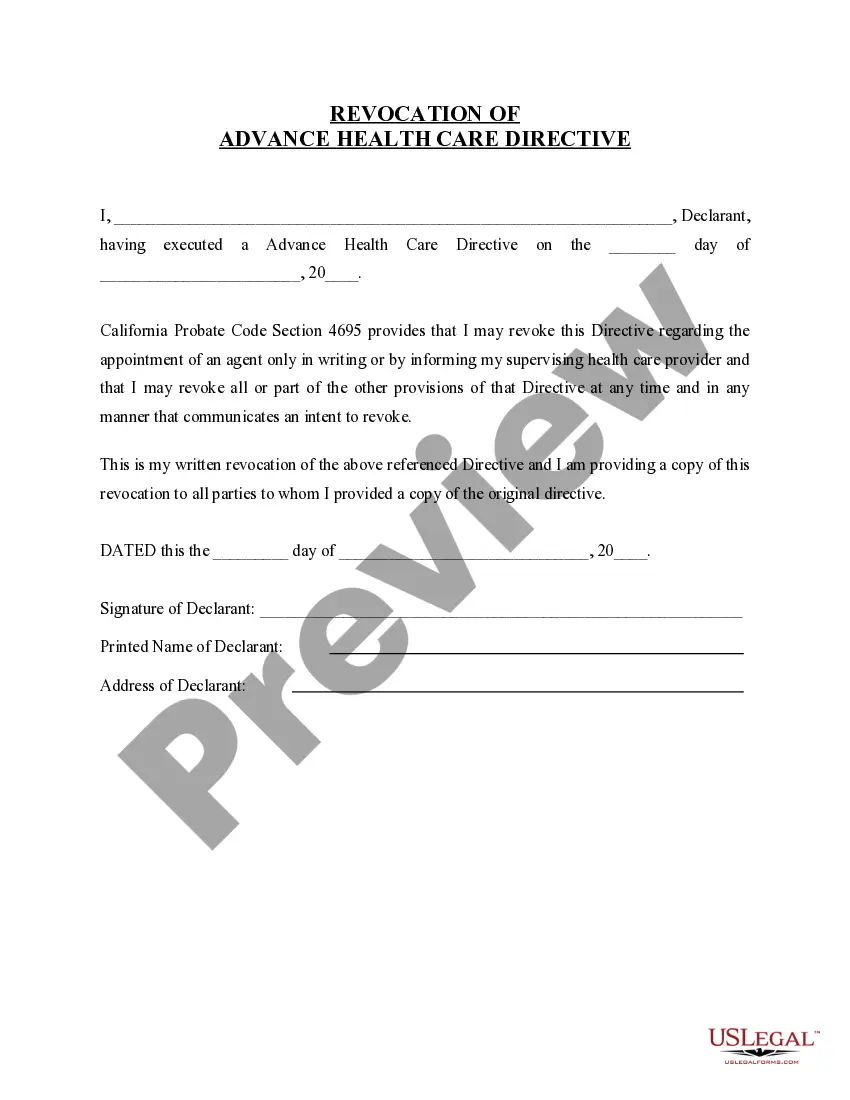
California Revocation Health Care Directive
Understanding this form
The Revocation Health Care Directive allows you to formally revoke a previously granted health care directive. A health care directive appoints an agent to make health care decisions on your behalf if you become incapacitated or wish to designate someone to make decisions for you, even if you are still able to do so. The revocation serves as a clear communication that terminates the authority granted under the original health care directive, ensuring your current wishes are respected.
Main sections of this form
- Declarant: The individual revoking the health care directive.
- Date of the original directive: The date when the health care directive was originally executed.
- Revocation statement: A clear declaration of intent to revoke the previous directive.
- Signature: The declarantâs signature to validate the revocation.
- Notification: A reminder to provide a copy of the revocation to all parties who received the original directive.
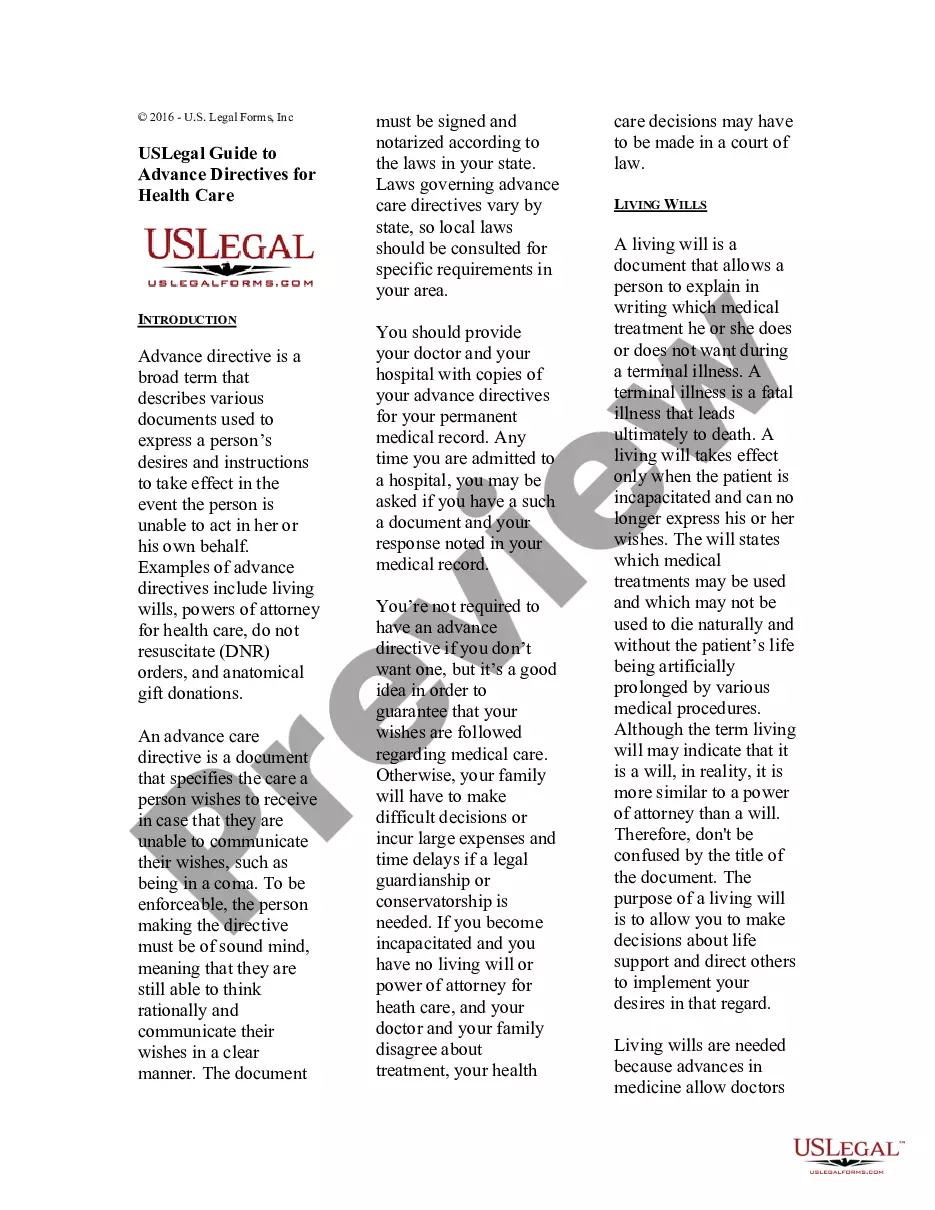
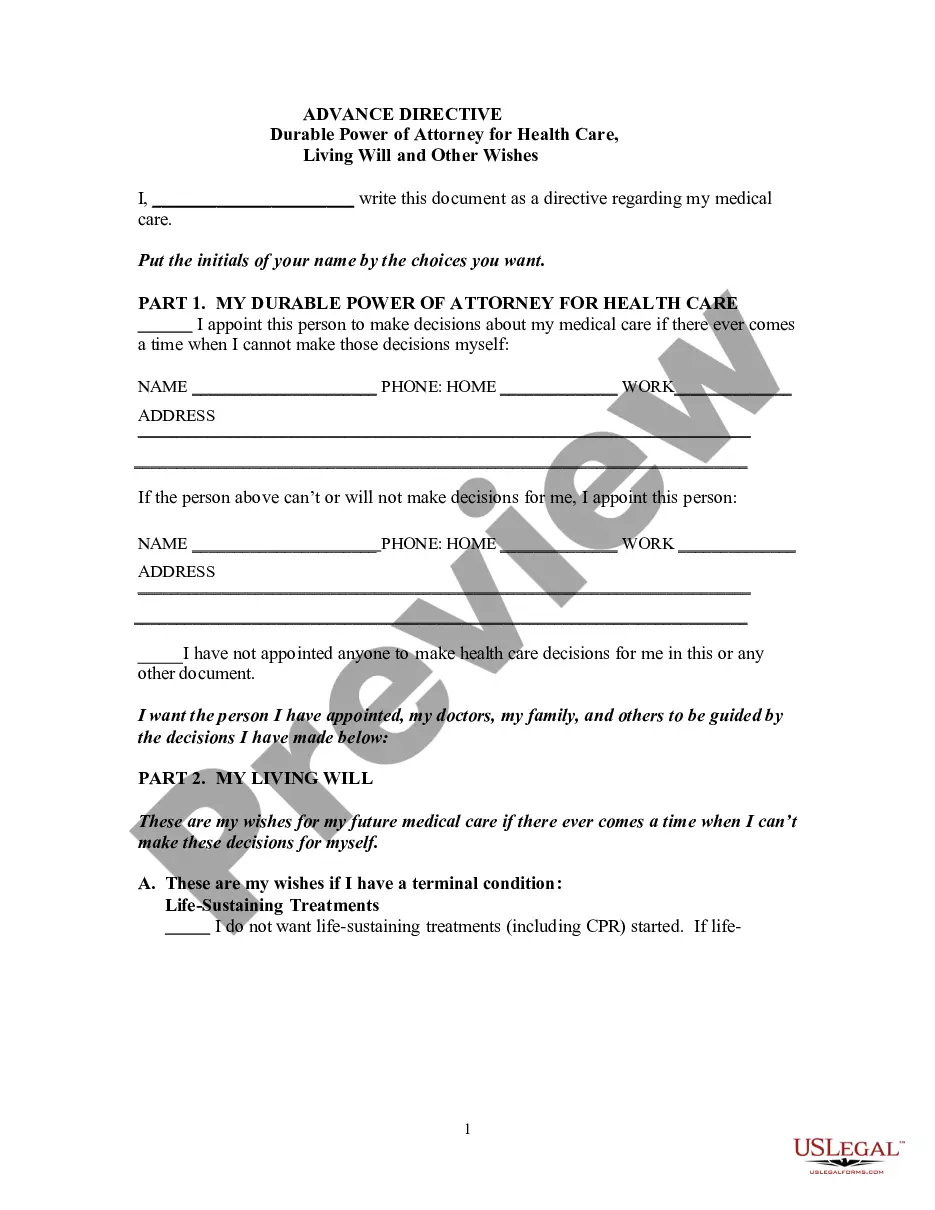
When to use this document
Use the Revocation Health Care Directive if you have previously established a health care directive but wish to change or cancel the authority granted to an agent. This may occur due to changes in your health, personal relationships, or if you want to appoint a new agent. It is crucial to ensure that your medical decisions reflect your most current wishes and that any outdated directives are no longer considered valid.
Who this form is for
- Individuals who have previously executed a health care directive.
- Those looking to change their appointed health care agent.
- People who want to ensure their current health care decisions are accurately reflected.
- Anyone wishing to revoke their existing health care directive for any reason.
Instructions for completing this form
- Identify the declarant by filling in your full name.
- Enter the date when the original health care directive was executed.
- Clearly state your intent to revoke the previous health care directive.
- Sign the document to authenticate your revocation.
- Provide copies of the revocation to all individuals who received the original directive.
Does this document require notarization?
This form does not typically require notarization unless specified by local law. However, it is recommended to consult with a legal professional to confirm any specific requirements in your jurisdiction.
Get your form ready online
Our built-in tools help you complete, sign, share, and store your documents in one place.
Make edits, fill in missing information, and update formatting in US Legal Forms—just like you would in MS Word.
Download a copy, print it, send it by email, or mail it via USPS—whatever works best for your next step.
Sign and collect signatures with our SignNow integration. Send to multiple recipients, set reminders, and more. Go Premium to unlock E-Sign.
If this form requires notarization, complete it online through a secure video call—no need to meet a notary in person or wait for an appointment.
We protect your documents and personal data by following strict security and privacy standards.

Make edits, fill in missing information, and update formatting in US Legal Forms—just like you would in MS Word.

Download a copy, print it, send it by email, or mail it via USPS—whatever works best for your next step.

Sign and collect signatures with our SignNow integration. Send to multiple recipients, set reminders, and more. Go Premium to unlock E-Sign.

If this form requires notarization, complete it online through a secure video call—no need to meet a notary in person or wait for an appointment.

We protect your documents and personal data by following strict security and privacy standards.
Typical mistakes to avoid
- Failing to sign the revocation, which renders it invalid.
- Not distributing copies of the revocation to all relevant parties.
- Leaving out the date of the original directive, which can create confusion.
Advantages of online completion
- Instant access to legal forms that can be completed at your convenience.
- Editable templates that allow you to customize the revocation to suit your specific needs.
- Reliable content drafted by licensed attorneys to ensure legal validity.
Key takeaways
- The Revocation Health Care Directive allows you to cancel a previously appointed health care agent.
- It's important to notify all parties involved in your original directive about the revocation.
- Always ensure that you have properly completed and signed the form to avoid complications.
Looking for another form?
Form popularity
FAQ
Typically, a family member cannot override a patient's specific wishes expressed in an advance directive, including a California Revocation Health Care Directive. These documents are legally binding and should reflect your clear intentions regarding healthcare. However, family disagreement can lead to challenges if there’s a perceived discrepancy in interpretive intent. To ensure your desires are respected, it’s wise to discuss your advance directive openly with family members and healthcare providers.
A violation of an advance directive occurs when a healthcare provider or family member ignores or fails to follow the stated wishes in your California Revocation Health Care Directive. This might include providing treatments that you declined or neglecting prescribed palliative care. Recognizing your rights is essential, as these violations can lead to unnecessary suffering. To safeguard your wishes, consider consulting legal resources to understand how to enforce your directive.
No, an advance directive is designed to preserve your healthcare decisions. Once created, a California Revocation Health Care Directive holds legal weight, assuming it is valid and clear. However, there may be exceptional cases during emergencies where medical professionals act based on perceived wishes if the directive is not available. Nonetheless, you should routinely review and communicate your wishes to avoid misunderstandings.
In general, a family member cannot override a living will, which includes decisions made under a California Revocation Health Care Directive. Living wills clearly outline your medical preferences, reflecting your wishes. However, under certain circumstances, family members may influence decisions if they can demonstrate that your situation has changed or if your directives are ambiguous. It's crucial to ensure your document is well-articulated to minimize confusion.
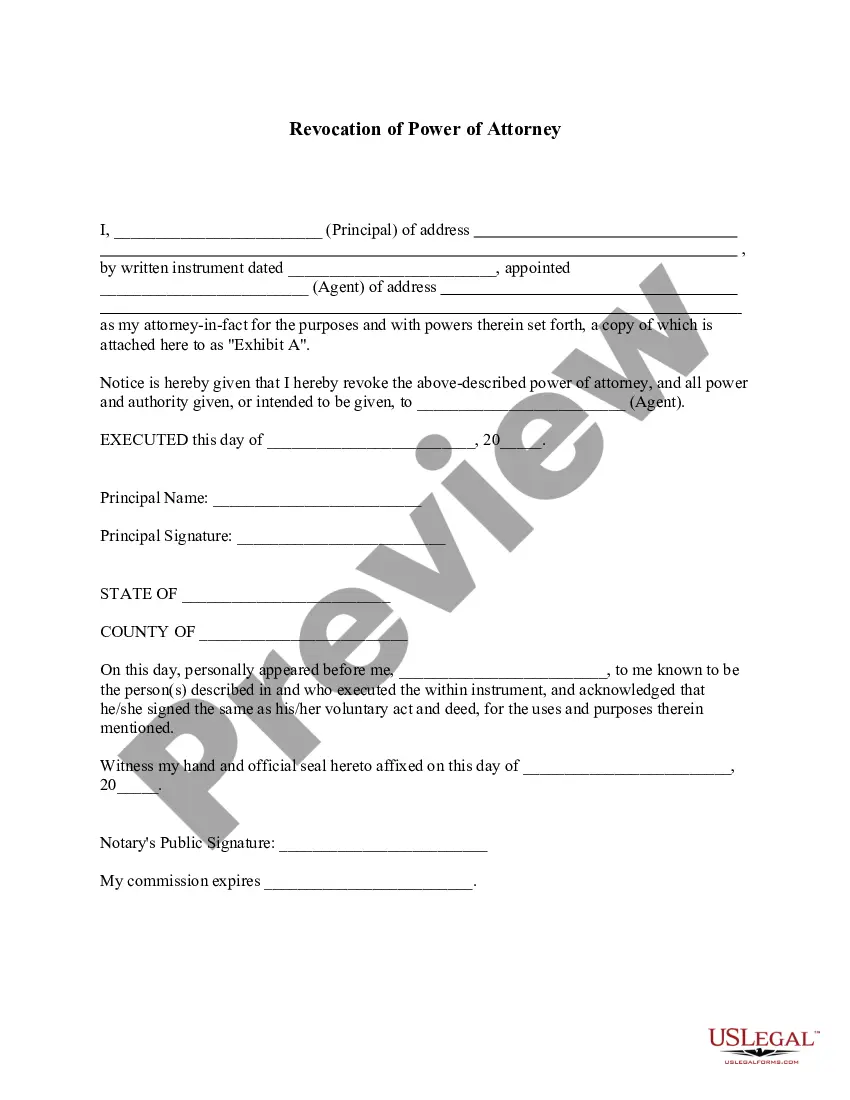
The law for advance directives in California allows individuals to express their healthcare preferences in advance. This includes appointing an agent to make decisions and specifying medical treatment preferences. California law also outlines the requirements for creating and revoking these directives, ensuring they are legally binding. To navigate this landscape effectively, you might find resources like USLegalForms beneficial for drafting a comprehensive California Revocation Health Care Directive.
Yes, a power of attorney can override an advance healthcare directive in California. If you have designated someone as your agent through a power of attorney, they can make health care decisions on your behalf, which may contradict your advance directive. However, this depends on the specific instructions within both documents. It is essential to ensure that your California Revocation Health Care Directive aligns with your power of attorney's powers to avoid conflicts.
To revoke an advance healthcare directive in California, you must take clear action. You can either create a written revocation that states your intention or physically destroy the original document. Additionally, informing your healthcare providers and anyone who has a copy of the directive is crucial. This ensures that everyone is aware of your updated wishes regarding your California Revocation Health Care Directive.
Yes, you can override an advance directive, as long as you do so while you still have the mental capacity to make healthcare decisions. This may include creating a new directive that displays your current wishes or writing a revocation statement. It is essential to communicate these changes clearly to your healthcare team and loved ones to guarantee that your latest wishes are respected.
In California, an advance healthcare directive, including the California Revocation Health Care Directive, does not need to be notarized to be valid. However, it must be signed by you and witnessed by at least one person. To ensure clarity and legal compliance, many individuals still choose to have their directives notarized, although it is not a strict requirement.
An advanced directive becomes invalid under certain conditions, such as if you revoke it or if you create a new directive that contradicts the previous one. Additionally, if a court determines that you no longer have the capacity to make decisions, this may invalidate your directive as well. Staying informed and regularly reviewing your healthcare wishes helps keep your directives valid and reflective of your current intentions.