California Notice of Dishonored Check - Civil - Only for Stopped Payment - Keywords: bad check, bounced check
What is this form?
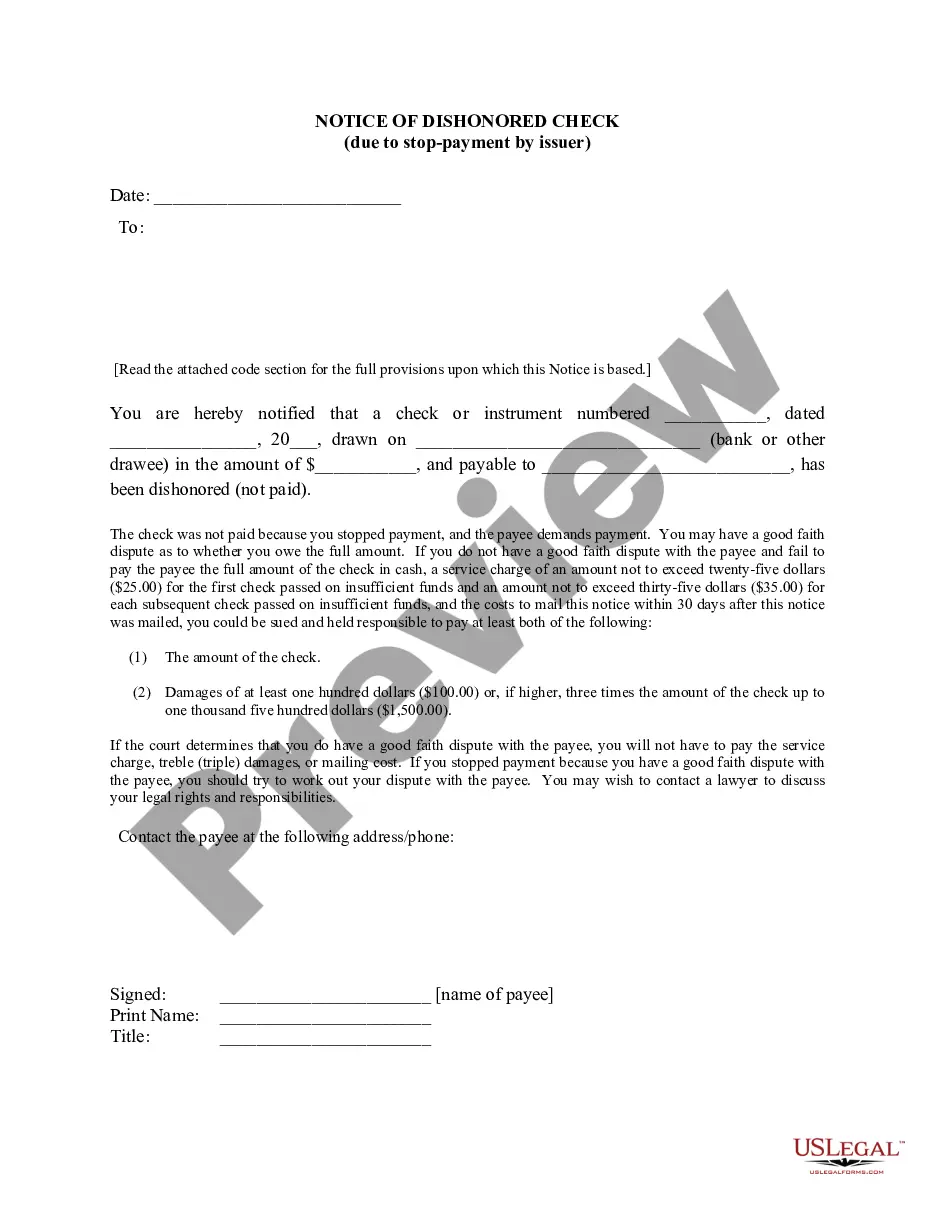
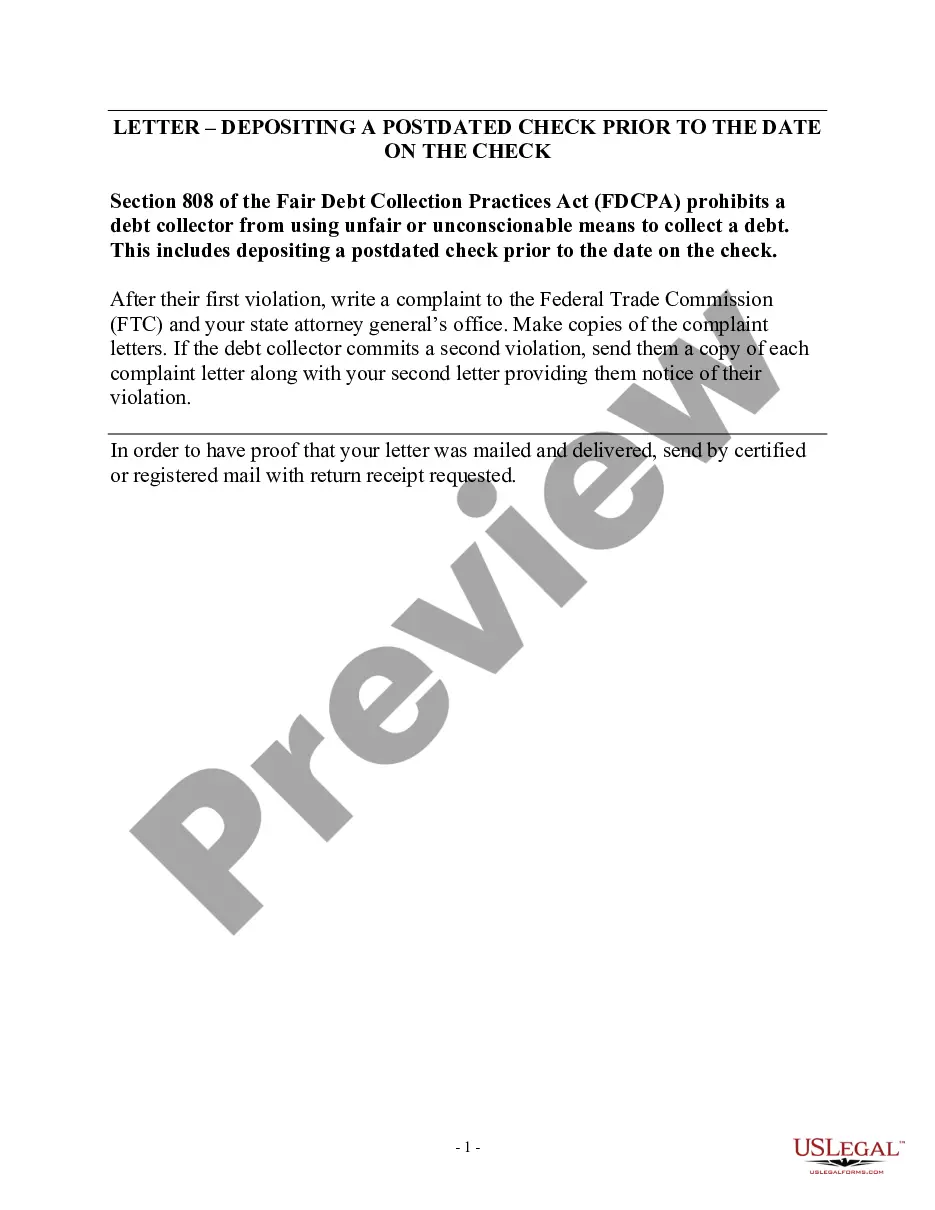
The Notice of Dishonored Check is a legal document used to notify an individual that a check they issued has been dishonored, commonly referred to as a bounced or bad check. This form serves to formally demand payment from the check issuer and is an important step in the recovery process. It is vital for businesses or individuals who receive a dishonored check to use this form as it outlines the consequences of failing to make payment and sets the stage for potential legal action if necessary.
Form components explained
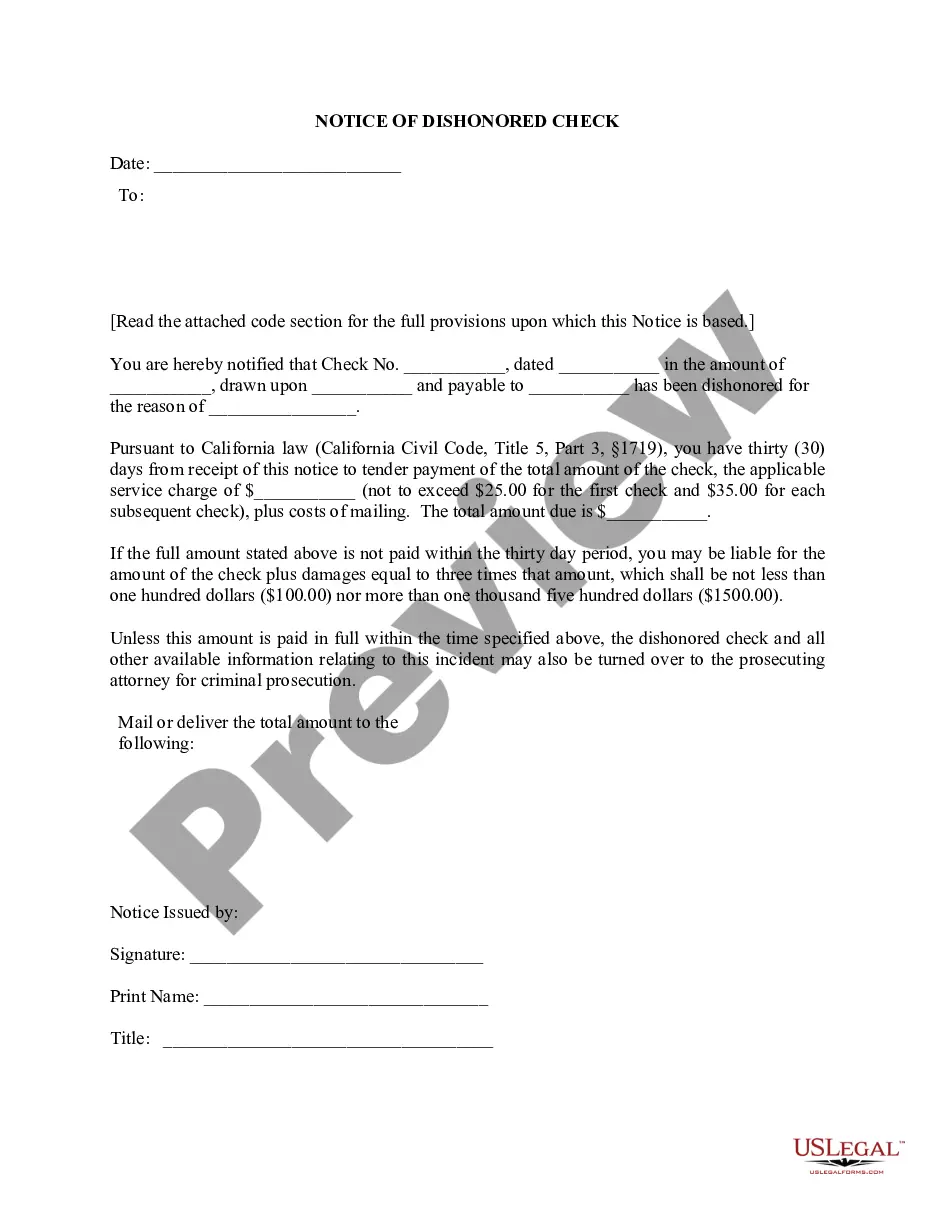
- Details of the dishonored check, including check number, date, amount, and payee.
- A declaration that the check was dishonored due to a stopped payment.
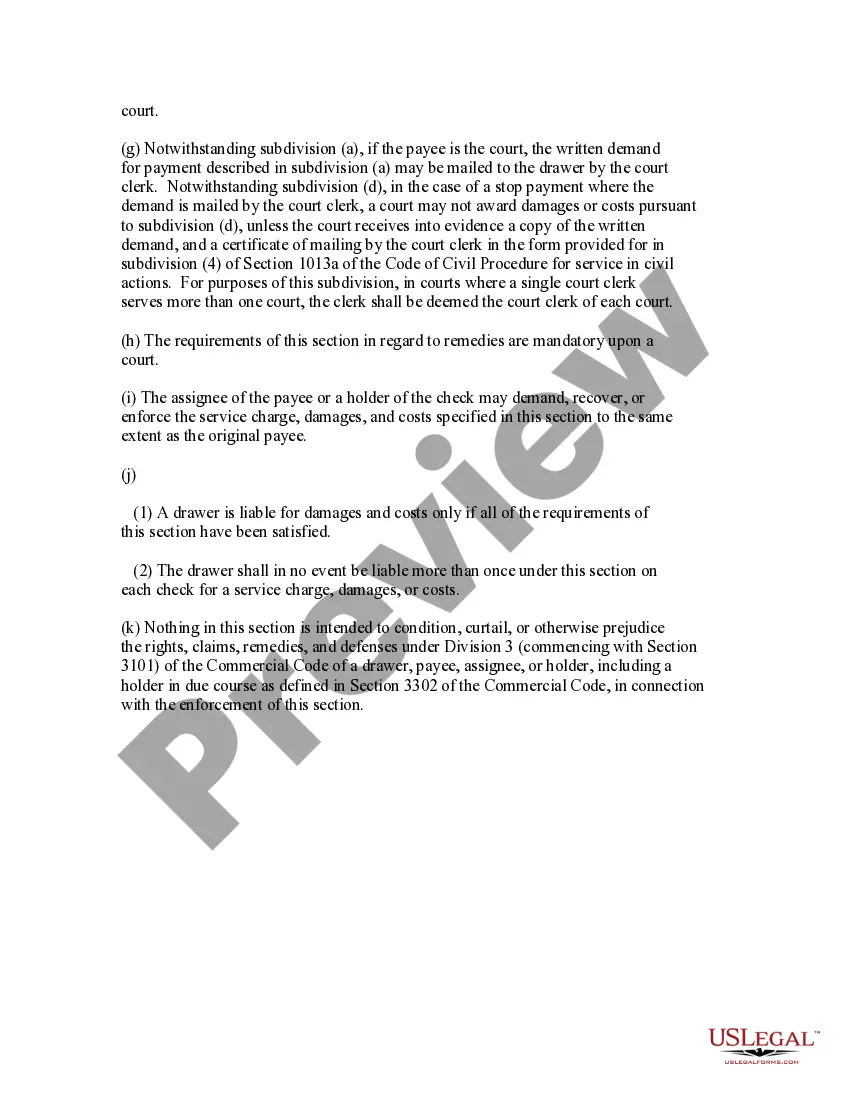
- Information about potential service charges and damages if payment is not made.
- A clear statement regarding the timeframe in which the debtor must respond to avoid further legal consequences.
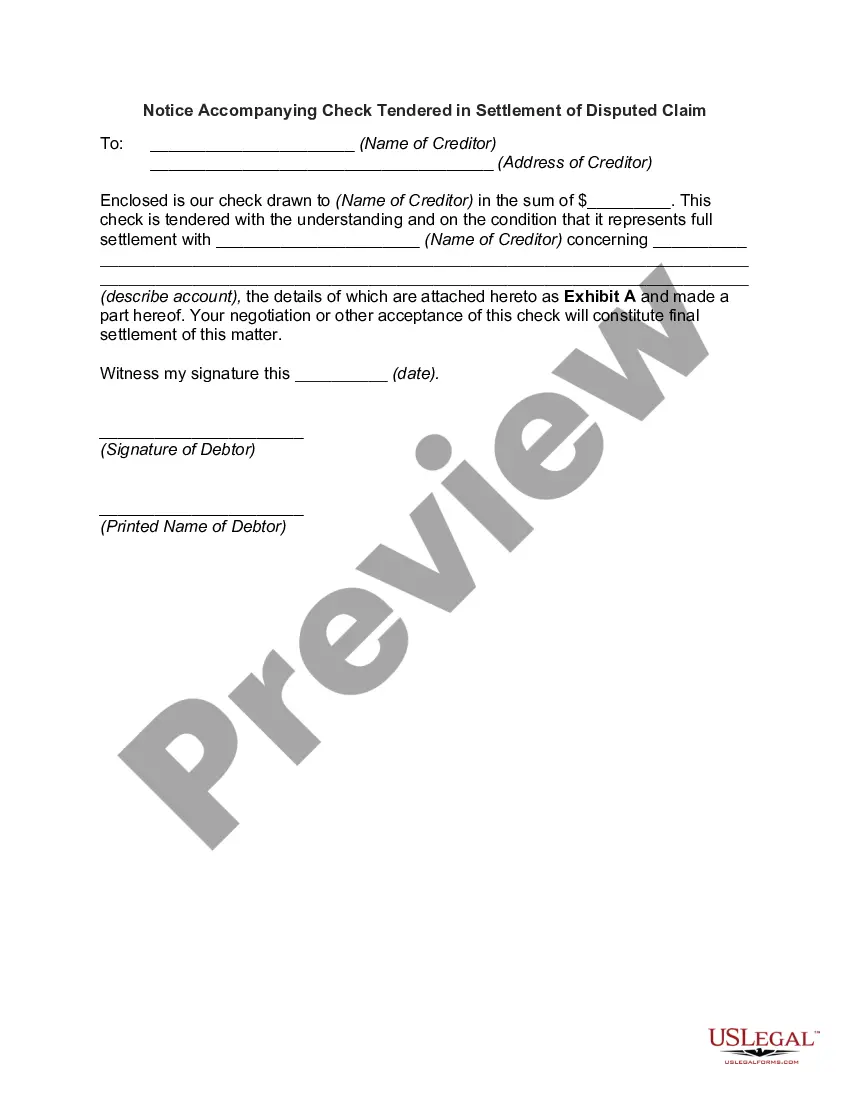
- Provisions regarding possible defenses for the debtor in the case of a good faith dispute.

When to use this document
This form should be used by individuals or businesses that have received a check that has been returned unpaid, specifically when the issuer has stopped payment on the check. It is essential in situations where there is no good faith dispute regarding the payment, allowing the payee to demand the owed amount while making the check issuer aware of potential legal ramifications for non-payment. Using this form is crucial for initiating collection efforts before considering legal action.
Who should use this form
- Business owners or individuals who accept checks as payment.
- Payees who have received a bounced check and wish to collect the owed amount.
- Anyone looking to formally notify a check issuer about a dishonored check for accountability and potential recovery of funds.
Completing this form step by step
- Enter the check number, date, and amount of the dishonored check.
- Specify the name of the bank or financial institution where the check was drawn.
- Fill in the name of the individual or business to whom the check was payable.
- Clearly state that the check was not honored due to a stop payment order.
- Include information about the potential service charges and damages associated with the dishonored check.
- Sign and date the notice to formally complete the document.
Notarization requirements for this form
This form does not typically require notarization unless specified by local law. However, verifying local regulations is recommended to ensure compliance.
Get your form ready online
Our built-in tools help you complete, sign, share, and store your documents in one place.
Make edits, fill in missing information, and update formatting in US Legal Forms—just like you would in MS Word.
Download a copy, print it, send it by email, or mail it via USPS—whatever works best for your next step.
Sign and collect signatures with our SignNow integration. Send to multiple recipients, set reminders, and more. Go Premium to unlock E-Sign.
If this form requires notarization, complete it online through a secure video call—no need to meet a notary in person or wait for an appointment.
We protect your documents and personal data by following strict security and privacy standards.

Make edits, fill in missing information, and update formatting in US Legal Forms—just like you would in MS Word.

Download a copy, print it, send it by email, or mail it via USPS—whatever works best for your next step.

Sign and collect signatures with our SignNow integration. Send to multiple recipients, set reminders, and more. Go Premium to unlock E-Sign.

If this form requires notarization, complete it online through a secure video call—no need to meet a notary in person or wait for an appointment.

We protect your documents and personal data by following strict security and privacy standards.
Common mistakes to avoid
- Failing to include all necessary details of the dishonored check, such as the amount and check number.
- Not sending the notice within the required timeframe after the check was dishonored.
- Neglecting to clarify that the check was dishonored due to a stopped payment, leaving ambiguity.
- Overlooking the inclusion of potential service charges and damages in the notice.
- Not specifying the response timeframe for the debtor to settle the amount owed.
Benefits of using this form online
- Convenience of downloading and completing the form from anywhere.
- Editable fields allow you to customize the notice to your specific situation.
- Access to attorney-drafted templates ensures that the content is legally sound.
- Time-saving as it eliminates the need to create a notice from scratch.
Legal use & context
- Using this notice provides formal documentation of the dishonored payment, which may be needed for legal proceedings.
- Submitting a Notice of Dishonored Check can help strengthen a case for the recovery of funds in small claims court.
- The potential for legal damages emphasizes the importance of notifying the check issuer in writing.
Key takeaways
- The Notice of Dishonored Check is essential for recovering funds from bounced checks.
- Clear documentation can facilitate payment or prevent legal complications.
- Understanding state-specific rules is crucial for effective use of this form.
Looking for another form?

Form popularity
FAQ
Yes, you can sue someone for stopping payment on a check if it was done without a valid reason, especially if a legitimate debt is involved. Legal action can help recover the amount owed and enforce accountability. Consulting resources related to a California Notice of Dishonored Check can provide clarity on your legal options.
A cancelled check serves as evidence of payment and can be used for bookkeeping, tax purposes, or proof of a transaction in the event of a dispute. It confirms that funds have moved from one account to another, which may be useful when dealing with issues concerning a California Notice of Dishonored Check.
If a customer stops payment on a check, it's important to first communicate with them to understand their reasons. You may also need to consult legal guidance if the situation escalates or if it involves a California Notice of Dishonored Check. Acting promptly can help minimize damage and seek a resolution.
A check becomes dishonored primarily due to insufficient funds in the account, but it can also be dishonored if the signature does not match or if it is post-dated. Such situations can lead to bounced checks, which may affect not just financial standing but also legal relationships. Knowing how checks can be dishonored is important when dealing with a California Notice of Dishonored Check.
A canceled check has been processed and indicates that the payment was successful, while a dishonored check signifies that the bank would not process the payment. A canceled check acts as proof of a completed transaction, while a dishonored check can result in legal implications, including a California Notice of Dishonored Check.
Stopping payment on a check can be considered a crime if it is done with malicious intent or for fraudulent purposes. If you stop payment on a check simply to evade a legitimate debt, you may face legal consequences. Thus, understanding the laws surrounding this matter is essential when contemplating a California Notice of Dishonored Check.
A check is dishonored when the bank refuses to process it due to insufficient funds or other issues, resulting in what is often referred to as a bounced check. This can create significant problems for both the payer and the payee, especially when dealing with legal matters such as a California Notice of Dishonored Check.
Yes, it is legal to stop payment on a check, provided you have a valid reason, like a dispute over goods or services. However, if you stop payment without a just cause, it can be considered fraudulent and may lead to legal troubles. To avoid complications, it’s wise to understand how this relates to a California Notice of Dishonored Check.
Stopping payment on a check can lead to various consequences, including potential fees from your bank and a negative impact on your relationship with the payee. It may also lead to the payee taking legal action against you, especially if the check was for a significant amount. Ultimately, knowing the repercussions can help you navigate situations involving a California Notice of Dishonored Check more effectively.
A cancelled check refers to a check that has been processed and marked by the bank, indicating that the funds have been withdrawn from the account. Essentially, it serves as proof of payment, showing that the transaction occurred. Understanding the implications of a cancelled check can be crucial when dealing with issues related to a California Notice of Dishonored Check.