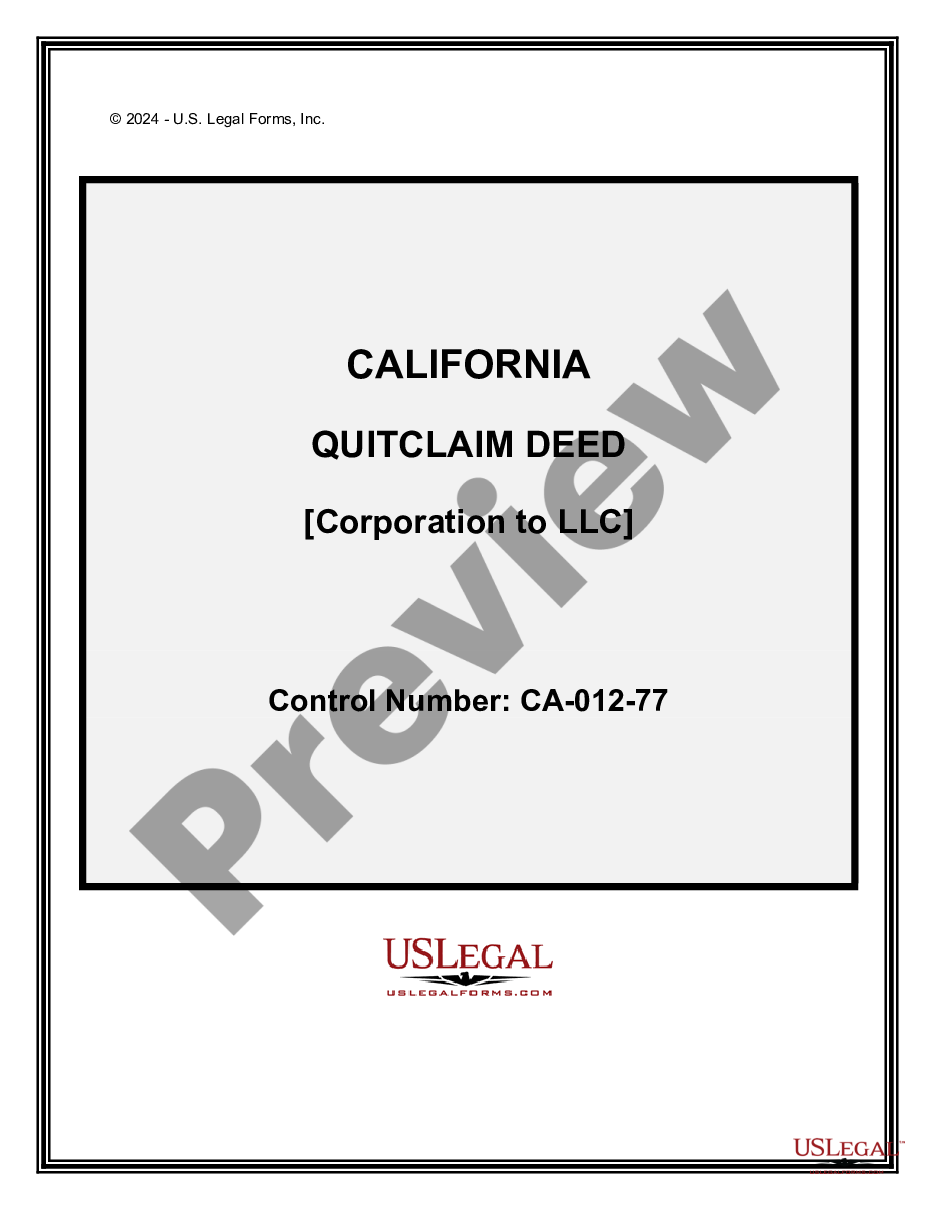
California Quitclaim Deed from Corporation to LLC
About this form
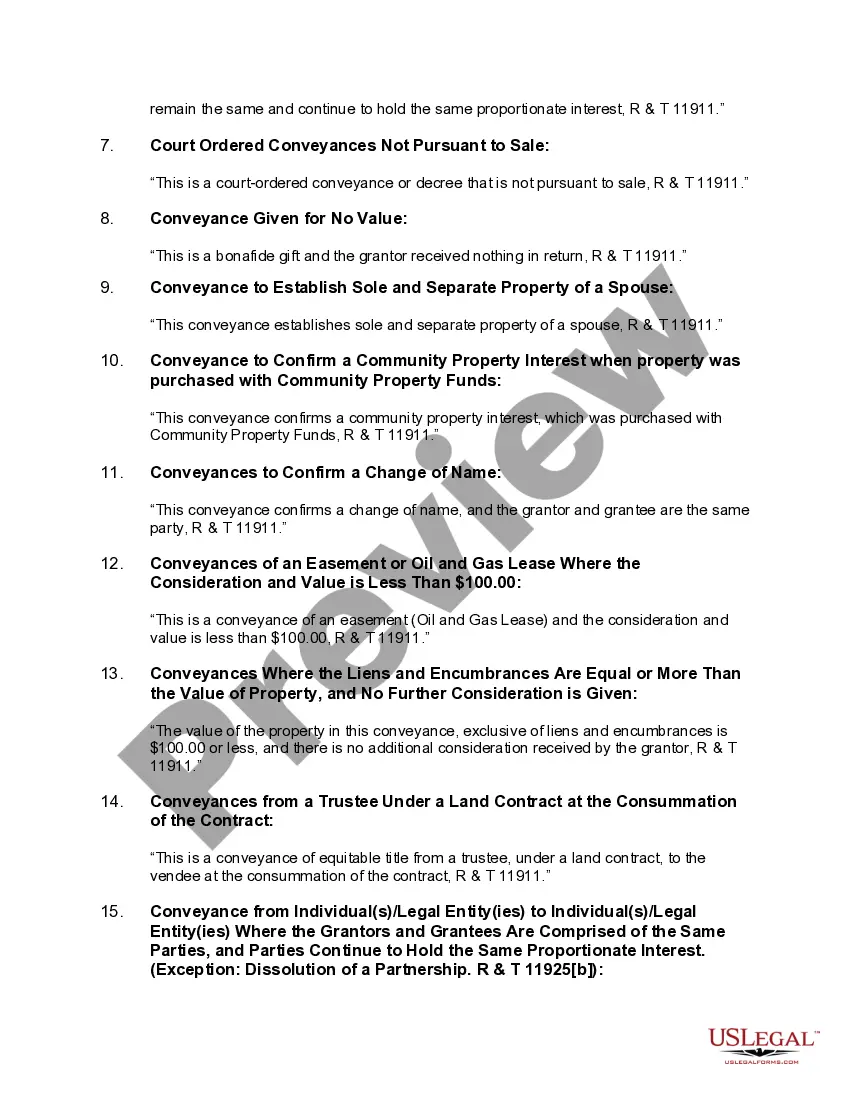
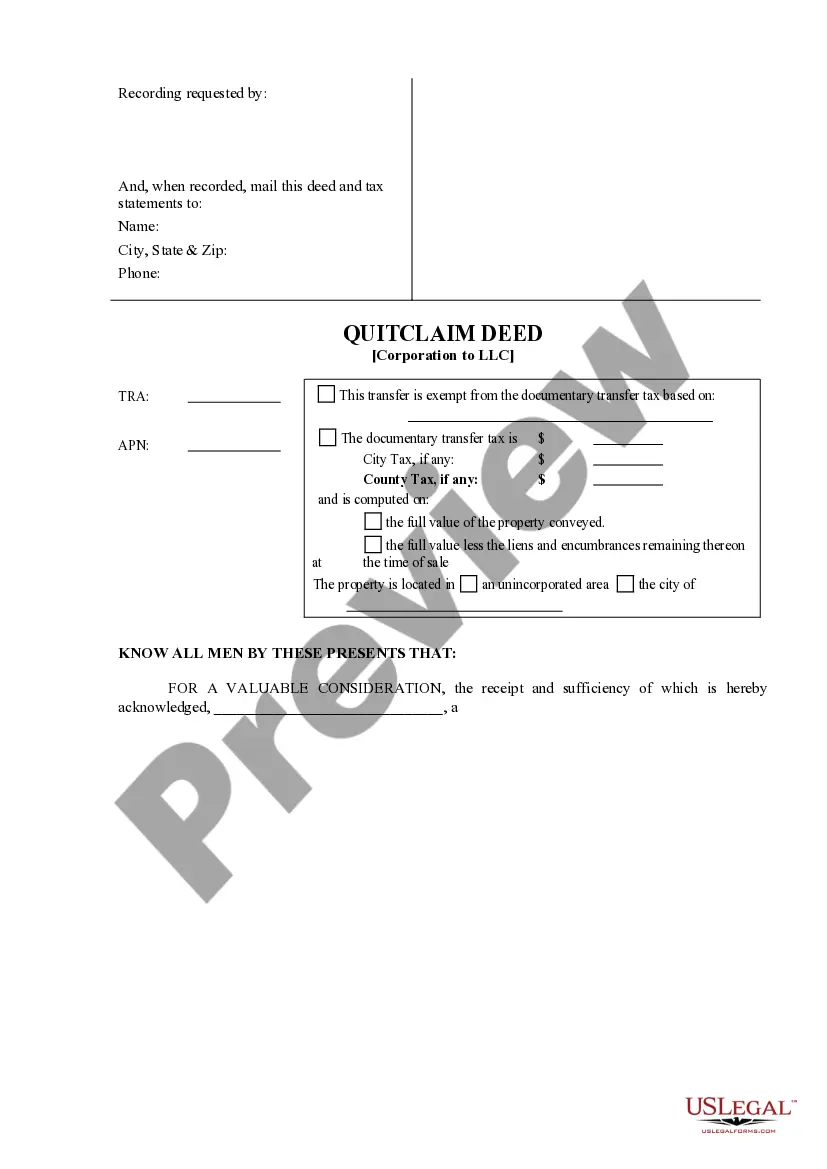
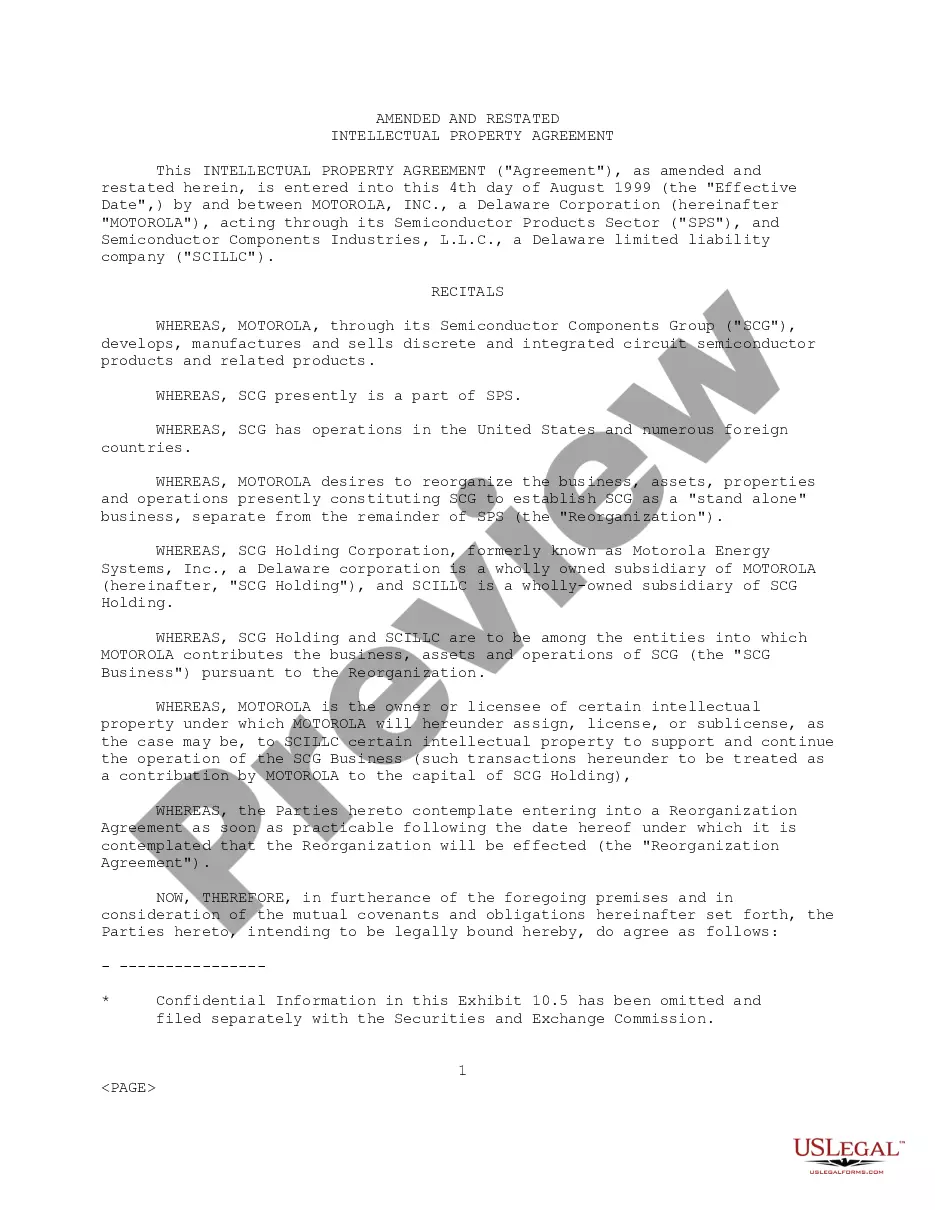
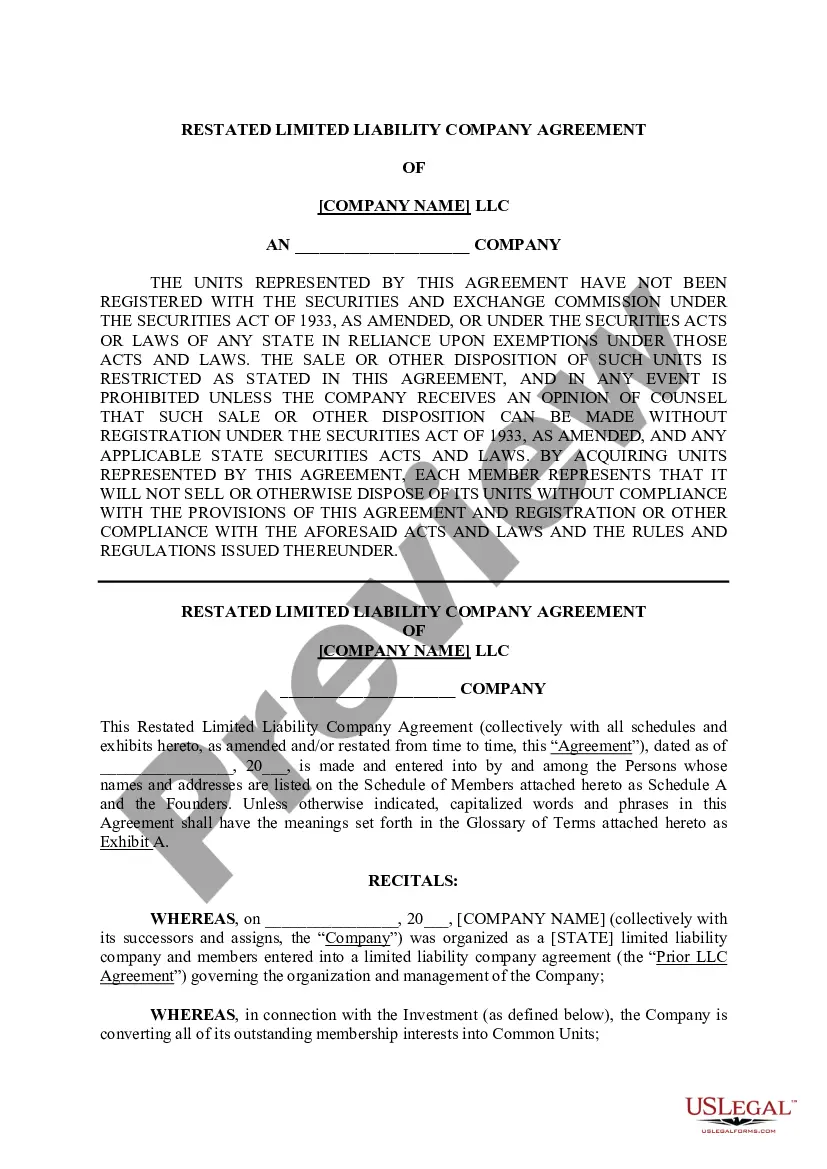
The Quitclaim Deed from Corporation to LLC is a legal document used when a corporation transfers property ownership to a limited liability company (LLC). This deed relinquishes any claim the corporation has over the property without making any guarantees about the title. It is distinct from other types of deeds, such as warranty deeds, which offer assurances regarding the titleâs validity. The Quitclaim Deed is straightforward and primarily serves to clarify ownership in property transactions.
Form components explained
- The names and addresses of the Grantor (corporation) and Grantee (LLC).
- A description of the property being transferred.
- A statement on the reservation of oil, gas, and minerals by the Grantor.
- Signatures from authorized representatives of the Grantor and a witness, if required by state law.
- Spaces for dates and recording information.


When to use this document
This form is used when a corporation wishes to transfer its rights to a specific piece of real estate to an LLC. Scenarios include reorganizing business structures, simplifying property management, or facilitating an existing business transaction between the entities involved. It's important to clarify ownership to avoid future disputes over property rights.
Who should use this form
This form is intended for:
- Corporations wishing to transfer property to their affiliated LLCs.
- LLCs that are acquiring property from a corporation.
- Real estate professionals managing property transfers between business entities.
- Legal representatives advising companies on property transactions.
Instructions for completing this form
- Identify and enter the names and addresses of the Grantor and Grantee.
- Provide the complete legal description of the property being conveyed.
- Specify any reservations or exceptions, such as oil, gas, and mineral rights.
- Have the authorized representative of the corporation sign the deed.
- Include the date of transfer and any necessary recording information.
Is notarization required?
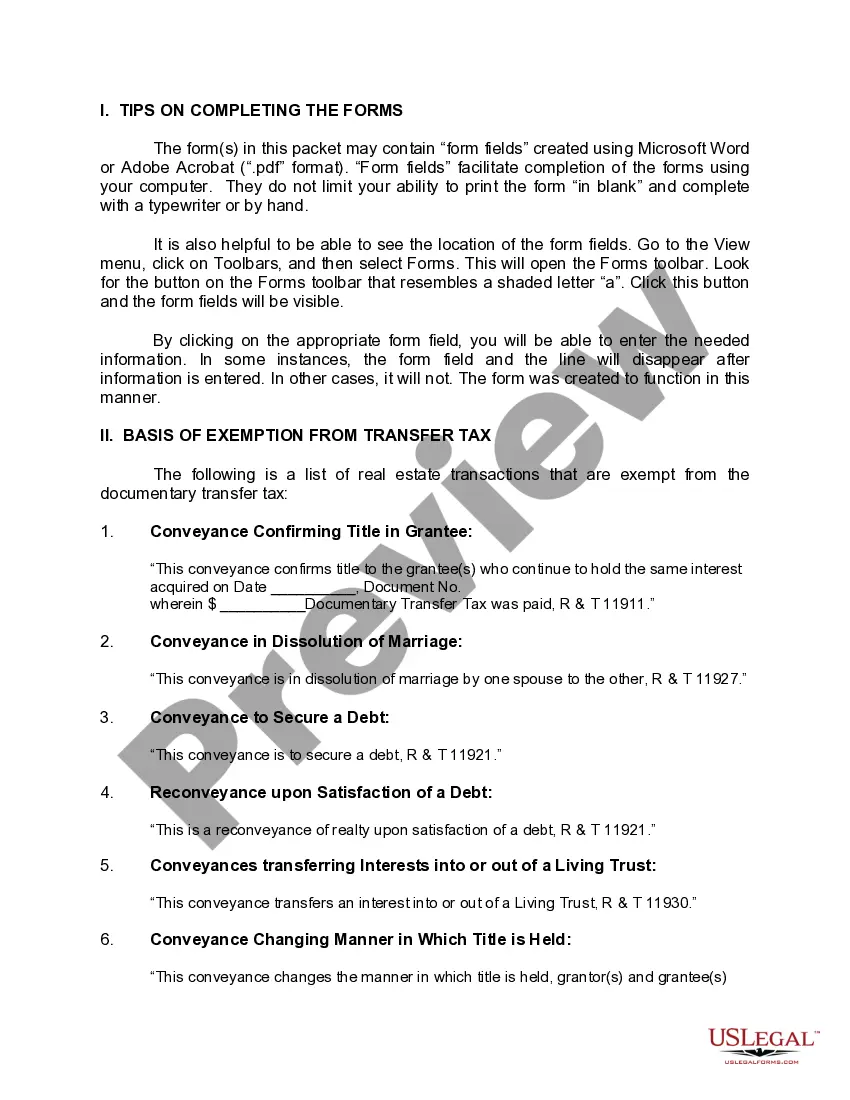
This form does not typically require notarization unless specified by local law. However, some counties may require the deed to be notarized to record it, so be sure to check your stateâs specific regulations.
Get your form ready online
Our built-in tools help you complete, sign, share, and store your documents in one place.
Make edits, fill in missing information, and update formatting in US Legal Forms—just like you would in MS Word.
Download a copy, print it, send it by email, or mail it via USPS—whatever works best for your next step.
Sign and collect signatures with our SignNow integration. Send to multiple recipients, set reminders, and more. Go Premium to unlock E-Sign.
If this form requires notarization, complete it online through a secure video call—no need to meet a notary in person or wait for an appointment.
We protect your documents and personal data by following strict security and privacy standards.

Make edits, fill in missing information, and update formatting in US Legal Forms—just like you would in MS Word.

Download a copy, print it, send it by email, or mail it via USPS—whatever works best for your next step.

Sign and collect signatures with our SignNow integration. Send to multiple recipients, set reminders, and more. Go Premium to unlock E-Sign.

If this form requires notarization, complete it online through a secure video call—no need to meet a notary in person or wait for an appointment.

We protect your documents and personal data by following strict security and privacy standards.
Common mistakes
- Failing to include a complete legal description of the property.
- Not having the deed signed by an authorized representative of the corporation.
- Omitting any reservations about the property, which can lead to disputes.
- Not checking local requirements for notarization and recording.
Advantages of online completion
- Convenience of downloading and completing the form at your own pace.
- Editable templates that allow for easy personalization of details.
- Reliable, attorney-drafted documents that comply with state laws.
- Quick access to the forms without the need for a physical visit to a legal office.
- The quitclaim deed is generally enforceable as long as it is filled out correctly and signed.
- This form does not guarantee clear title, meaning that the Grantee may be exposed to claims against the property.
- It is advisable to conduct a title search before accepting a quitclaim deed to understand any potential risks.
What to keep in mind
- The Quitclaim Deed from Corporation to LLC is a straightforward way to transfer property without warranties.
- It is most suitable for internal business transactions where title history is not a primary concern.
- Users must be cautious and ensure proper execution and compliance with state laws.
Looking for another form?
Form popularity
FAQ
When you transfer property to an LLC in California, it's important to consider the tax implications. Generally, transferring property using a California Quitclaim Deed from Corporation to LLC may trigger reassessment under Proposition 13, which could lead to an increase in property taxes. Additionally, any gains from the transfer may be subject to capital gains tax. To navigate these complexities, you may want to consult a tax professional or use platforms like UsLegalForms to ensure a smooth process.
Yes, a title company can facilitate a quitclaim deed process. They can help prepare and review the quitclaim deed, ensuring that all necessary information is included. Moreover, they often offer additional services, such as title searches, to confirm the property's status. Choosing a title company for your California Quitclaim Deed from Corporation to LLC can simplify the process and provide peace of mind.
A quitclaim deed is most commonly used to transfer property between family members or in divorce settlements where both parties agree on the transfer. This deed allows individuals to relinquish their claim to a property without guaranteeing any rights over the title. In instances of transferring a property via a California Quitclaim Deed from Corporation to LLC, it facilitates a straightforward change of ownership, making it an effective tool for quick transfers.
In property matters, the title is often viewed as more important than the deed. The title is the legal right to own and use the property, while the deed is the document that formally conveys ownership. When using a California Quitclaim Deed from Corporation to LLC, understand that while the deed can transfer interest, it does not guarantee clear title. Therefore, verify the title before proceeding with any transfer.
To transfer property from a trust to an LLC, start by reviewing the trust documents for any specific provisions regarding transfers. You’ll need to complete a quitclaim deed or a similar form to legally transfer the property. Once filled out, sign the deed in front of a notary and file it with the local county recorder's office. By following these steps, you can efficiently execute a California Quitclaim Deed from Corporation to LLC.
The strongest form of deed is typically the warranty deed. This type of deed offers the highest level of protection for the buyer, as it guarantees that the seller holds clear title to the property. In comparison, a California Quitclaim Deed from Corporation to LLC provides no guarantees about the title, which means it only transfers interest without warranties. Therefore, while warranty deeds provide assurance, quitclaim deeds serve specific purposes in property transfers.
To quitclaim a deed to your LLC, you first need to obtain the existing property deed. Then, you fill out a quitclaim deed form, ensuring you provide accurate information about the property and the LLC. After completing the form, sign it in front of a notary public, and finally record the quitclaim deed with your local county recorder's office. This process effectively transfers the property ownership using a California Quitclaim Deed from Corporation to LLC.
Transferring property to an LLC in California involves preparing a California Quitclaim Deed from Corporation to LLC. You must fill out the deed with accurate details and ensure all owners sign it. After notarizing the document, file it with your county's recorder's office. Utilizing platforms like uslegalforms can simplify creating the necessary documents for this process.
To submit a quit claim deed in California, you need to complete the appropriate forms with accurate information regarding the property and its ownership. Ensure you follow all state requirements for signatures, notary public acknowledgment, and filing. Once completed, file the deed with the county recorder's office. This process is vital when using a California Quitclaim Deed from Corporation to LLC to ensure proper legal documentation.
To avoid property tax reassessment in California, it is important to follow specific guidelines. Utilizing a California Quitclaim Deed from Corporation to LLC can often facilitate this process when done correctly. Specific exemptions exist, such as transferring property to an LLC owned by the same individuals. Consulting with a tax professional can further clarify your options.