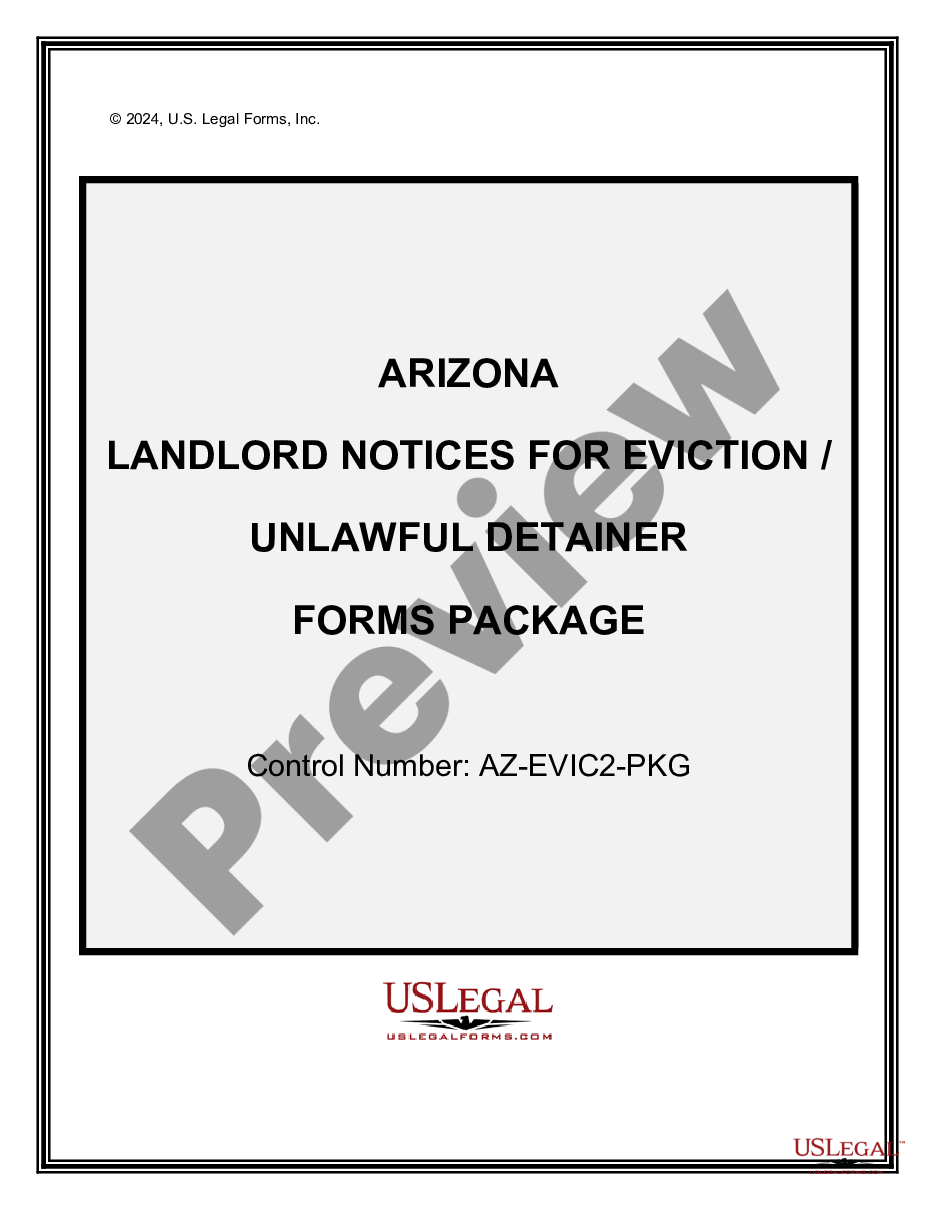
Arizona Landlord Notices for Eviction / Unlawful Detainer Forms Package
What this form package covers
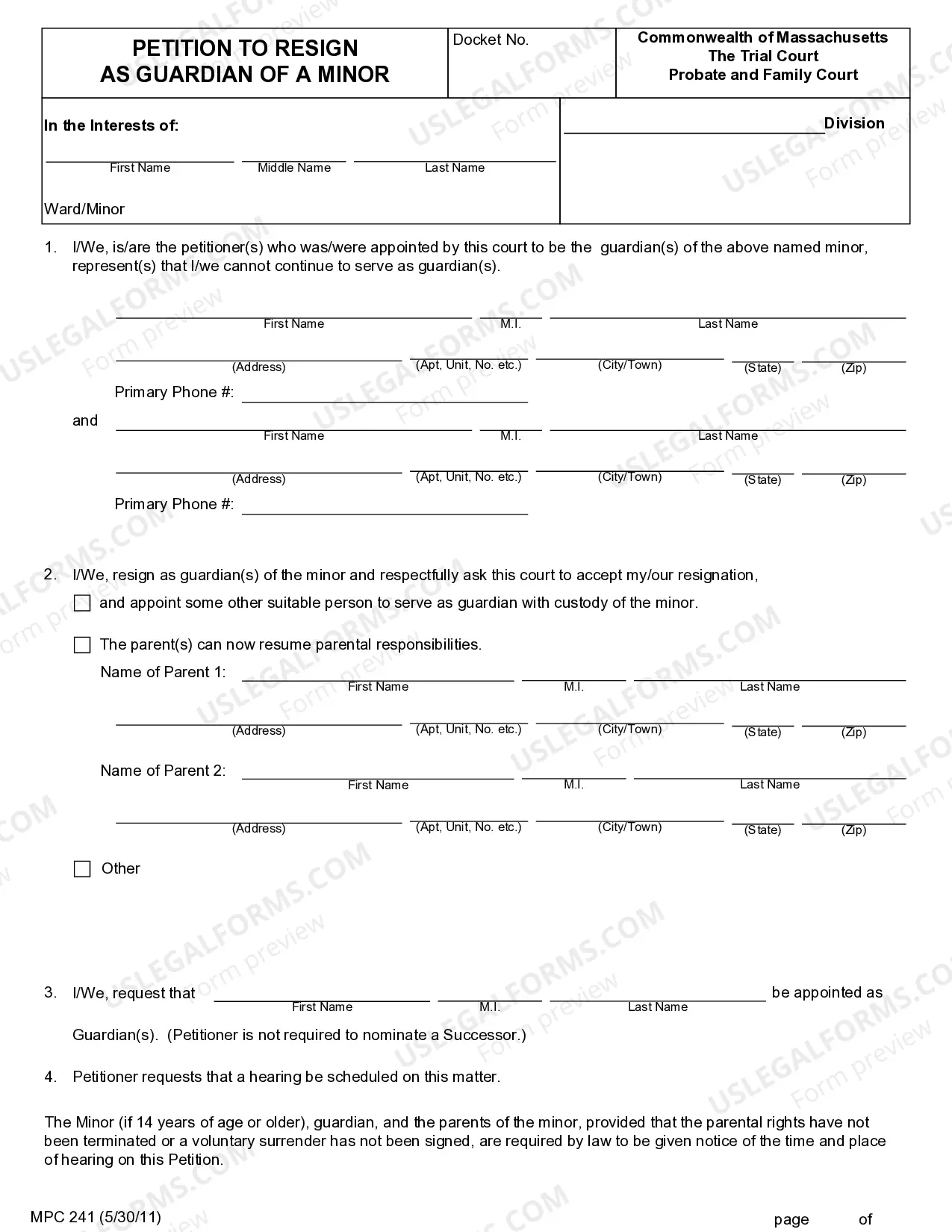
The Arizona Landlord Notices for Eviction / Unlawful Detainer Forms Package includes all the essential notices required by state law before filing an eviction complaint in court. This package is designed specifically for landlords in Arizona to streamline the process of notifying tenants before eviction proceedings. It offers a variety of notices tailored to different situations, allowing landlords to select the most appropriate form based on the circumstances and relevant statutes.
Documents contained in this package
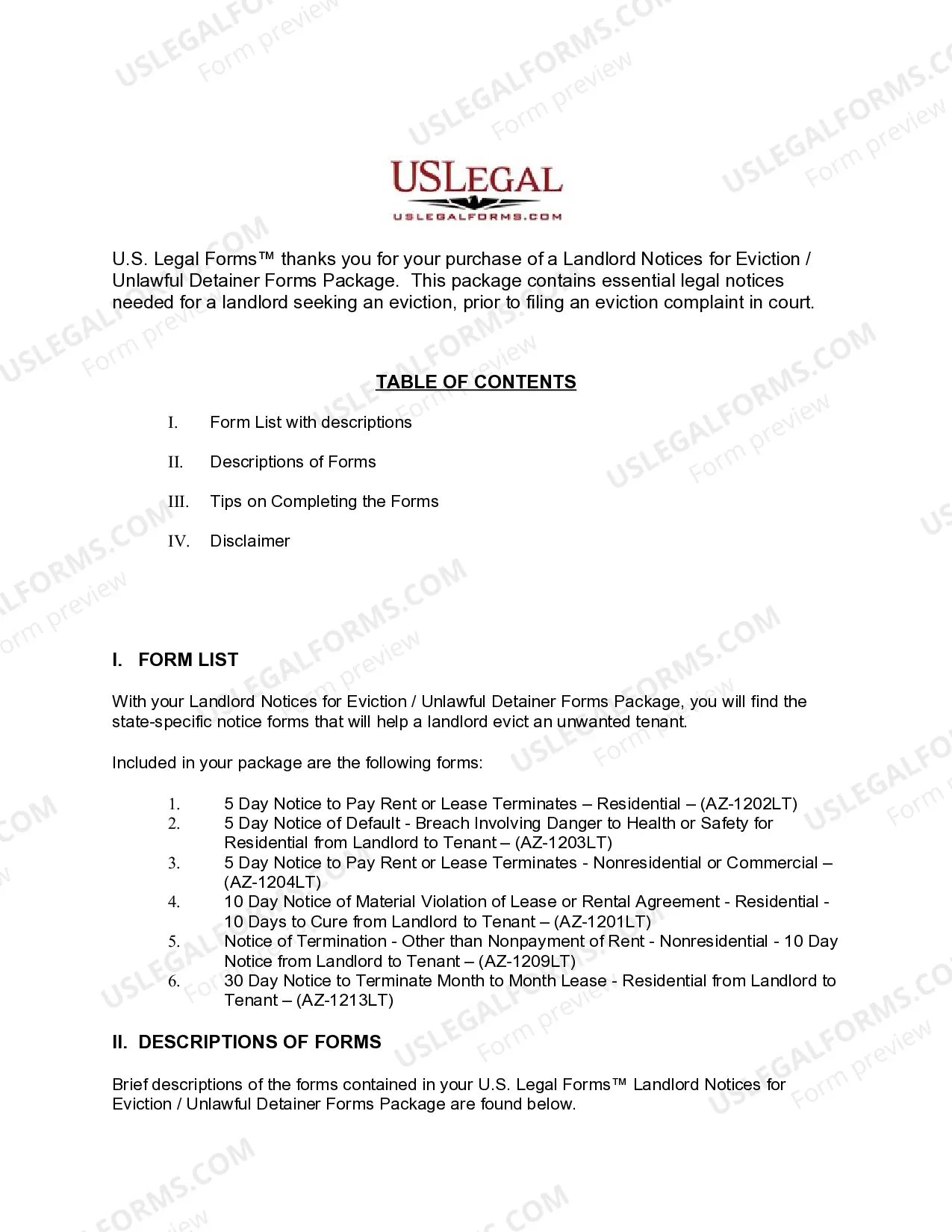
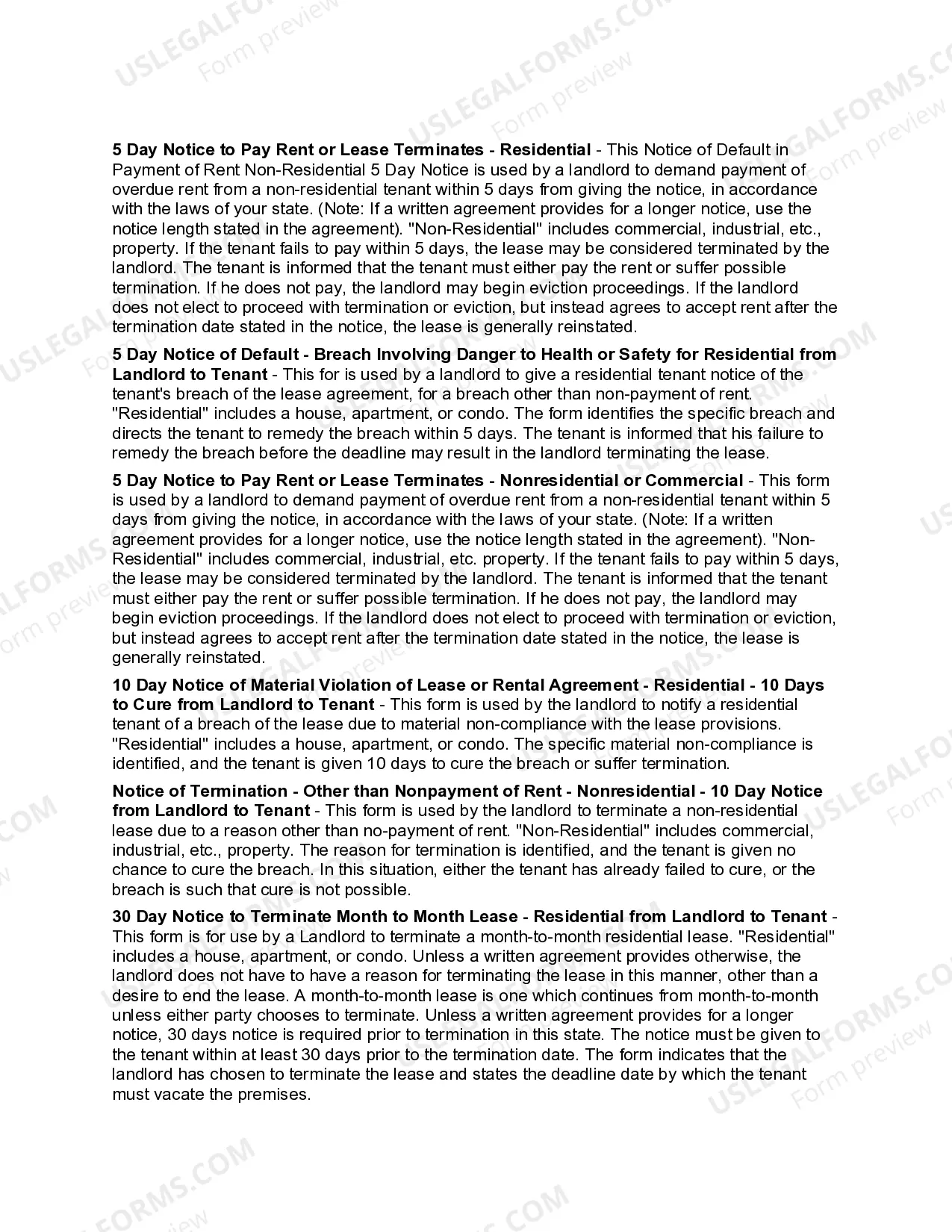
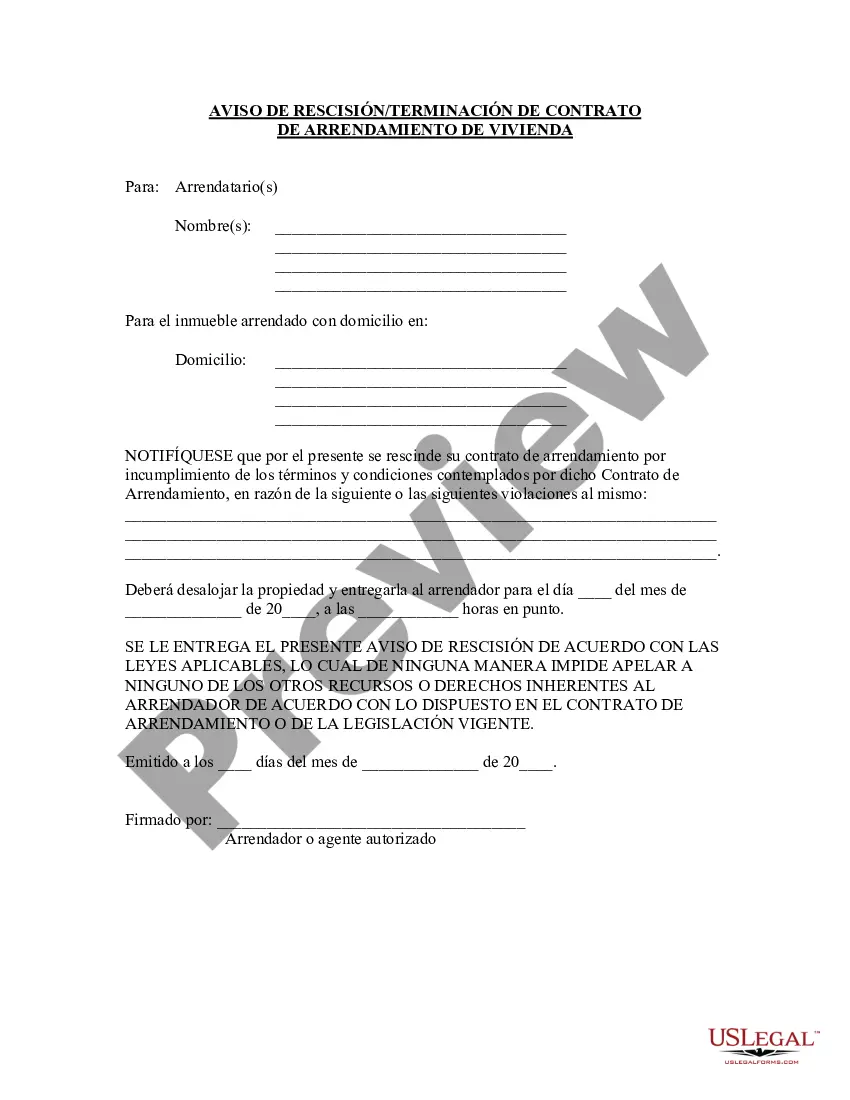
- 10 day Notice of Material Violation of Lease or Rental Agreement - Residential - 10 days to Cure from Landlord to Tenant
- 5 Day Notice to Pay Rent or Lease Terminates - Residential
- 5 Day Notice of Default - Breach Involving Danger to Health or Safety for Residential from Landlord to Tenant
- 5 Day Notice to Pay Rent or Lease Terminates - Nonresidential or Commercial
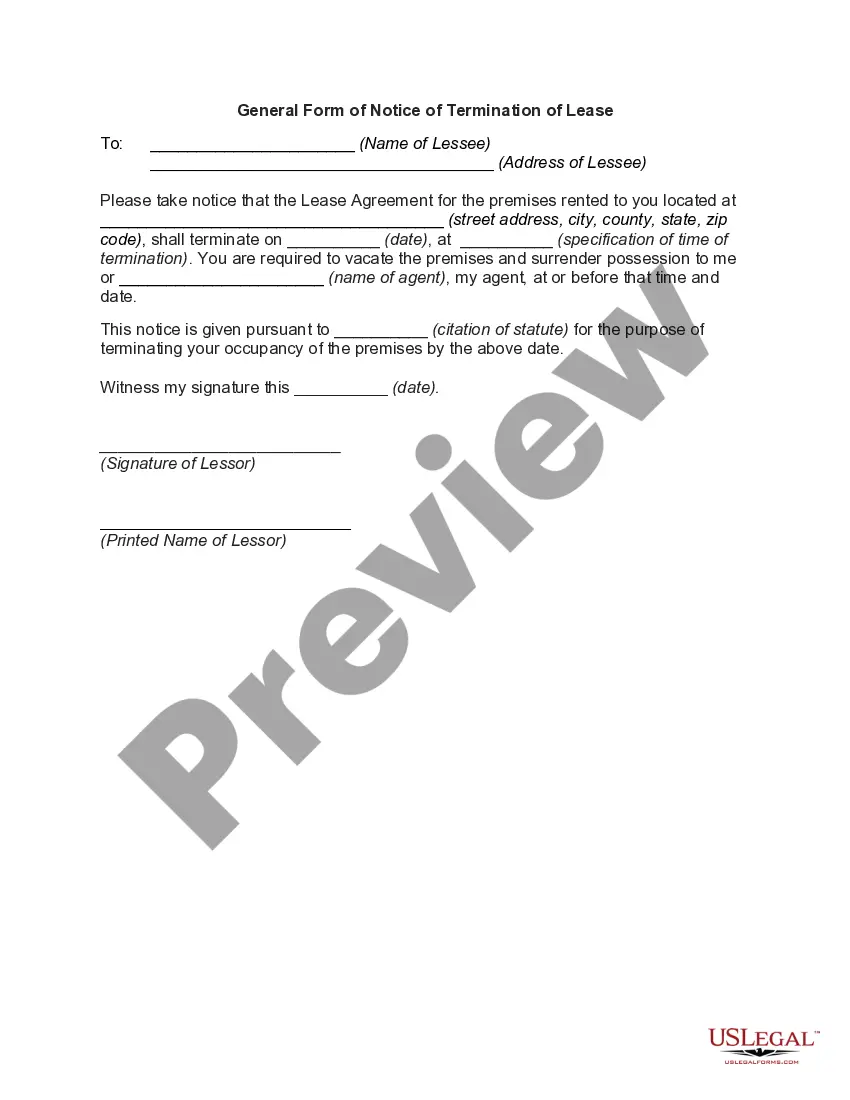
- Notice of Termination - Other than Nonpayment of Rent - Nonresidential - 10 Day Notice from Landlord to Tenant
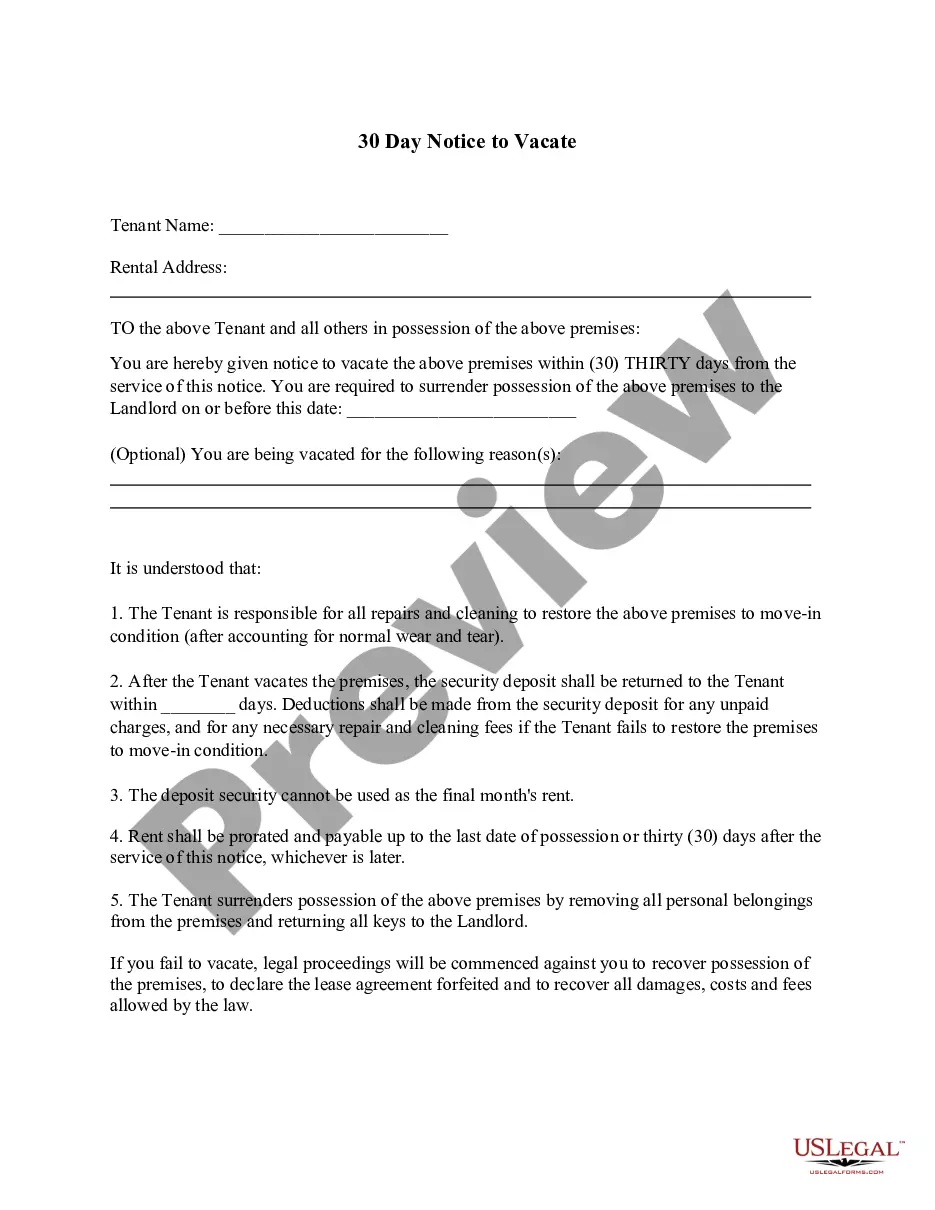
- 30 Day Notice to Terminate Month to Month Lease - Residential from Landlord to Tenant

When this form package is needed
This package is essential in the following scenarios:
- When a tenant has violated lease terms and needs to be notified to remedy the situation.
- If rent is overdue and you need to formally demand payment from a tenant.
- When a month-to-month residential lease needs to be terminated without cause.
- If there is a non-payment of rent or other significant breaches that require formal notice before eviction.
Who this form package is for
- Residential landlords renting out houses, apartments, or condos in Arizona.
- Commercial landlords managing non-residential properties, including industrial and office spaces.
- Landlords needing to understand legal notice requirements for eviction or lease termination.
- Property management companies handling multiple residential or commercial leases.
Steps to complete these forms
- Review the included forms to determine which notice is appropriate for your situation.
- Identify the parties involved, including the name and address of the tenant.
- Fill in the relevant details such as breach descriptions, deadlines, and property addresses.
- Ensure to comply with the notice periods as detailed in each form.
- Deliver the completed notice to the tenant, adhering to any delivery methods specified by Arizona law.
Notarization requirements for forms in this package
Forms in this package typically do not require notarization. However, certain states or document types may still need it. US Legal Forms provides online notarization powered by Notarize, available 24/7 for your convenience.
Get your form ready online
Our built-in tools help you complete, sign, share, and store your documents in one place.
Make edits, fill in missing information, and update formatting in US Legal Forms—just like you would in MS Word.
Download a copy, print it, send it by email, or mail it via USPS—whatever works best for your next step.
Sign and collect signatures with our SignNow integration. Send to multiple recipients, set reminders, and more. Go Premium to unlock E-Sign.
If this form requires notarization, complete it online through a secure video call—no need to meet a notary in person or wait for an appointment.
We protect your documents and personal data by following strict security and privacy standards.

Make edits, fill in missing information, and update formatting in US Legal Forms—just like you would in MS Word.

Download a copy, print it, send it by email, or mail it via USPS—whatever works best for your next step.

Sign and collect signatures with our SignNow integration. Send to multiple recipients, set reminders, and more. Go Premium to unlock E-Sign.

If this form requires notarization, complete it online through a secure video call—no need to meet a notary in person or wait for an appointment.

We protect your documents and personal data by following strict security and privacy standards.
Common mistakes
- Failing to provide proper notice periods as required by state law.
- Not including all necessary details in the notice, leading to potential legal challenges.
- Incorrectly identifying the type of notice required based on the tenant's violation.
- Neglecting to keep a copy of the notice for your records.
Advantages of online completion
- Convenient access to all necessary forms in one package, avoiding confusion.
- Editable forms that can be completed digitally, saving time and effort.
- Reliable legal forms developed by licensed Arizona attorneys, ensuring compliance.
- Instant downloads allow you to act quickly in managing tenancy issues.
Legal use & context
- These notices are essential for initiating eviction proceedings in compliance with Arizona law.
- Documentation of proper notices can provide landlords with legal protection in court if disputes arise.
- Failure to use appropriate notice forms can lead to delays or dismissals of eviction cases.
What to keep in mind
- The Arizona Landlord Notices for Eviction / Unlawful Detainer Forms Package includes vital legal documents for landlords.
- Properly using these forms helps ensure compliance with state laws regarding tenant notifications and evictions.
- Landlords should select the appropriate form based on the specific situation to avoid legal complications.
Looking for another form?

Form popularity
FAQ
No, a landlord cannot legally evict a tenant without a court order in Arizona. The eviction process requires proper legal procedures to ensure the tenant's rights are protected. Landlords must file an unlawful detainer action in court to obtain this order. Utilizing our Arizona Landlord Notices for Eviction / Unlawful Detainer Forms Package can help landlords navigate this essential process effectively.
In Arizona, the notice period a landlord must provide to a tenant depends on the type of lease agreement in place. For a month-to-month lease, the landlord must give at least 30 days' notice. If you have a lease with a specific term, this is often dictated by the lease terms. Always consider using our Arizona Landlord Notices for Eviction / Unlawful Detainer Forms Package to ensure compliance with state regulations.
Rule 5 of the Arizona Rules of Procedure for Eviction pertains to the service of court documents in eviction proceedings. This rule ensures all parties are properly notified and can respond to the eviction process. Compliance with this rule is vital during eviction cases to prevent delays. Utilizing the Arizona Landlord Notices for Eviction / Unlawful Detainer Forms Package can help ensure adherence to all relevant rules.
To serve an eviction notice in Arizona, you can deliver it in person to the tenant, send it via certified mail, or post it on the property in a conspicuous location. It’s crucial that the notice is properly documented, as this can affect the outcome of any eviction proceedings. For accurate and compliant notice templates, the Arizona Landlord Notices for Eviction / Unlawful Detainer Forms Package provides excellent resources.
Generally, once you receive an eviction notice in Arizona, you do not have a full 30 days to remain in the property unless specified in the notice. The duration is typically shorter, such as 5 or 10 days, depending on the reason for the eviction. It is essential to respond promptly to any eviction notice received. The Arizona Landlord Notices for Eviction / Unlawful Detainer Forms Package can clarify these timelines.
Eviction notices in Arizona must be delivered in writing and specify the reason for eviction. They should also include the deadline for the tenant to remedy the situation or vacate the property. Different types of evictions require different notice lengths, such as 5 days for non-payment of rent. For quick and clear guidance, the Arizona Landlord Notices for Eviction / Unlawful Detainer Forms Package is a valuable resource.
The 30-day notice in Arizona is a termination notice that a landlord can issue to a tenant for a month-to-month lease when they wish to end the tenancy. This notice informs the tenant that they must vacate the property within 30 days. It's important for both landlords and tenants to understand their rights regarding this notice. The Arizona Landlord Notices for Eviction / Unlawful Detainer Forms Package can provide templates for this process.
After receiving an eviction notice in Arizona, you generally do not have a full 30 days to move out. Instead, you must adhere to the specific notice period given by your landlord, which could range from 5 to 10 days depending on the situation. If an eviction goes to court, the judge will determine further actions. The Arizona Landlord Notices for Eviction / Unlawful Detainer Forms Package provides essential guidance in these cases.
In Arizona, the time a landlord must provide to a tenant to move out varies based on the reason for eviction. For non-payment of rent, a landlord typically gives a 5-day notice. However, for lease violations or other reasons, a 10-day notice may apply. Utilizing the Arizona Landlord Notices for Eviction / Unlawful Detainer Forms Package can simplify this process.
In Arizona, the duration of notice you must provide can vary based on the rental agreement's terms. For month-to-month leases, a 30-day notice is typically acceptable, while long-term leases might require 60 days. Using Arizona Landlord Notices for Eviction / Unlawful Detainer Forms Package helps to clarify these requirements and ensures you provide the correct notice period.