What is Annulment?
Annulment is a legal process to void a marriage, making it as though it never existed. These documents are used when specific conditions apply. Explore our state-specific templates for your needs.
Annulment documents in Nevada help individuals declare a marriage null. Our attorney-drafted templates are quick and simple to complete.

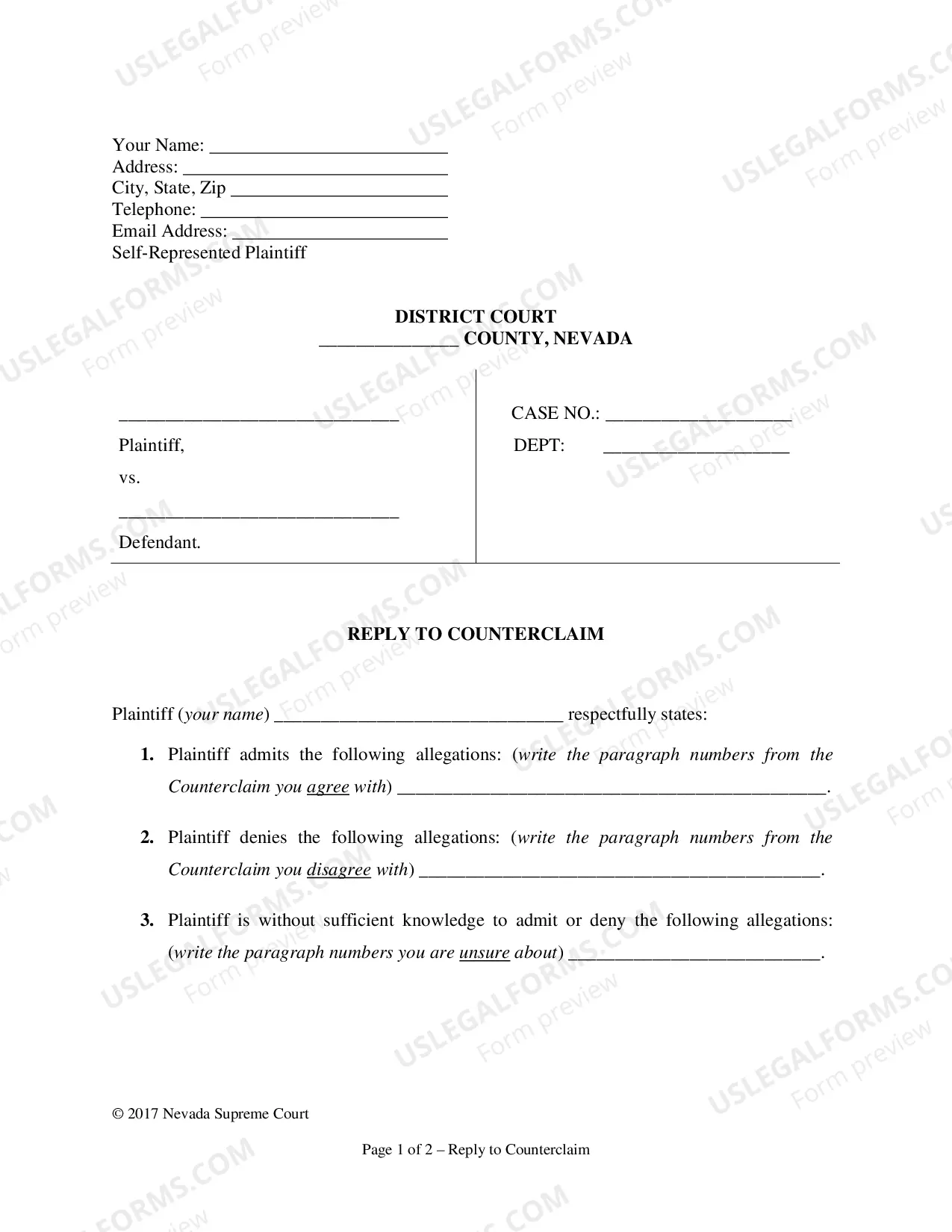
Use this document to respond to a counterclaim in a legal annulment case, clearly detailing your agreement or disagreement with the claims made.
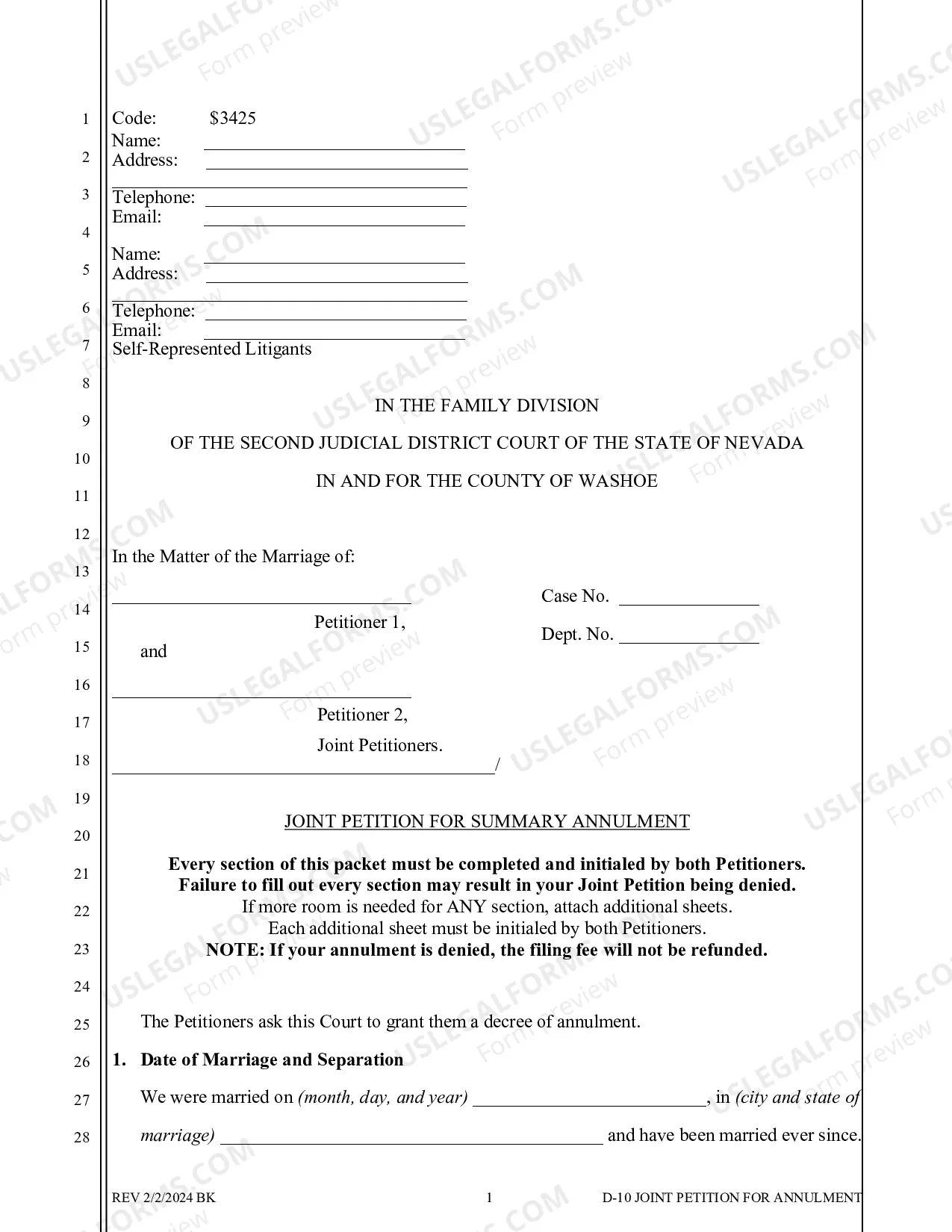
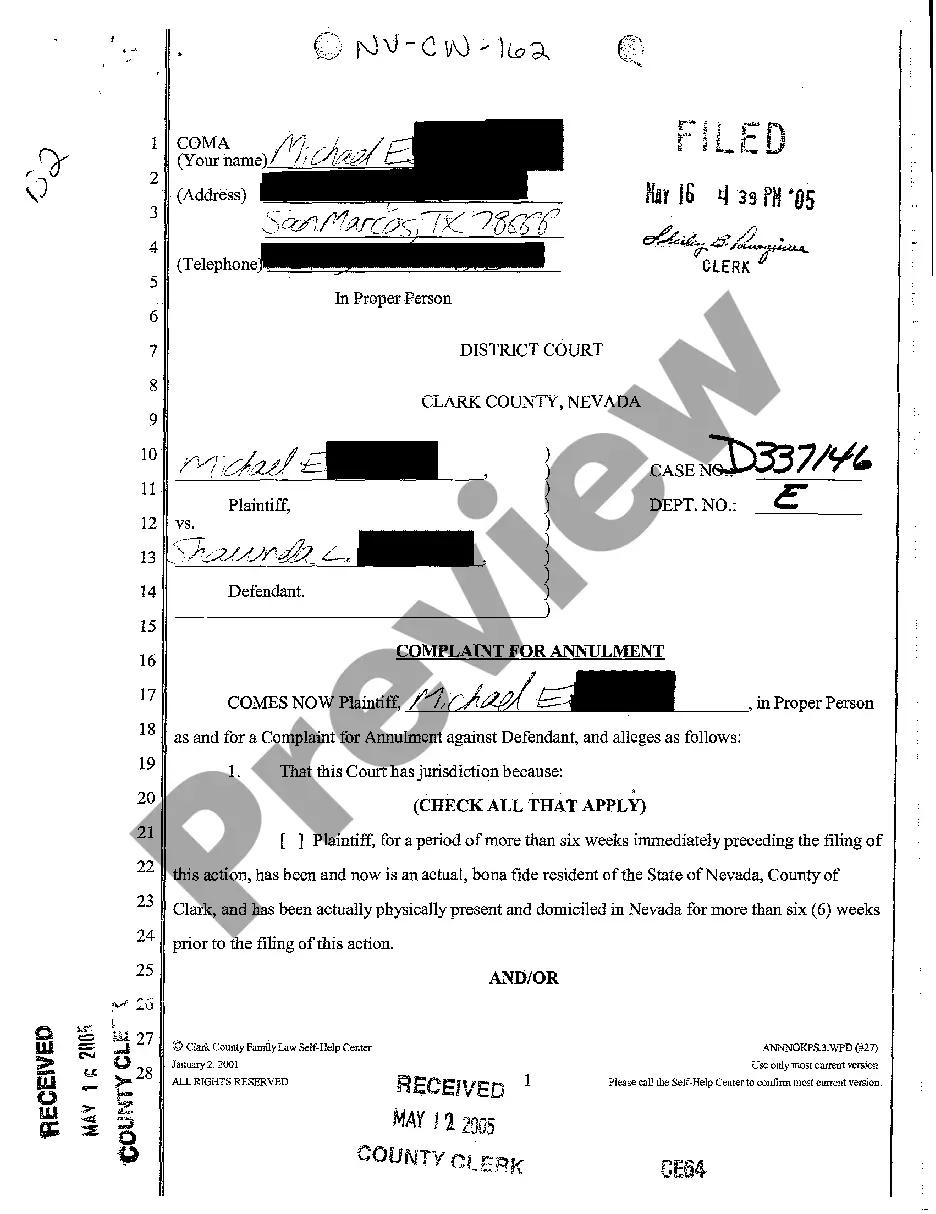
Easily request an annulment of marriage without children, simplifying the legal process for couples in Washoe County.
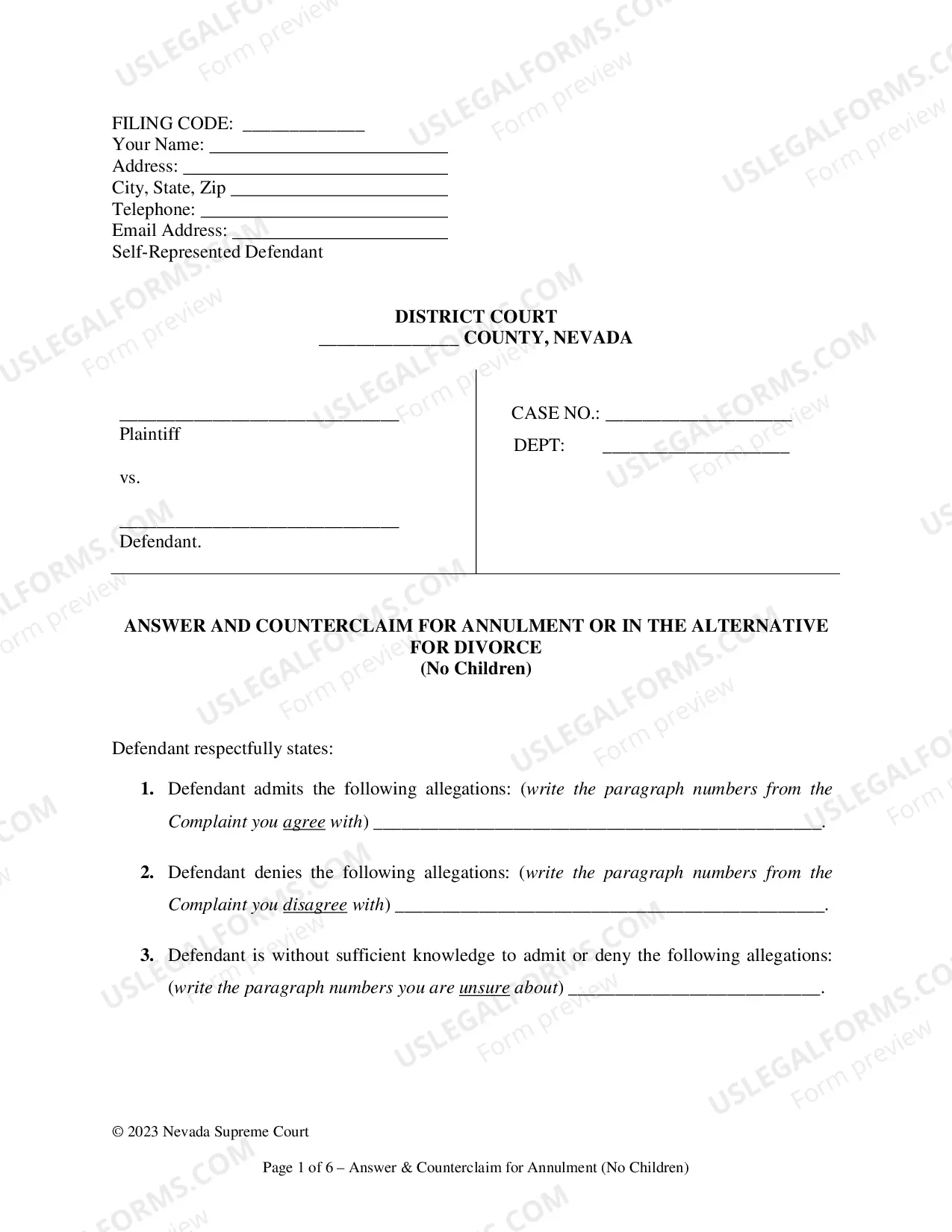
File your response in annulment or divorce cases without children, outlining your agreements and disagreements with the complaint.
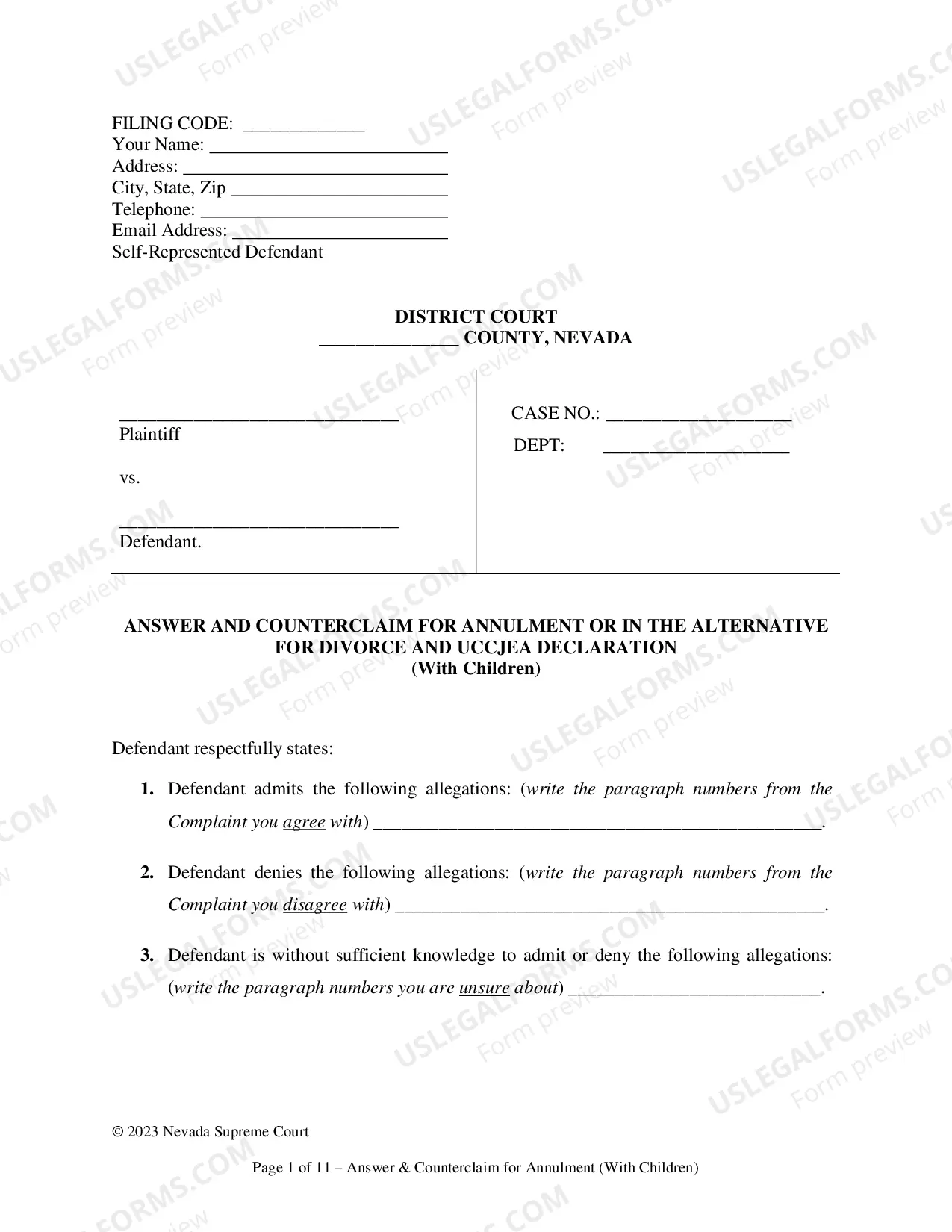
Respond to a court petition for annulment or divorce while addressing child custody and support issues.
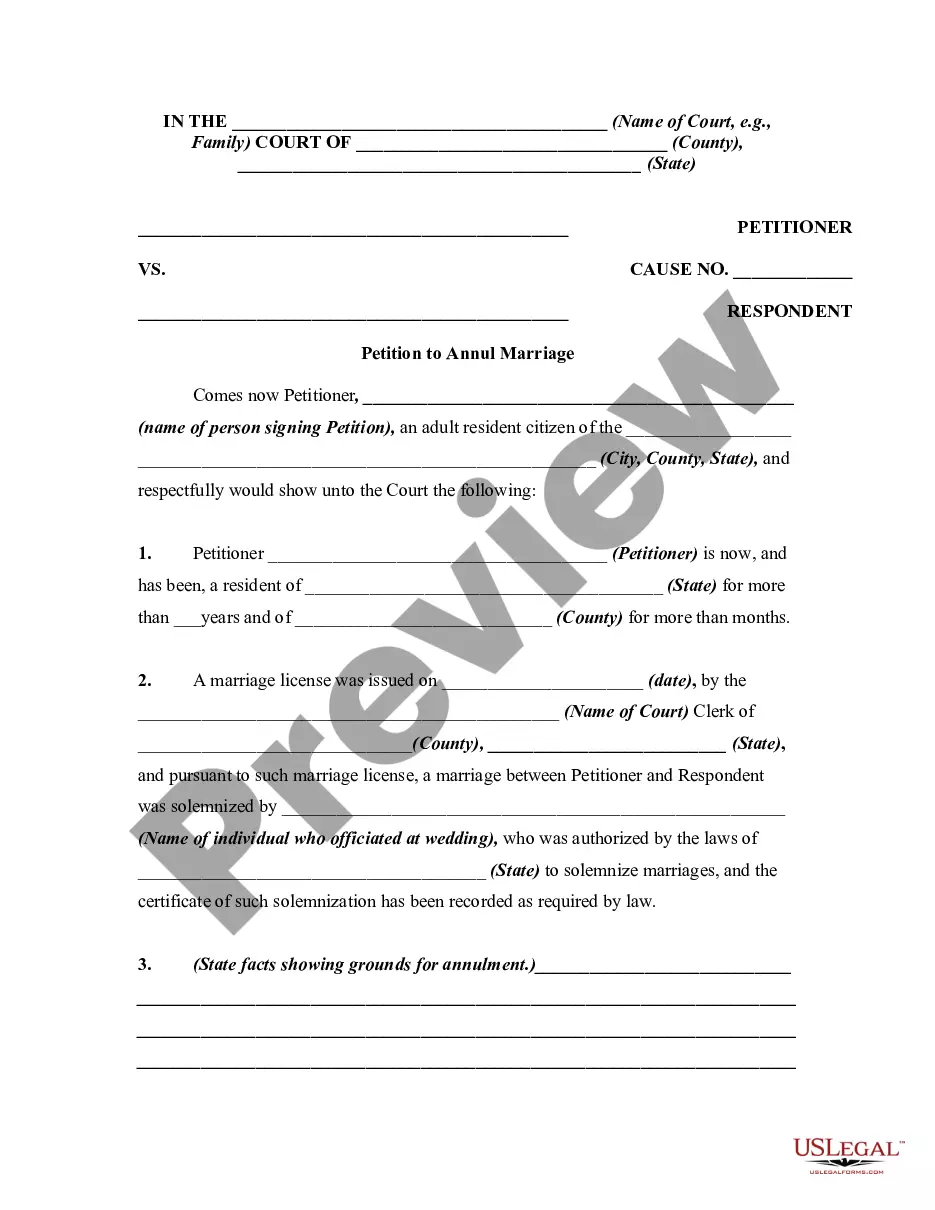
Used to annul a marriage without children, confirming it never legally existed.
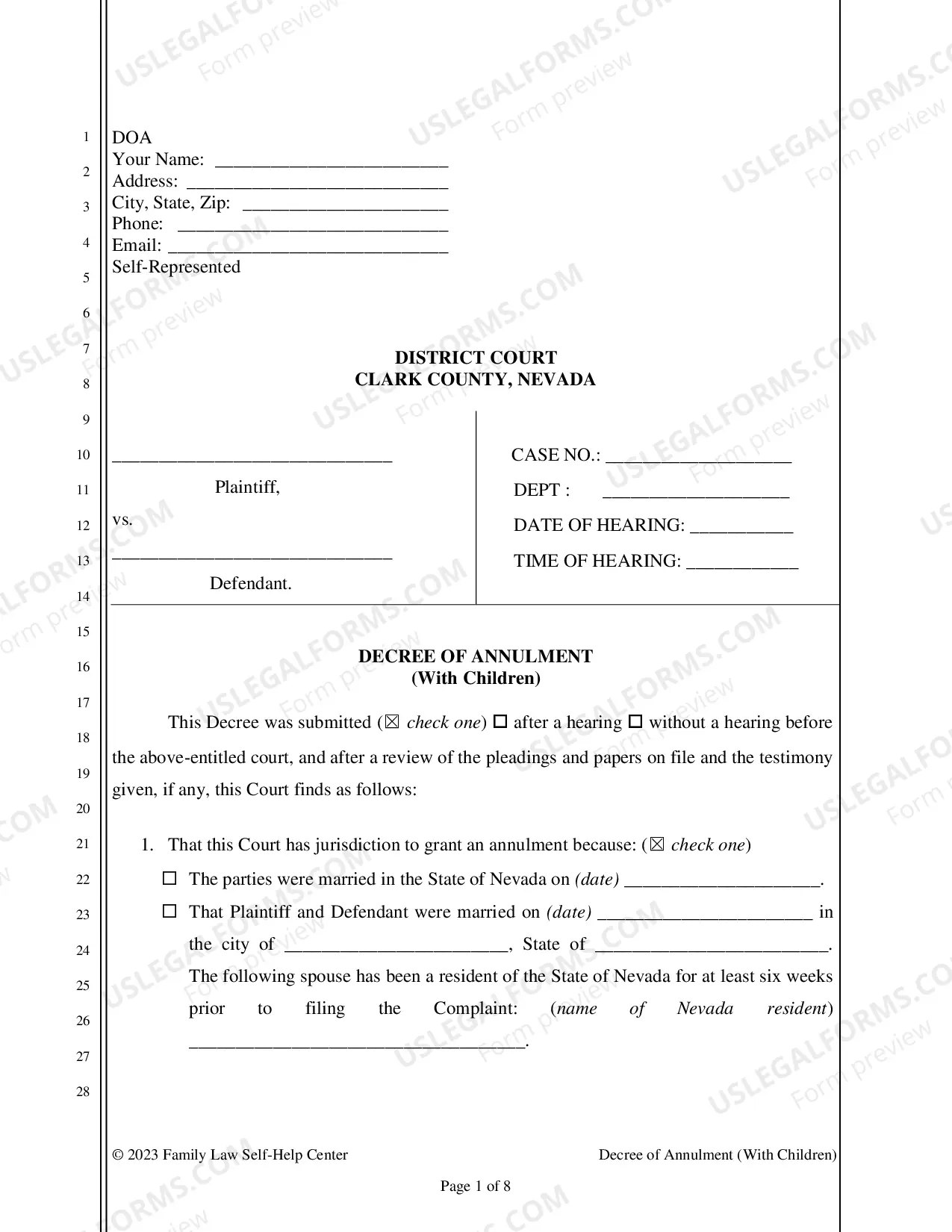
Utilize this decree to formally annul a marriage with minor children involved, addressing custody and support arrangements.
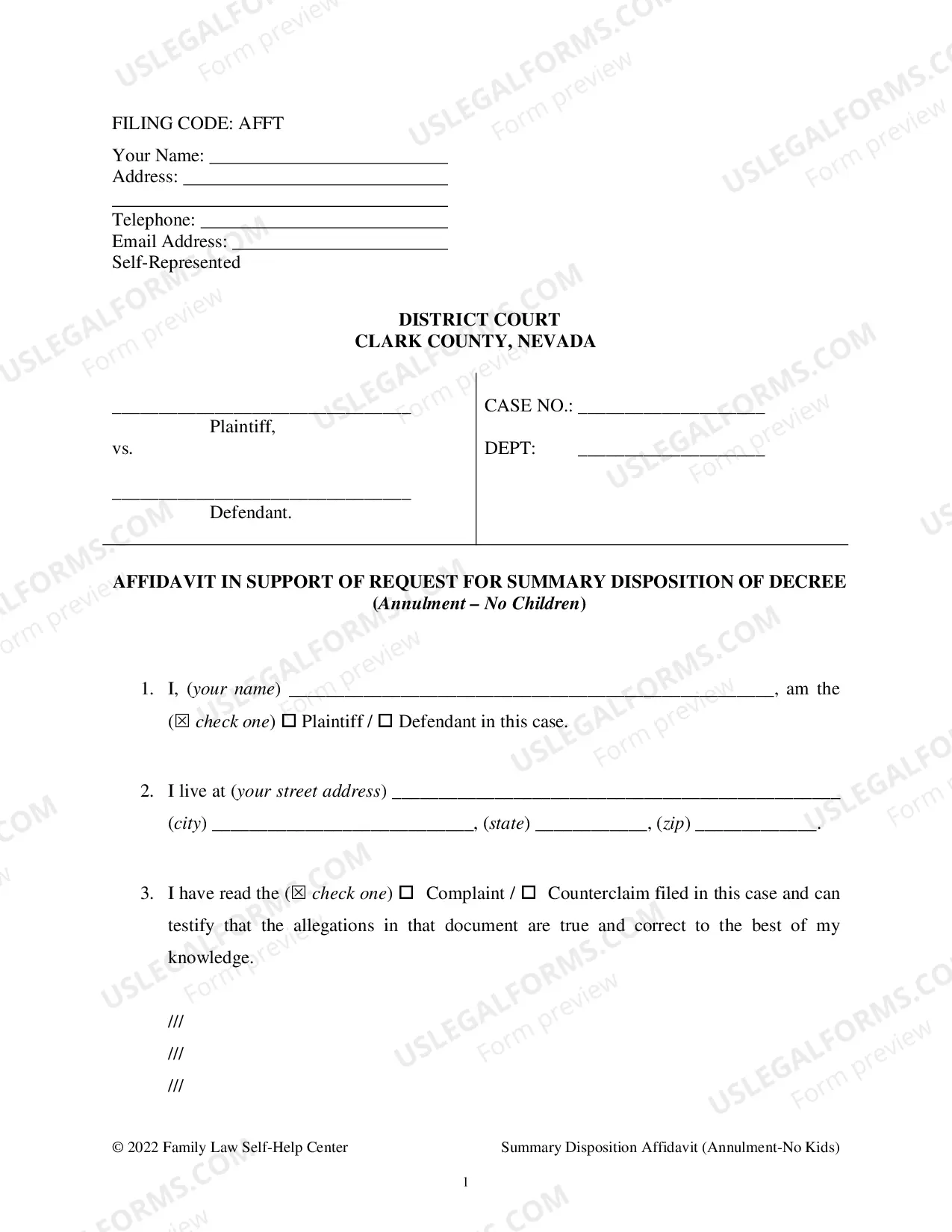
Request a final annulment with this affidavit, designed specifically for couples without children.
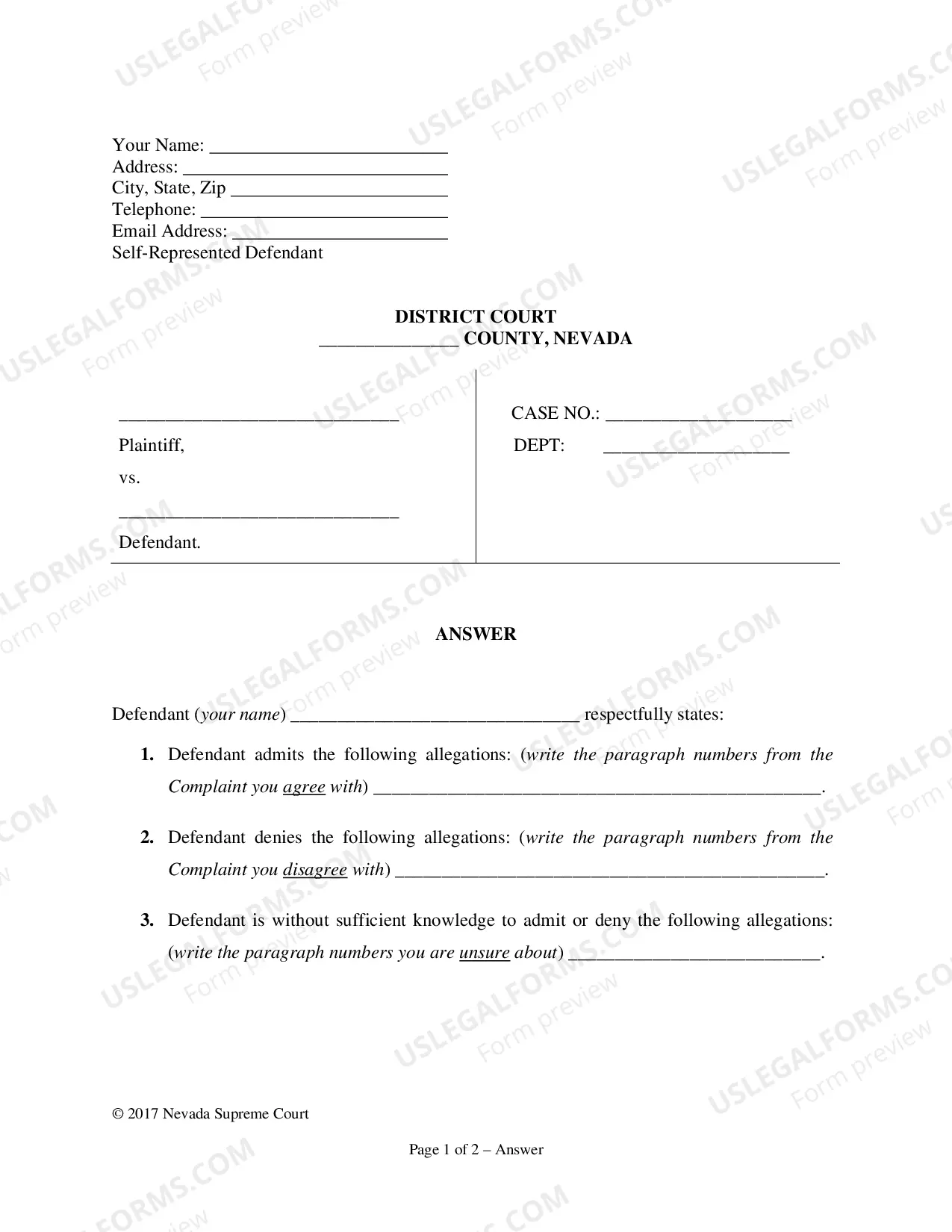
Respond to an annulment complaint by admitting or denying allegations, crucial for your defense in the case.
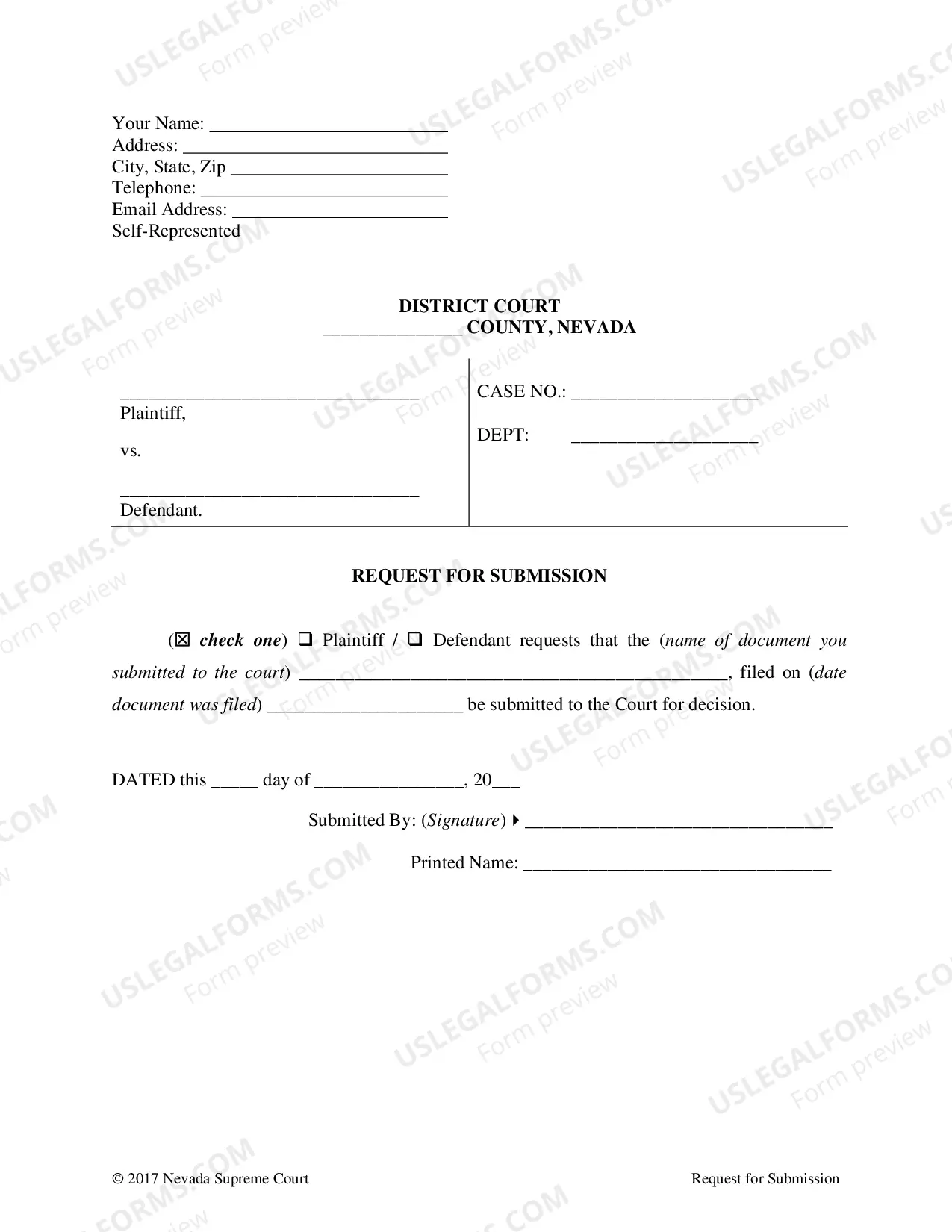
Use this request to ask the court to review documents related to an annulment case.
Annulments are based on specific grounds, such as fraud or incapacity.
Many annulments are easier and quicker than divorce proceedings.
Annulment does not affect child custody or support matters.
Documents often need to be filed within a specific time frame.
Annulment may require proof of grounds in court.
Follow these steps to begin the annulment process:
Annulment makes a marriage legally void, while divorce ends a valid marriage.
The duration varies based on circumstances but is often quicker than a divorce.
Most annulments require at least one court appearance, depending on the case.
Yes, annulment can occur regardless of children, but custody arrangements must be addressed.
Common grounds include fraud, lack of capacity, or underage marriage.