Alabama Complaint to Enjoin a Foreclosure
Understanding this form
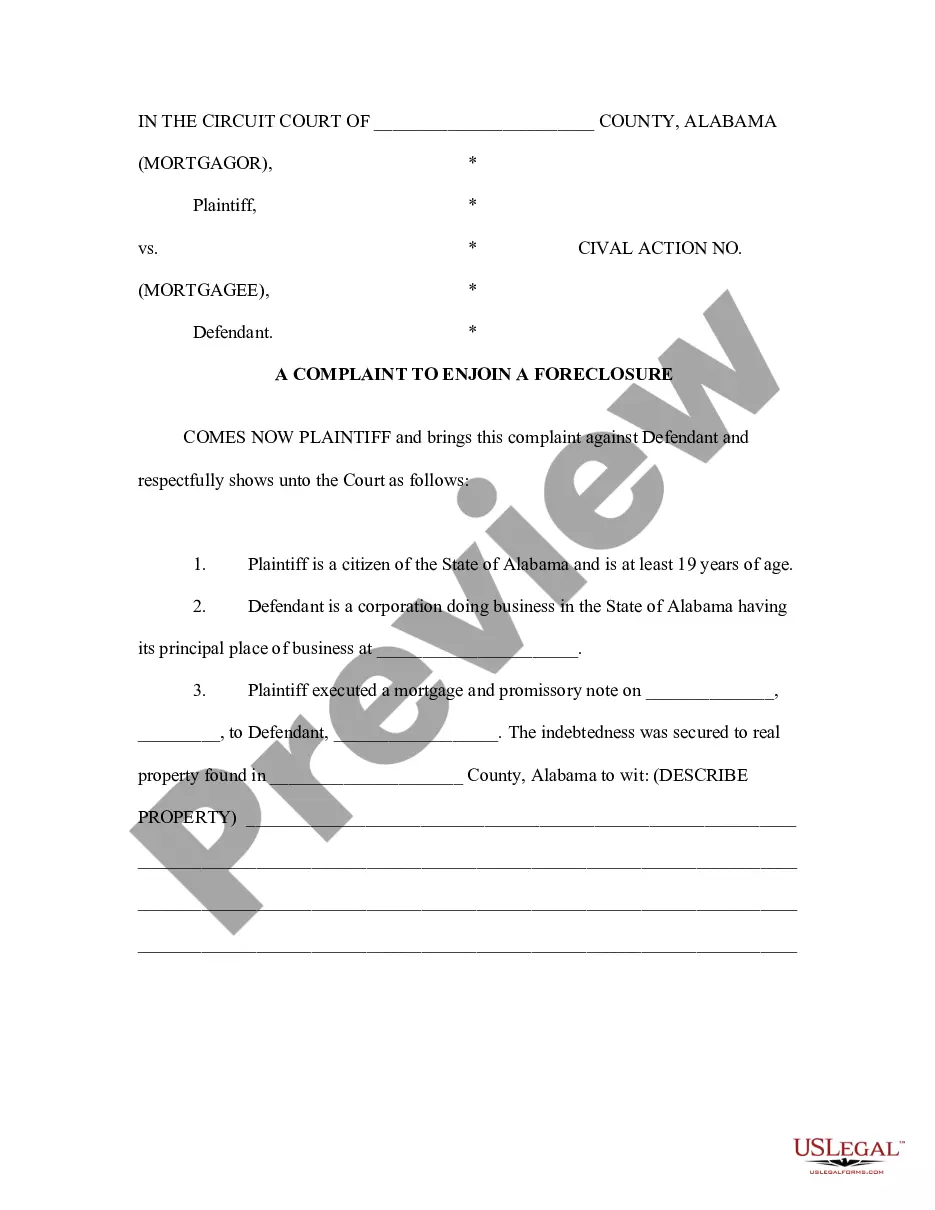
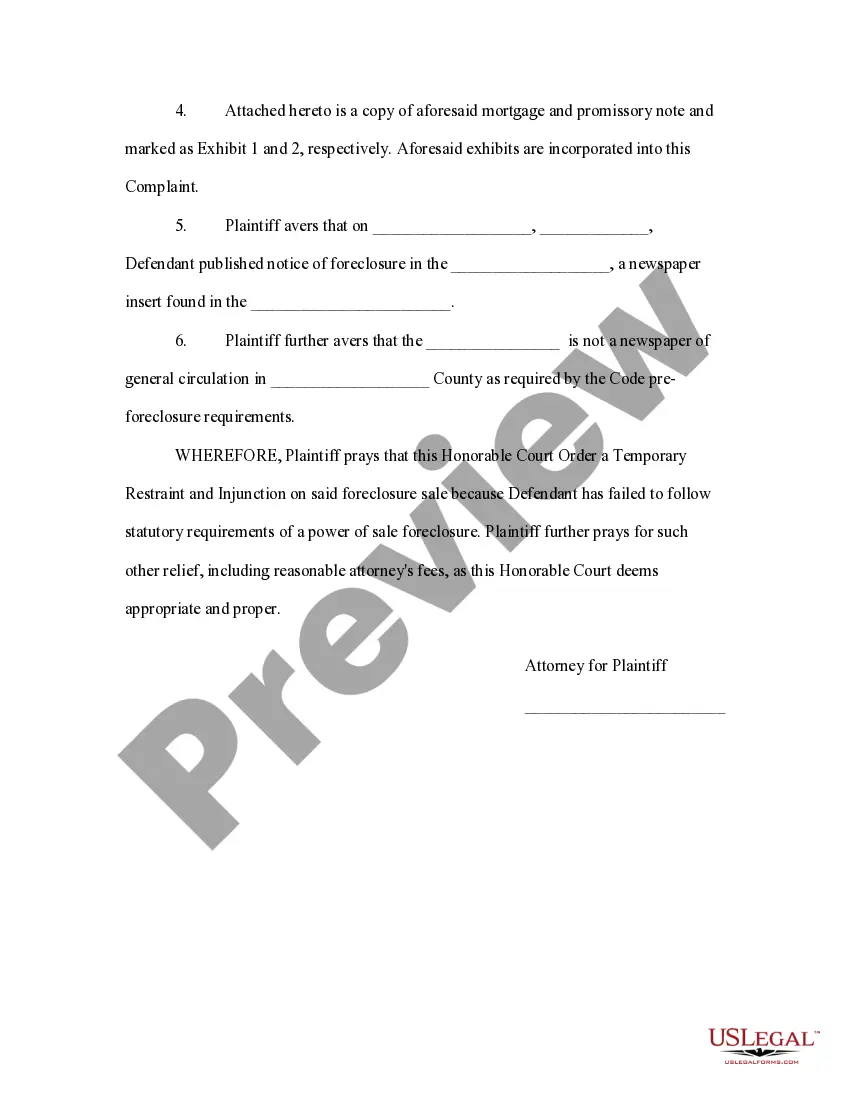
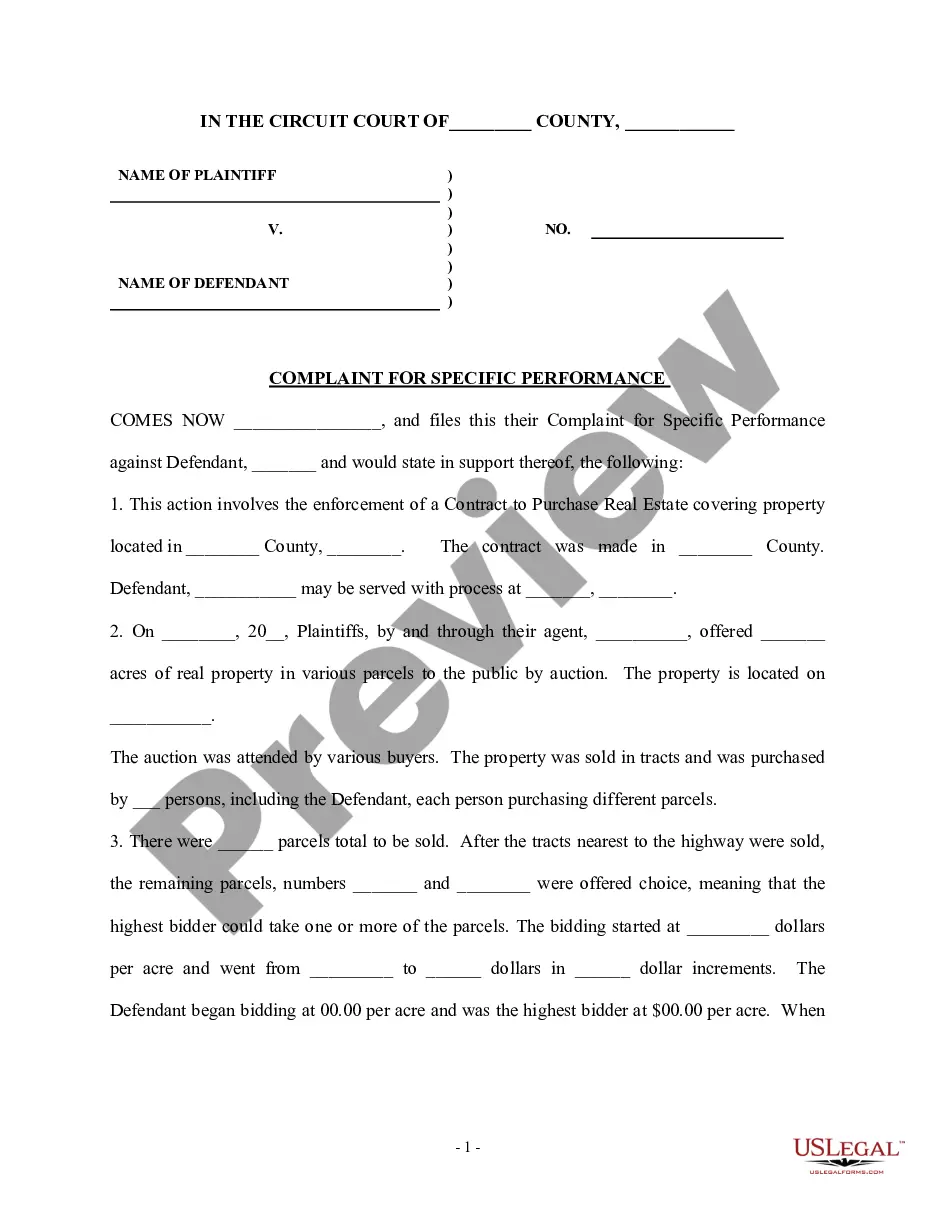
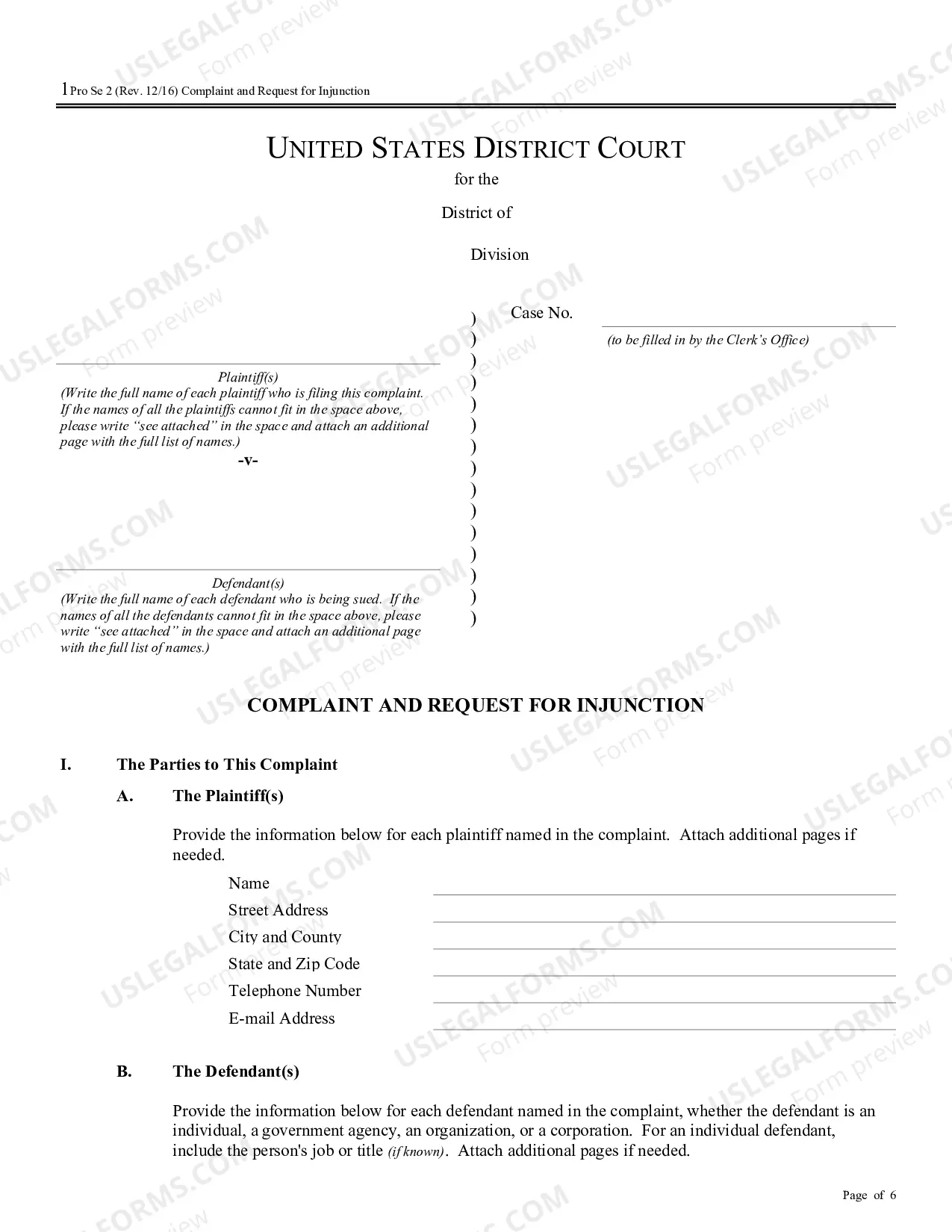
The Complaint to Enjoin a Foreclosure is a legal form used by a mortgagor to challenge a foreclosure process in court. This form asserts that the statutory requirements for the foreclosure have not been met, seeking to prevent the sale and possibly requesting the payment of attorneys' fees. It is distinct from other foreclosure forms as it specifically initiates legal action to halt the proceedings based on legal grounds.
Main sections of this form
- Identifies the plaintiff and defendant, including their names and addresses.
- Details the mortgage and promissory note executed by the plaintiff.
- Describes the property involved in the foreclosure.
- Includes notice of foreclosure details and challenges its validity.
- Requests a temporary injunction to stop the foreclosure sale.
- Seeks payment for attorneys' fees and related costs.


When to use this document
This form should be used when a homeowner believes that the proper legal procedures for foreclosure have not been followed. For instance, if the notice of foreclosure was published in a forum that does not meet the local legal requirements, or if there are any discrepancies related to the mortgage agreement, this form can initiate legal action to prevent the foreclosure from proceeding.
Intended users of this form
- Homeowners currently facing foreclosure proceedings.
- Individuals who believe their rights have been violated in the foreclosure process.
- Anyone seeking to legally challenge the legitimacy of a foreclosure sale.
Completing this form step by step
- Identify and fill out the names and addresses of the plaintiff (mortgagor) and defendant (mortgagee).
- Enter the date on which the mortgage and promissory note were executed.
- Describe the property that is the subject of the foreclosure.
- Provide details of the published notice of foreclosure and any issues with its validity.
- Include your request for a temporary injunction and any fees associated with the action.
Is notarization required?
This form needs to be notarized to ensure legal validity. US Legal Forms provides secure online notarization powered by Notarize, allowing you to complete the process through a verified video call, available anytime.
Get your form ready online
Our built-in tools help you complete, sign, share, and store your documents in one place.
Make edits, fill in missing information, and update formatting in US Legal Forms—just like you would in MS Word.
Download a copy, print it, send it by email, or mail it via USPS—whatever works best for your next step.
Sign and collect signatures with our SignNow integration. Send to multiple recipients, set reminders, and more. Go Premium to unlock E-Sign.
If this form requires notarization, complete it online through a secure video call—no need to meet a notary in person or wait for an appointment.
We protect your documents and personal data by following strict security and privacy standards.

Make edits, fill in missing information, and update formatting in US Legal Forms—just like you would in MS Word.

Download a copy, print it, send it by email, or mail it via USPS—whatever works best for your next step.

Sign and collect signatures with our SignNow integration. Send to multiple recipients, set reminders, and more. Go Premium to unlock E-Sign.

If this form requires notarization, complete it online through a secure video call—no need to meet a notary in person or wait for an appointment.

We protect your documents and personal data by following strict security and privacy standards.
Typical mistakes to avoid
- Failing to provide all necessary details about the mortgage and property.
- Inaccurately describing the foreclosure process or notice publication.
- Not including supporting documents, such as the mortgage and note as exhibits.
Benefits of completing this form online
- Convenient access to downloadable legal forms at any time.
- Edit and customize the form to meet specific needs and circumstances.
- Ensure reliability with legally-compliant templates designed by licensed attorneys.
Looking for another form?
Form popularity
FAQ
Filing an answer to a foreclosure complaint involves responding to the claims made by the lender in a timely manner. It requires outlining your defense against the foreclosure and may include documentation supporting your claims. Using resources from platforms like USLegalForms can provide templates and guidance for filing an Alabama Complaint to Enjoin a Foreclosure.
To appeal a foreclosure in Alabama, you must file a notice of appeal in the appropriate court. The process requires understanding the specific grounds for your appeal and meeting strict deadlines. Seeking assistance from legal professionals can help you better navigate the requirements, including filing an Alabama Complaint to Enjoin a Foreclosure, which might halt the proceedings while you appeal.
Dismissing a foreclosure generally involves taking legal action, usually by filing a motion with the court. You may need to provide valid reasons, such as having settled the debt or errors in the foreclosure process. Consulting with an attorney familiar with Alabama laws can empower you to explore options for filing an Alabama Complaint to Enjoin a Foreclosure effectively.
To achieve an immediate halt to foreclosure in Alabama, consider filing an Alabama Complaint to Enjoin a Foreclosure. This legal filing can temporarily stop the foreclosure process, giving you time to negotiate with your lender. Moreover, reaching out to housing counselors or legal professionals can provide additional strategies to protect your home.
To stop a foreclosure in Alabama, you can either negotiate with your lender for a modification or repayment plan or explore the option of filing an Alabama Complaint to Enjoin a Foreclosure. This legal action can help pause the foreclosure process while you work out a solution. It's wise to seek legal advice to navigate the complexities of Alabama foreclosure laws.
Writing a hardship letter requires you to clearly explain your financial difficulties and how they impact your ability to keep your home. Include specific details about your situation and state why you need assistance. Additionally, mentioning the possibility of filing an Alabama Complaint to Enjoin a Foreclosure can signal your commitment to resolving the issue, encouraging lenders to consider your request.
The affirmative defense for foreclosure can vary, but common arguments include demonstrating that the lender made errors in the foreclosure process or that the borrower has a valid reason to contest the claim. Homeowners may also raise issues like unjust treatment or modifications not being honored. If you’re facing foreclosure, filing an Alabama Complaint to Enjoin a Foreclosure may be an important strategy to assert your rights.
An affirmative defense is a legal justification that, if proven, negates the plaintiff's claim in a lawsuit. In foreclosure cases, this can include situations where the lender failed to follow legal procedures or other significant errors. To successfully use an affirmative defense, consider filing an Alabama Complaint to Enjoin a Foreclosure, where you can present your arguments effectively.
Disputing a foreclosure involves several steps, starting with reviewing your mortgage documents for any errors or legal issues. You can then file an Alabama Complaint to Enjoin a Foreclosure to formally challenge the process. This document allows you to present your case in court, where you can argue against the foreclosure and seek a favorable outcome.
In legal terms, the burden of proof for an affirmative defense falls on the homeowner once they raise such a defense in a foreclosure case. This means that you must provide evidence supporting your claim that the foreclosure should not proceed. Utilizing an Alabama Complaint to Enjoin a Foreclosure can help you build a strong case and gather necessary evidence for your defense.