Alaska Letter from Tenant to Landlord about Landlord's failure to make repairs
What is this form?
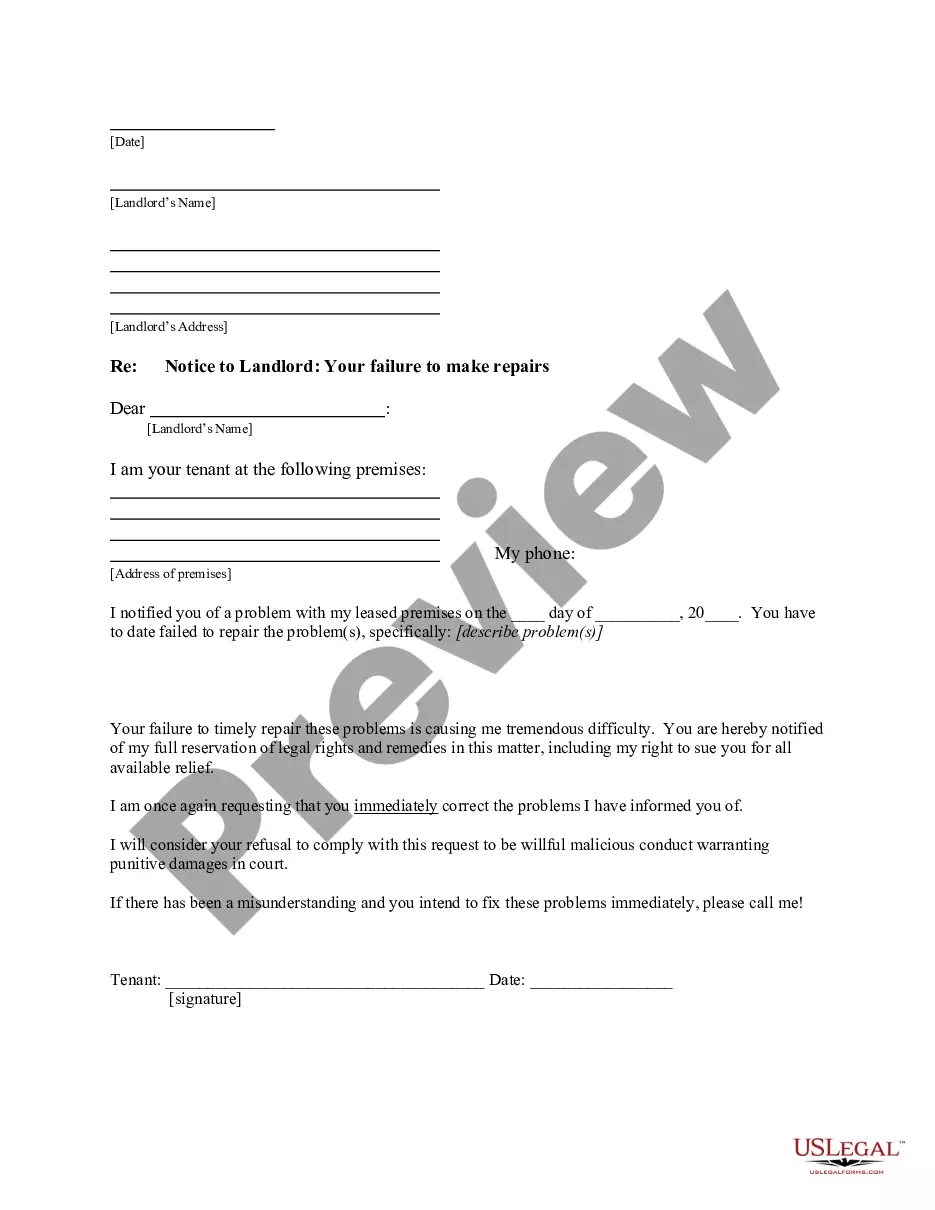
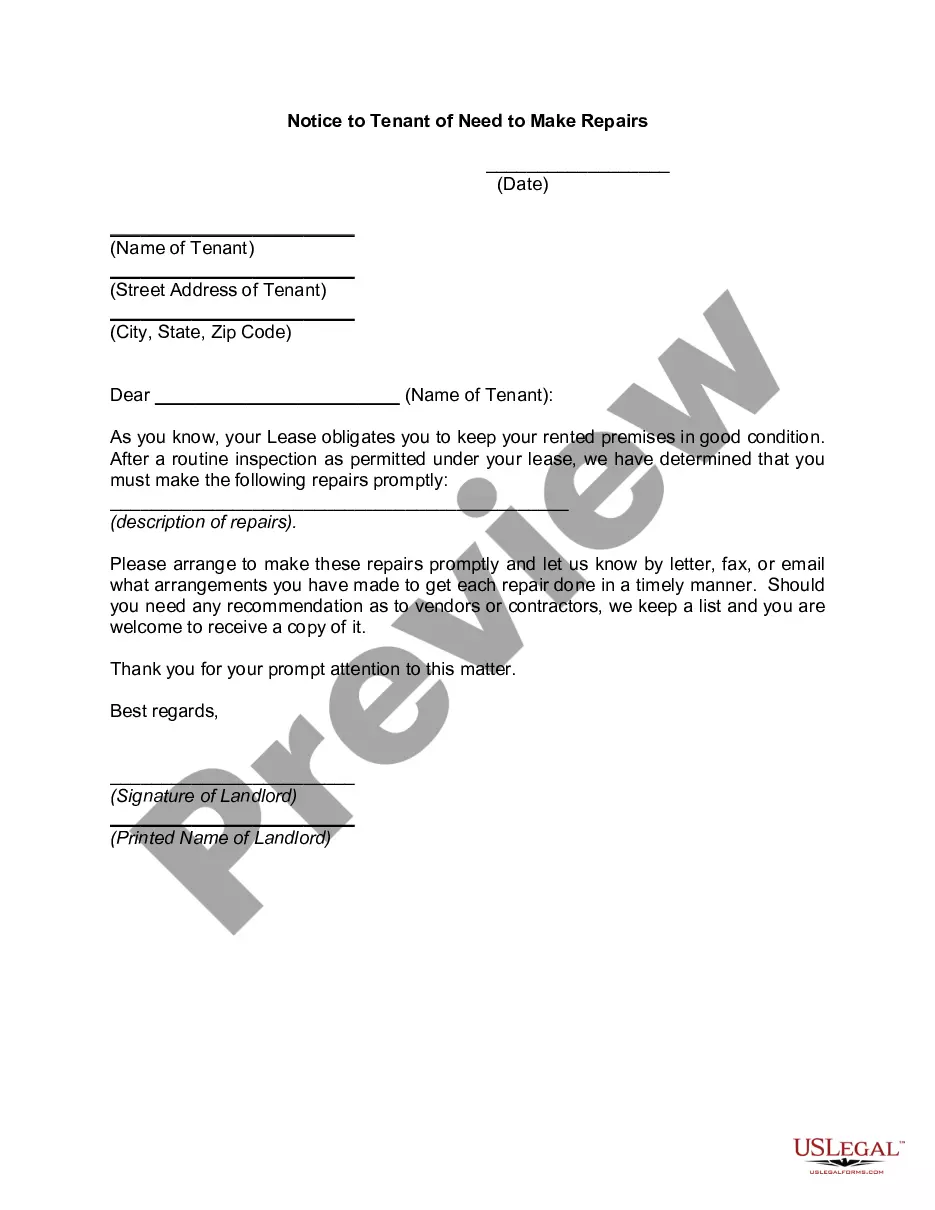
The Letter from Tenant to Landlord about Landlord's failure to make repairs is a formal communication from a tenant requesting that their landlord address outstanding repair issues in a rental property. This letter serves as a reminder that previous requests have gone unanswered and emphasizes the tenantâs right to take legal action if necessary. Unlike general complaint forms, this letter specifically outlines responsibilities regarding property maintenance in the landlord-tenant relationship.
What’s included in this form
- Sender's contact information: Name and address of the tenant.
- Recipient's information: Name and address of the landlord.
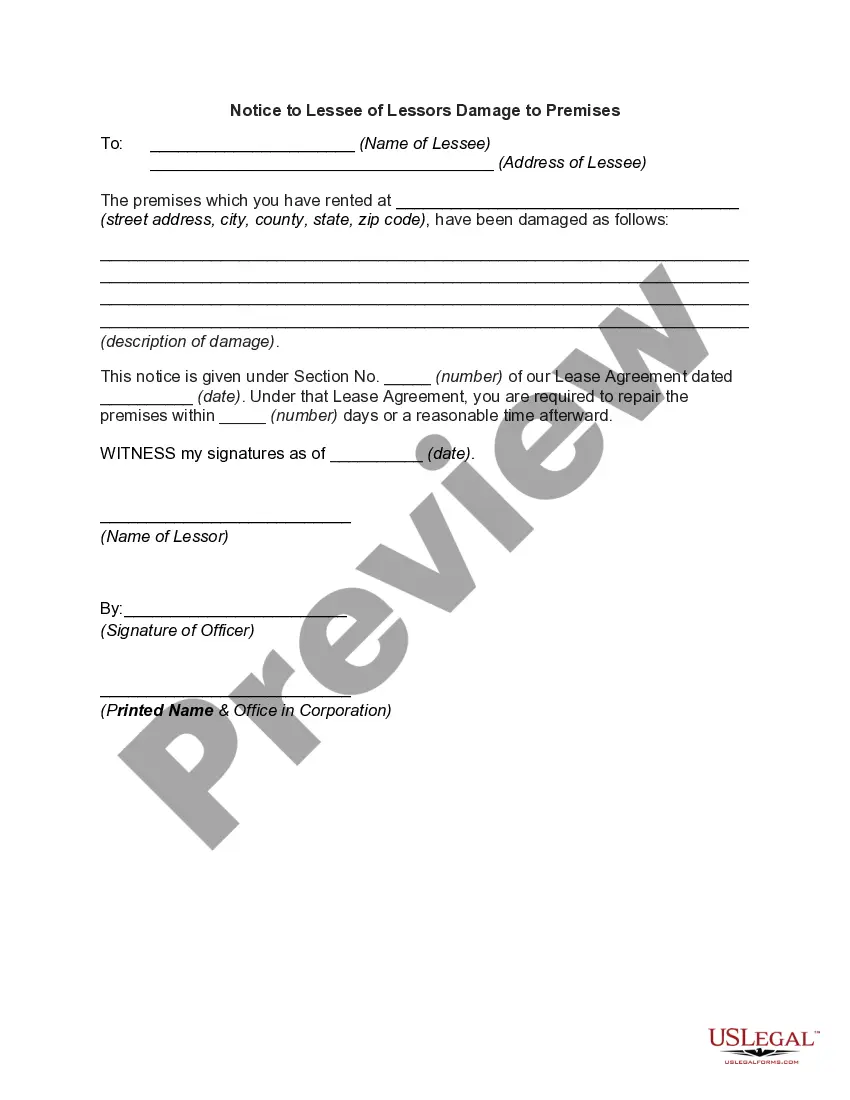
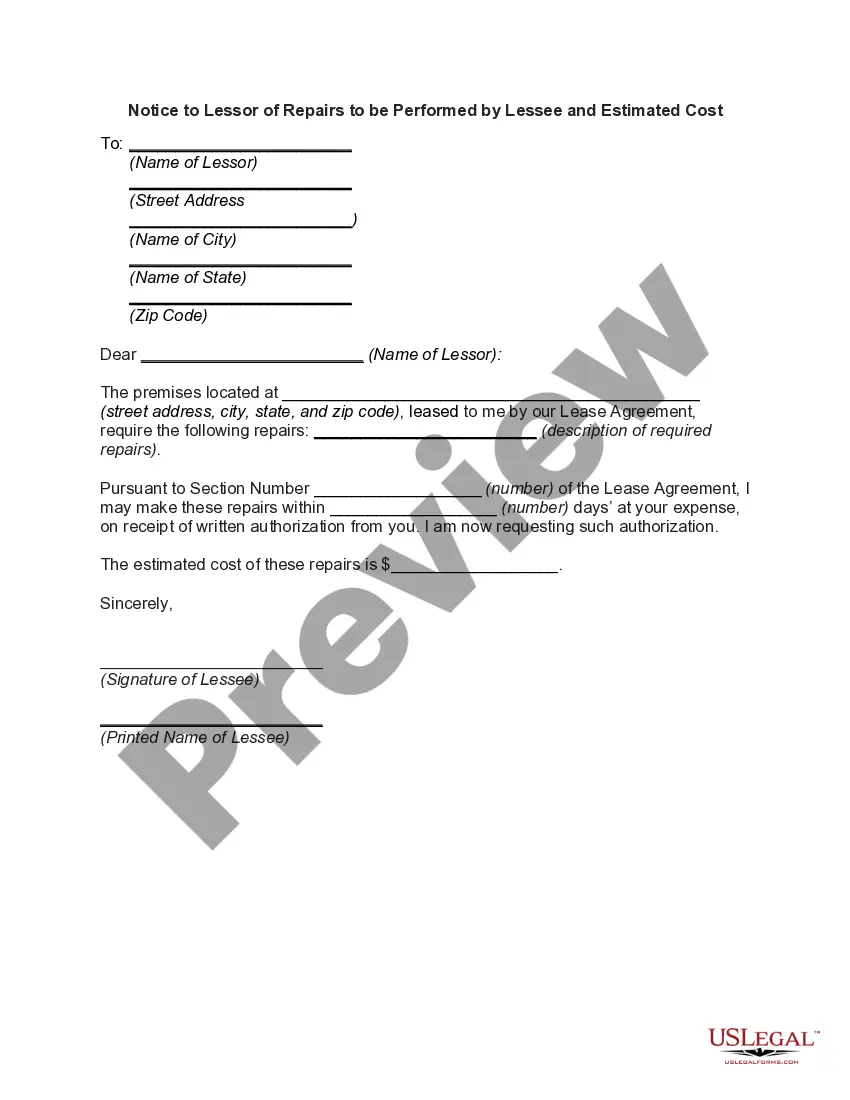
- Detailed description of repair issues: Clear listing of the problems the tenant has reported.
- Urgency statement: A request for immediate action regarding the repairs.
- Legal statement: Mention of the tenant's rights to pursue legal action if repairs are not made.
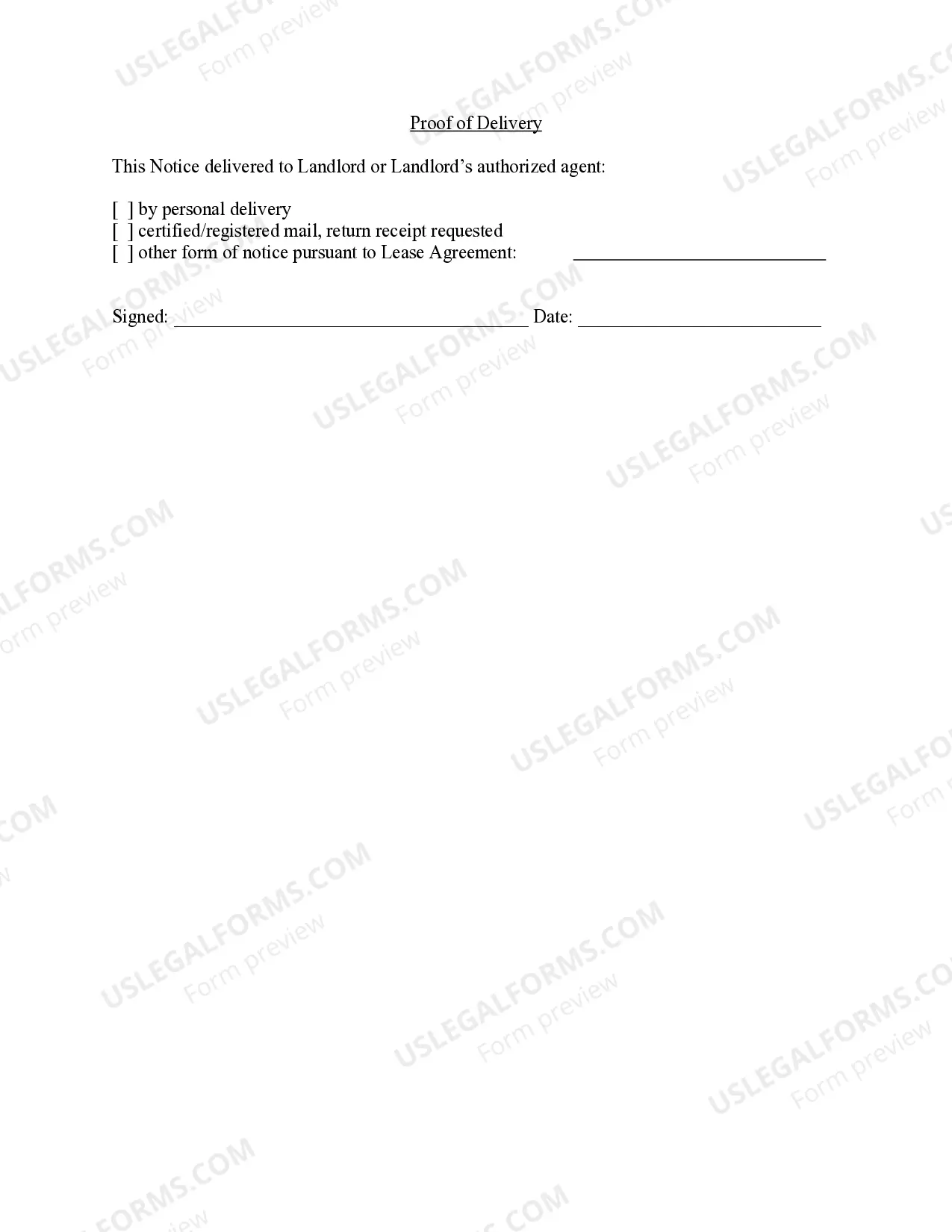
- Proof of delivery options: Methods to ensure the landlord receives the letter.

Situations where this form applies
This letter should be used when a tenant has previously informed the landlord about necessary repairs that have not been addressed. It is an important step to document communication regarding repairs and can serve as evidence if the tenant decides to take further legal action. The letter should ideally be sent before the tenant resorts to formal legal measures.
Who can use this document
- Tenants who have reported repairs that remain unresolved.
- Individuals seeking to protect their legal rights regarding property maintenance.
- Renters looking for a formal way to communicate with their landlords about ongoing issues.
How to prepare this document
- Identify the parties: Fill in the tenant's and landlord's full names and contact information.
- Specify the property: Clearly state the address of the rental property in question.
- Detail the repair issues: List the specific repairs that need to be addressed, including dates of previous requests.
- Include the date: Write the date when the letter is being completed.
- Sign the letter: The tenant should provide their signature for authenticity.
- Choose proof of delivery: Indicate how the letter will be delivered to ensure the landlord receives it.
Notarization guidance
This form does not typically require notarization unless specified by local law. Ensure that you comply with any specific legal requirements in your state regarding tenant communication.
Get your form ready online
Our built-in tools help you complete, sign, share, and store your documents in one place.
Make edits, fill in missing information, and update formatting in US Legal Forms—just like you would in MS Word.
Download a copy, print it, send it by email, or mail it via USPS—whatever works best for your next step.
Sign and collect signatures with our SignNow integration. Send to multiple recipients, set reminders, and more. Go Premium to unlock E-Sign.
If this form requires notarization, complete it online through a secure video call—no need to meet a notary in person or wait for an appointment.
We protect your documents and personal data by following strict security and privacy standards.

Make edits, fill in missing information, and update formatting in US Legal Forms—just like you would in MS Word.

Download a copy, print it, send it by email, or mail it via USPS—whatever works best for your next step.

Sign and collect signatures with our SignNow integration. Send to multiple recipients, set reminders, and more. Go Premium to unlock E-Sign.

If this form requires notarization, complete it online through a secure video call—no need to meet a notary in person or wait for an appointment.

We protect your documents and personal data by following strict security and privacy standards.
Common mistakes
- Failing to detail the repair issues clearly.
- Not including the date and tenant's signature.
- Overlooking the proof of delivery method which can impact legal standing.
Benefits of completing this form online
- Convenience: Access and download the form anytime from anywhere.
- Editability: Customize the letter with your specific details easily.
- Reliability: Ensure that you have a legally vetted document prepared by licensed attorneys.
- This letter is a formal communication that may be used as evidence in potential legal disputes.
- Ensure to send the letter through a method that confirms delivery for record-keeping.
- Know your rights and obligations under your stateâs landlord-tenant laws for better enforcement of your demands.
What to keep in mind
- This letter serves as a formal request for repairs that have been previously overlooked.
- It is crucial for tenants to document their requests and maintain copies for legal purposes.
- Tenants should understand their legal rights concerning repairs and potential actions against landlords.
Looking for another form?

Form popularity
FAQ
Uninhabitable conditions can include dangerous ones, such as holes in the floor, unsafe or exposed wiring, or non-working air conditioning in dangerously hot summer months. Gross infestations of roaches, fleas or other pests are also uninhabitable conditions.
The landlord had a duty to reasonably maintain the property; The landlord knew or should have known of the dangerous condition; The landlord breached their duty by failing to repair/fix the dangerous condition;
Know your state's landlord/tenant laws. Read and respond to the court summons. Try to work out a settlement. Consider legal counsel. Show up for court. Look sharp and provide evidence.
You can file a lawsuit for negligence against the manager of a real estate property in the same way you can sue the owner of any type of business. Generally speaking, with certain exceptions, filing a lawsuit for negligence against a property manager is a straightforward process.
Can a tenant claim for improvements made during the lease? The position differs in the case of immovable and movable property. Tenant can claim for:The claim arises only once the lease is terminated and lessee vacated the property.
If you're seeking damages for emotional distress caused by a landlord's discrimination, or punitive damages for especially blatant and intentional discrimination, a lawsuit may well be your best bet. Understand what's involved in suing your landlord. You may file a lawsuit in either federal or state court.
A burst water service or a serious water service leak. A blocked or broken toilet. A serious roof leak. A gas leak. A dangerous electrical fault. Flooding or serious flood damage. Serious storm or fire damage.
Make sure the repair is actually your landlord's responsibility. Document the problem thoroughly. Ask your landlord in writing to make the repair. Send your landlord a letter with return receipt requested.
Tenants can all agree to withhold rent until the landlord makes repairs. A group of tenants can ask a judge to order the landlord to make repairs. If the landlord absolutely refuses to fix the bad conditions, tenants can ask a court to appoint a temporary landlord called a receiver in order to make repairs.