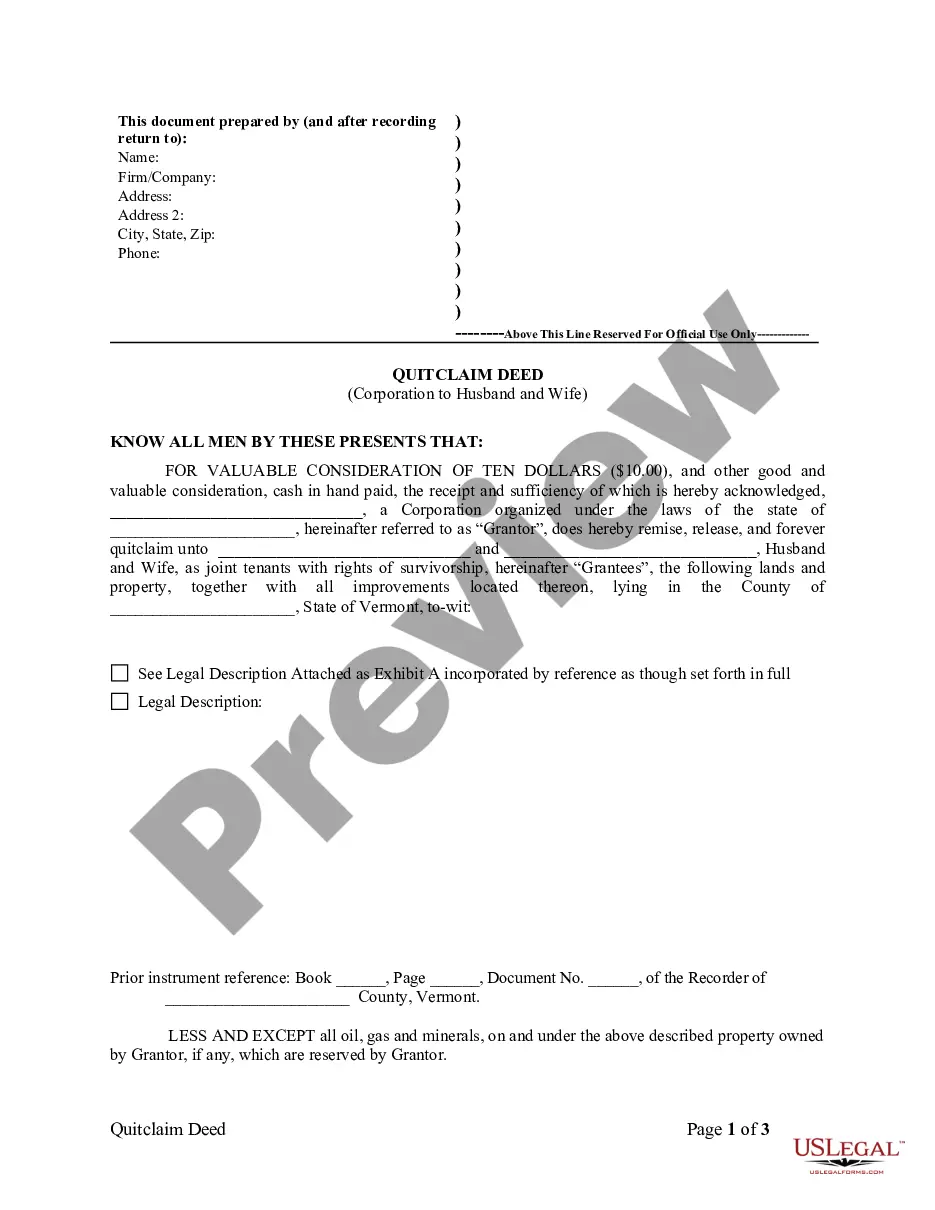
Washington 10 Day Notice to Pay Rent or Lease Terminates for Nonresidential or Commercial Property
Understanding this form
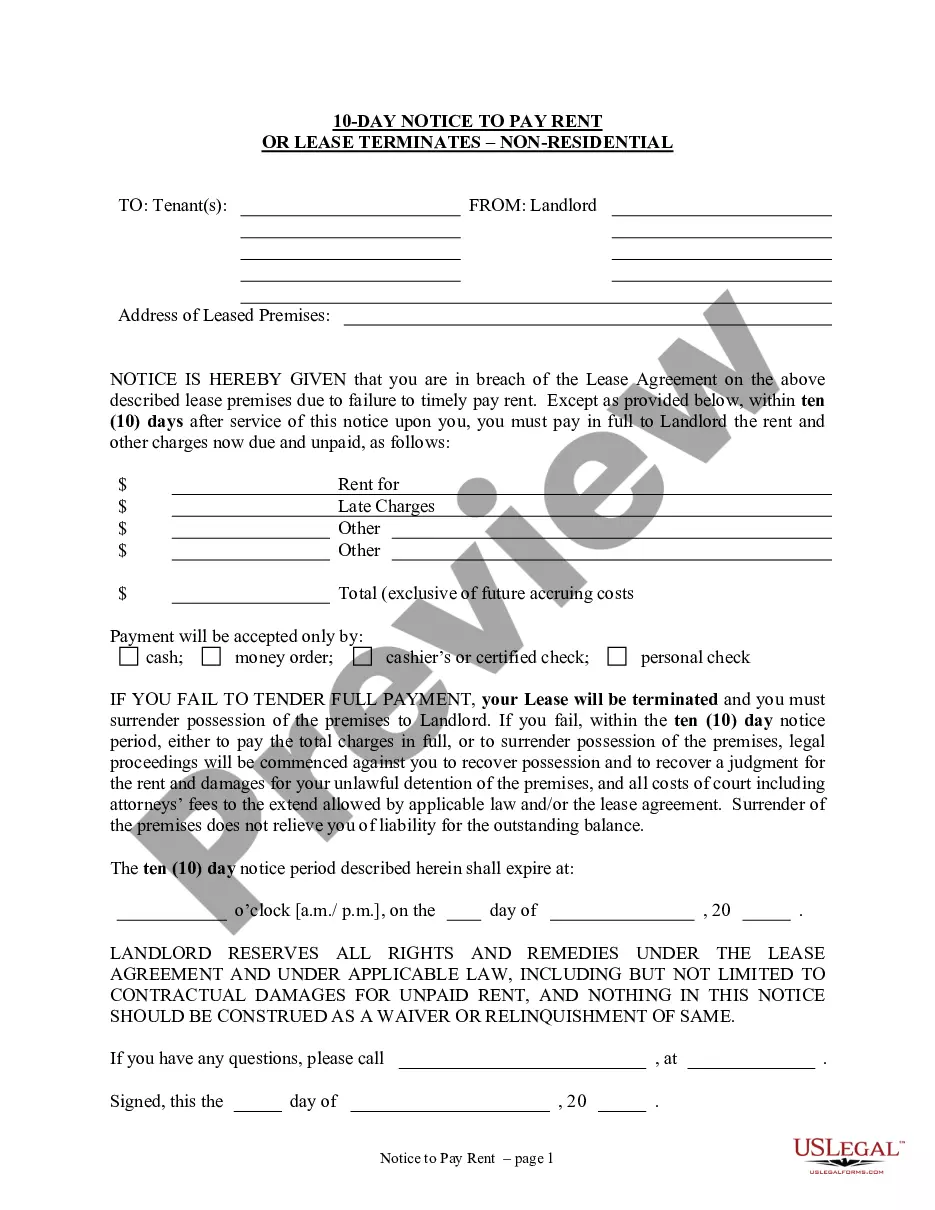
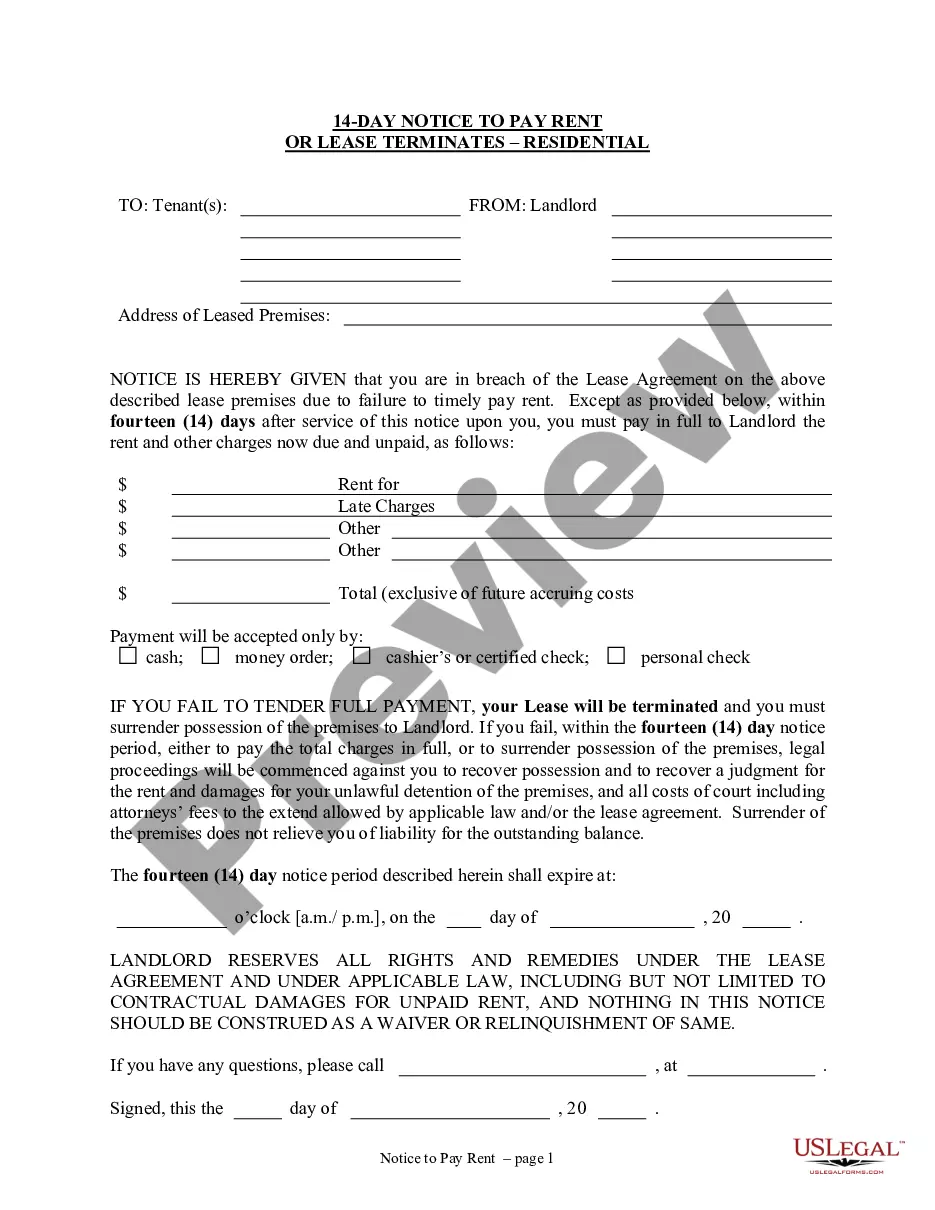
The 10 Day Notice to Pay Rent or Lease Terminates for Nonresidential or Commercial Property is a legal document used by landlords to formally request overdue rent from tenants occupying non-residential premises. This form highlights the tenant's obligation to pay overdue rent within ten days, in accordance with state laws. It distinguishes non-residential properties, such as commercial and industrial spaces, and indicates consequences of nonpayment, including possible lease termination and eviction proceedings.
Key parts of this document
- Details of the lease agreement and the property involved
- Amount of overdue rent, along with any additional charges
- Deadline for payment: ten days from receipt of the notice
- Consequences of nonpayment, including lease termination and eviction
- Landlord's options upon receipt of payment after the notice period
- Instructions for delivering the notice to the tenant

Common use cases
This form is necessary when a landlord needs to remind a non-residential tenant of overdue rent payments. It should be used when the tenant has not paid rent by the due date and the landlord wants to formally notify them of the breach of the lease agreement. This notice serves as a final opportunity for the tenant to pay before legal actions can be taken.
Who should use this form
This form is intended for:
- Landlords of non-residential properties, including commercial and industrial spaces
- Property managers acting on behalf of landlords in collecting overdue rent
- Real estate professionals aiding landlords in managing rental agreements
Steps to complete this form
- Identify the involved parties: specify the landlord and tenant names.
- Detail the address of the leased premises in question.
- Clearly state the amount of overdue rent and any additional charges.
- Enter the deadline for payment: ensure it is ten days from notice delivery.
- Add the landlordâs signature and the date to validate the notice.
Notarization requirements for this form
This form does not typically require notarization unless specified by local law. Always check your stateâs requirements for any additional formalities regarding such notices.
Get your form ready online
Our built-in tools help you complete, sign, share, and store your documents in one place.
Make edits, fill in missing information, and update formatting in US Legal Forms—just like you would in MS Word.
Download a copy, print it, send it by email, or mail it via USPS—whatever works best for your next step.
Sign and collect signatures with our SignNow integration. Send to multiple recipients, set reminders, and more. Go Premium to unlock E-Sign.
If this form requires notarization, complete it online through a secure video call—no need to meet a notary in person or wait for an appointment.
We protect your documents and personal data by following strict security and privacy standards.

Make edits, fill in missing information, and update formatting in US Legal Forms—just like you would in MS Word.

Download a copy, print it, send it by email, or mail it via USPS—whatever works best for your next step.

Sign and collect signatures with our SignNow integration. Send to multiple recipients, set reminders, and more. Go Premium to unlock E-Sign.

If this form requires notarization, complete it online through a secure video call—no need to meet a notary in person or wait for an appointment.

We protect your documents and personal data by following strict security and privacy standards.
Typical mistakes to avoid
- Failing to include the total amount of overdue rent and charges.
- Not specifying the correct address of the leased property.
- Missing the signature of the landlord or authorized agent.
- Not adhering to state-specific notice delivery requirements.
Benefits of completing this form online
- Convenient access to a professionally drafted legal document.
- Editability allows for quick tailoring to specific situations.
- Reliable resource ensuring compliance with current laws.
- Immediate download ready for use, saving time and effort.
Main things to remember
- The form serves as an official notice to tenants regarding overdue rent.
- Landlords must provide a ten-day period for payment to avoid lease termination.
- It's essential for landlords to understand state-specific regulations regarding notices and eviction processes.
- Using this form correctly can help maintain clear communication between landlords and tenants.
Looking for another form?
Form popularity
FAQ
Your landlord only needs to give 'reasonable notice' to quit. Usually this means the length of the rental payment period so if you pay rent monthly, you'll get one month's notice.
1) Give your landlord at least 20 days written notice. The law requires that month-to-month tenants give landlords at least 20 days written notice before vacating their units. If you are unsure about what kind of rental agreement you have, see more details in Rental Agreements.
If you are a month-to-month tenant, you must give notice to your landlord in writing at least 20 days before the last day of the month that you want to move out. For example, if you wanted to move out by July 31, you must give notice no later than July 11.
In most cities in Washington State, landlords can ask month-to-month tenants to leave with only 20 days' written notice. The notice must be written and must be delivered at least 20 days before the end of the month or rental period.
Your landlord can end the let at any time by serving a written 'notice to quit'. The notice period will depend on the tenancy or agreement, but is often at least 4 weeks.
Consider other options for getting out of your lease early. Figure out if you can break your lease under Washington law. Re-read your lease agreement. Negotiate with your landlord. Move out and hope your landlord re-rents quickly. Make it official with paperwork.
Your landlord can end the let at any time by serving a written 'notice to quit'. The notice period will depend on the tenancy or agreement, but is often at least 4 weeks.
State law regulates several rent-related issues, including late and bounced-check fees, the amount of notice (at least 30 days in Washington) landlords must give tenants to raise the rent and how much time (three days in Washington) a tenant has to pay rent or move before a landlord can file for eviction.